Where Vermentino comes from and how region shapes it
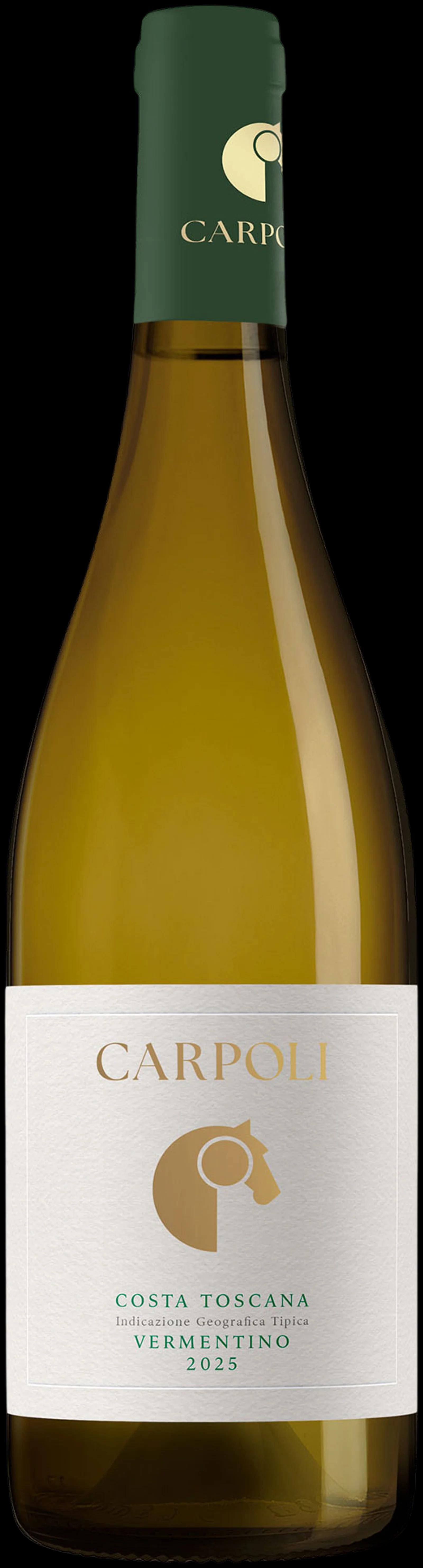
Vermentino is a white grape with strong roots around the Mediterranean basin. It is most closely associated with Sardinia, where it produces the appellation wines of Vermentino di Gallura in the island's granite-soiled north, and with the coastal stretches of Tuscany and Liguria on the Italian mainland. Across the water, it has long been grown in the south of France — particularly in Languedoc-Roussillon and Corsica, where it is often labelled Rolle or Vermentino depending on the producer. The grape is well adapted to heat and maritime winds, which is why it performs reliably close to the sea but tends to lose its freshness further inland. In cooler, higher-altitude sites in Tuscany and Sardinia via Sicily, it can develop more textural weight alongside its characteristic citrus and herb character. Climate and soil have a pronounced effect: granite gives leaner, more mineral expressions; clay and limestone tend to produce rounder, fuller wines. If you want to understand how much region matters with this grape, tasting a Vermentino di Gallura alongside a Rolle from the Languedoc coast is a revealing comparison.
How Vermentino tastes, and what to drink it with
Vermentino is a dry white wine with high natural acidity and a profile built around citrus — lemon zest, grapefruit, sometimes white peach — alongside herbal notes that can range from fresh thyme to something closer to fennel or bitter almond on the finish. That slight bitter edge on the finish is a hallmark of the grape and distinguishes it from softer Mediterranean whites like Grenache Blanc or Viognier. In warmer growing conditions or with extended skin contact, Vermentino can develop more body and a golden colour, moving toward an orange-wine style. Most bottlings, though, are light to medium in body, unoaked, and made to be drunk young and cold. The food matches follow naturally from the profile: seafood is the classic pairing — grilled fish, clams, crab — but the acidity also works well with vegetable-forward dishes, salads with a sharp dressing, and light pasta with herbs. Producers in Sardinia, Liguria, and southern France often note the grape's affinity with the local cuisine, which tends to lean on olive oil, lemon, and fresh herbs rather than cream or heavy sauces.
Buying Vermentino direct from independent producers
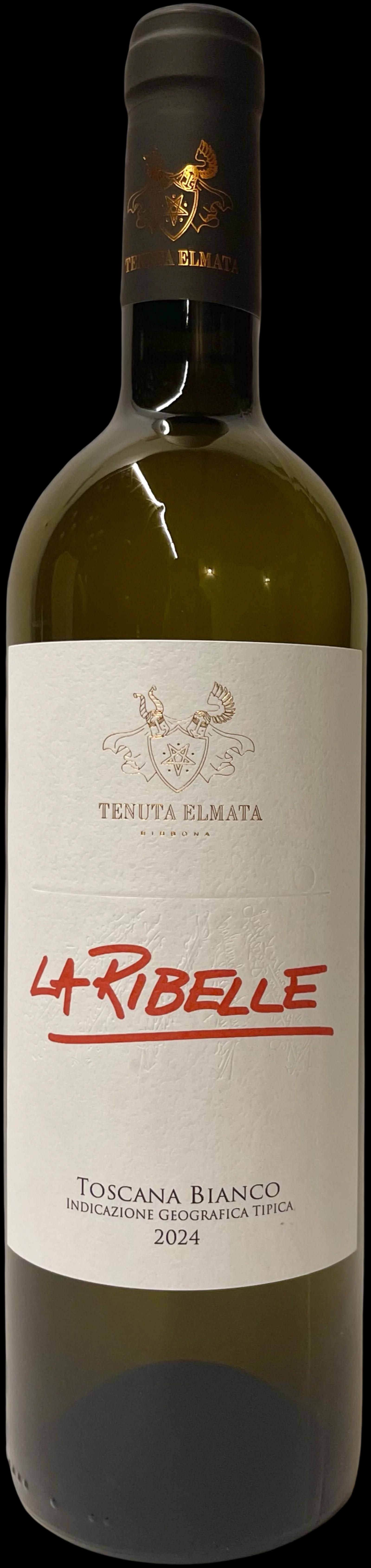
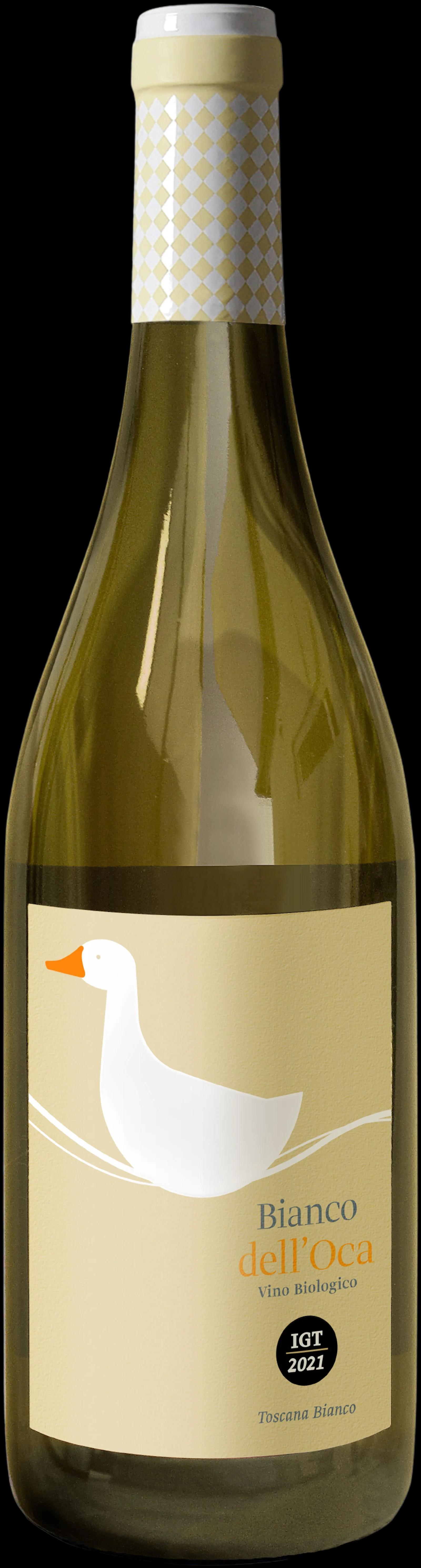
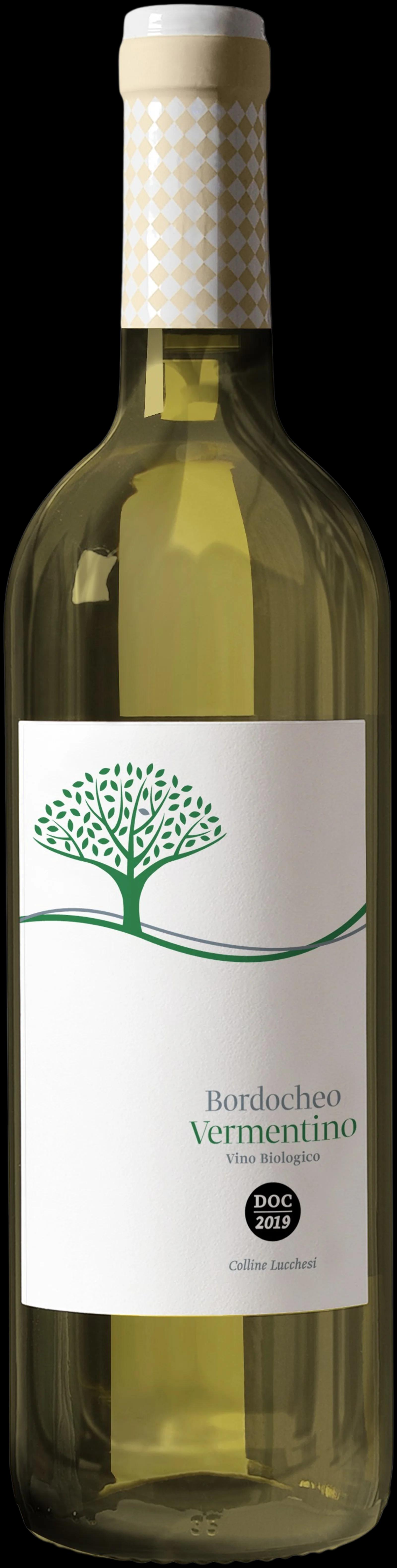
Most Vermentino that reaches northern European consumers travels through an importer and one or two distribution layers before it arrives on a shelf, which means the selection is shaped by what those intermediaries decide to carry rather than by the full range of what is being made. On Free Grape Society, producers ship directly from their own cellar, with no importer or warehouse in between — which means you can reach growers whose wines never appear in retail. The producers working with this grape on the platform include estates in Italy, France, Spain, and Portugal, each shipping their own wines and setting their own prices. Wines tasted before listing is the baseline standard across the platform. Free Grape Society is a society of producers, independent experts and wine lovers — not a shop — and the grape pages exist to help you find the full range of what a variety produces, not a curated shortlist. If you want to explore further, the Sardinian wines via Sicily, Tuscan wines, and Languedoc-Roussillon wines pages are a good starting point for the regions where Vermentino matters most.