







Tempranillo Blanco: Spain's rare white mutation, direct from independent growers

Tempranillo Blanco wine is one of Spain's most unusual whites — a spontaneous mutation of the red Tempranillo vine, only officially recognised as a variety in 2007. The producers below grow it in the regions where it first appeared and where it still feels most at home.

A natural mutation of red Tempranillo, grown almost exclusively in Rioja and Aragón, producing crisp, aromatic whites that few estates outside Spain bottle.

Color

Dropdown arrow

Type

Dropdown arrow

Country

Dropdown arrow

Region

Dropdown arrow

Grape

Dropdown arrow

Pairing

Dropdown arrow

Sort by

Sort arrow
Tempranillo Blanco

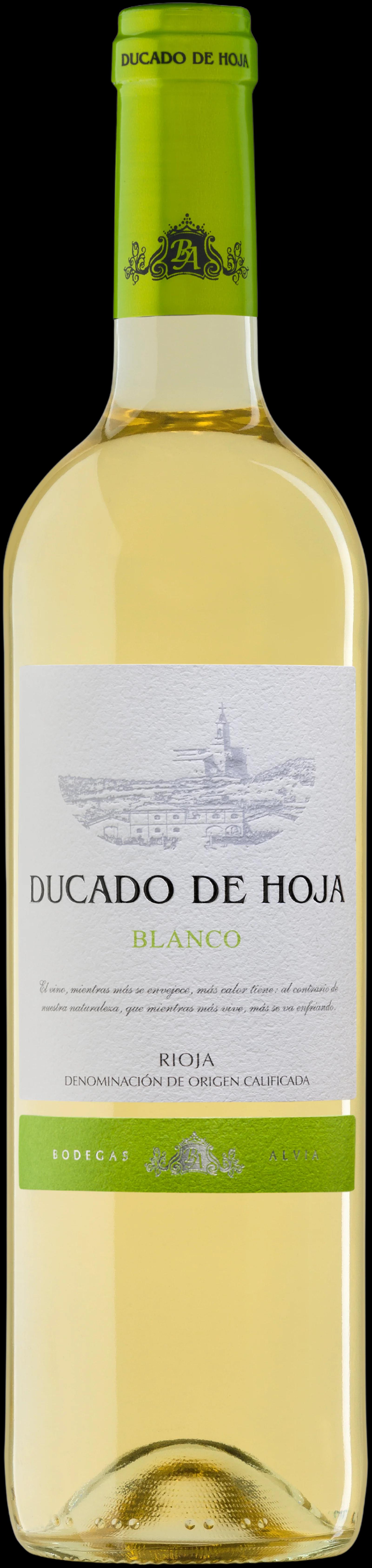
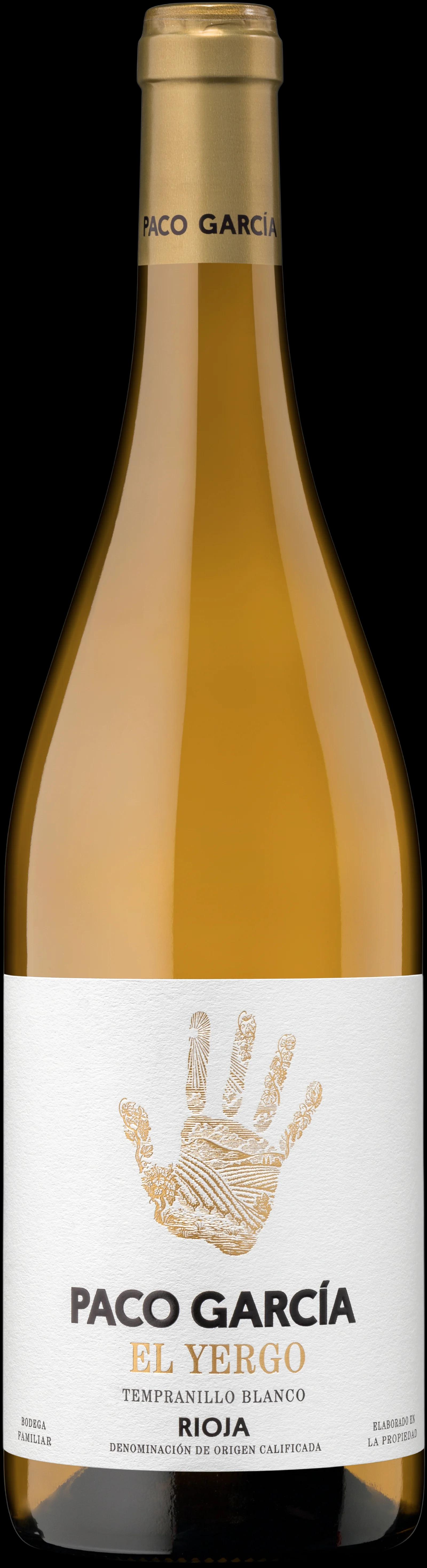
Tempranillo Blanco wines

Tempranillo Blanco was discovered as a natural mutation on a Tempranillo vine in Rioja in the 1980s and only cleared for planting across Spain in 2007 — which is why so few producers work with it and why the wines feel genuinely rare. It tends toward fresh acidity, stone fruit, and a herbal note that sets it apart from the fuller Spanish whites made from Verdejo or Albariño. On Free Grape Society, each bottle ships directly from the grower's own cellar, with no importer or warehouse in between.

Previous1 of 1Next

Tempranillo Blanco mixboxes

A mixbox is a producer's own selection of six bottles, put together as the recommendation they would make if you visited their cellar in person. For a grape as uncommon as Tempranillo Blanco, that often means tasting it alongside the other whites and reds an estate grows — giving you a fuller picture of how one producer thinks about their land. Free Grape Society is a society of producers, independent experts and wine lovers, not a shop.

View all mixboxes

Wineries

The growers below work with Tempranillo Blanco in the Spanish regions where the mutation first took hold — principally Rioja and Aragón, though a handful of producers in Castile and León and Valencia have also begun planting it. Because the variety is so young in official terms, each producer has made their own decisions about how to vinify it: some lean into the freshness with cool fermentation, others let it develop more texture. Reading a producer's own notes is the quickest way to understand which direction they have taken, and the wine-advice service is there if you would rather talk it through before choosing.

View all wineries

Wine experts

Tempranillo Blanco is obscure enough that a second opinion is genuinely useful before buying. Independent wine experts on Free Grape Society review wines they have personally tasted, and their notes are visible on each wine page and on the expert's own profile. Several of the experts below have reviewed Tempranillo Blanco wines featured on this page, so you can read what they found before deciding.

View all wine experts

Frequently asked questions

How do I order Tempranillo Blanco wine on Free Grape Society?

Browse the wines above, add bottles to your basket, and check out. Each bottle ships directly from the producer's own cellar — not from a central warehouse. You can order from more than one producer in the same checkout. Delivery takes between 4 and 14 days, and shipping is free.

What happens if a bottle arrives broken or doesn't taste right?

Send a photo to Free Grape Society customer support within 7 days of delivery. We will arrange a replacement or a refund. Because producers ship directly, quality issues are handled with the producer's direct involvement. Shared responsibility is built into how FGS works.

Can I order Tempranillo Blanco from more than one producer at once?

Yes. You can add wines from different producers to the same basket and complete a single checkout. Each producer ships their own wines separately, so you may receive more than one delivery. All are covered by the same free-shipping policy.

How long does delivery take?

Average delivery is 8 to 9 days from order to door. The full range is 4 to 14 days depending on the producer's location and your delivery address. Wines ship directly from the producer's cellar, not from a central warehouse.

How do I choose between the different Tempranillo Blanco wines?

Tempranillo Blanco varies more by producer style than by region — some are made fresh and unoaked for early drinking, others are given more time on the lees for texture. Reading the producer's own description is a good starting point. If you are unsure, the wine-advice service connects you with an independent expert who can recommend a specific bottle for your taste.

Are all the Tempranillo Blanco wines here from Spain?

Yes. Tempranillo Blanco is almost entirely a Spanish variety, and all the producers on Free Grape Society who grow it are based in Spain — mainly in Rioja and Aragón, where the mutation was first recorded. A small number of growers in other Spanish regions have also begun working with it as its reputation has grown.

Which Tempranillo Blanco wine expert can recommend something for me?

Use the wine-advice form on any wine page or expert profile to ask your question. An independent wine expert who knows the variety will respond with a personal recommendation. There is no booking required and no charge — it is part of what Free Grape Society offers to every buyer.

Why don't you sell supermarket-brand Tempranillo Blanco wines?

Free Grape Society works only with independent producers who bottle their own wines. Supermarket own-labels are made under contract by large producers and sold without a grower's name attached. Every wine on Free Grape Society comes from a named estate — so you know exactly who made it, where the grapes were grown, and how the wine was produced.

Can I find Tempranillo Blanco at a normal wine shop?

Rarely. Most wine retailers stock only the best-known Spanish whites — Albariño, Verdejo, and a handful of white Rioja blends. Tempranillo Blanco is still so uncommon that even specialist wine shops carry it infrequently. Buying directly from Spanish producers through Free Grape Society is one of the more reliable ways to find it outside Spain.

Where Tempranillo Blanco comes from and what makes it unusual

Tempranillo Blanco is a white mutation of Tempranillo, discovered in Rioja in 1988 on a single vine that had spontaneously changed. It was only officially recognised as a variety in 2007, which makes it one of the newer additions to the Spanish canon despite being genetically ancient. Its home is Rioja, where it was found, though growers in Castile and León and Aragon have since taken it up. It grows vigorously and ripens earlier than its red parent, which helps in the warm, dry conditions of inland Spain. Unlike many white varieties discovered in warmer climates, it tends to hold acidity reasonably well, which gives winemakers room to work with it in different styles.

How Tempranillo Blanco tastes, and what to drink it with

At its most expressive, Tempranillo Blanco produces wines that are full-bodied for a white, with stone-fruit character — peach, apricot, sometimes a floral note — and enough acidity to keep them from feeling heavy. Unoaked versions lean fresh and direct; producers who give it time in barrel find it takes oak integration well, developing a rounder texture. It works naturally alongside the food cultures where it is grown: roast lamb and kid, salt cod, rice dishes with saffron, and the cured meats common across central Spain. If you want to explore Spanish white wines more broadly, or compare how white grapes from Galicia and Rioja differ in character, the regional pages are a useful starting point.

Buying Tempranillo Blanco direct from independent producers

Tempranillo Blanco is rarely stocked by generalist retailers, which makes direct sourcing more practical than usual. On Free Grape Society, producers ship wines tasted before listing directly from their own cellars, with no importer or warehouse in between. That matters most for a variety like this, where the producer's own choices — when to pick, whether to use oak, how long to leave it on the lees — shape the wine significantly, and where the story behind the bottle adds real context to what is in the glass. You can browse the full range of Spanish wines and Spanish wineries on Free Grape Society, or look at the Tempranillo page if you want to compare it with wines made from its red parent. Free Grape Society is a society of producers, independent experts and wine lovers, not a shop.