Where Monastrell comes from and how region shapes it
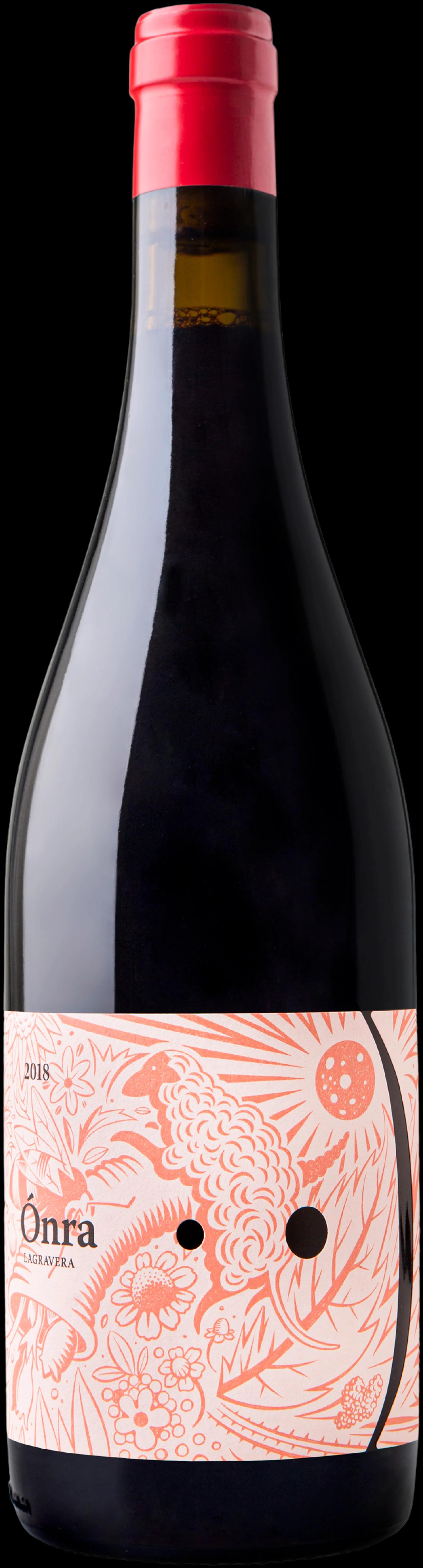
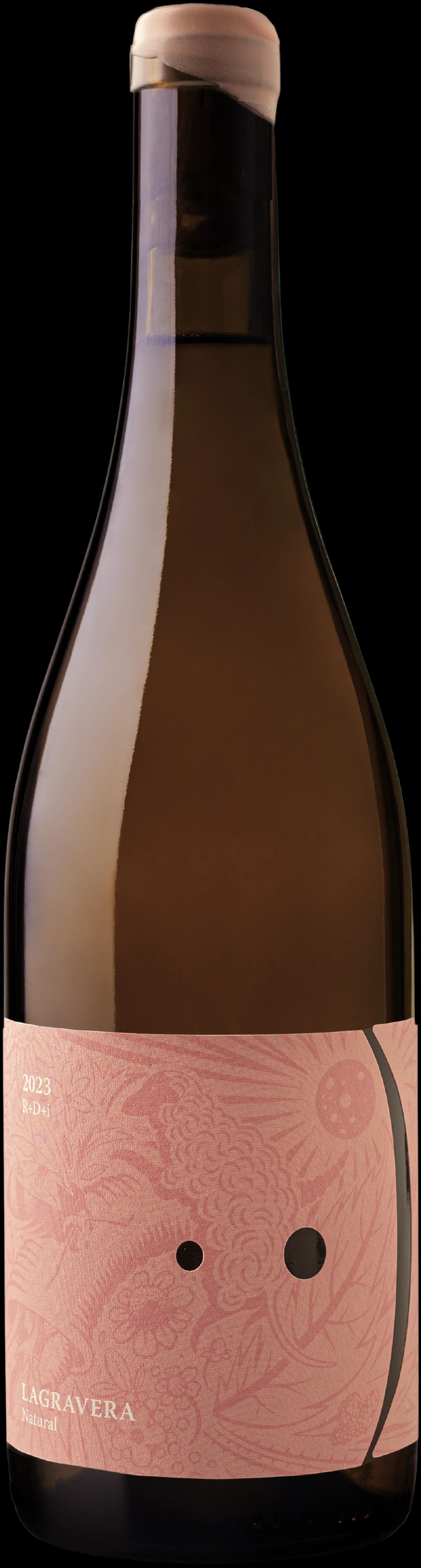
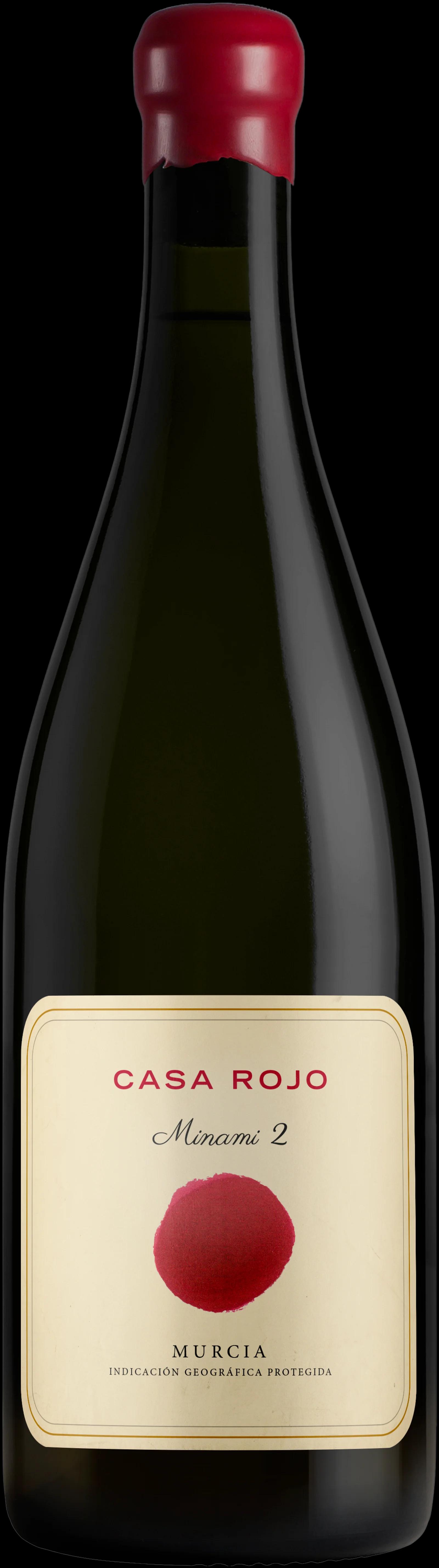
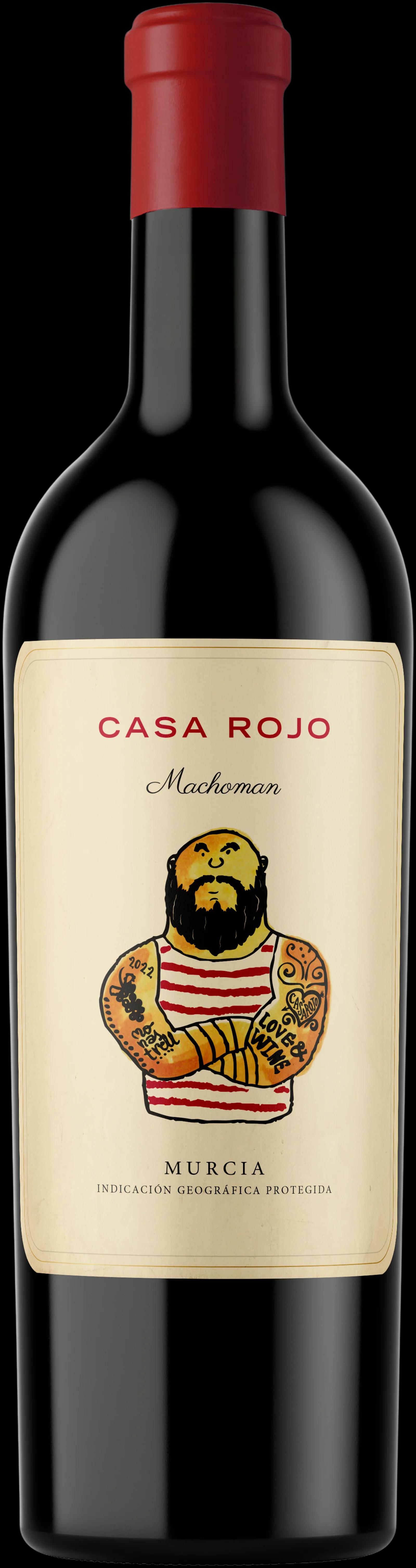
Monastrell is one of Spain's oldest cultivated grapes, with its deepest roots in the southeast — particularly in Murcia, Valencia and Castilla-La Mancha, where the summers are long, dry and fierce. The heat is part of the point: Monastrell ripens late and needs warmth to fully develop, which is why it struggles in cooler climates and thrives where other varieties would scorch. In Murcia's Jumilla and Yecla subzones, old bush vines grown without irrigation concentrate the fruit and build the thick skin that gives the wine its structure. Cross the border and the same grape becomes Mourvèdre in France's Languedoc-Roussillon and the southern Rhône Valley, where it is rarely bottled alone but blends with Grenache and Syrah to add backbone and depth. In Spain, it is more often the lead variety, sometimes the only one, and the wines it produces there read very differently from its French counterparts — darker in colour, higher in tannin, with a denser fruit character that softens considerably with age. Producers working with Monastrell across Murcia, Valencia and Castilla-La Mancha each make something distinct, shaped by altitude, vine age and whether they ferment with the skins for days or weeks.
How Monastrell tastes, and what to drink it with
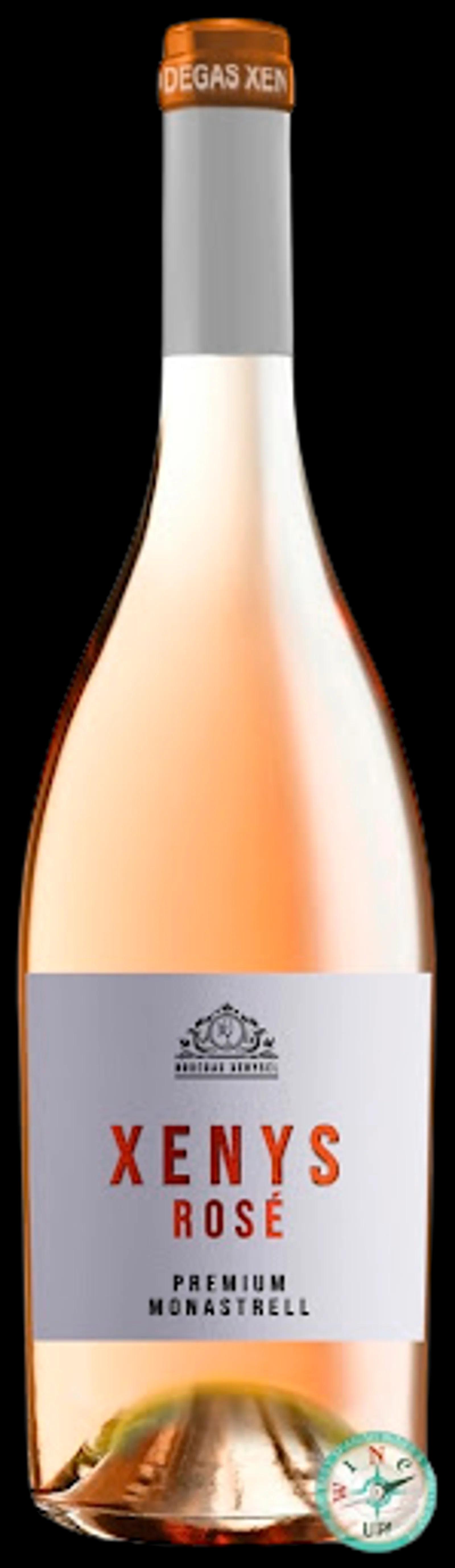
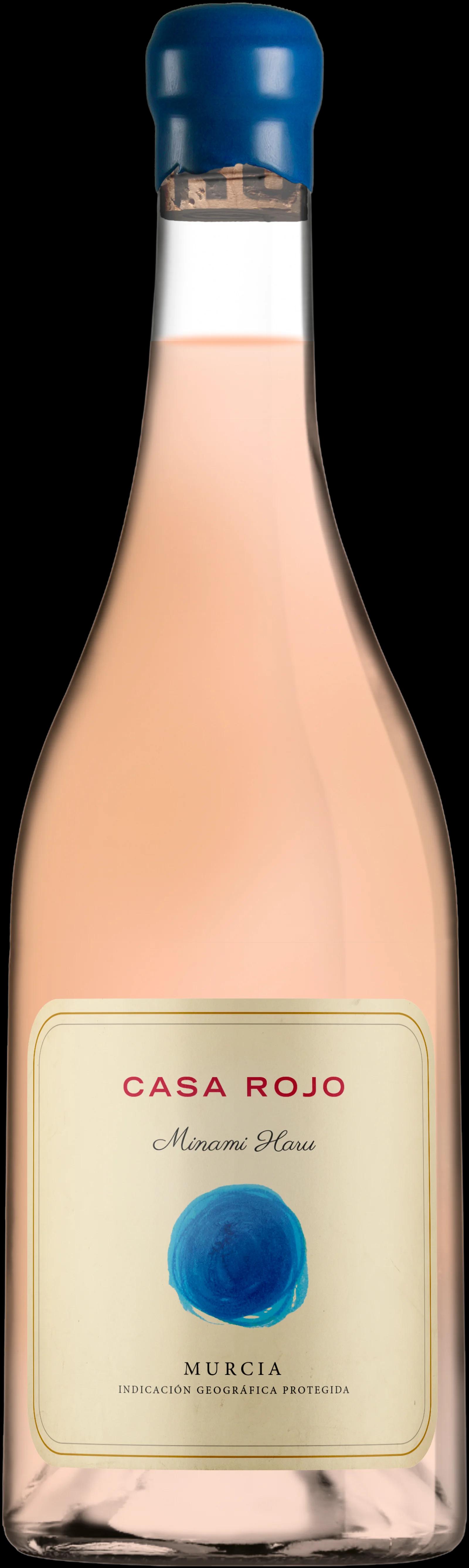
Monastrell is a full-bodied red with pronounced tannins, relatively high alcohol and a flavour profile that sits between dark plum and blackberry, often with notes of dried herbs, leather and — in warmer, riper vintages — a hint of dark chocolate or roasted coffee. The thick skin that helps the grape survive summer heat also delivers substantial structure, which means younger bottles can feel grippy and dense; a few years of age tends to round things out. The grape has a natural affinity with food that is equally direct in character: slow-cooked lamb, game stews, aged sheep's milk cheese and chargrilled meat all hold their own against it. It also works well alongside dishes with earthy notes — wild mushrooms, lentils, or a bean-based cazuela. For a lighter expression, some producers vinify Monastrell as a rosé, which keeps the fruit character but loses the weight, and pairs well with rice dishes and grilled fish. If you are exploring Spanish reds beyond Tempranillo or Garnacha, Monastrell is a worthwhile next step — especially from producers working with old vines, where the concentration is earned from the vine rather than from overextraction in the cellar.
Buying Monastrell wine direct from independent producers
Most Monastrell sold through large retail channels comes from cooperatives or négociants who blend across producers and smooth out the differences between estates. Buying directly from the grower is a different experience: the wine reflects one set of decisions, one piece of land, one vintage. On Free Grape Society, producers who work with Monastrell ship directly from their own cellars, with no importer or warehouse between the grower and your door. That means the wine arrives as the producer intended, and the price reflects what the producer has set — not a margin stacked through three or four intermediaries. You can browse Monastrell wines alongside other southern Spanish reds on the Spain wines page, or narrow to a region — Murcia, Valencia and Aragon are the main areas for the variety on the platform. Wines are tasted before listing, and independent wine experts continuously add their own reviews, so there is generally more than one perspective available before you decide. Free Grape Society is a society of producers, independent experts and wine lovers, not a shop.