Malbec, Tannat and Cahors: wines from Southwest France

Southwest France wine spans a belt of distinct appellations — Cahors, Madiran, Bergerac, Jurançon — each built on grapes rarely found elsewhere. Browse bottles from independent producers working the region's own varieties.

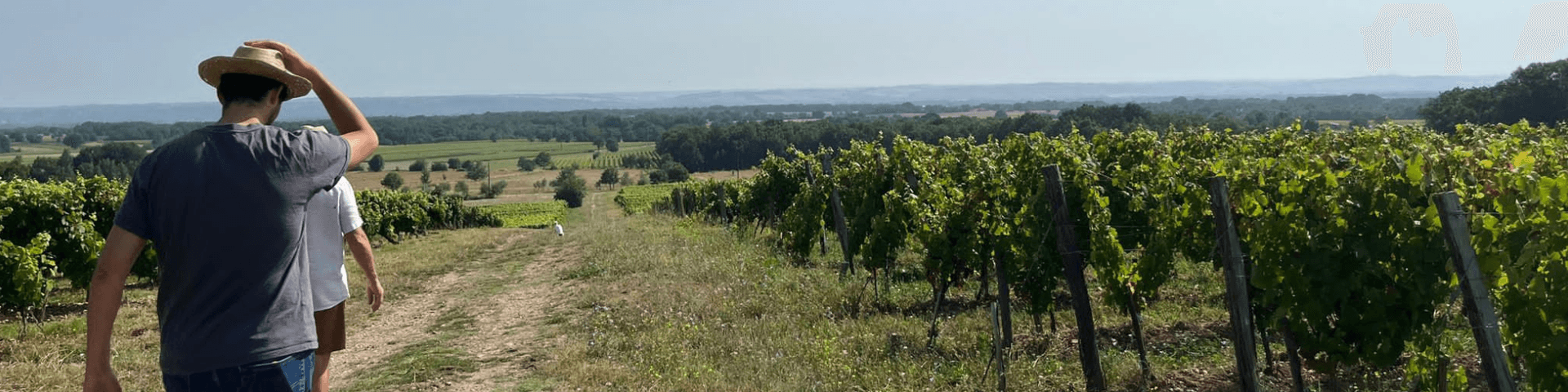
From the Atlantic-influenced vineyards of Gascony to the ancient black wine country around Cahors, the southwest is France's most varied margin.

Color

Dropdown arrow

Type

Dropdown arrow

Country

Dropdown arrow

Region (1)

Dropdown arrow

Grape

Dropdown arrow

Pairing

Dropdown arrow

Sort by

Sort arrow
Southwest France

Southwest France wines

Southwest France sits outside Bordeaux's orbit, and its wines behave accordingly. Cahors built its reputation on Malbec — here called Côt — long before Argentina made the grape famous. Madiran drew its identity from Tannat, a thick-skinned variety that needs time to soften. Jurançon, up in the foothills of the Pyrenees, leans on Petit and Gros Manseng for dry whites and late-harvest sweets that have almost no equivalent anywhere else in France. On Free Grape Society, producers ship directly from their own cellar, with no importer or warehouse in between.

Previous1 of 1Next

Southwest France producers

The producers of the Southwest are spread across a wide arc of countryside — from the gravelly terraces above the Lot river to the granite and clay foothills of the Pyrenees. Many are small family estates working varieties their neighbours in Bordeaux or Burgundy never planted, which is part of what makes the region worth exploring. Browse the growers listed here and see which appellations and grape varieties each one centres their work on. Several have also received ratings and reviews from independent wine experts whose notes appear on the wine pages.

View all wineries from Southwest France

Wine experts

Independent wine experts on Free Grape Society rate and review wines they have personally tasted. Their notes appear on the individual wine page and on the expert's own profile, building a track record that is visible to anyone browsing. Several of the experts below have reviewed wines from Southwest France producers featured on this page.

View all wine experts

Frequently asked questions

How do I buy directly from a Southwest France producer on Free Grape Society?

Browse the producer pages listed here, choose the wines you want, and place your order through Free Grape Society. The producer ships directly from their cellar to your door. Delivery typically takes between 4 and 14 days, averaging around 8 to 9 days. Payment is handled securely through the platform using Klarna or card.

What happens if a bottle arrives broken or doesn't taste right?

Send a photo to Free Grape Society customer support within 7 days of delivery. We will arrange a replacement or a refund. Because producers ship directly, quality issues are handled with the producer's direct involvement. Shared responsibility is built into how FGS works.

Do I need an account to order from a Southwest France winery?

You can browse all producer and wine pages without an account, but you will need to register to place an order. Joining Free Grape Society is free. Once you are a member you can also save favourite producers, follow wine experts, and access personalised recommendations from independent experts familiar with Southwest France.

How long does delivery take?

Average delivery is 8 to 9 days from order to door. The full range is 4 to 14 days depending on the producer's location and your delivery address. Wines ship directly from the producer's cellar, not from a central warehouse.

How do I find the right Southwest France producer for what I am looking for?

The producer pages on this page give you a starting point by region — Cahors, Jurançon, Madiran, Bergerac, Gascony, Irouléguy and others. If you know the grape or style you want, browsing by variety is a useful shortcut. If you are less certain, an independent wine expert on Free Grape Society can point you toward specific producers based on what you enjoy.

Why are some Southwest France sub-regions better represented than others?

The producers listed here are ones Free Grape Society has a direct relationship with. Southwest France covers a large and fragmented area with hundreds of small estates, many of which sell most of their wine locally or directly from the cellar. The selection grows as new producer relationships are established, so it reflects who we currently work with rather than being a complete picture of the region.

Which Southwest France wine expert can recommend something for me?

Several independent wine experts on Free Grape Society have reviewed Southwest France wines. You can browse their profiles and read their published reviews on individual wine pages. If you have a specific question — a food pairing, a sub-region you want to explore, or a budget to work within — fill in the form on the expert's page and they will get back to you directly.

Why don't you carry every wine from every Southwest France producer you work with?

Each wine listed on Free Grape Society has been tasted before listing. That takes time and means the range reflects wines we have been able to evaluate properly, not the full output of every estate. Producers also choose which wines they make available through the platform. The result is a focused selection rather than a complete catalogue of every bottle a producer makes.

How does buying from a Southwest France producer on Free Grape Society compare to a wine shop or supermarket?

Most Southwest France wines sold through retail have passed through an importer and a distributor before reaching the shelf, which adds cost and removes the direct relationship with the producer. On Free Grape Society the producer sets their own price and ships directly to the buyer. Many of the native varieties and small-domaine wines listed here are not available through standard retail channels in most European markets.

Southwest France: a region of its own grapes

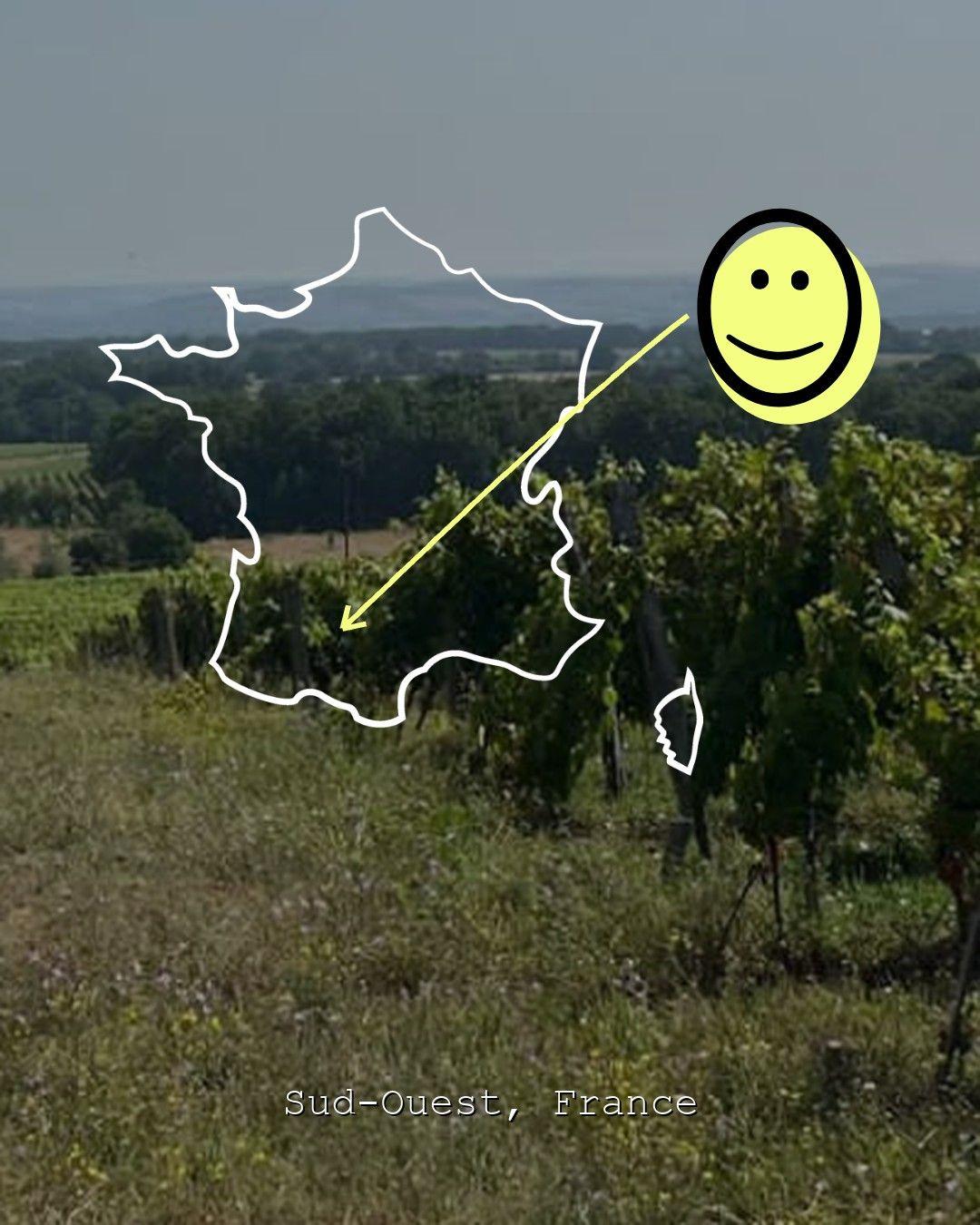
Southwest France sits east and south of Bordeaux, stretching from the Atlantic foothills of the Pyrenees to the limestone plateaux above the Garonne. What sets it apart from its famous neighbour is its roster of native grapes. Malbec — long before it became Argentina's signature — is the backbone of Cahors, where it builds dense, ink-dark reds. Tannat anchors the wines of Madiran, producing some of the firmest, most structured reds in France. Further south, Petit Manseng and Gros Manseng produce the oxidative, honeyed whites of Jurançon, often harvested late into November when the mountain air has concentrated the sugars. Mauzac, Len de l'El, and Négrette appear almost nowhere else in the world. For a wine drinker willing to move beyond the familiar, Southwest France is one of the most rewarding corners of the country — and because these appellations carry less prestige than Bordeaux or Burgundy, independent growers can still sell at prices that reflect the work rather than the name on the label. Browse Southwest France wines or explore the producers working this region.

Appellations and styles across the southwest

The southwest is not a single stylistic zone — it is a loose collection of distinct appellations, each built around different grapes, soils, and climates. Cahors is the most internationally recognised, with Malbec (locally called Côt or Auxerrois) required to make up the majority of the blend. Madiran, a short drive south, produces Tannat-based reds that need time in bottle to soften — some growers macerate shorter or use whole-cluster fermentation to bring the tannins into check earlier. Bergerac and Pécharmant sit directly east of Bordeaux and share its grape varieties — Merlot, Cabernet Franc, Cabernet Sauvignon — but at a fraction of the price. Gaillac, one of France's oldest wine regions, covers a spectrum from dry whites to sparkling pétillant naturel, made with Mauzac and Len de l'El. Jurançon produces both dry and sweet whites from Petit and Gros Manseng, the sweet versions relying on passerillage — grapes left on the vine to raisin in the autumn wind rather than affected by botrytis. Irouléguy, tucked into the Basque foothills near the Spanish border, makes small quantities of Tannat and Cabernet Franc reds at altitude. The region as a whole rewards growers who know their own appellation deeply, and many of the independent estates here have been farming the same parcels for several generations.

How to find the right Southwest France wine

The simplest entry point is grape variety. If you want to understand what Malbec tastes like on its home soil — earthy, structured, and slower to open than its Argentine counterpart — start with Cahors. If you want something lighter and food-friendly, Gamay grown further north in Gaillac or a Bergerac red based on Merlot will give you that. For whites, Jurançon Sec from Petit Manseng is a good reference point — full-bodied, with a saline, almost waxy texture and citrus peel grip that pairs well with fish and charcuterie. If you want something outside those reference points entirely, a producer wine case is a practical way to taste one grower's own read on the region across six bottles before committing to individual bottles. You can also filter the full range of French wines by colour or browse French wine cases to see which southwest producers have composed a selection. Free Grape Society is a society of producers, independent experts, and wine lovers — the growers here set their own prices and ship directly from their own cellars, so the bottle that arrives carries the margin of the estate rather than an importer or warehouse.