Pinot Bianco: a crisp, versatile white grown across the Alpine arc

Pinot Bianco wine ranges from lean and mineral to round and textured, shaped almost entirely by altitude, aspect and the winemaker's hand. The producers below grow it across some of its most expressive corners in Europe.

From Alto Adige's mountain vineyards to Alsace and Austria, one grape in many registers.

Color

Dropdown arrow

Type

Dropdown arrow

Country

Dropdown arrow

Region

Dropdown arrow

Grape

Dropdown arrow

Pairing

Dropdown arrow

Sort by

Sort arrow
Pinot Bianco

Pinot Bianco wines

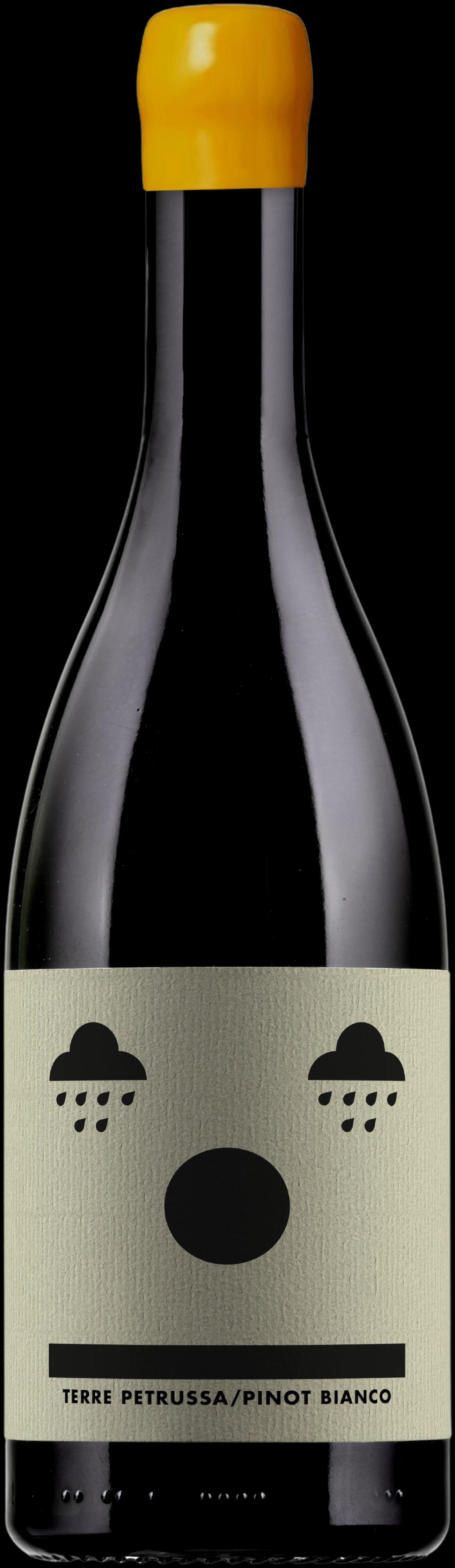
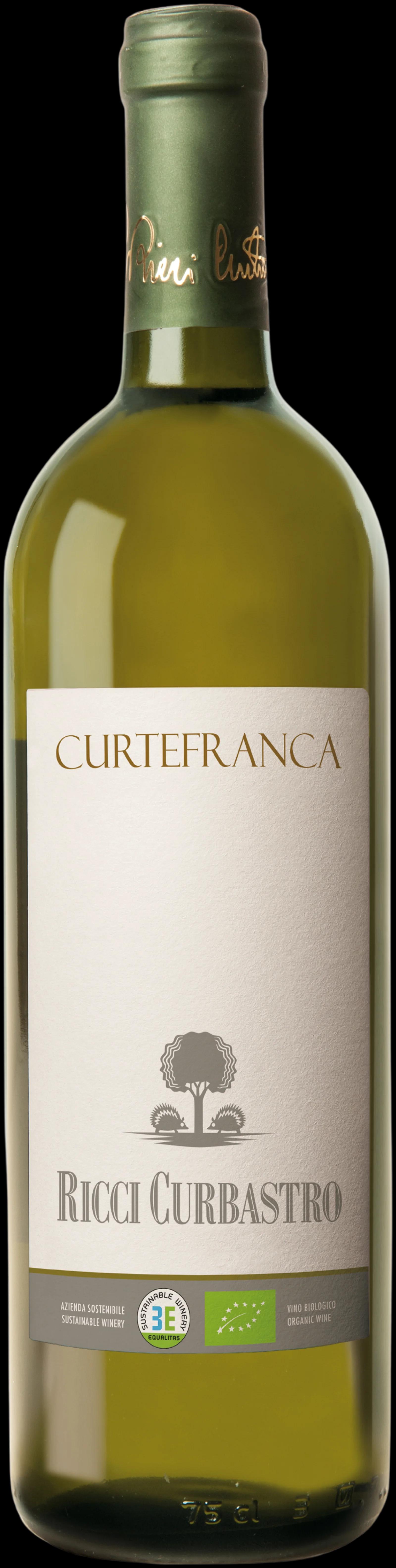
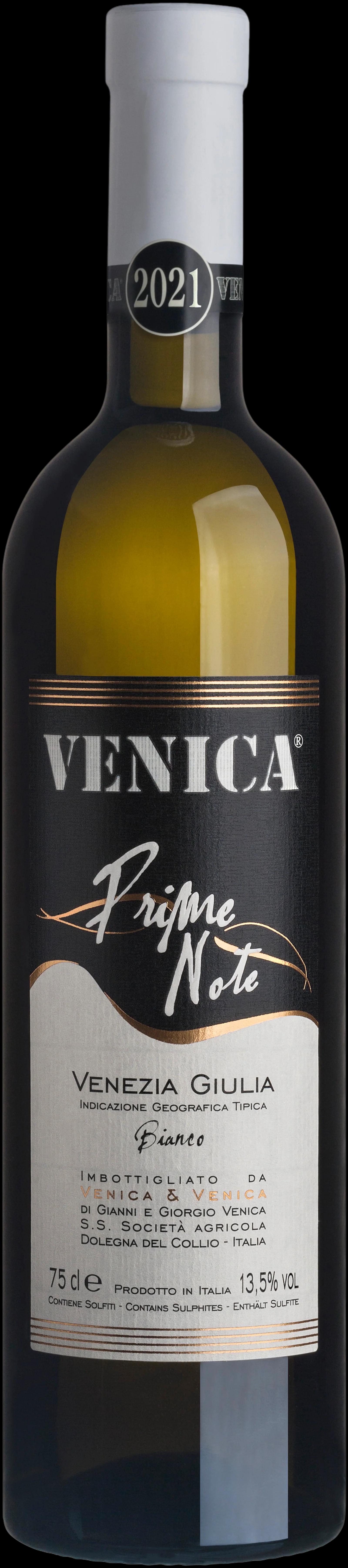
Pinot Bianco is a natural mutation of Pinot Noir and shares its sensitivity to site — small shifts in altitude or soil texture change the wine noticeably. In Trentino-Alto Adige it tends toward high-toned citrus and firm acidity; in Friuli it can fill out considerably, sometimes seeing oak. In Alsace the same grape goes under the name Pinot Blanc and often forms the backbone of a blend. The bottles here come directly from each producer's cellar, with no importer or warehouse in between.

Previous1 of 1Next

Pinot Bianco mixboxes

A producer's mixbox is six bottles chosen by the grower as the recommendation they would make if you came to the cellar door. For a variety like Pinot Bianco, which can sit anywhere from still and bone-dry to a base for sparkling wine, a producer's own selection is often the clearest way to understand how they read the grape. Free Grape Society is a society of producers, independent experts and wine lovers, not a shop.

View all mixboxes

Wineries

The wineries below work with Pinot Bianco in quite different ways — some treat it as an everyday white, others as a grape worth ageing. A producer's own notes are usually the most direct way to understand their approach, and the wine-advice service is there if you would rather talk through the options before choosing.

View all wineries

Wine experts

Pinot Bianco produces fewer headline wines than Pinot Gris or Riesling, which means independent reviews carry real weight. Independent wine experts review wines they have personally tasted, and those reviews appear on each wine page and on the expert's own profile. Several of the experts below have reviewed Pinot Bianco wines featured on this page.

View all wine experts

Frequently asked questions

How do I order Pinot Bianco wines on Free Grape Society?

Browse the wines on this page, add bottles to your cart and check out. Each bottle ships directly from the producer's own cellar to your door. Free shipping is included, and you can pay by Klarna or card. Delivery typically takes between four and fourteen days.

What happens if a bottle arrives broken or doesn't taste right?

Send a photo to Free Grape Society customer support within 7 days of delivery. We will arrange a replacement or a refund. Because producers ship directly, quality issues are handled with the producer's direct involvement. Shared responsibility is built into how FGS works.

Can I order Pinot Bianco from more than one producer in a single order?

Yes. You can add wines from different producers to the same cart. Each producer ships their own bottles separately, so you may receive more than one delivery. Shipping is free regardless of the number of producers involved.

How long does delivery take?

Average delivery is 8 to 9 days from order to door. The full range is 4 to 14 days depending on the producer's location and your delivery address. Wines ship directly from the producer's cellar, not from a central warehouse.

How do I choose between the different Pinot Bianco expressions on this page?

The main lever is origin. Pinot Bianco from the Alto Adige tends to be crisper and more aromatic; from Friuli or Lombardy it can be broader and rounder. Filtering by region and reading the producer's own notes will usually tell you which style suits what you are looking for.

How many Pinot Bianco producers are on Free Grape Society, and how are they chosen?

The producers on this page are independent wineries who have joined Free Grape Society directly. Wines are tasted before listing. Because all producers set their own prices and manage their own profiles, the range reflects genuine diversity rather than a single buyer's selection.

Which Pinot Bianco wine expert can recommend something for me?

The independent wine experts listed on this page have reviewed Pinot Bianco wines personally. Their notes are visible on each wine page and on their own profile. If you would like a direct recommendation, you can submit a question through the wine-advice form and an expert will respond.

Why don't you sell supermarket-brand Pinot Bianco wines?

Free Grape Society works only with independent producers who bottle their own wine. Large-volume supermarket labels are typically produced by industrial wineries or négociants and sold through conventional distribution. The point of the platform is a direct relationship between the grower and the buyer — that does not apply to branded commodity wine.

Is Pinot Bianco available through normal wine retail, and how is this different?

Pinot Bianco does appear in specialist wine shops, but the range is usually limited to a handful of well-distributed labels. On Free Grape Society, you buy directly from the producer, which means access to wines that never reach conventional retail and prices that are not marked up through an import chain.

Where Pinot Bianco comes from and how region shapes it

Pinot Bianco is a white mutation of Pinot Noir, first documented in Burgundy but now grown almost entirely in the Alpine arc stretching from Alsace through Germany and Austria into north-eastern Italy. Its heartland today is Trentino-South Tyrol and Friuli Venezia Giulia, where it goes by the name Pinot Bianco, and Austria, where it is called Weissburgunder and the Niederösterreich and Steiermark regions produce some of the most precise examples in Europe. In Alsace it is grouped under the Pinot Blanc label and often blended, while in Germany it tends to be vinified as a single-variety wine with an emphasis on freshness and mineral texture. The grape's character shifts noticeably with altitude and latitude: higher sites in the Italian Alps yield taut, citrus-driven wines with firm acidity, while lower-lying Lombardy and the Veneto produce rounder, softer styles. What stays consistent is a certain quietness -- Pinot Bianco is not a showy grape. Its appeal is in its balance and its ability to carry a meal from start to finish without demanding attention.

How Pinot Bianco tastes, and what to drink it with

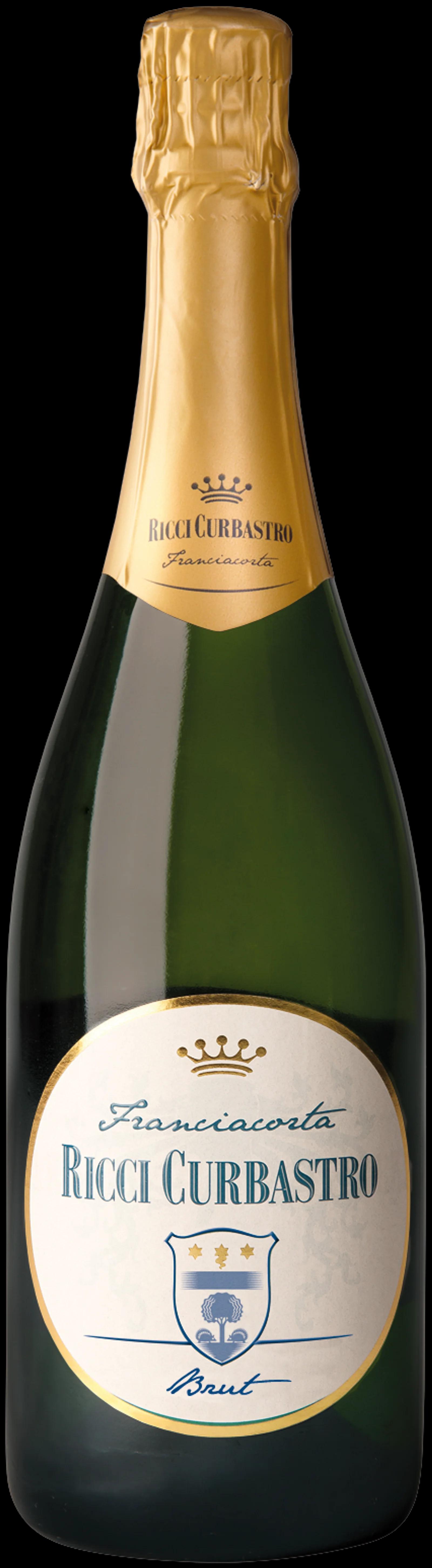
Pinot Bianco tends toward pale straw in the glass, with aromas of white apple, pear, almond, and a faint floral note that is more delicate than, say, Gewürztraminer or Viognier. Acidity is medium to high, body is medium, and the finish is clean and relatively dry. Oak is used sparingly by most growers -- those who do use it tend toward large old casks that add texture without dominating the fruit. At the table, it is one of the more versatile white grapes around: it works with lighter fish dishes, risotto, soft cheeses, white asparagus, and the kind of food that would overwhelm a richer Chardonnay. Producers in Friuli Venezia Giulia and Trentino-South Tyrol often note that it is their go-to recommendation for guests who find white Burgundy too bold or Pinot Grigio too neutral -- Pinot Bianco sits usefully between the two. For sparkling versions, the grape also appears in Lombardy's Franciacorta and in various traditional-method wines across Austria, where its natural acidity supports long ageing on lees.

Buying Pinot Bianco direct from independent producers

Most of the Pinot Bianco sold in supermarkets and large retail chains comes from high-yield production designed for consistent, inexpensive volume rather than site expression. The producers on Free Grape Society work differently: they grow the grape at lower yields, bottle under their own label, and ship directly from their own cellar -- with no importer or warehouse in between. That direct route means the wine arrives in the same condition it left the producer, and it means the price reflects what the grower actually charges rather than a stack of intermediary margins. The range here spans still and sparkling styles, from the mineral, age-worthy Weissburgunder of Niederösterreich and Steiermark to the softer, food-friendly Pinot Bianco of Friuli Venezia Giulia and the structured examples from Trentino-South Tyrol. Wines are tasted before listing. Free Grape Society is a society of producers, independent experts and wine lovers, not a shop -- if you want a recommendation before choosing, independent wine experts are available to help.