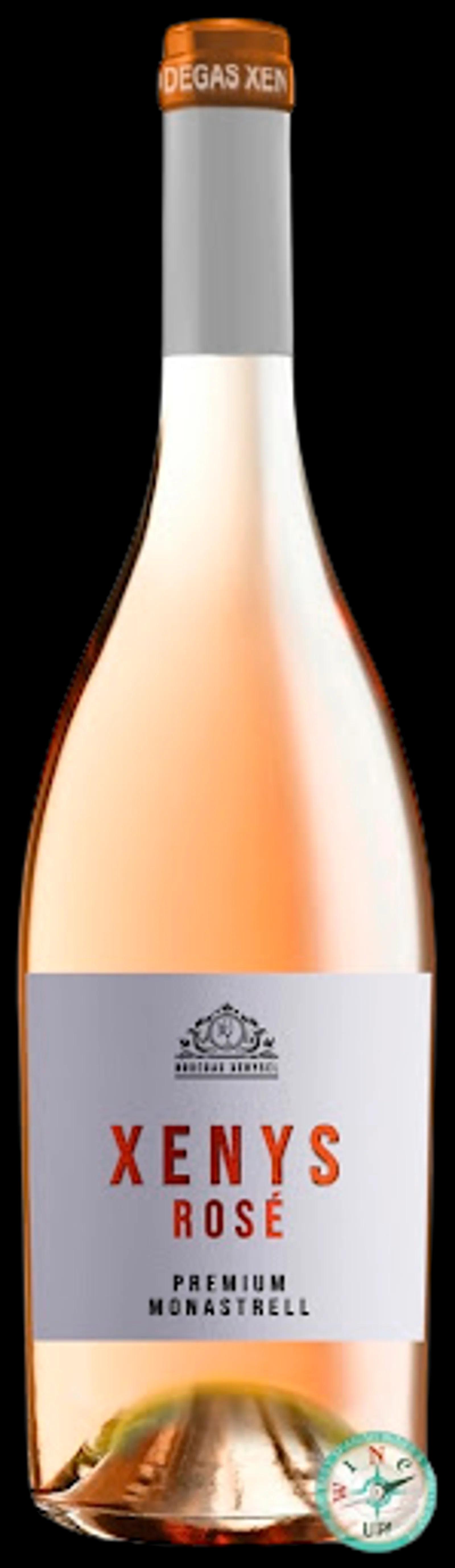
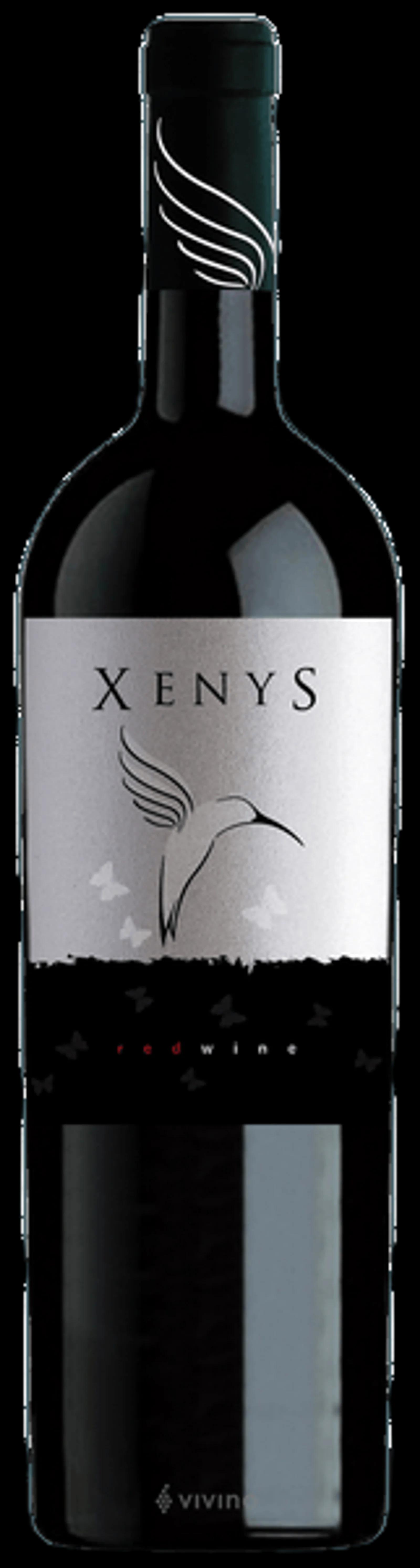
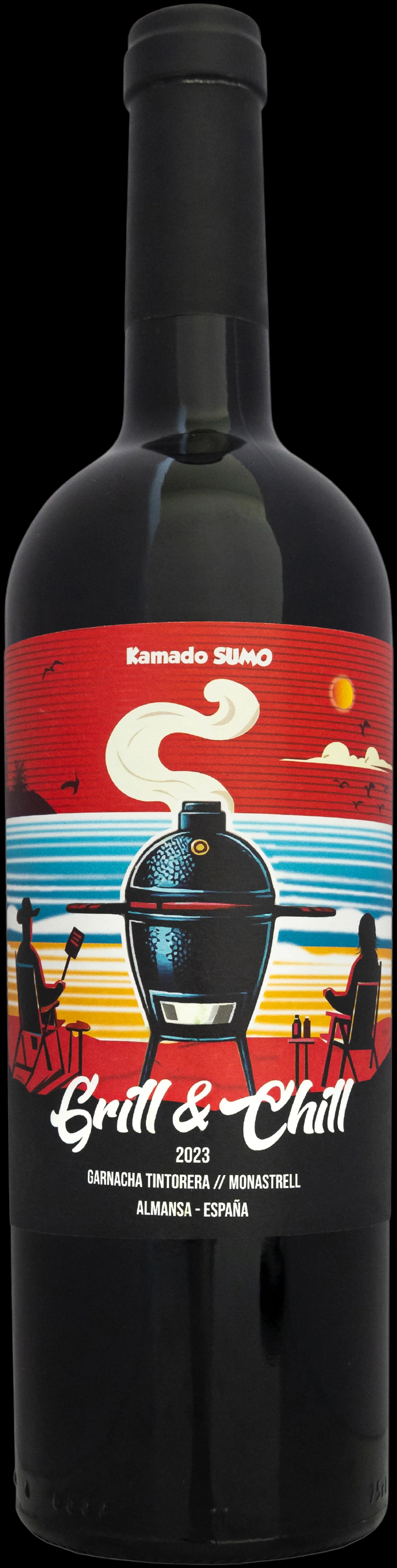
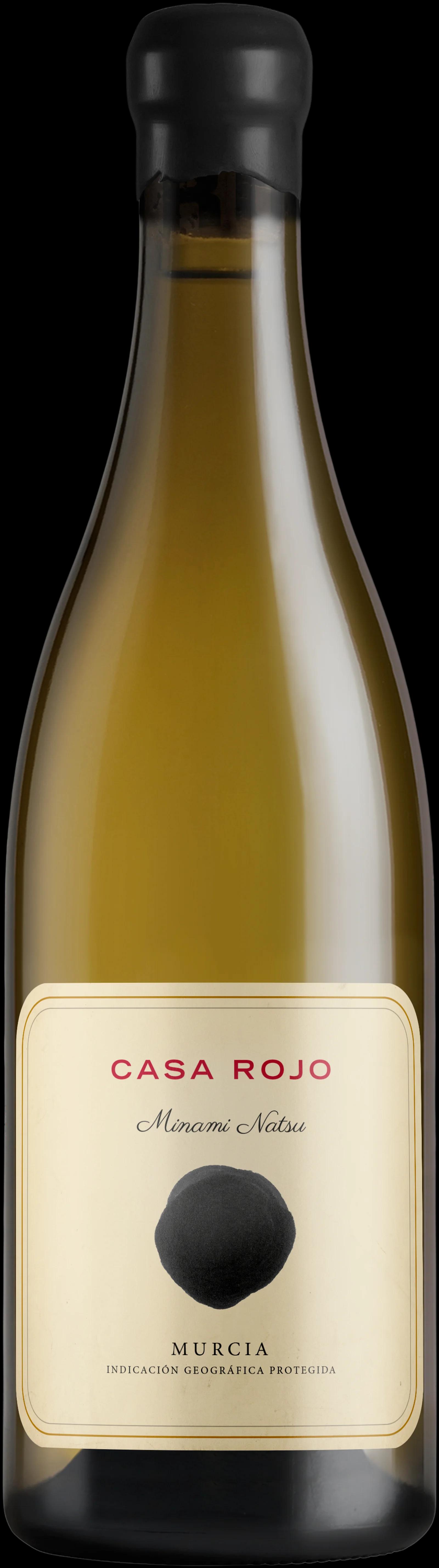
Monastrell — bold reds from Spain's sun-baked interior, direct from the cellar

Monastrell wines from estate-bottling Spanish producers. Direct from the cellar, no middlemen.
Thick-skinned, high-alcohol, and built to age. From Jumilla to Alicante.

Color

Dropdown arrow

Type

Dropdown arrow

Country

Dropdown arrow

Region

Dropdown arrow

Grape

Dropdown arrow

Pairing

Dropdown arrow

Sort by

Sort arrow
Monastrell

Monastrell wines

Monastrell is the same grape as France's Mourvèdre, but it behaves differently at home. In Jumilla and Yecla, vineyards sit above 700 metres, and the continental climate produces fruit with thick skins and concentrated tannin. The grape is one of the few varieties that tolerates prolonged summer drought without irrigation. Wines range from dense, oak-aged reds to fresher, lower-intervention styles from producers who bottle under their own name and ship from their own cellar.

Previous1 of 1Next

Monastrell mixboxes

A mixbox on Free Grape Society is six bottles from one producer. On a Monastrell page, between three and six of those six bottles are Monastrell. The remaining bottles, if any, are wines the producer chose to give context to the grape within their own range. When a producer works exclusively with Monastrell, the entire box can be Monastrell. The producer composes the box. No buyer selects across estates.

Wine experts

Producers who specialize in Monastrell tend to work in regions that mainstream European wine distribution has historically underserved. Jumilla, Yecla, and Alicante built export reputations largely on bulk wine before a generation of growers chose to bottle under their own names instead. Those are the producers you find here. Growers who control their own production and set their own prices, without a wholesaler in the middle.

Monastrell producers

Independent wine experts on Free Grape Society rate and review wines they have personally tasted. Their reviews appear on the wine page and on the expert's own profile. Several of the experts listed below have reviewed Monastrell wines featured on this page. An expert review reflects the individual's palate and knowledge, not a platform editorial position. Experts do not determine which wines are listed.

Frequently asked questions

How do I order Monastrell wines on Free Grape Society?

Browse the wines on this page and add bottles to your cart. Each listing shows the producer, appellation, and vintage. You pay once at checkout. Wines ship directly from the producer's cellar. No account is required to browse, and delivery covers most of Europe.

What happens if a bottle arrives broken or doesn't taste right?

Send a photo to Free Grape Society customer support within 7 days of delivery. We will arrange a replacement or a refund. Because producers ship directly, quality issues are handled with the producer's direct involvement. Shared responsibility is built into how FGS works.

Can I order Monastrell wines from more than one producer in the same order?

Yes. You can add wines from several producers to the same cart and check out in one transaction. Because each producer ships from their own cellar, you may receive separate deliveries. The order confirmation will show which producers are fulfilling which bottles.

How long does delivery take?

Average delivery is 8 to 9 days from order to door. The full range is 4 to 14 days depending on the producer's location and your delivery address. Wines ship directly from the producer's cellar, not from a central warehouse.

How does Free Grape Society decide which Monastrell wines to list?

Every wine on Free Grape Society is tasted by our Head of Product before it goes live. Producers send samples, and only wines that pass the quality review are listed. Independent wine experts also rate and review individual wines on the platform. No producer pays for placement.

What style of Monastrell should I look for if I want something more approachable?

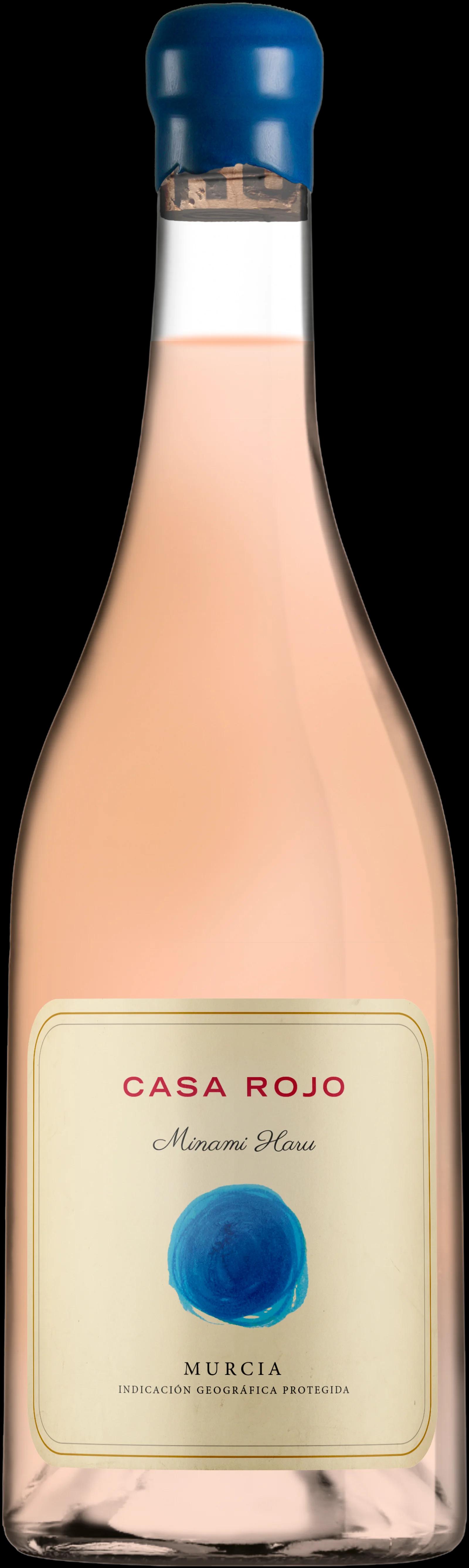
Look for Monastrell labelled under Alicante DO or younger-vintage Jumilla without extended oak ageing. Producers making lower-intervention styles tend to note shorter maceration and no new oak on the label or tech sheet. Rosé made from Monastrell is also worth exploring — the grape's deep pigment makes structured, food-relevant rosé.

Which wine expert can recommend a Monastrell for me?

Monastrell-specific expertise is uncommon as a standalone speciality. Look for experts on Free Grape Society who list Spain, Murcia, or Levante as regional focus areas — they are most likely to have tasted and reviewed the Monastrell wines featured on this page. Their reviews are visible on each wine listing.

Why doesn't Free Grape Society sell Monastrell from supermarket brands?

Supermarket Monastrell is typically bought in bulk from cooperatives, blended to a house style, and branded at the importer level. The producers on Free Grape Society grow their own fruit, make their own wine, and ship from their own cellar. That is a structurally different product, not just a different label.

How does Monastrell on Free Grape Society differ from what is broadly available in retail?

Most retail Monastrell reaches shelves through importers and wholesalers who buy at volume. The wines on Free Grape Society come from estate-bottling producers who sell directly, which means smaller production runs and no margin stacked across distribution layers. These are wines retail buyers rarely have access to.

Where Monastrell grows and why it matters

Monastrell is the dominant red grape of southeastern Spain, concentrated in Murcia, Castilla La Mancha, and Catalonia. The variety is adapted to extreme continental heat and low rainfall, which allows it to ripen fully without irrigation in soils that would stress most other varieties. In Murcia, the denominaciones of Jumilla, Yecla, and Bullas have built their entire identity around it. Across the border in France, the same grape is called Mourvèdre, where it appears as a blending component in the southern Rhône Valley and in Languedoc-Roussillon. In Spain, Monastrell is nearly always bottled as a varietal wine, which makes the grape itself easier to study. Plantings in Murcia and Castilla La Mancha account for the large majority of global production, with much smaller areas in Aragon and Andalusia. The grape's thick skins produce wines with pronounced tannin, deep colour, and elevated alcohol when harvested late. Producers who harvest earlier trade concentration for freshness and lower extraction, a trade-off worth understanding before choosing a bottle.

The taste profile of Monastrell

Monastrell produces wines built around dark fruit: blackberry, black plum, and dried fig. The aromatic register often includes notes of garrigue, black pepper, and tobacco. High natural sugar content in fully ripe Monastrell translates to higher alcohol than most European reds, frequently in the range of 14 to 15.5 percent. Tannins are firm but rarely aggressive when the fruit concentration matches them. In cooler microclimates and with restrained extraction, the wines can show a freshness that counters the stereotype of overripe, jammy southern Spanish reds. Monastrell aged in oak develops secondary complexity: leather, dried flowers, and roasted spice sit alongside the core fruit. The grape is structurally related to Grenache, which shares the southern Mediterranean preference for heat, though Grenache tends toward higher brightness and lower tannin. Producers who work with Monastrell in blends often pair it with Syrah to add aromatic precision, or with Tempranillo to moderate the alcohol. Growers who control their own production and bottle under their own name have the most freedom to choose harvest date and extraction level, which is where stylistic differences between estates become most visible. No importer, no wholesaler. The price you see on Free Grape Society is the price the producer agreed to.

How Monastrell is vinified

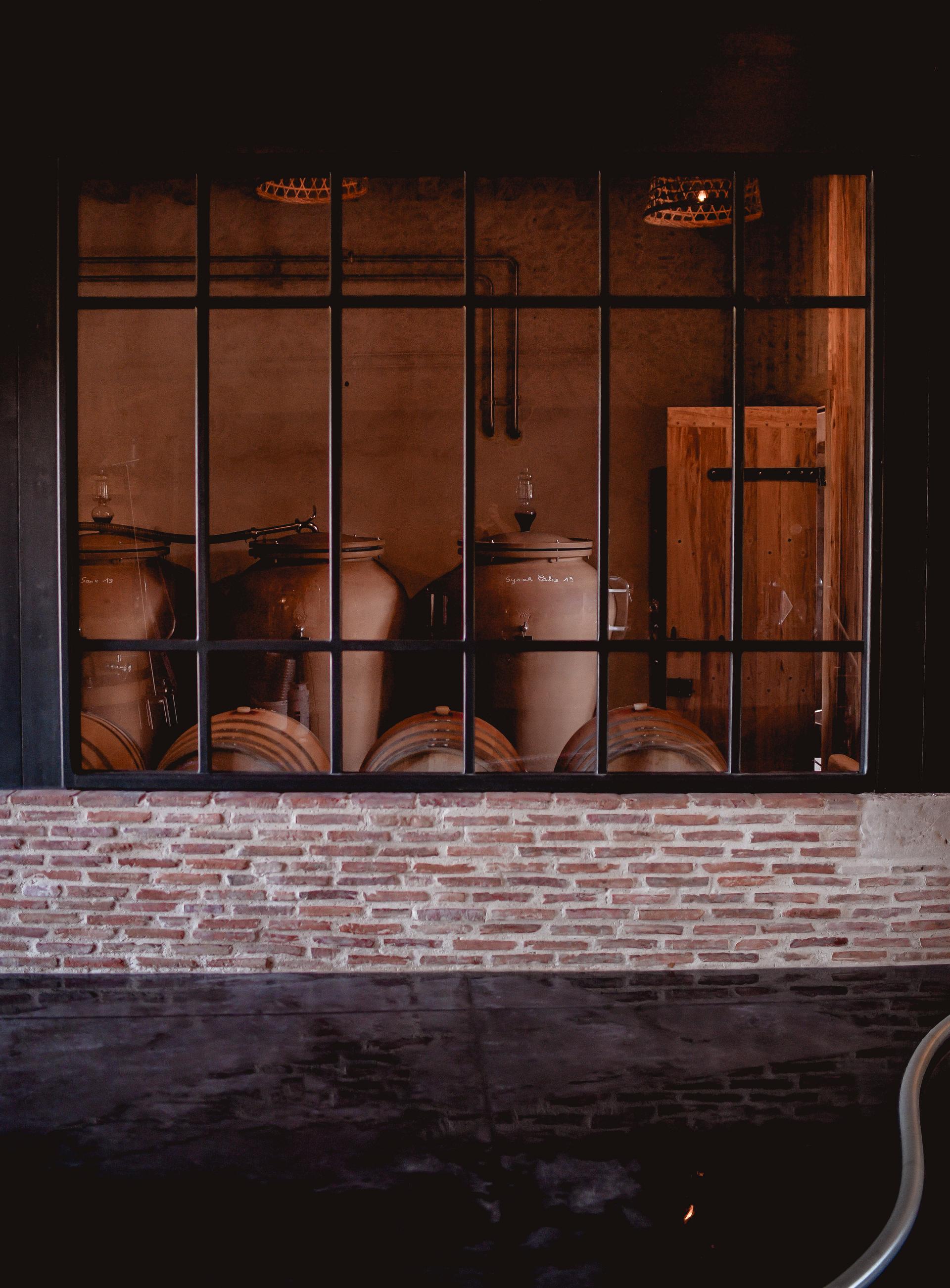
Monastrell's thick skins and high sugar content give producers significant decisions to make during vinification. Whole-bunch fermentation is used by some estates to preserve freshness and add structural complexity without extracting harsh tannin. Others work with destemmed fruit and extended maceration to maximise colour and extract. In Jumilla, where the climate is among the most extreme in Spain, some producers use cold stabilisation or early harvest to retain acidity. Oak ageing is common, with both French and American barrels used depending on whether the producer wants to add vanilla and coconut notes or preserve a more mineral profile. A smaller number of estates in Murcia have moved toward amphora or concrete vessel ageing to express site character without the flavour influence of wood. Monastrell is also used for dry rosé production, particularly in Murcia, where the thick skins provide extraction of colour in short maceration without building full tannin. Wines from estate-bottled producers who control their own fermentation and ageing show the clearest distinction of site and intent. For comparison, Garnacha and Mencía represent contrasting approaches to Spanish red winemaking with different structural profiles. Producers on Free Grape Society are quality-vetted before going live, with every wine tasted by our Head of Product before listing.