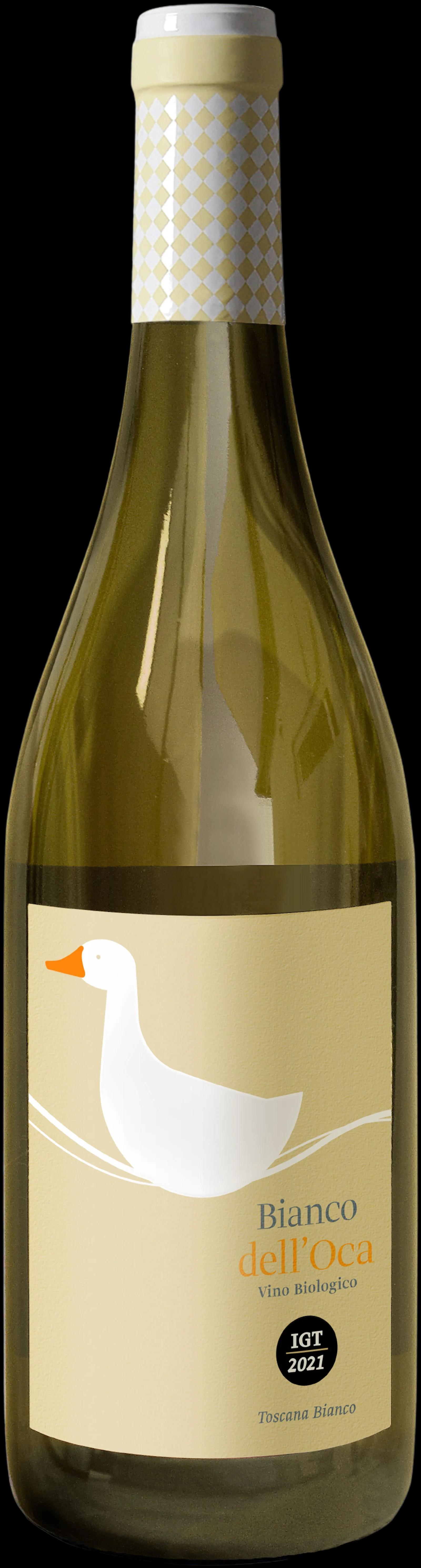
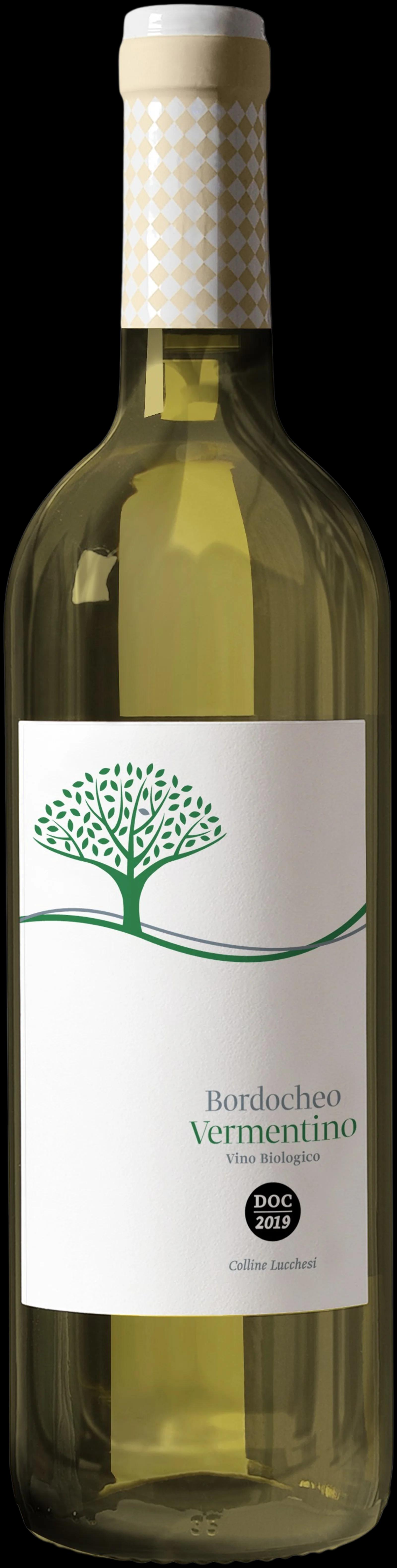
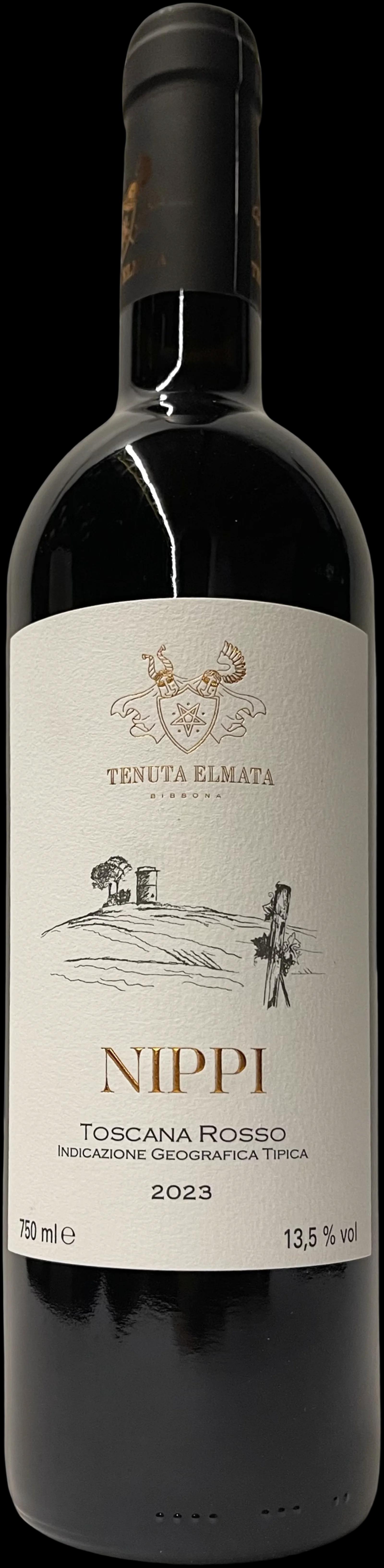
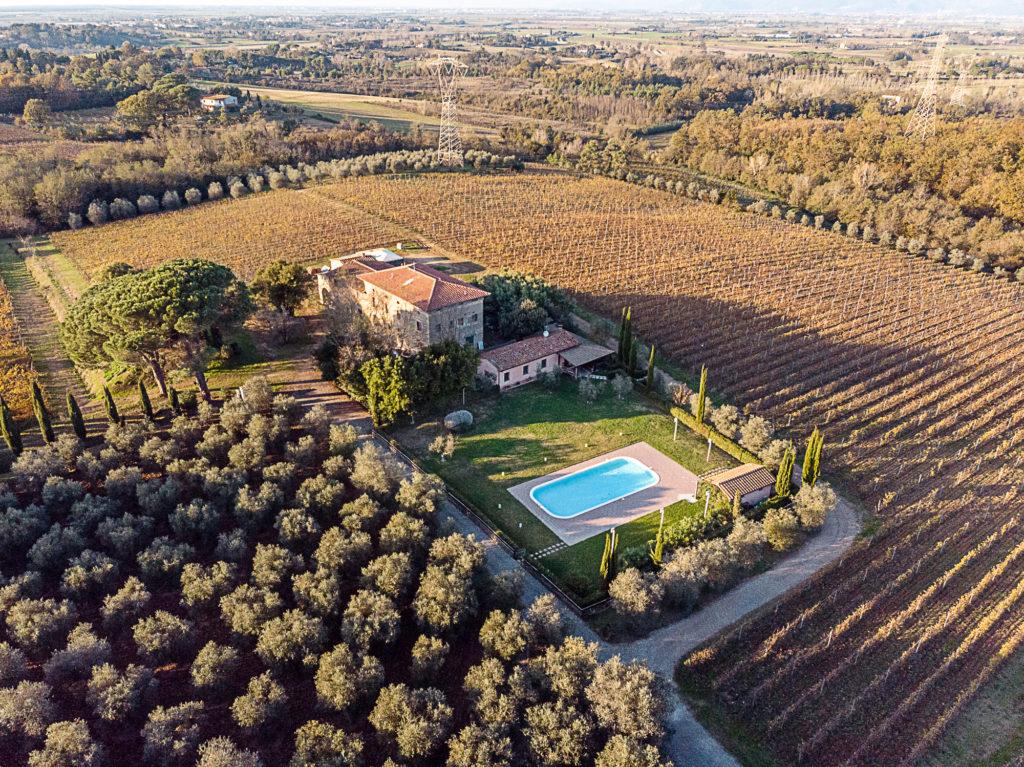

Tuscan wines from independent estates, direct from the cellar

Tuscan wines from independent estates. Every wine tasted before listing. No industrial labels, no wholesale chains.

Sangiovese-led reds, native whites, and producers who still decide what goes in the bottle.

Color

Dropdown arrow

Type

Dropdown arrow

Country

Dropdown arrow

Region (1)

Dropdown arrow

Grape

Dropdown arrow

Pairing

Dropdown arrow

Sort by

Sort arrow
Toscana

Tuscan wines

Tuscany contains more than a dozen DOC and DOCG appellations, but three dominate the conversation: Chianti Classico, Brunello di Montalcino, and Bolgheri. Sangiovese is the backbone of most of them. In Brunello di Montalcino, it is the only permitted variety, grown at elevations between 250 and 600 metres above sea level. The estates on this page ship directly from their cellar. No importer margin, no warehouse stop in between.

Previous2 of 2Next

Tuscan producers

Tuscany's producer landscape splits sharply between large commercial operations and small family estates that still farm their own vineyards. The producers listed here fall into the second category. Pris satt av producenten. Bottles ship from the cellar. No buyer with quarterly targets decided what is here. The producer chose to be on Free Grape Society and set their own price. That is the structural difference between this page and a retail shelf.

Tuscan sample boxes

A mixbox on Free Grape Society always contains exactly 6 bottles, all from one Tuscan producer, composed by the producer as their own recommendation. Not a buyer's selection assembled from multiple estates. If the producer makes both a Chianti Classico and a Vermentino, they decide how those 6 bottles are split. That decision stays with the cellar, not with a purchasing department.

Wine experts

Independent wine experts on Free Grape Society rate and review wines they have personally tasted. Their reviews appear on the wine page and on each expert's profile. Several of the experts below have reviewed Tuscan wines featured on this page. You can browse their track records, see which appellations they cover most, and ask for a recommendation directly.

Frequently asked questions

How do I order a Tuscan mixbox on Free Grape Society?

Browse the mixboxes below and click through to the producer's listing. Each box contains exactly 6 bottles from one producer. Add to cart and check out. The box ships directly from the producer's cellar in Tuscany to your delivery address. No account is required to browse.

What happens if a bottle arrives broken or doesn't taste right?

Send a photo to Free Grape Society customer support within 7 days of delivery. We will arrange a replacement or a refund. Because producers ship directly, quality issues are handled with the producer's direct involvement. Shared responsibility is built into how FGS works.

Can I choose which wines go into my Tuscan mixbox?

No. Each mixbox is composed by the producer themselves. The selection is their own recommendation, often combining a flagship wine with a different vintage or a secondary label. That composition is fixed. If you want to build your own selection, browse the individual Tuscan wines instead.

How long does delivery take?

Average delivery is 8 to 9 days from order to door. The full range is 4 to 14 days depending on the producer's location and your delivery address. Wines ship directly from the producer's cellar, not from a central warehouse.

How are the Tuscan producers in these mixboxes chosen?

Every producer on Free Grape Society was quality-vetted before listing. Samples are sent to our Head of Product, who tastes every wine before it goes live. No producer pays for placement. Independent wine experts also rate and review individual wines on the platform, and those reviews are publicly visible.

Are these mixboxes from well-known Tuscan appellations like Chianti or Brunello?

Some are, some are not. The boxes come from producers working across Tuscany's appellations, including Chianti Classico, Montalcino, Montepulciano, Maremma, and Bolgheri. Several producers work in less prominent DOC zones where the wines rarely reach conventional retail distribution.

Which Tuscan wine expert can recommend something for me?

Several wine experts on Free Grape Society have reviewed Tuscan wines. Browse the expert profiles in the section below to find one whose speciality matches what you are looking for. You can message any expert directly and ask for a recommendation based on your preferences and budget.

Why are Tuscan mixboxes always 6 bottles from one producer?

Six bottles, always from one producer, always composed by that producer. That is the format on Free Grape Society. It means the selection reflects the producer's own view of their range, not a buyer's opinion of what sells. A mixed box from multiple estates is a different product with a different logic.

Are these Tuscan wines available at retail or in supermarkets?

Most are not. Producers who ship directly tend to work in smaller volumes than retail distribution requires. Supermarket-grade Tuscan wine is made to a different price point and distributed through wholesale chains. The estates on Free Grape Society have chosen a direct model specifically because it fits their scale and margin.

Appellations and grapes of Tuscany

Tuscany has more DOC and DOCG designations than any other Italian region — 41 in total. The most recognised is Chianti Classico, where Sangiovese must account for at least 80% of the blend. In Brunello di Montalcino, Sangiovese is the only permitted variety and is referred to locally as Brunello. Vino Nobile di Montepulciano uses a local Sangiovese clone called Prugnolo Gentile. Bolgheri, on the Tyrrhenian coast, follows a different logic entirely: it is the home of Sassicaia and the so-called Super Tuscans, where Cabernet Sauvignon and Merlot dominate. These coastal reds are not classified under the traditional Tuscan appellation hierarchy — several were originally labelled as simple Vino da Tavola because they fell outside DOC rules. Vernaccia di San Gimignano holds the distinction of being the first Italian wine to receive DOC status, in 1966. It remains one of the few Tuscan whites with its own designated appellation, made from the indigenous Vernaccia grape grown on the sandy, mineral-rich soils around San Gimignano. Altitude plays a significant role in Tuscan viticulture. Vineyards in Chianti Classico sit between 250 and 600 metres above sea level; the elevation moderates summer heat and extends the growing season, which affects both acidity and phenolic development in Sangiovese.

Winemaking traditions and producer profiles in Tuscany

Tuscan producers range from centuries-old family estates to first-generation winemakers who moved into the region in the 1970s and 1980s. The latter group often brought international grape varieties with them, which led directly to the Super Tuscan movement. That history matters when reading a producer's label: a wine labelled IGT Toscana can be anything from an experimental natural wine to a Cabernet Sauvignon-dominant blend that does not qualify for a DOC classification. The Consorzio Chianti Classico introduced the Gran Selezione tier in 2014. It requires single-vineyard sourcing or a selection of the estate's best lots, and a minimum of 30 months of ageing. It is the youngest tier in the Chianti Classico pyramid and remains contested among producers in terms of how consistently it signals quality. Many of the independent producers on Free Grape Society's Italy listings operate on a smaller scale than the names found in supermarkets. That is not incidental. Wines from large industrial co-operatives are built for volume distribution. They require importers, wholesalers, and a shelf presence that depends on margin at every step. Independent estates with under 50,000 bottles per year rarely fit that model. That is exactly why they are here instead. No importer, no wholesaler. The price you see is the price the producer agreed to.

How Tuscan producers are listed on Free Grape Society

Free Grape Society is not a shop that buys wine and resells it. Producers list their own wines, set their own prices, and ship directly from their cellar. This is not a cosmetic distinction. A bottle of wine normally changes hands three times before it reaches you — producer to importer, importer to wholesaler, wholesaler to retailer. Here it changes hands once. Quality vetting happens before any wine goes live on the platform. Producers send samples; every sample is tasted by our Head of Product before the listing is approved. Independent wine experts Rate & Review individual wines on the platform — those reviews are visible on each wine page and on the expert's profile. Experts do not select which wines are listed. They review wines they have personally tasted, and those reviews are part of what makes a listing useful. The producers represented in Tuscany mixboxes compose their own boxes — six bottles, always from one estate, representing the producer's own recommendation for how to encounter their range. That format is intentional. It keeps the editorial decision with the person who made the wine. Readers who want to go further into Italian producers outside Tuscany can browse Piedmont, Umbria, Veneto, or the full Italian wineries listing.