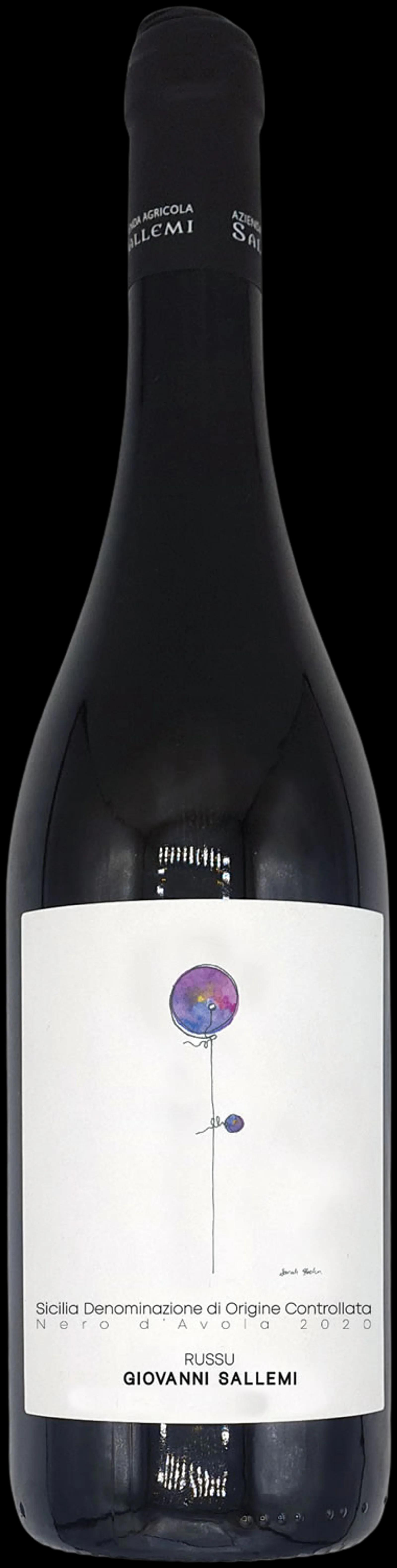
Nero d'Avola from Sicily — Italy's sun-driven red

Nero d'Avola grown in Sicily, direct from the producer. A native variety rarely found outside southern Italy.

Single-estate bottles from the grape's home island.

Color

Dropdown arrow

Type

Dropdown arrow

Country (1)

Dropdown arrow

Region

Dropdown arrow

Grape (1)

Dropdown arrow

Pairing

Dropdown arrow

Sort by

Sort arrow
Italy
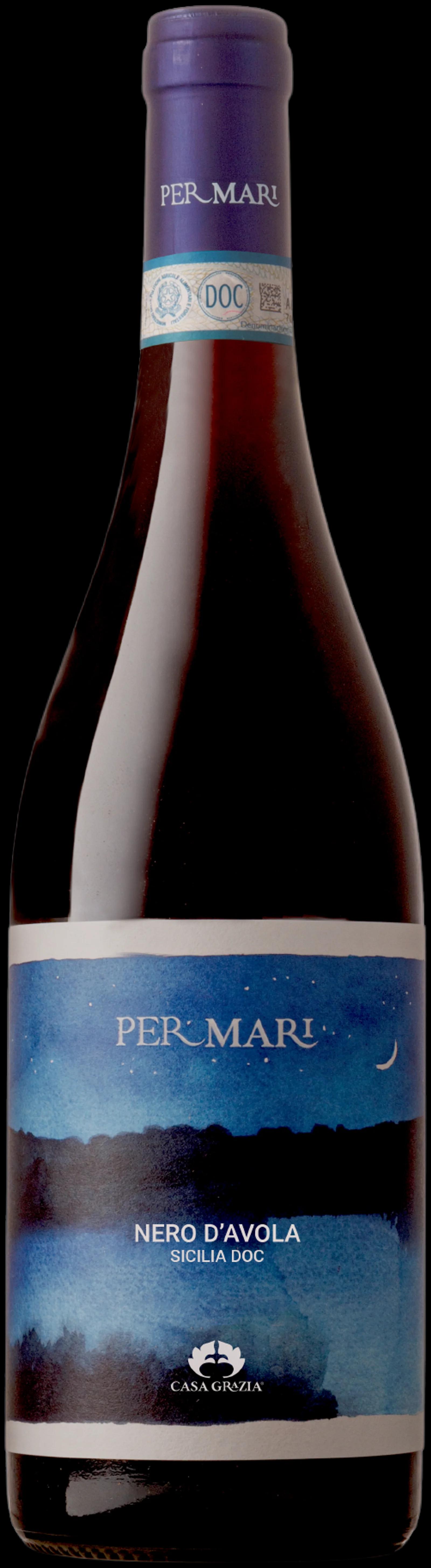
Nero d'Avola

Nero d'Avola from Italy

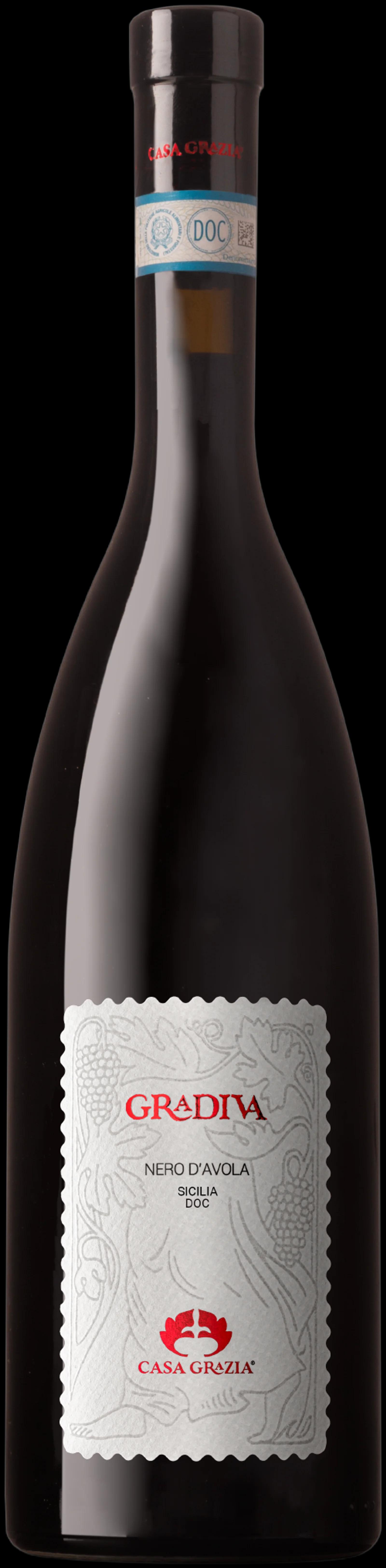
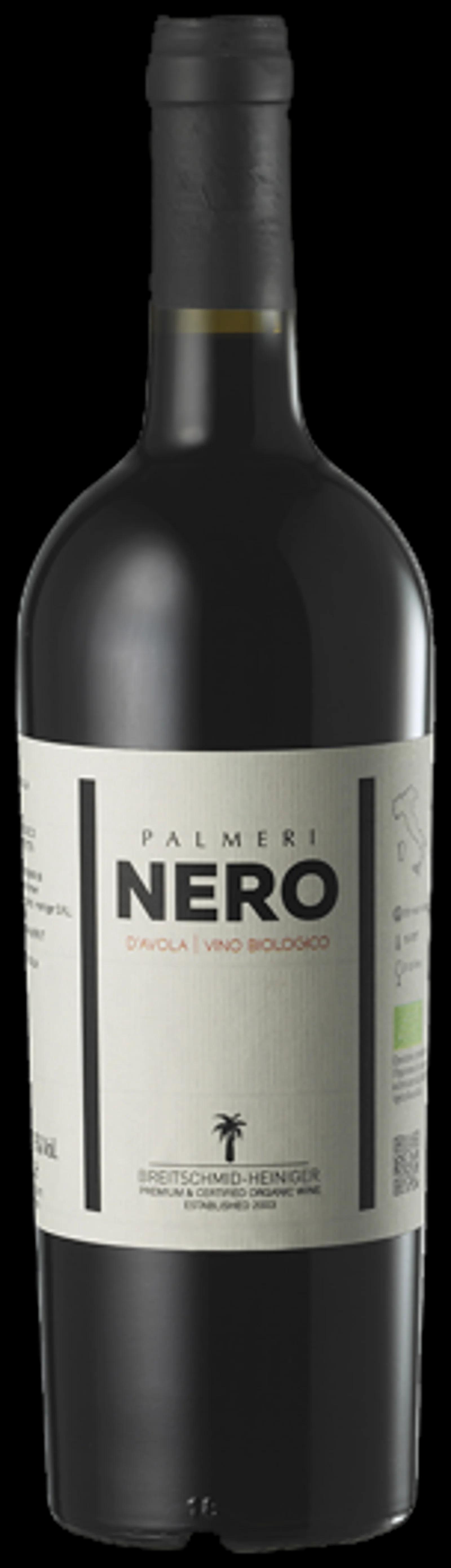
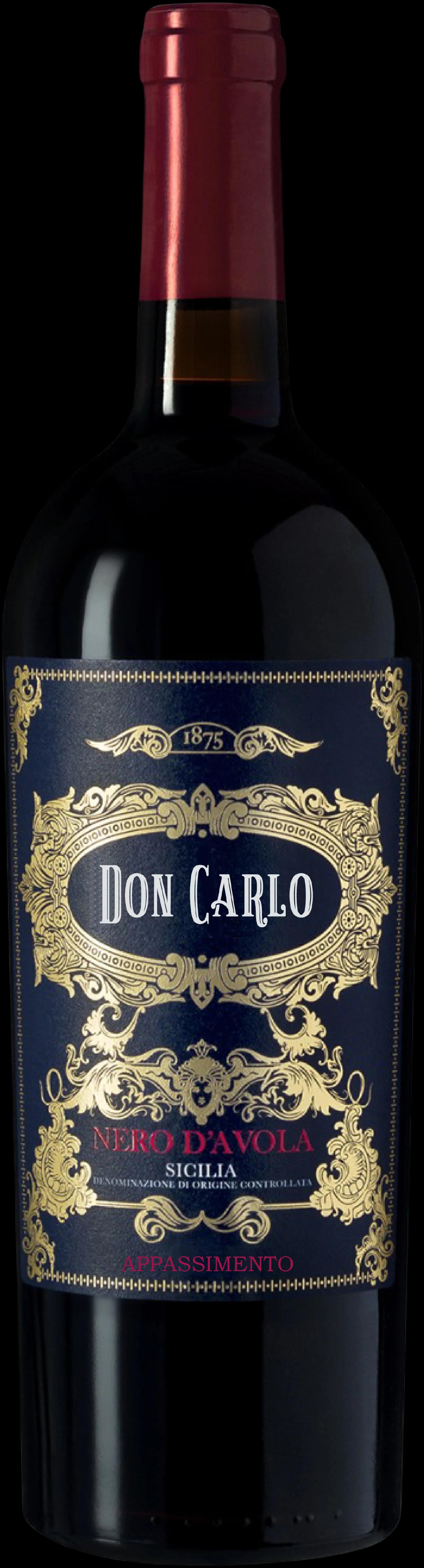
Nero d'Avola is native to southeastern Sicily, where it has been cultivated for centuries around the town of Avola in the Syracuse province. The variety ripens late and tolerates drought stress well, which gives it naturally high sugar accumulation and deep color. On the island's volcanic and calcareous soils, it produces wines with firm tannins and dark fruit concentration that rarely drops below 13.5% ABV in warm vintages. Styles range from young, fruit-forward single-varietals to barrel-aged blends with Syrah or Cabernet Franc. Outside Sicily, Nero d'Avola is planted in only marginal quantities on the Italian mainland.

Previous1 of 1Next

Frequently asked questions

How do I order Nero d'Avola from Italy on Free Grape Society?

Browse the wines listed on this page and add bottles to your cart. Each listing shows the producer, their region in Sicily, and the vintage. You check out once. The wine ships directly from the producer's cellar to your delivery address. No account is required to browse.

What happens if a bottle arrives broken or doesn't taste right?

Send a photo to Free Grape Society customer support within 7 days of delivery. We will arrange a replacement or a refund. Because producers ship directly, quality issues are handled with the producer's direct involvement. Shared responsibility is built into how FGS works.

Can I order multiple Nero d'Avola bottles from different Sicilian producers in one order?

Yes. You can add wines from several producers in a single checkout. Because each producer ships from their own cellar, you may receive separate deliveries from the same order. The total shipping cost is shown at checkout before you confirm.

How long does delivery take?

Average delivery is 8 to 9 days from order to door. The full range is 4 to 14 days depending on the producer's location and your delivery address. Wines ship directly from the producer's cellar, not from a central warehouse.

How do I tell Sicilian Nero d'Avola styles apart before buying?

Check the ABV, aging method, and any blend information on the listing. Unoaked, single-varietal Nero d'Avola at around 13.5% tends toward fresh dark fruit and moderate tannin. Barrel-aged versions, especially those blended with Syrah, carry more structure and extract. Producer notes on each listing clarify the approach.

Does Nero d'Avola grow anywhere in Italy outside Sicily?

In small quantities on the Italian mainland, but Sicily accounts for nearly all serious production. The grape's heat tolerance and late ripening are well suited to Sicily's climate. Attempts to establish it in Calabria or Campania exist but remain marginal. The wines listed here come from Sicilian producers.

Which wine expert on Free Grape Society can recommend a Nero d'Avola for me?

Several experts on Free Grape Society have reviewed Italian red wines, including Sicilian Nero d'Avola. Browse the expert profiles on the platform to find someone whose focus matches southern Italian varieties. You can message any expert directly with a question about a specific producer or style.

Why don't you carry Nero d'Avola from every Sicilian producer?

Every wine on Free Grape Society is tasted by our Head of Product before listing. Not every producer who applies meets the quality threshold. The producers listed here chose to participate on their own terms. No producer pays for placement, and no producer is listed by default.

Is Nero d'Avola available at Systembolaget, or is this something different?

Systembolaget carries a handful of Nero d'Avola labels, mostly from larger cooperative producers or negociant bottlings built for retail volume. The estates on Free Grape Society tend to produce in smaller quantities and ship directly from their cellar. Most of these bottles are not in the Systembolaget range.

Nero d'Avola in Sicily — what the soil and climate actually do

Nero d'Avola is one of the few red grapes in the world that developed in conditions extreme enough to make most varieties unviable. The southeastern corner of Sicily — particularly the area around Noto and Pachino — sits at a latitude where summer temperatures regularly exceed 35°C and rainfall during the growing season is minimal. The grape adapted to this by developing unusually thick skins, which accounts for both its deep pigmentation and its high tannin content. On calcareous clay soils, the result is a wine with substantial structure and dark fruit character. On sandier soils closer to the coast, the same grape produces something rounder and less tannic — same variety, measurably different wine. Altitude also matters: producers farming at 400–600 metres in the interior of Sicily work with lower night temperatures that preserve acidity, resulting in wines with more definition than those grown on the coastal plains. Nero d'Avola planted above 500 metres ripens 2–3 weeks later than the same variety at sea level — a difference that shows clearly in the final structure.

How Italian Nero d'Avola compares to other southern Italian reds

Nero d'Avola is often grouped with other southern Italian red winesPrimitivo, Negroamaro, Aglianico — but the comparison is less straightforward than the geography suggests. Primitivo and Negroamaro are Apulian varieties; Aglianico is Campanian. Nero d'Avola is Sicilian and, unlike those varieties, it is almost entirely confined to the island. It has no significant presence in mainland Italy. Structurally, Nero d'Avola sits between the dense heat-driven weight of Primitivo and the leaner acid-driven profile of Aglianico. At its best — single-estate, lower-yield farming, no over-extraction — it produces wines with 13.5–15% alcohol, firm tannins, and enough acidity to age. Many producers in Sicily now vinify it without extended maceration to avoid the jammy profile that defined the export style in the 1990s and early 2000s. The shift toward earlier picking and shorter skin contact has produced a generation of Nero d'Avola wines that are structurally more precise than earlier iterations of the variety. Producers on Free Grape Society working with this grape tend to be single-estate operations — no blending across appellations, no industrial volume. No importer, no wholesaler. The price you see is the price the producer agreed to.

Styles of Nero d'Avola from Italy — and what drives the variation

Nero d'Avola is not a single style. Three main production variables determine what ends up in the bottle. First, winemaking approach: extended maceration and new oak aging produces the fuller, more tannic, internationally legible style — higher extraction, darker colour, longer finish. Minimal intervention, concrete or large old wood, shorter skin contact produces something more transparent and site-specific. Second, blend versus varietal: some Sicilian producers blend Nero d'Avola with Nerello Mascalese or Syrah to moderate tannin or add aromatic complexity. Varietal bottlings show the grape unmediated. Third, appellation: the DOC Eloro (Pachino subzone) represents the most geographically specific expression of Nero d'Avola — the Pachino peninsula has some of the oldest vine material on the island and a distinct microclimate shaped by proximity to the sea. Outside appellation boundaries, the category is broader. Italian wines from Sicily span all three of these production approaches, and the price range reflects that variation as much as quality level. For context on how Sicily fits within Italian red wine geography, the Italy page and the Sangiovese page offer adjacent reference points on how different Italian regions define red wine style. The Nebbiolo page covers the northern Italian structural counterpoint to what Nero d'Avola does in the south.