





Rivaner: a light, aromatic white grown across Luxembourg, Germany and Moravia

Rivaner wine — known as Müller-Thurgau in Germany — is one of Europe's most widely planted white grapes, producing fresh, aromatic wines with low acidity and soft floral character. The independent producers below grow it from the Moselle valley to the vineyards of Moravia.

Early-ripening and expressive in cool climates, from family estates that bottle their own.

Color

Dropdown arrow

Type

Dropdown arrow

Country

Dropdown arrow

Region

Dropdown arrow

Grape

Dropdown arrow

Pairing

Dropdown arrow

Sort by

Sort arrow
Rivaner

Rivaner wines

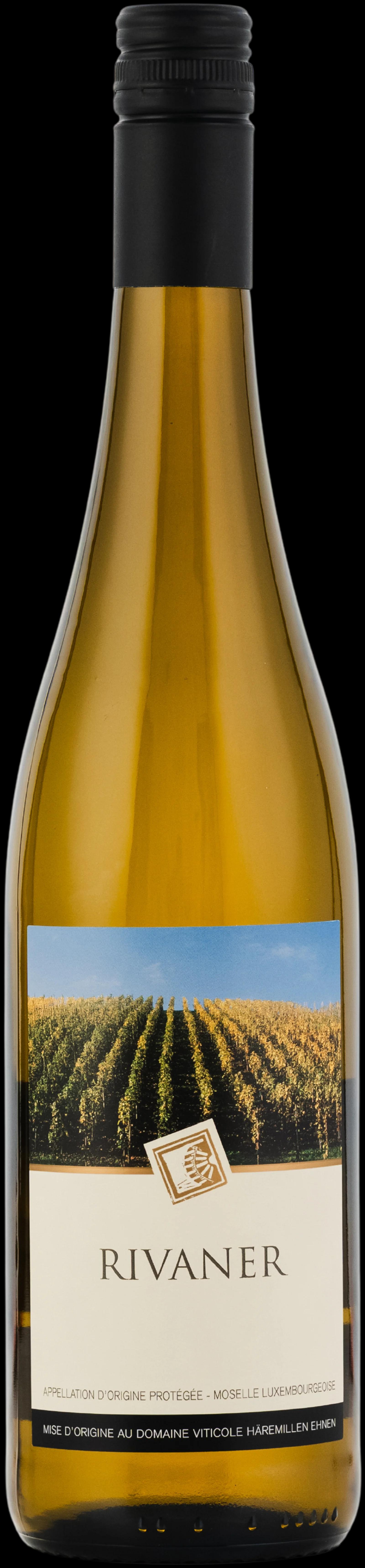
Rivaner is a cross of Riesling and Madeleine Royale, bred in the late nineteenth century and planted widely across central Europe because it buds early and ripens reliably in cool conditions. In Luxembourg's Moselle valley it is the most-grown variety; in Germany it is still widely planted in Rheinhessen and Baden, though Riesling has reclaimed ground. The wines are typically pale, light-bodied and gently aromatic — elderflower, peach, mild herb — and are best drunk young, close to harvest. On Free Grape Society, each bottle ships directly from the grower's own cellar, with no importer or warehouse in between.

Previous1 of 1Next

Rivaner wine cases

A Rivaner wine case is a producer's own selection of six bottles, put together as the recommendation they would make if you came to their door. For a grape grown so differently across Luxembourg, Germany and Moravia, a case is often the most direct way to understand what one estate does with it — whether that is a dry, mineral Moselle style or something rounder and fruit-forward from further east. Free Grape Society is a society of producers, independent experts and wine lovers, not a shop.

View all mixboxes

Wineries

The growers working with Rivaner below sit in very different appellations — some in Luxembourg's Moselle, others in German wine regions or the Czech vineyards of Moravia, where the grape goes by Müller-Thurgau. Each estate brings its own approach to a variety that is often underestimated: in careful hands, and in the right cool-climate site, Rivaner can be precise and site-expressive rather than merely easy. The wine-advice service is there if you would like a recommendation before choosing.

View all wineries

Wine experts

Rivaner is not a grape that attracts a great deal of critical attention, which makes independent reviews more useful than usual. Wine experts on Free Grape Society review wines they have personally tasted, and their notes are visible on each wine page and on the expert's own profile. Several of the experts below have reviewed Rivaner wines from the producers featured on this page, so you can read what they found before you order.

View all wine experts

Frequently asked questions

How do I order Rivaner wine through Free Grape Society?

Browse the Rivaner wines listed above, add bottles to your basket, and check out using Klarna or card. Each bottle ships directly from the producer's own cellar — not from a central warehouse. Delivery takes between four and fourteen days, with an average of around eight to nine days, and shipping is free.

What happens if a bottle arrives broken or doesn't taste right?

Send a photo to Free Grape Society customer support within 7 days of delivery. We will arrange a replacement or a refund. Because producers ship directly, quality issues are handled with the producer's direct involvement. Shared responsibility is built into how FGS works.

Can I order Rivaner from more than one producer in the same order?

Yes. You can add bottles from different producers to the same basket. Each producer ships their wines separately from their own cellar, so you may receive two or more packages if you order from more than one. Shipping is free regardless of how many producers are included in your order.

How long does delivery take?

Average delivery is 8 to 9 days from order to door. The full range is 4 to 14 days depending on the producer's location and your delivery address. Wines ship directly from the producer's cellar, not from a central warehouse.

How do I choose between the different Rivaner wines on this page?

Start with the producer's location: Rivaner from Luxembourg's Moselle tends to be dry and mineral, while wines from Moravia or warmer German sites can be rounder and more fruit-forward. Reading the producer's own notes is the quickest guide. If you are unsure, the wine-advice service connects you with an independent expert who can make a personal recommendation.

What is the difference between Rivaner and Müller-Thurgau?

They are the same grape. Rivaner is the name used in Luxembourg, parts of Austria and increasingly across the trade; Müller-Thurgau is the name used in Germany, Switzerland and Moravia. The grape was bred in 1882 by Hermann Müller from the canton of Thurgau, hence both names. When ordering, the variety is the same regardless of which name appears on the label.

Which Rivaner wine expert can recommend something for me?

Use the wine-advice service on Free Grape Society to ask an independent expert directly. Fill in the form with your question — what you enjoy, what you have tried, or what occasion you are buying for — and an expert will come back with a personal recommendation. The service is free.

Why do you not sell supermarket-brand Rivaner wines?

Free Grape Society lists wines from independent producers who grow, make and bottle their own wine. Supermarket-brand Rivaner is typically produced at scale by large cooperatives or négociants and sold under a retailer's label, with no direct link to a specific grower or vineyard. The wines on this page come from estates with their own cellar, their own land and their own approach to the grape.

How is buying Rivaner through Free Grape Society different from buying at a wine merchant?

A traditional wine merchant buys from importers or agents, who have already bought from the producer. On Free Grape Society, producers list and ship their wines directly, so there is no importer or agent in the chain. This means the price reflects what the grower actually charges, and the producer receives a fair return. It also means you can read the grower's own notes alongside any independent expert reviews.

Where Rivaner comes from and what it is

Rivaner is the same grape as Müller-Thurgau, a cross between Riesling and Madeleine Royale bred in Germany in the late nineteenth century. The name Rivaner is most commonly used in Luxembourg and along the Mosel, where the grape has become closely associated with the region's everyday wine culture. It is also grown widely in Germany, Austria, the Czech Republic, and Slovenia, where it appears under both names depending on local convention. The vine ripens early and crops generously, which made it popular with growers across Central Europe for much of the twentieth century. Producers on Free Grape Society who grow it in Luxembourg and the Moselle tend to work with low yields to bring more concentration to a grape that can otherwise be dilute.

How Rivaner tastes and what to drink it with

Rivaner makes light, dry to off-dry white wines with relatively low acidity and a soft, approachable character. Typical aromas lean floral and gently spiced, sometimes with a hint of fresh herbs or green apple, and the wines rarely carry much tannin or bitterness. Because of that softness, Rivaner works well alongside food that might overwhelm a more acidic white: lightly spiced dishes, river fish, mild cheeses, and vegetable-forward cooking. In Luxembourg, it is often the house wine at a traditional table. The style suits early drinking rather than cellaring, so most bottles are best opened within a year or two of harvest. Growers who push for ripeness in warmer vintages can add a rounder, stone-fruit note to the profile. You will find comparable light aromatic whites from the same part of Europe on the Alsace and German wines pages.

Buying Rivaner direct from independent producers

Rivaner rarely appears in supermarkets outside Luxembourg and Germany, which makes direct trade the most reliable route to finding bottles from growers who actually believe in the variety. On Free Grape Society, producers ship directly from their own cellar, with no importer or warehouse in between, so the wine arrives as the grower intended. The producers working with Rivaner on the platform tend to come from the Moselle corridor — Luxembourg's Moselle and the neighbouring German wine regions — where the grape has the longest track record and the strongest producer identity. Free Grape Society is a society of producers, independent experts and wine lovers, not a shop, and Rivaner is a good example of a grape that travels better through that kind of direct relationship than through conventional distribution. Wines are tasted before listing. If you want to explore the broader aromatic white category from Central Europe, the Austrian white wines and Czech Republic wines pages are a useful place to start.