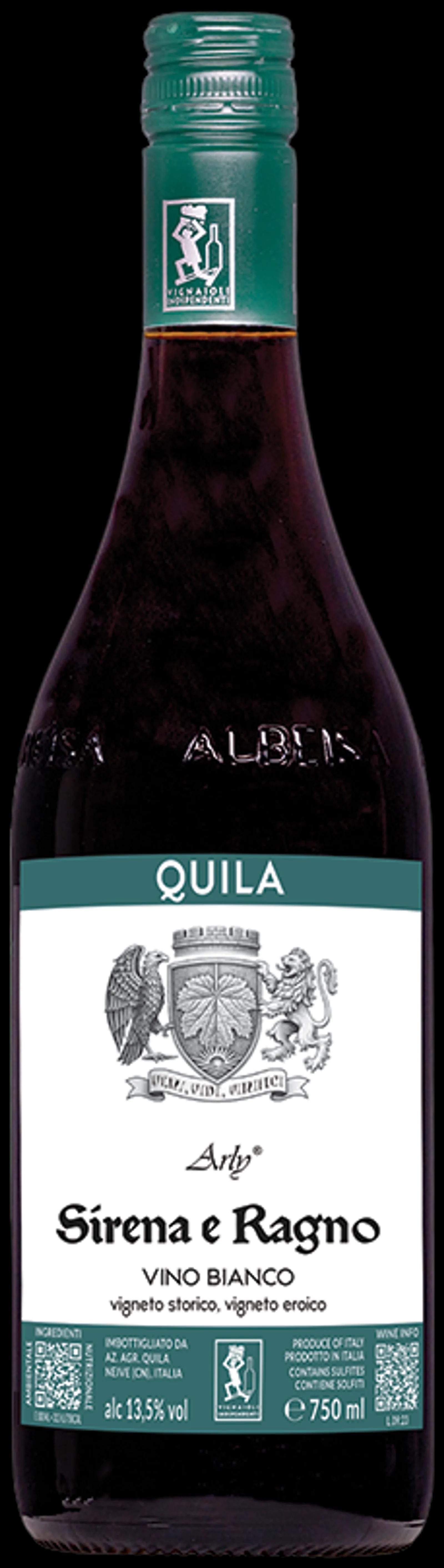
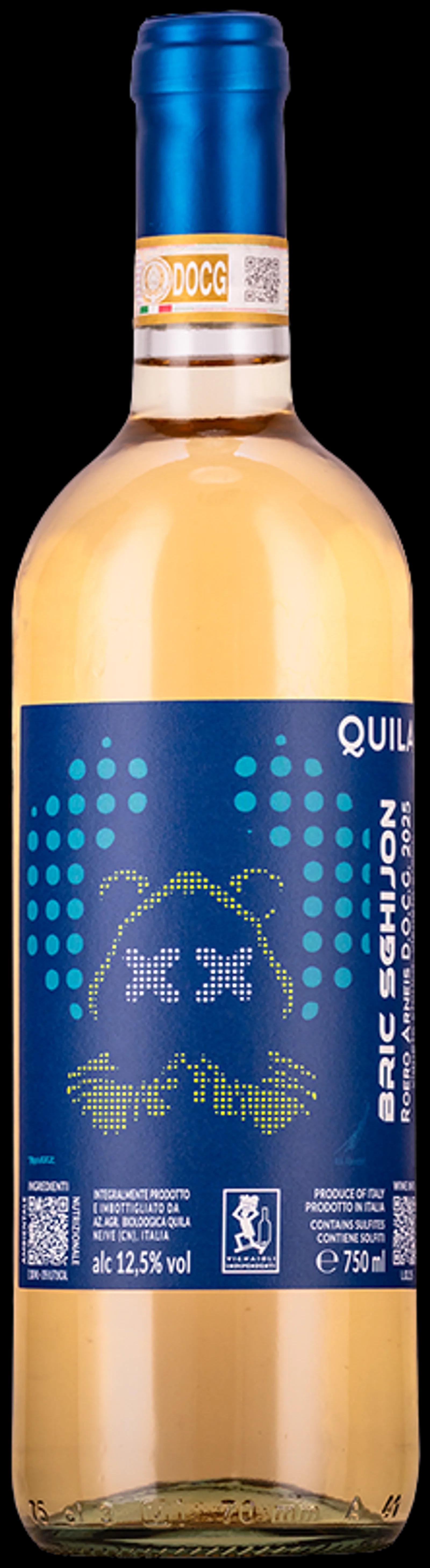







Greco: a white grape of southern Italy and the Aegean, grown by independent estates

Greco wine ranges from lean and mineral on Greek islands to rich and structured in Campania. The producers below grow it from its ancient Mediterranean roots.

High acidity, textural weight, and a citrus-and-herb character that shifts with latitude and soil.

Color

Dropdown arrow

Type

Dropdown arrow

Country

Dropdown arrow

Region

Dropdown arrow

Grape

Dropdown arrow

Pairing

Dropdown arrow

Sort by

Sort arrow
Greco

Greco wines

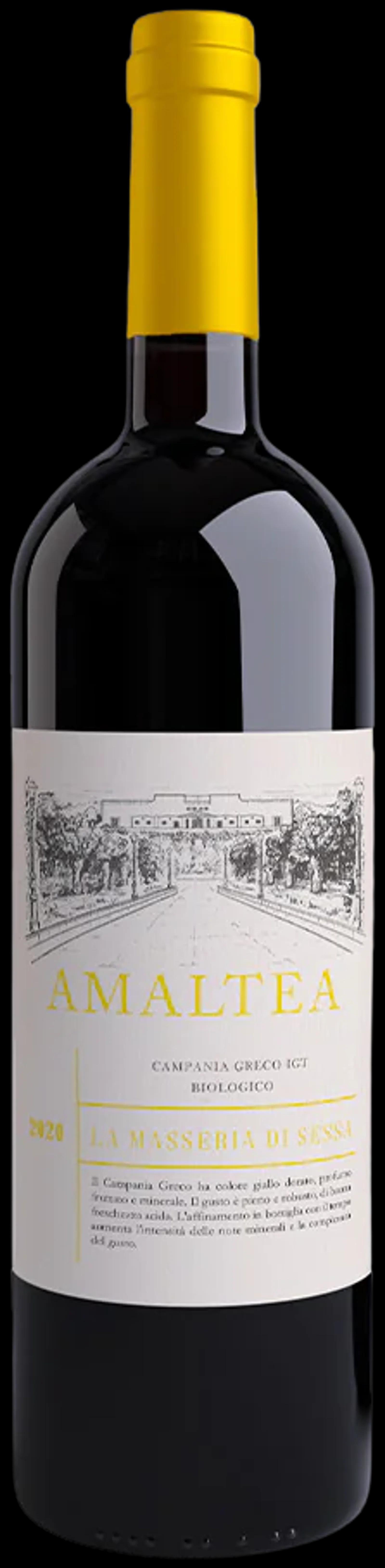
Greco is among the oldest cultivated white grapes in the Mediterranean basin, and its name reflects that age — it was likely brought to southern Italy by Greek settlers centuries before modern appellations existed. Today its most celebrated expression is Greco di Tufo in Campania, a DOCG grown on volcanic soils that gives the grape unusual textural weight. On Free Grape Society, each bottle is shipped directly from the grower's own cellar, with no importer or warehouse in between.

Previous1 of 1Next

Greco wine cases

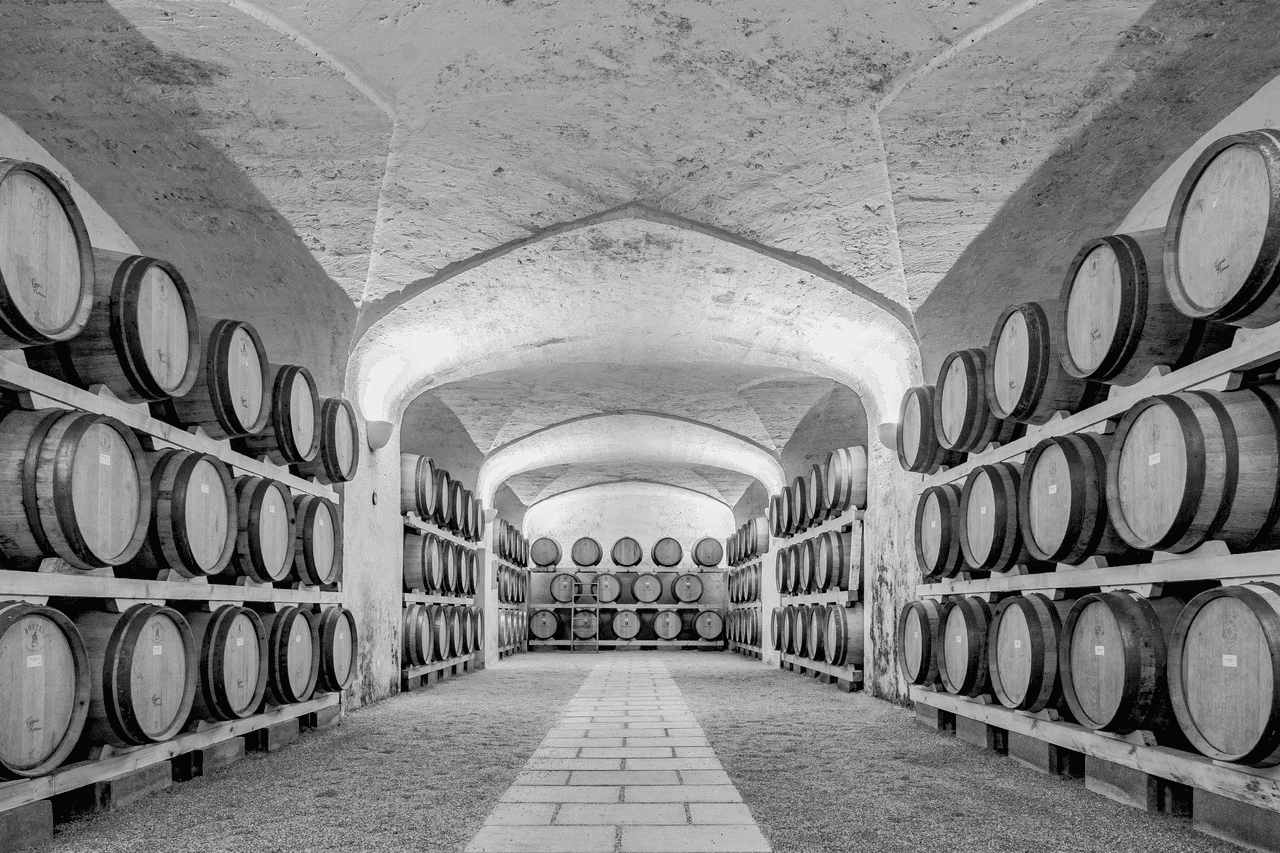
A Greco wine case is a producer's own selection of six bottles, composed as the recommendation they would make if you visited their cellar. For a grape grown across such different soils — volcanic tuff in Campania, limestone and clay on the Aegean islands — a producer's own mix is often the clearest way to understand what their particular site does to the variety. Free Grape Society is a society of producers, independent experts and wine lovers, not a shop.

View all mixboxes

Wineries

The growers below work with Greco in some of the most geologically varied terrain in Europe — volcanic soils in Avellino province, chalky slopes on the Aegean, and alluvial plains further south. Reading a producer's own notes is often the quickest route into understanding why their Greco tastes the way it does, and the wine-advice service is there if you would rather talk through the options before choosing.

View all wineries

Wine experts

Greco's textural richness and saline edge make it one of the more interesting white grapes to assess blind, and opinions among tasters tend to divide along regional lines. Independent wine experts review wines they have personally tasted, and their notes are visible on each wine page and on the expert's own profile. Several of the experts below have reviewed Greco wines featured on this page, so you can read what they found before deciding.

View all wine experts

Frequently asked questions

How do I order a Greco wine from Free Grape Society?

Browse the Greco wines above and add bottles to your cart. Each bottle ships directly from the producer's cellar. Your order includes the wine, packaging, and delivery to your door. Payment is handled securely through Klarna or card at checkout, and you will receive a confirmation with tracking details once the producer dispatches.

What happens if a bottle arrives broken or doesn't taste right?

Send a photo to Free Grape Society customer support within 7 days of delivery. We will arrange a replacement or a refund. Because producers ship directly, quality issues are handled with the producer's direct involvement. Shared responsibility is built into how FGS works.

Can I order Greco from more than one producer in the same order?

Yes. You can add bottles from different producers to the same cart and check out in one payment. Each producer ships their wines separately from their own cellar, so you may receive more than one delivery. Shipping is free on each order, and you will get tracking for each parcel.

How long does delivery take?

Average delivery is 8 to 9 days from order to door. The full range is 4 to 14 days depending on the producer's location and your delivery address. Wines ship directly from the producer's cellar, not from a central warehouse.

How do I choose between the different Greco wines on this page?

The most useful distinction is origin. Greco di Tufo from Campania tends to be richer and more structured, with volcanic mineral notes, while Greco from the Aegean often runs leaner and more citrus-forward. Within each region, the producer's own notes and any expert reviews on the wine page will tell you more about style, vintage character, and food pairings. The wine-advice service is also available if you want a direct recommendation.

How does the selection of Greco producers work on Free Grape Society?

Producers apply to join Free Grape Society and wines are tasted before listing. The growers you find here are independent estates — not large commercial wineries or supermarket suppliers. The selection grows as more producers join, so returning to the page is a reasonable way to find new estates working with this variety.

Which Greco wine expert can recommend something for me?

The independent wine experts on Free Grape Society review wines they have personally tasted, including Greco from southern Italy and Greece. Check the experts section on this page for reviewers who have assessed Greco wines. You can also use the wine-advice form — ask your question and an available expert will respond with a personal recommendation.

Why don't you sell supermarket-brand Greco wines?

Free Grape Society connects buyers directly with independent producers who bottle their own wine. Supermarket-branded wines are typically produced by large négociants or cooperatives that blend and bottle at scale under a retailer's label, which removes the direct producer relationship the platform is built around. The Greco wines here come from estates where the person growing the grape is the same person shipping the bottle.

Can I find Greco wines that I cannot buy in a regular wine shop?

Often yes. Many of the independent producers on Free Grape Society do not distribute through conventional retail channels — they sell directly, which means their wines are not available on supermarket shelves or in most specialist shops. European wine distribution has historically been concentrated through importers and agents, which leaves smaller estates with limited shelf presence. Ordering direct is frequently the only way to access what they make.

Where Greco comes from and what region does to it

Greco is one of southern Italy's oldest white grapes, with roots that run deep in Campania and Calabria. Its most celebrated expression is Greco di Tufo, grown on the volcanic soils around the town of Tufo in Campania, where the grape produces wines of real structure: high in natural acidity, full in body, and marked by a savoury mineral edge that sets them apart from most Italian whites. The same variety also appears in Calabria under its own appellations, and growers work with it across Sicily and further south. Away from the volcanic centre, the wines shift in character — sometimes rounder, sometimes more aromatic — but the grape's thick skin and resistance to heat are consistent, which is part of why it has survived so long in the Italian south. For a useful comparison, Grechetto is a separate variety that shares a name prefix but is grown in Umbria and Lazio and produces a lighter, nuttier style of white.

How Greco tastes, and what to drink it with

Greco wines are typically full-bodied whites with firm acidity and a textural grip that is uncommon in warmer-climate Italian whites. The aromas tend toward stone fruit — peach, apricot — alongside floral notes and a characteristic smoky or mineral quality that comes through particularly on Tufo's volcanic soils. The finish is often bitter in the best sense: clean and long, with an almond edge. That structure makes Greco a reliable partner for food. It holds its own alongside grilled fish and seafood, works well with dishes built around olive oil and herbs, and is substantial enough for pasta with shellfish or light meat sauces. If you are exploring southern Italian whites alongside it, Fiano from the same region or Vermentino from further afield give a useful point of contrast.

Buying Greco direct from independent producers

Greco is produced predominantly by smaller, family-run estates in southern Italy — the kind of producers who are rarely found in supermarkets or large distribution networks. On Free Grape Society, producers ship directly from their own cellars, with no importer or warehouse in between, which means the wine arrives as the grower intended and the price reflects the producer's own decision rather than a chain of intermediaries. The growers on this page work in Campania, Sicily, and other parts of the Italian south. Wines are tasted before listing, and independent wine experts add their own reviews to wines they have personally tried, visible on each wine's page. If you want to explore the wider Italian white range, the Italian wines page and the white wines section cover the full selection from independent Italian producers. Free Grape Society is a society of producers, independent experts and wine lovers — not a shop.