Key grapes in Spanish rosé wine
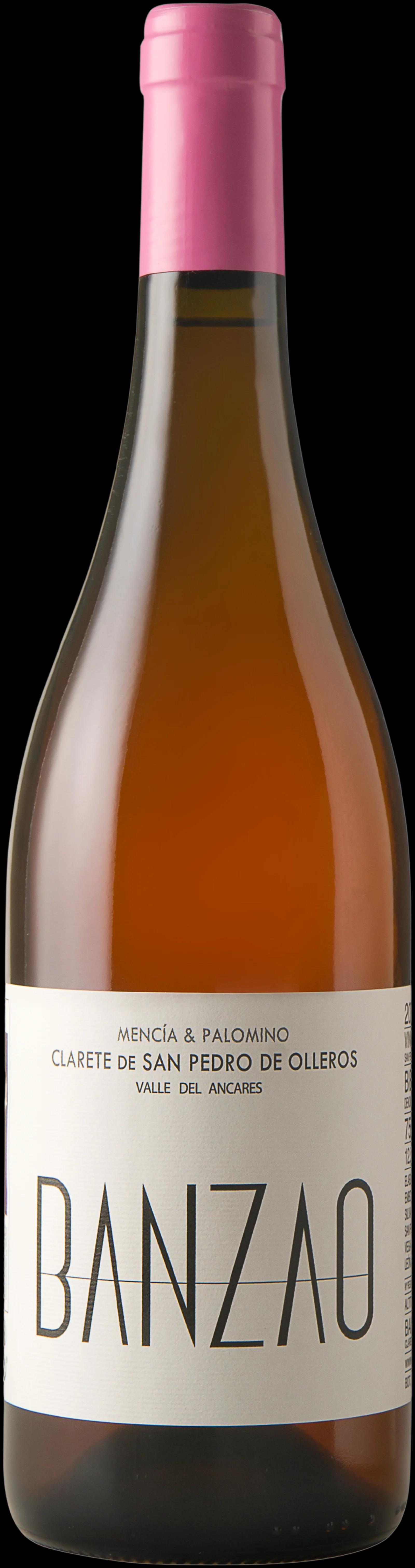
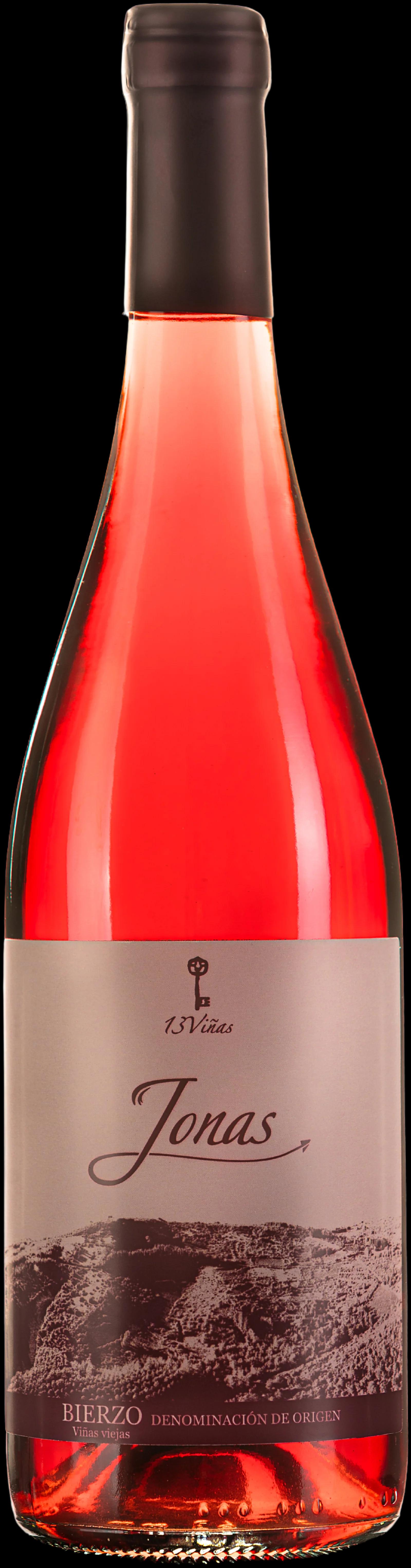
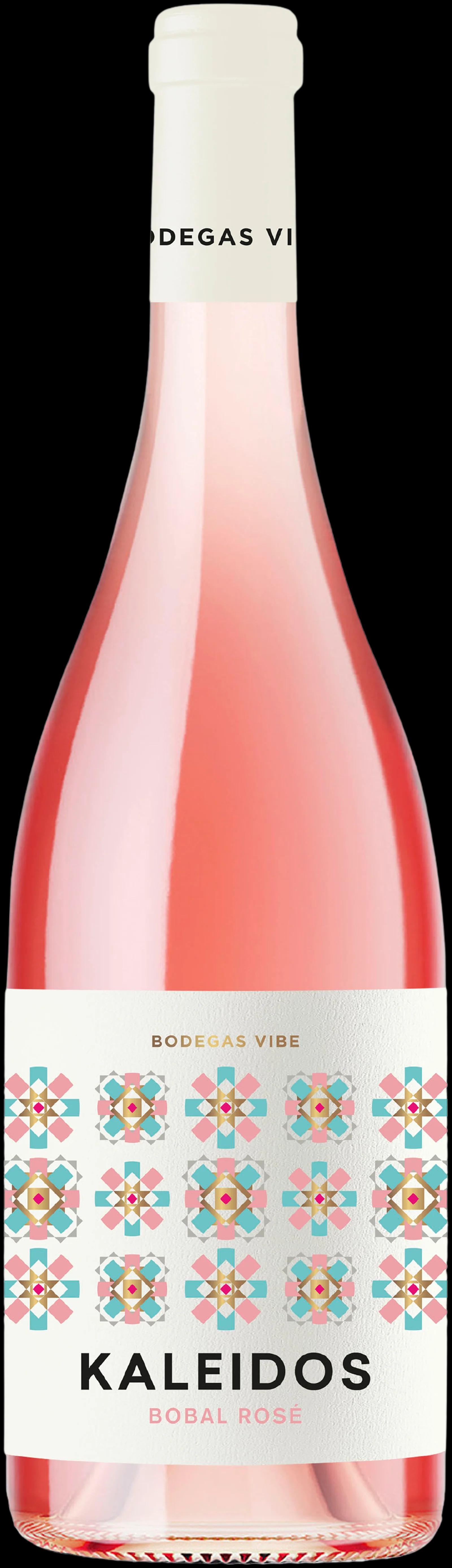
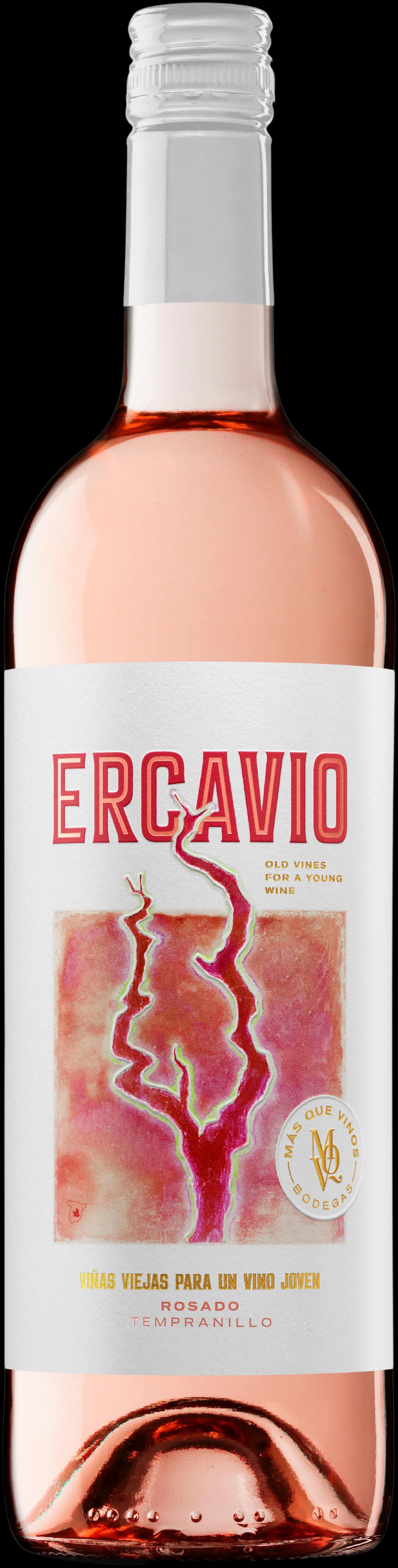
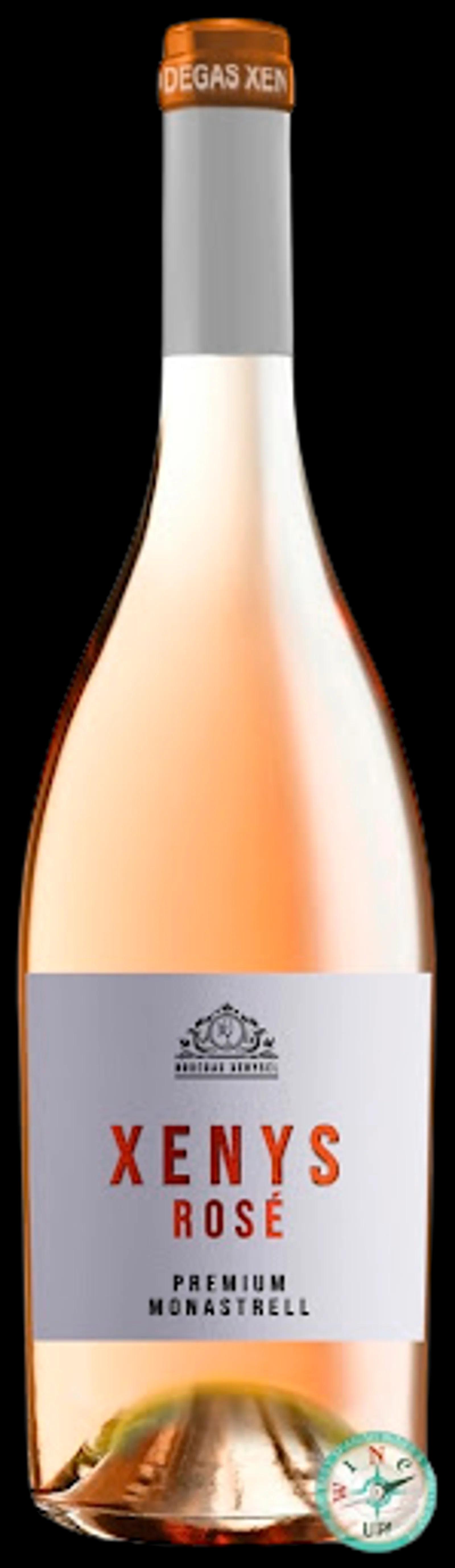
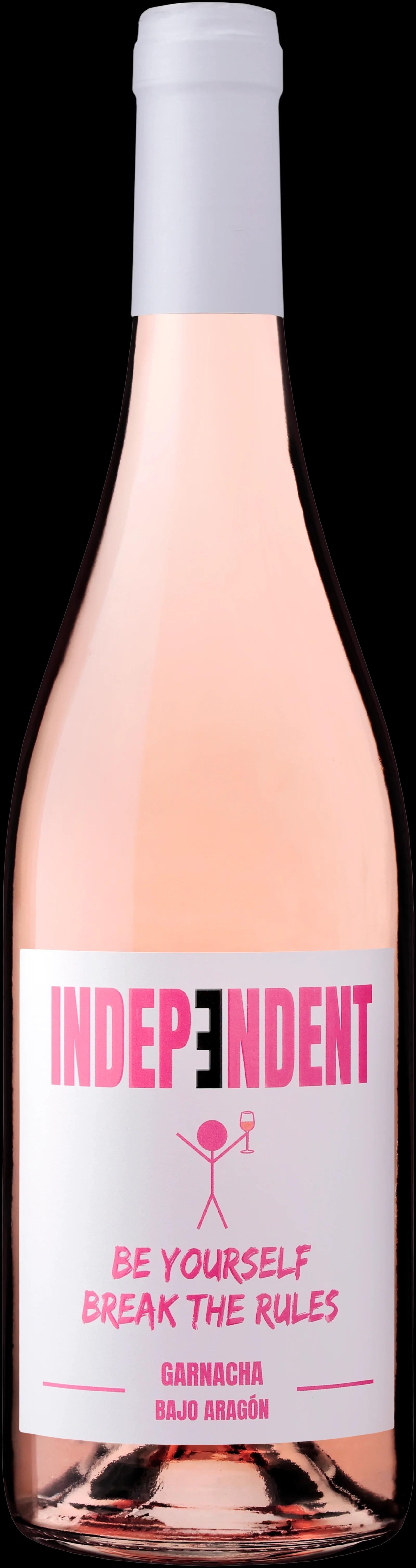
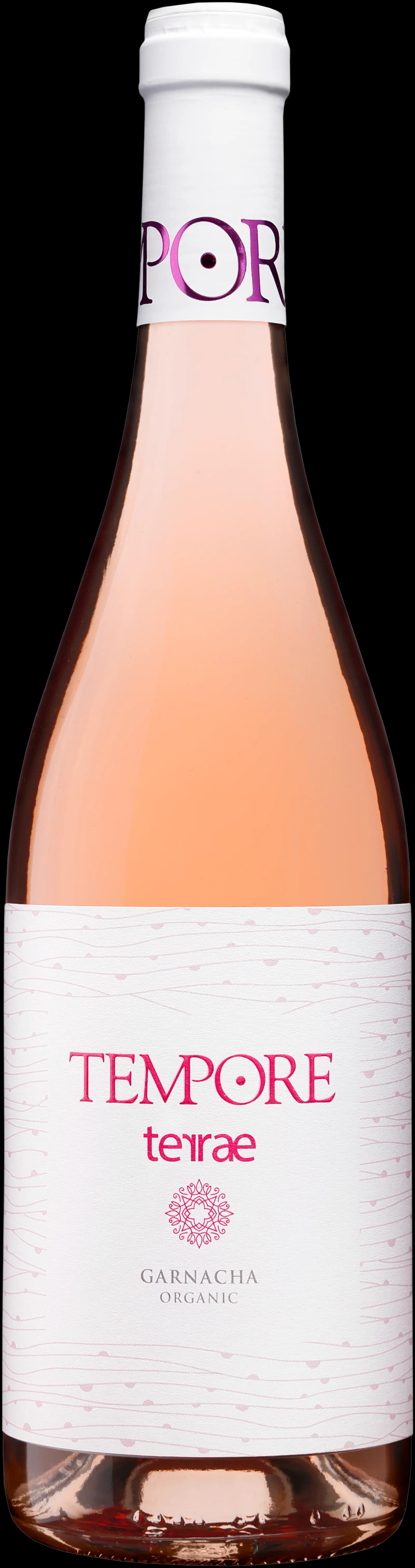
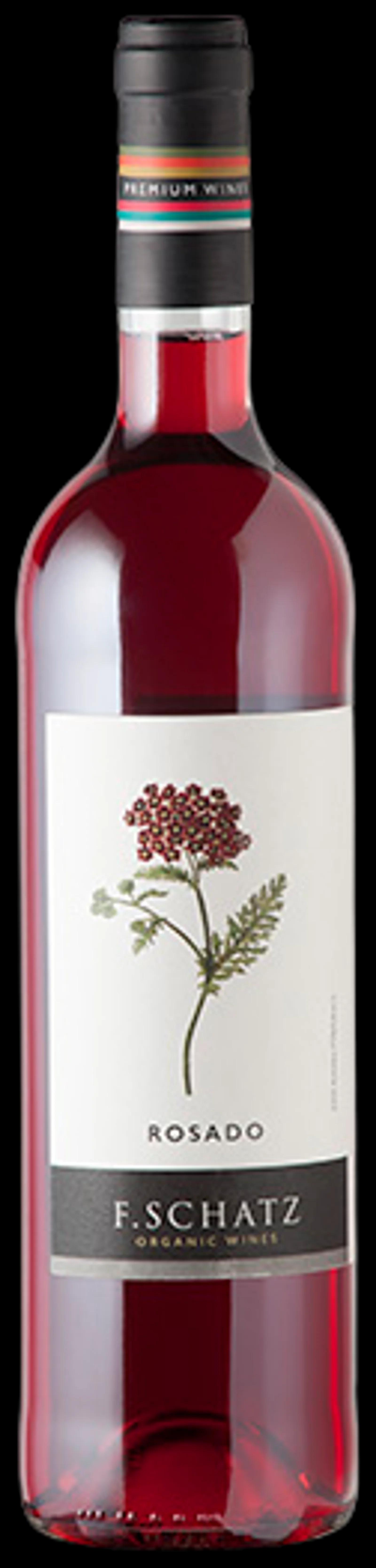
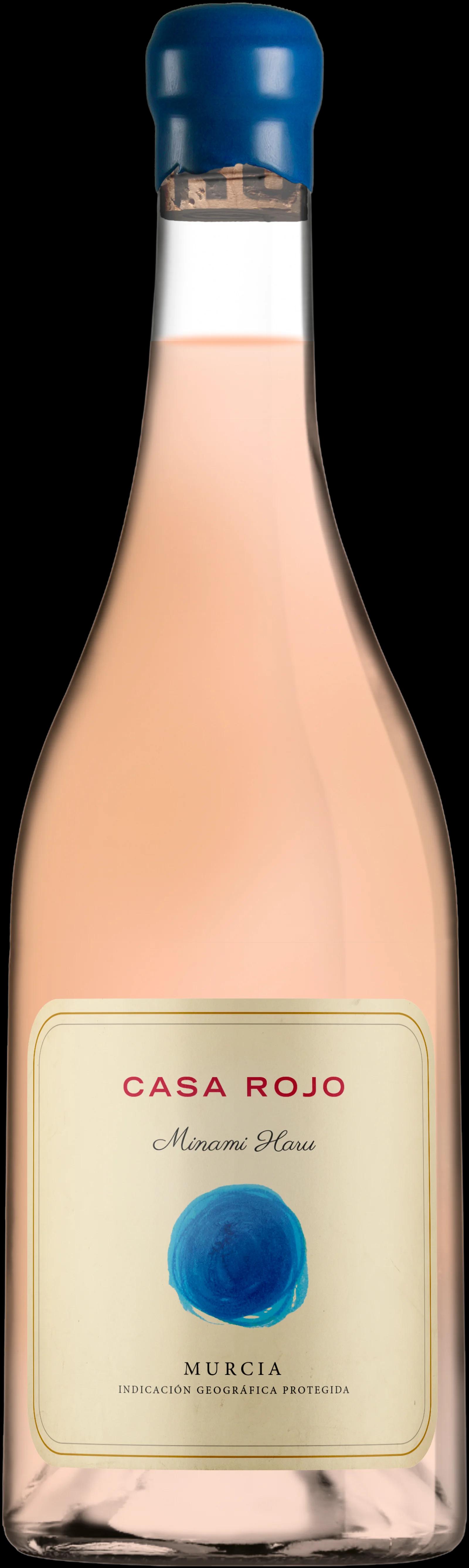
Spanish rosé is not a single style, and the grape behind it shapes the result more than the region does. Garnacha is the dominant variety in much of the interior and north — it produces rosé with body, red-fruit concentration, and enough structure to hold up alongside food. In Rioja and Aragon, Garnacha-based rosados tend toward darker colour and more extract than the pale Provençal model. Tempranillo rosé shows differently: lower natural acidity, more restrained fruit, and a tendency toward strawberry and dried herb notes. Monastrell, grown predominantly in Murcia and Castilla-La Mancha, produces some of the deepest-coloured Spanish rosés — higher alcohol, fuller palate weight, distinctly southern in character. Mencía, primarily grown in the northwest, is less common in rosé but produces lighter, more aromatic expressions when it does appear. Knowing which grape is behind a Spanish rosé tells you more about what is in the glass than any regional appellation label.
Regional variation in Spanish rosé wine
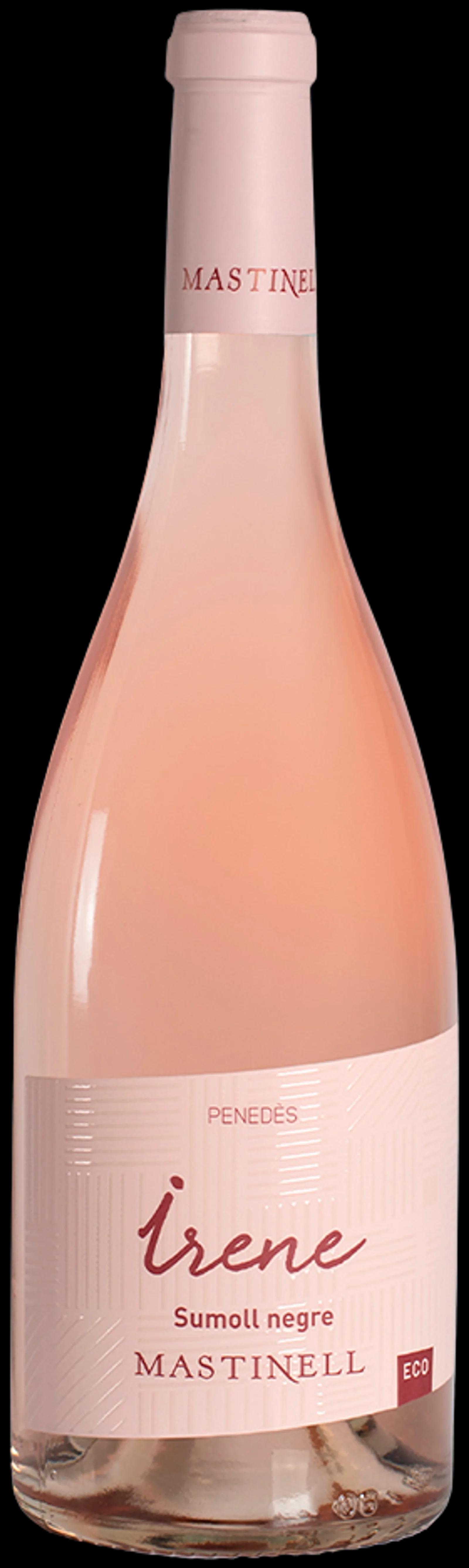
Spain's rosé production is geographically spread, and the climate differences between regions are substantial enough to produce structurally different wines under the same label. In Catalonia, Atlantic influence from the northeast moderates temperatures, which preserves acidity in Garnacha and allows for leaner, more mineral rosé styles. Navarra, historically Spain's most recognised rosé region, builds its identity around pale, dry Garnacha rosados — a deliberate break from the heavier styles that once defined Spanish rosé internationally. In Castile and León, altitude is the defining factor: vineyards at 700–900 metres above sea level slow ripening and maintain freshness in Tempranillo rosé even in warm growing seasons. The continental interior of Castilla-La Mancha produces the opposite: Monastrell and Garnacha rosés with high extract and lower acidity, driven by heat accumulation across the long growing season. Andalusia — though known primarily for Sherry — produces small volumes of rosé from Palomino and local varieties. Compare Spanish rosé with French rosé or Italian rosé and the structural difference is immediately clear: Spain's rosé tradition is built around red-grape extraction rather than delicate press fractions.
How Spanish rosé is made — and why it matters
Most serious Spanish rosado is made by direct press or short maceration, not by blending red and white wine — a method legally prohibited for still wines in the EU. The decision of how long the skins stay in contact with the juice determines colour, tannin, and extract. At under two hours, you get pale, delicate rosé. At six to twelve hours, colour deepens and the wine gains the structured, food-relevant character that defines traditional Spanish rosado. Producers working with older-vine Garnacha in Aragon or Rioja often favour longer maceration because the grape's natural phenolic richness benefits from the extraction. Fermentation temperature also matters: lower-temperature fermentation (around 14–16°C) preserves aromatic freshness, while warmer fermentation pushes toward riper, broader styles. A smaller number of producers age Spanish rosé in neutral oak — rare, but worth noting when it appears, as it adds texture without oxidative character. Free Grape Society lists Spanish rosé from independent producers who control their own maceration and fermentation decisions. No importer, no wholesaler. The price you see is the price the producer agreed to. Producers, experts, restaurants, and wine lovers on the same platform, on the same terms. Browse all wines from Spain or compare red wines from Spain and white wines from Spain to see how the same estates approach different colours.