

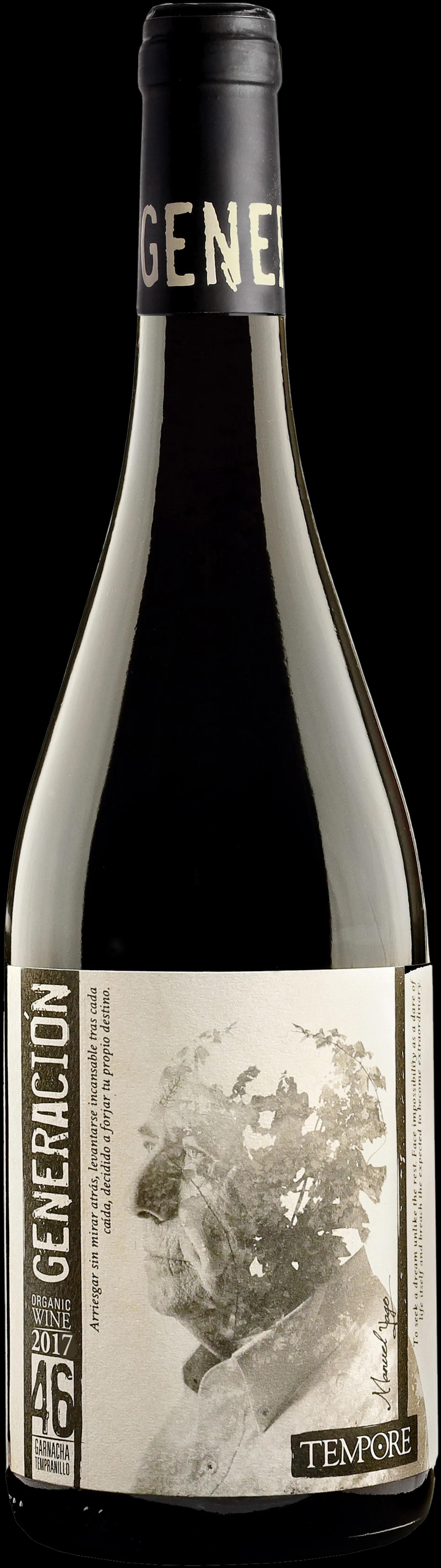
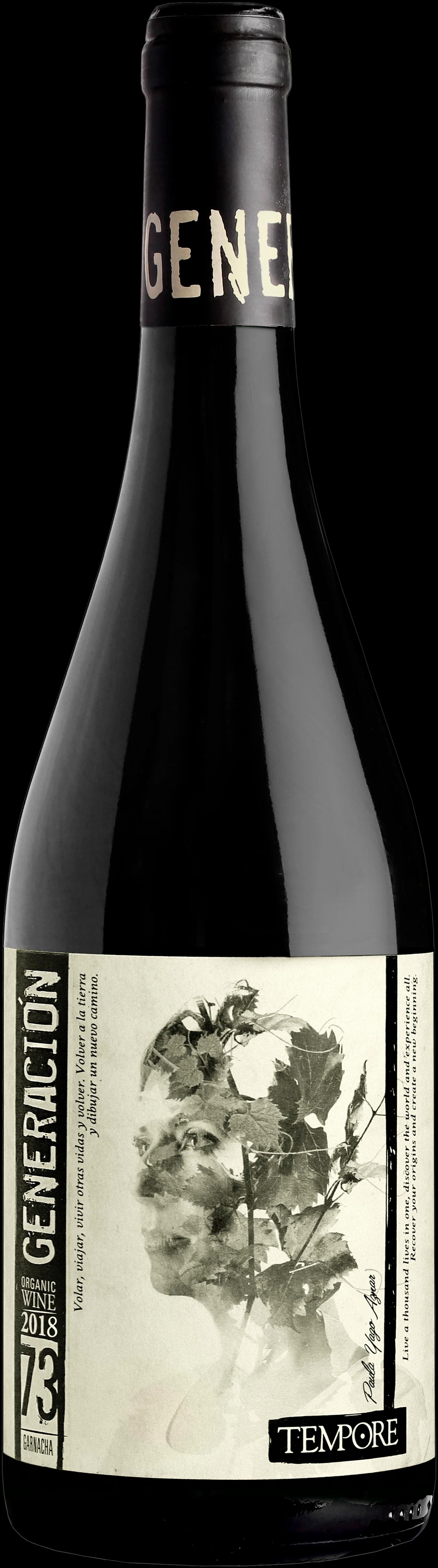
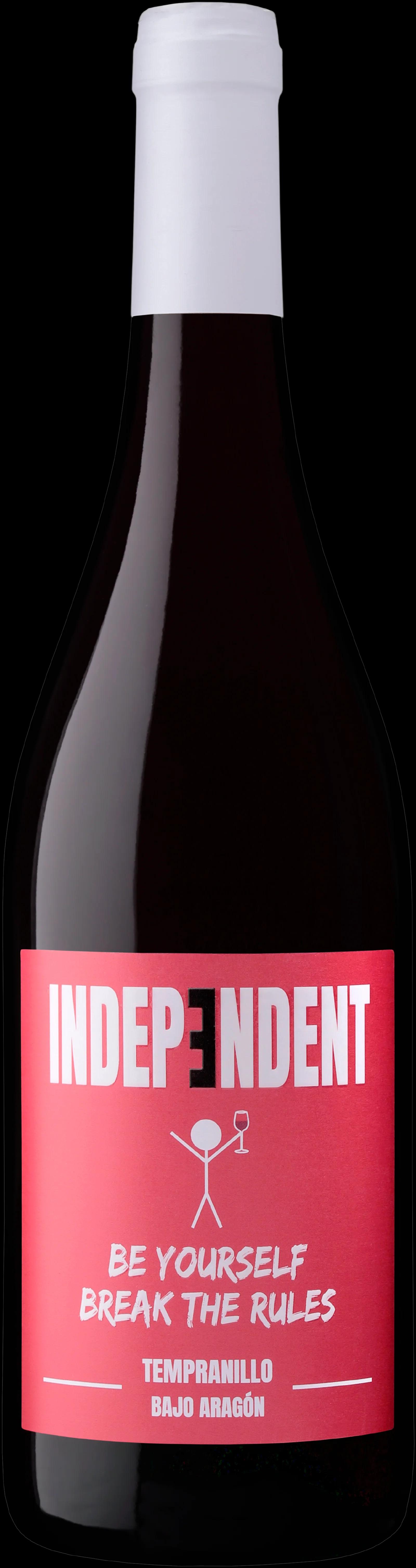
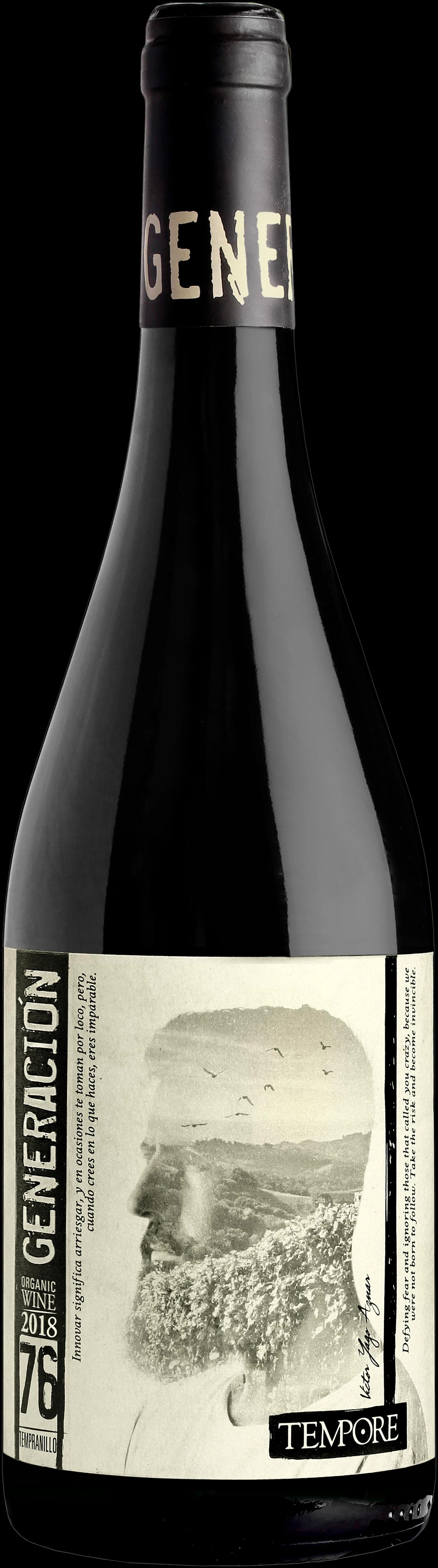






Garnacha wines from producers who grow their own fruit

Garnacha from estate-bottling producers in Spain, France, and beyond. Every wine tasted before listing.

Old vines, high altitudes, and direct-from-cellar pricing.

Color

Dropdown arrow

Type

Dropdown arrow

Country

Dropdown arrow

Region

Dropdown arrow

Grape

Dropdown arrow

Pairing

Dropdown arrow

Sort by

Sort arrow
Pending Grape

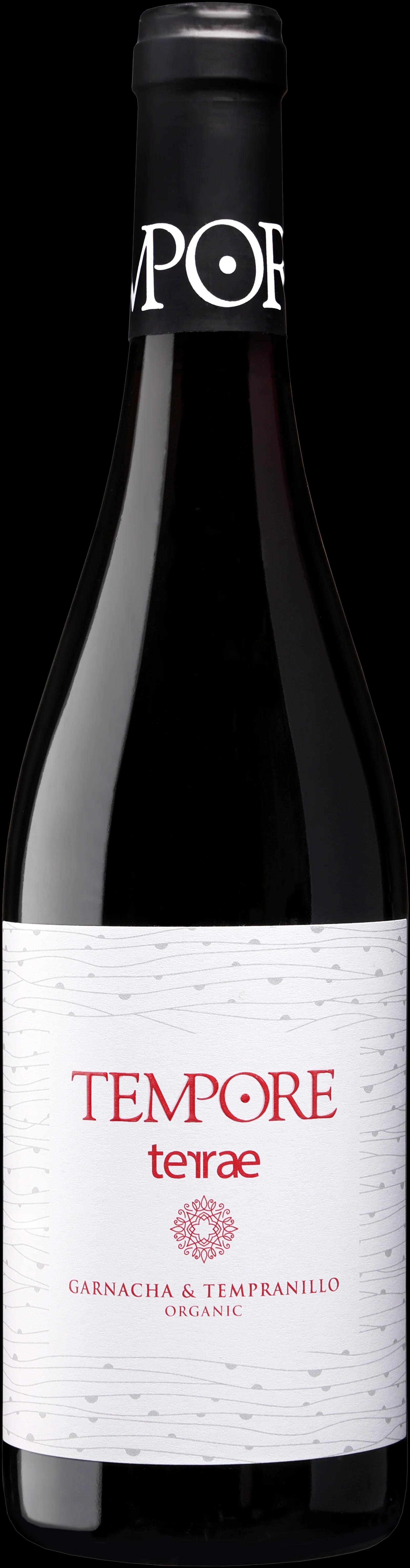
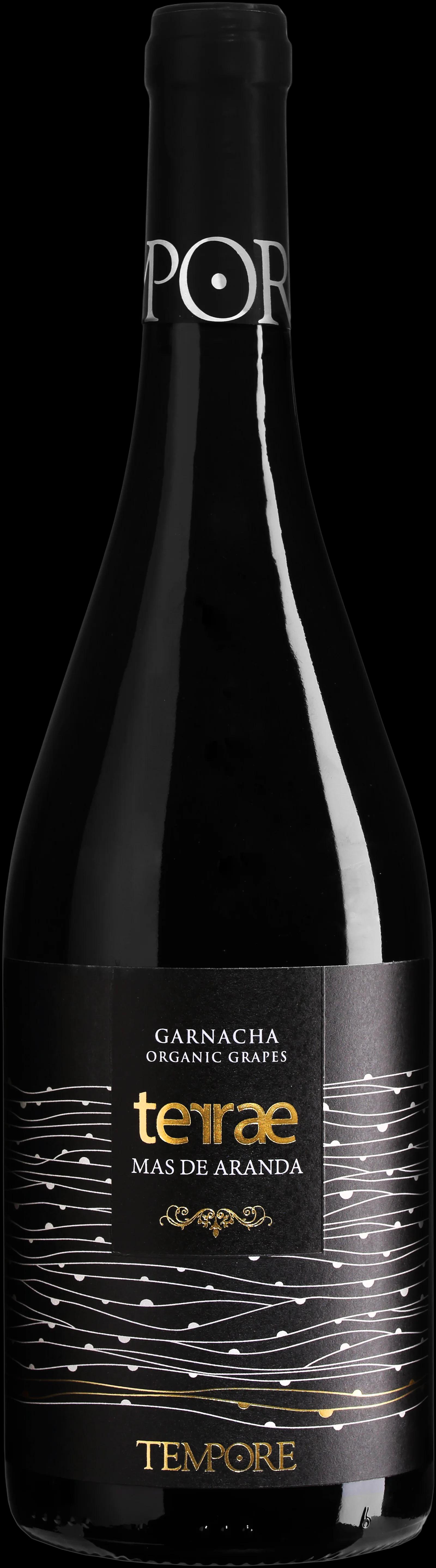
Garnacha wines

Garnacha is the dominant red grape in Aragón, Rioja, and Priorat, and the same variety — spelled Grenache — covers large parts of the southern Rhône and Languedoc. Old-vine Garnacha, planted on bush-trained gobelet vines, produces wines with concentration that younger plantings rarely match. The bottles listed here come from growers who control their own production and ship from their own cellar. No importer, no wholesaler. The price you see is the price the producer agreed to.

Previous1 of 1Next

Garnacha mixboxes

A mixbox on Free Grape Society contains exactly six bottles, all from one producer, selected by that producer as their own introduction to their range. On a Garnacha page, between three and six of those six bottles are Garnacha. The remaining bottles, if any, are wines the producer chose to give context to the grape within their own portfolio. When a producer works exclusively with Garnacha, all six bottles in the box can be Garnacha. The composition is always the producer's decision, not a buyer's.

Wine experts

Garnacha producers span a wide spectrum: negociant-scale estates in Rioja blending for consistency, and small-batch cellars in Priorat or Gredos pulling fruit from vines planted before the Second World War. The producers on this page are growers who bottle under their own name. Every wine was tasted by our Head of Product before going live. Independent wine experts also rate and review individual wines on the platform.

Garnacha producers

Independent wine experts on Free Grape Society rate and review wines they have personally tasted. Their assessments are visible on the individual wine page and on the expert's own profile. Several of the experts listed below have reviewed Garnacha wines featured on this page. If you want a specific recommendation — for a food context, a budget, or a regional style — you can message an expert directly through the platform.

Frequently asked questions

How do I order Garnacha wines on Free Grape Society?

Browse the wines listed on this page and add bottles to your cart. Each listing shows the producer, region, vintage, and price set by the producer. You check out once. Wines ship directly from the producer's cellar to your address. No account is required to browse.

What happens if a bottle arrives broken or doesn't taste right?

Send a photo to Free Grape Society customer support within 7 days of delivery. We will arrange a replacement or a refund. Because producers ship directly, quality issues are handled with the producer's direct involvement. Shared responsibility is built into how FGS works.

Can I order Garnacha from more than one producer in a single order?

Yes. You can add wines from several producers to one cart and pay in a single transaction. Because each producer ships independently, you may receive separate deliveries from one order. Delivery timelines are shown per producer at checkout.

How long does delivery take?

Average delivery is 8 to 9 days from order to door. The full range is 4 to 14 days depending on the producer's location and your delivery address. Wines ship directly from the producer's cellar, not from a central warehouse.

How does Free Grape Society decide which Garnacha wines to list?

Every wine is tasted by our Head of Product before it goes live. Wines that do not pass the quality review are not listed. Independent wine experts also rate and review individual bottles on the platform. No producer pays for placement or visibility.

How do I find the right Garnacha style for what I'm looking for?

Use the filter options to narrow by region, price, or colour. Old-vine Priorat Garnacha tends toward concentration and structure. Garnacha from Gredos is lighter and more mineral. Southern Rhône Grenache is often blended and rounder. Expert reviews on individual wine pages give additional context.

Which wine expert on Free Grape Society can recommend a Garnacha for me?

Several experts on the platform have reviewed Spanish and southern French wines and have direct experience with Garnacha. Browse the expert profiles below to find one whose regional focus matches your interest. You can message any expert directly through their profile page.

Why doesn't Free Grape Society sell Garnacha from supermarket brands?

Supermarket Garnacha is typically blended across producers and priced for distribution margin, not for what is in the bottle. The producers here grow their own fruit and bottle under their own name. That distinction affects what ends up in the glass, not just the label.

Is Garnacha available at Systembolaget, and how does the Free Grape Society selection differ?

Systembolaget carries Garnacha-based wines, primarily in blends from larger Rioja and southern Rhône producers. The producers on Free Grape Society tend to make smaller volumes, sell under their own name, and do not move through the wholesale channels that retail distribution requires. Most bottles here are not available through Systembolaget.

Where Syrah is grown

Syrah is native to the northern Rhône Valley, where it is the only permitted red grape in appellations such as Hermitage and Côte-Rôtie. From there it spread south through Languedoc-Roussillon, where it is used both as a varietal wine and as a blending component alongside Grenache and Carignan. Outside France, Syrah has its most concentrated plantings in Spain, where it appears in Aragon and Castilla-La Mancha, often alongside Monastrell. In Italy, small but serious plantings exist in Tuscany and Sicily, where warm sites suit the grape's preference for heat without excessive drought stress. In the southern hemisphere — Australia, South Africa, Argentina — the grape is frequently labelled Shiraz, though the name refers to the same variety. The distinction is stylistic as much as geographic: Shiraz tends toward riper, fuller-bodied expressions, while northern Rhône Syrah leans savory, with higher acid and more defined tannin structure.

How Syrah is vinified

Syrah is one of the few red grapes where whole-cluster fermentation — retaining the stems alongside the berries — is a deliberate and widely discussed stylistic choice rather than an oversight. In the northern Rhône, producers at estates in Hermitage and Côte-Rôtie have used partial or full whole-cluster fermentation for generations, contributing a peppery, graphite-edged quality to the wine. The practice adds tannin from the stems but can also lift aromatic complexity and reduce alcoholic weight when the stems are fully lignified at harvest. Extended maceration is common for producers aiming at age-worthy Syrah: skin contact of three to four weeks is not unusual in serious northern Rhône cellars. Co-fermentation with small proportions of Viognier — a white grape — is a traditional practice at Côte-Rôtie. The addition, typically between two and five percent, stabilizes color and contributes floral lift. It is legally permitted in Côte-Rôtie but not in Hermitage. Producers working with Syrah in France on Free Grape Society ship from their own cellars: no warehouse redistribution, no third-party storage.

How we choose our Syrah producers

Producers on Free Grape Society are not recruited through a distributor list or a trade directory. A producer applies or is invited, sends samples, and those samples are tasted by our Head of Product before any listing goes live. If the wine does not hold up, it does not appear on the platform — regardless of the producer's reputation or the appellation on the label. For Syrah specifically, that means tasting across a range that can vary enormously: from a lean, high-acid northern Rhône expression to a broad, sun-ripened bottle from southern Spain. Both can be listed. What matters is that the wine is what the producer says it is, that the price reflects the producer's own calculation rather than a margin added by an importer or wholesaler, and that the producer controls their own bottling. Independent wine experts on the platform Rate and Review individual Syrah wines they have personally tasted — those reviews are visible on the wine page and on each expert's profile. No buyer with quarterly targets decides what Syrah reaches the platform. The producer decides if they want to be here, and what is here.