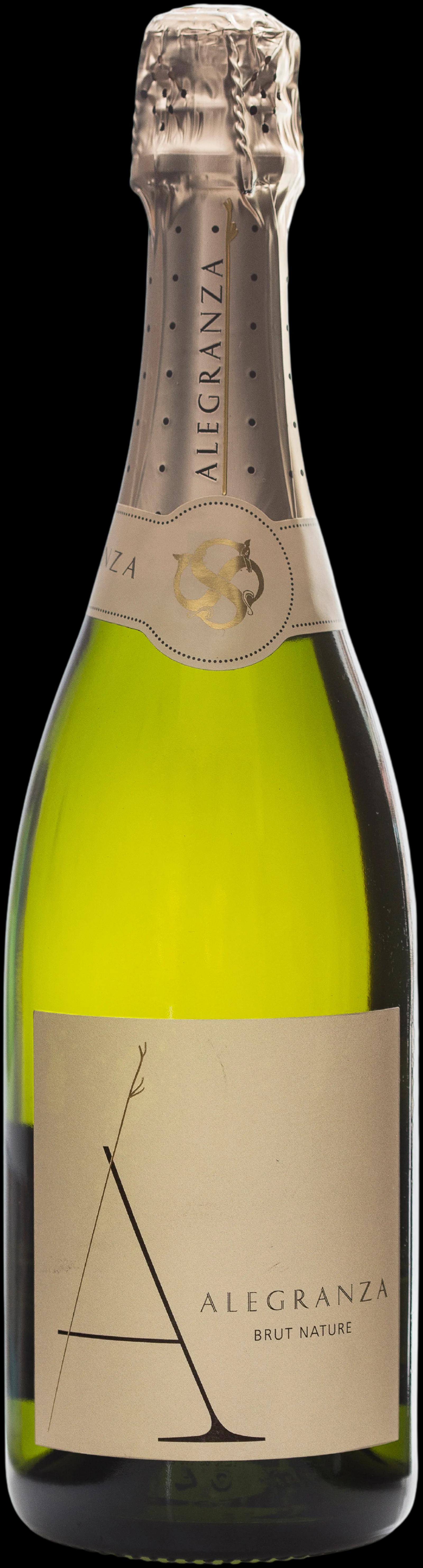
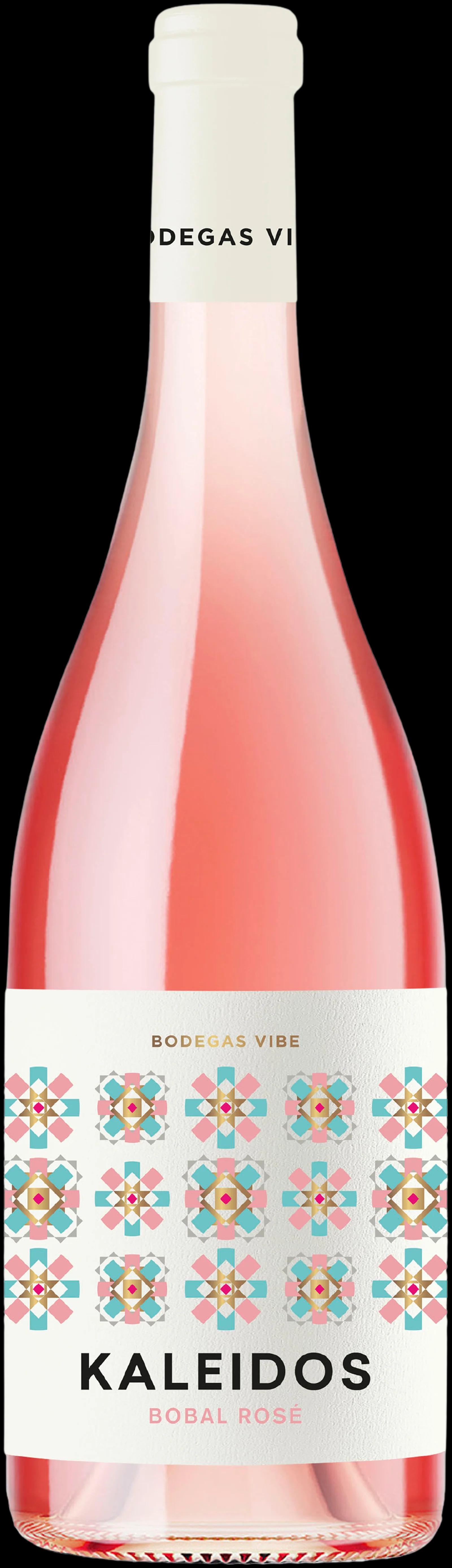
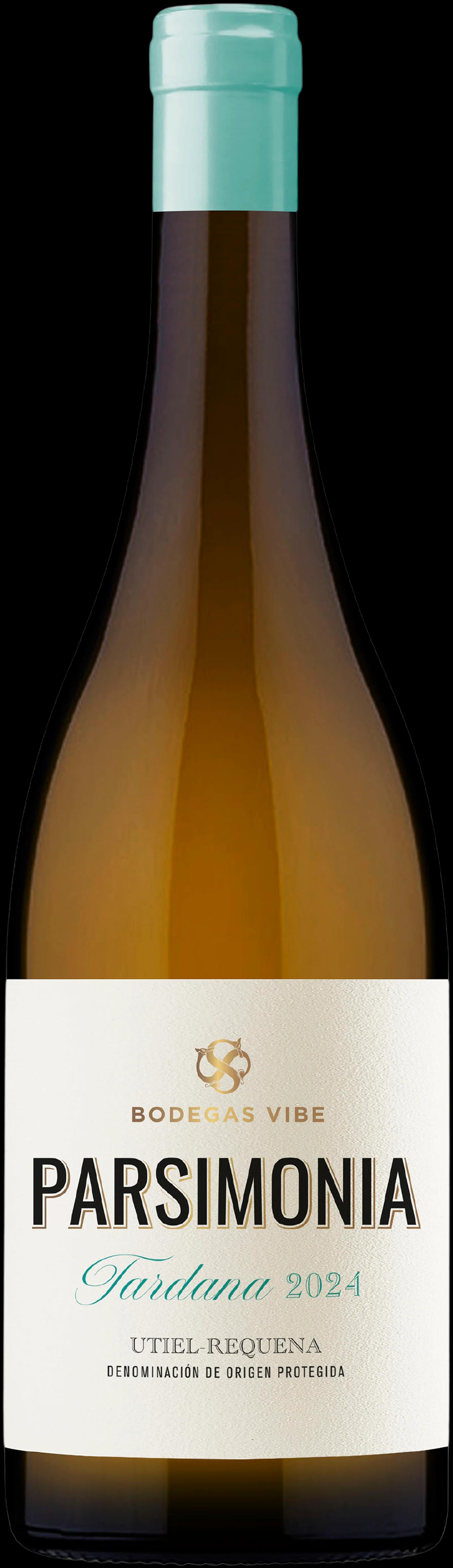


Wie bestelle ich Wein aus Valencia?
Wählen Sie eine Flasche oder Weinkiste aus Valencia aus, legen Sie sie in den Warenkorb und schließen Sie die Bestellung ab. Der Wein wird direkt vom Weingut versendet, inklusive Rechnung und Sendungsverfolgung.
Valencia ist mehr als Bobal: Die Region vereint alte, ungepfropfte Rebstöcke mit einem Klima, das Rot- und Weißweinen gleichermaßen Kraft und Frische verleiht. Entdecken Sie Flaschen unabhängiger Winzer direkt aus dem Weingut.
Farbe

Typ
Land
Region (1)
Rebsorte
Paarung
Sortieren
In Valencia trifft die einheimische Rebsorte Bobal auf ein Klima, das zwischen Küstenfrische und Hitze aus dem Landesinneren pendelt. Viele Rebstöcke wurden nie auf amerikanische Unterlagen gepfropft, was den Weinen eine besondere Tiefe verleiht. Neben kräftigen Rotweinen entstehen zunehmend auch frische Weißweine aus mediterranen Sorten. Die hier gelisteten Weine stammen von unabhängigen Winzern und wurden vor der Aufnahme verkostet.
7 von 7 Weinen

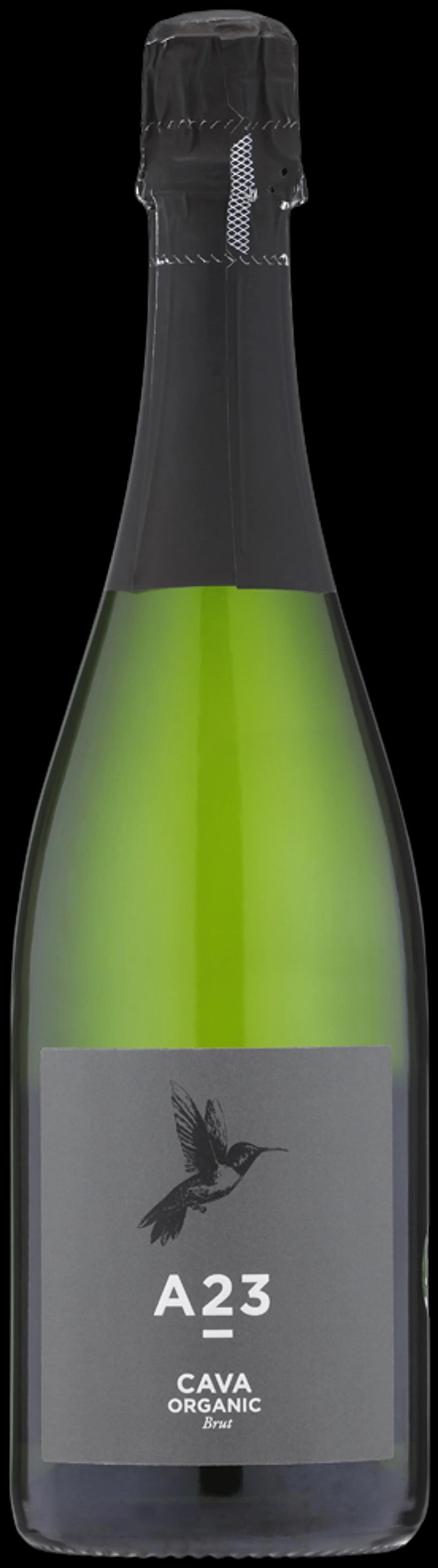
211,83SEK
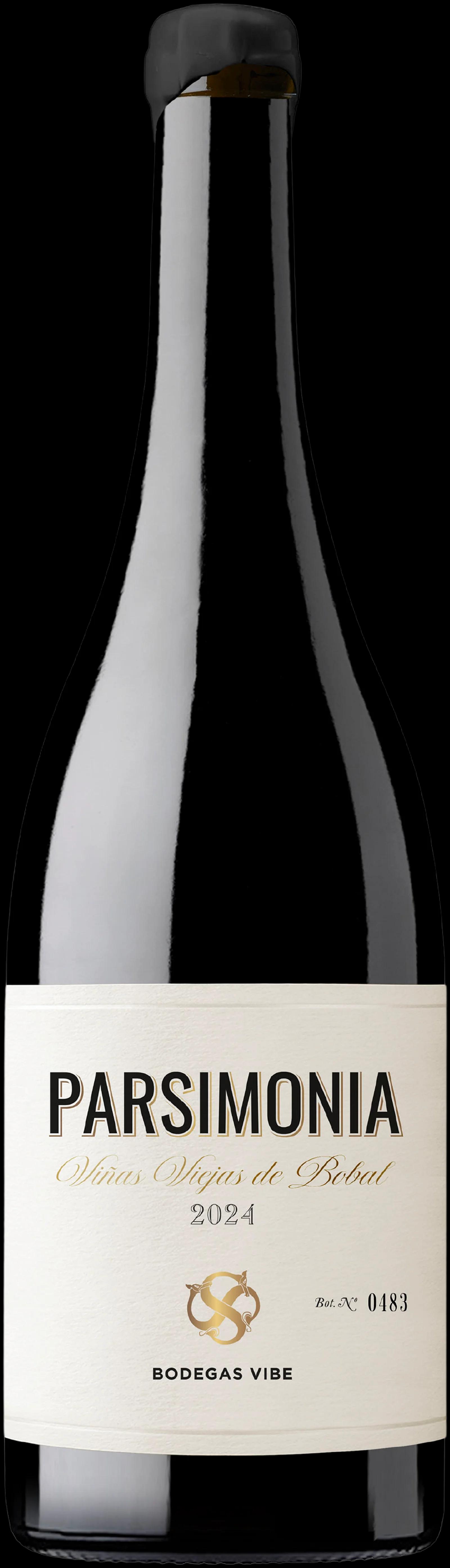
270,82SEK
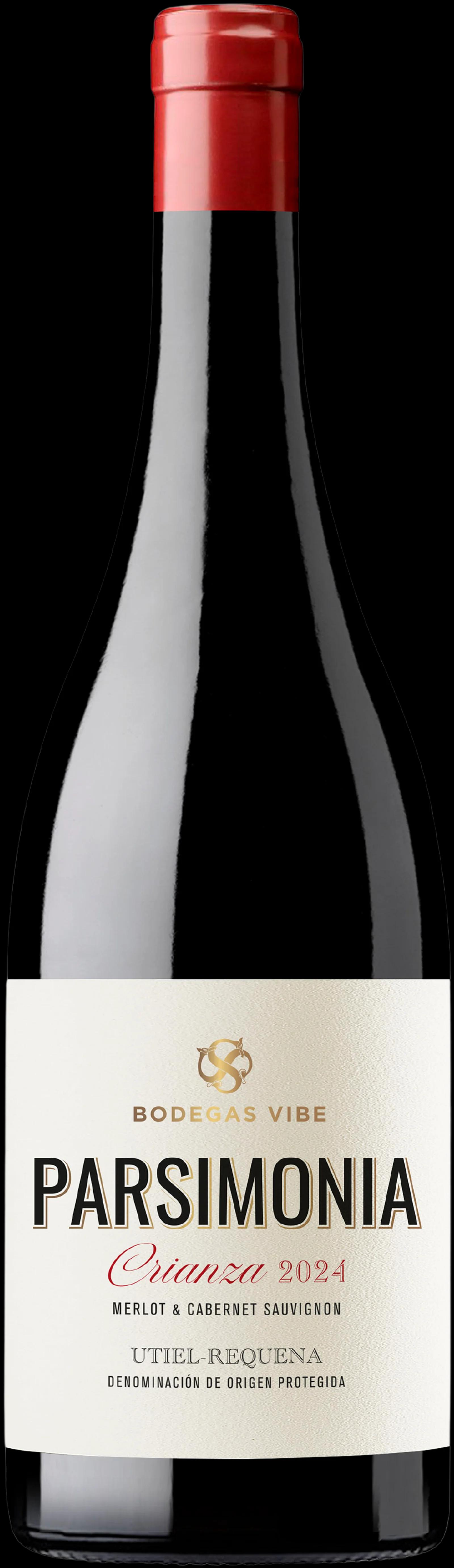
218,95SEK
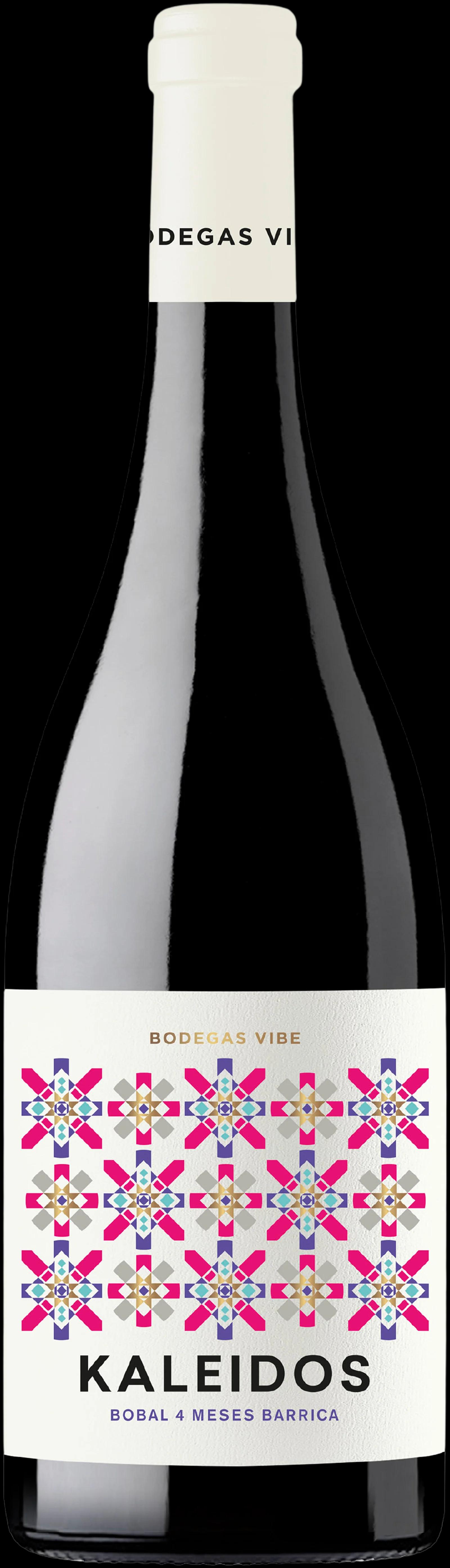
193,66SEK
Eine Weinkiste aus Valencia stammt immer von einem einzigen Weingut und enthält sechs Flaschen, zusammengestellt vom Winzer selbst als eigene Empfehlung. Free Grape Society ist eine Gemeinschaft aus Produzenten, unabhängigen Experten und Weinliebhabern, kein Shop. So eine Kiste zeigt, wie ein einzelner Betrieb sein eigenes Sortiment liest, von der alten Bobal-Rebe bis zum jüngeren Weißwein.
Alle Mixboxen aus Valencia anzeigenDie Weingüter Valencias reichen von traditionsreichen Familienbetrieben, die seit Generationen alte Bobal-Reben pflegen, bis zu jüngeren Erzeugern, die mediterrane Weißweine neu interpretieren. Viele arbeiten mit wenig technischem Eingriff im Keller. Auf Free Grape Society verkaufen und versenden Produzenten direkt aus dem eigenen Weingut, ohne Importeur oder Zwischenlager.
Alle Weingüter aus Valencia anzeigenUnabhängige Weinexperten bewerten Weine, die sie selbst probiert haben, und ihre Rezensionen sind auf der jeweiligen Weinseite sowie im Expertenprofil sichtbar. Mehrere der unten aufgeführten Experten haben Weine aus Valencia verkostet und rezensiert, was Käufern eine nachvollziehbare Einschätzung liefert.



Wählen Sie eine Flasche oder Weinkiste aus Valencia aus, legen Sie sie in den Warenkorb und schließen Sie die Bestellung ab. Der Wein wird direkt vom Weingut versendet, inklusive Rechnung und Sendungsverfolgung.
Senden Sie innerhalb von 7 Tagen nach der Lieferung ein Foto an den Kundenservice der Free Grape Society. Wir kümmern uns um Ersatz oder Rückerstattung. Da die Erzeuger direkt versenden, werden Qualitätsprobleme unter direkter Einbeziehung des Erzeugers gelöst. Geteilte Verantwortung ist Teil der Funktionsweise von FGS.
Ja, Sie können Flaschen unterschiedlicher Weingüter aus Valencia in einer Bestellung zusammenstellen. Die Lieferung erfolgt gesammelt, auch wenn die Weine von verschiedenen Produzenten stammen.
Die durchschnittliche Lieferzeit beträgt 8 bis 9 Tage von der Bestellung bis zur Haustür. Insgesamt liegt die Spanne je nach Standort des Erzeugers und Ihrer Lieferadresse bei 4 bis 14 Tagen. Die Weine werden direkt aus dem Keller des Erzeugers verschickt, nicht aus einem Zentrallager.
Nutzen Sie die Filter nach Farbe, Rebsorte oder Zertifizierung, um innerhalb der Region gezielt zu suchen. Bobal liefert kräftige Rotweine, während mediterrane Sorten frischere Weißweine ergeben.
Bobal ist die historische Rebsorte der Region, oft aus alten, ungepfropften Rebstöcken. Sie ergibt dichte, farbintensive Rotweine mit dunkler Frucht, während andere Sorten in Valencia eher leichtere, mediterrane Weißweine hervorbringen.
Mehrere unabhängige Weinexperten auf Free Grape Society haben Weine aus Valencia verkostet und rezensiert. Ihre Profile und Bewertungen finden Sie direkt auf den jeweiligen Weinseiten dieser Region.
Wir arbeiten ausschließlich mit unabhängigen Weingütern zusammen, die ihre Weine selbst herstellen und direkt versenden. Supermarktweine durchlaufen meist Importeure und Zwischenlager, was den direkten Bezug zum Erzeuger verloren gehen lässt.
Im klassischen Weinhandel durchläuft eine Flasche oft mehrere Zwischenstationen, bevor sie im Regal steht. Bei uns bestellen Sie direkt beim Weingut in Valencia, ohne Importeur oder Großlager dazwischen.
Valencia, im Osten Spaniens gelegen, ist bekannt für seine autochthone Rebsorte Bobal, die dunkle, fruchtbetonte Rotweine mit angenehmer Frische ergibt. Daneben spielen Monastrell und Tempranillo eine wichtige Rolle für kräftige Rotweine, während Merlot und internationale Sorten zunehmend Einzug halten. Die Region profitiert von einem mediterranen Klima mit viel Sonne und moderaten Niederschlägen, was konzentrierte, reife Trauben begünstigt. Historisch war Valencia vor allem für Massenweine bekannt, doch eine neue Generation unabhängiger Winzer setzt heute auf Qualität statt Quantität und arbeitet mit alten Rebstöcken in Höhenlagen, die für mehr Frische in den Weinen sorgen.
Innerhalb von Valencia gibt es mehrere geschützte Herkunftsbezeichnungen (Denominación de Origen), die jeweils eigene Bodenbeschaffenheiten und Höhenlagen aufweisen. Weinberge in den höheren, kühleren Lagen im Landesinneren liefern oft frischere Weine mit mehr Säure, während die Parzellen näher an der Küste durch die Wärme kräftigere, vollere Weine hervorbringen. Diese Vielfalt innerhalb einer einzigen Region erklärt, warum sich valencianische Rotweine stilistisch so stark unterscheiden können, je nachdem, aus welchem Teil der Region die Trauben stammen.
Wer Wein aus Valencia probieren möchte, findet auf Free Grape Society Flaschen unabhängiger Erzeuger, die ihre Weinberge selbst bewirtschaften und ihre Weine direkt aus dem eigenen Keller versenden, ganz ohne Zwischenhändler oder Großlager dazwischen. Neben einzelnen Flaschen bieten manche Erzeuger auch eine Mixbox aus Spanien an, bestehend aus sechs Flaschen eines einzigen Winzers, zusammengestellt als dessen eigene Empfehlung. Free Grape Society ist eine Gemeinschaft aus Erzeugern, unabhängigen Experten und Weinliebhabern, kein gewöhnlicher Shop. Wer sich einen Überblick über weitere spanische Weinregionen verschaffen möchte, findet auch Weine aus Rioja oder Katalonien im Sortiment.