Monastrell in Spain — soil, heat, and structural density
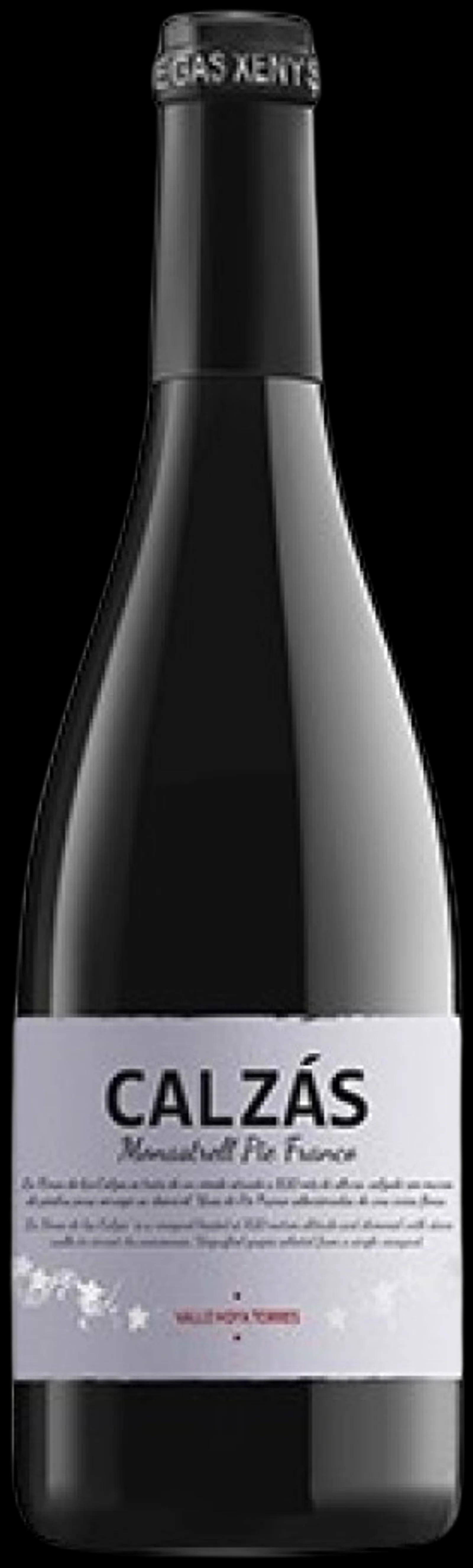
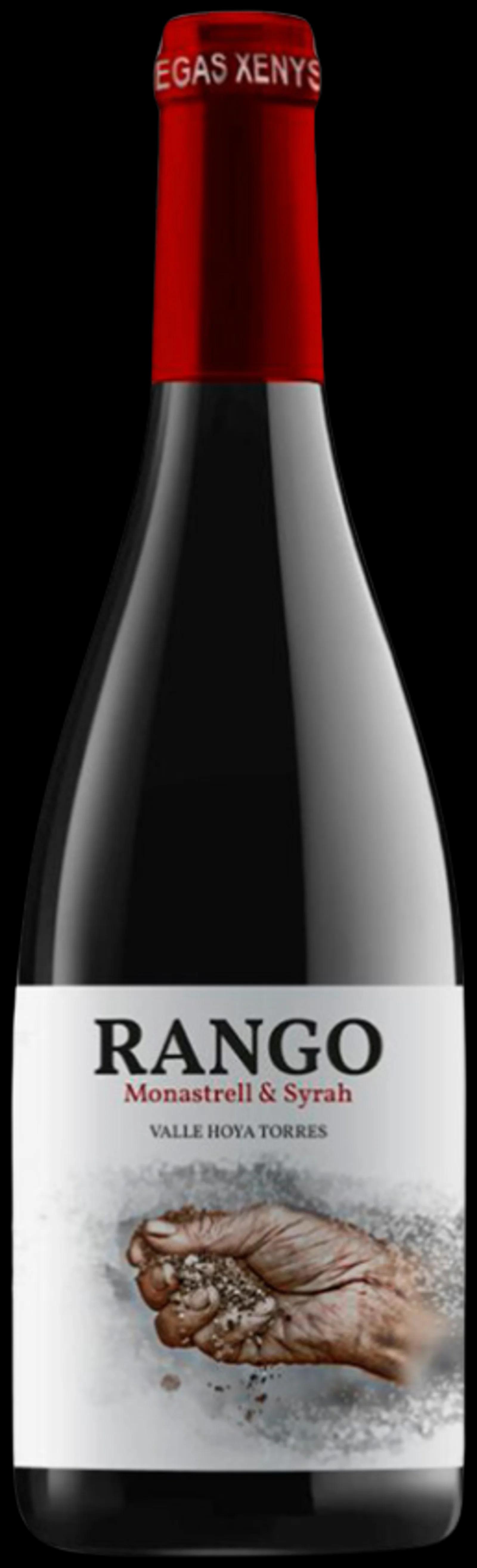
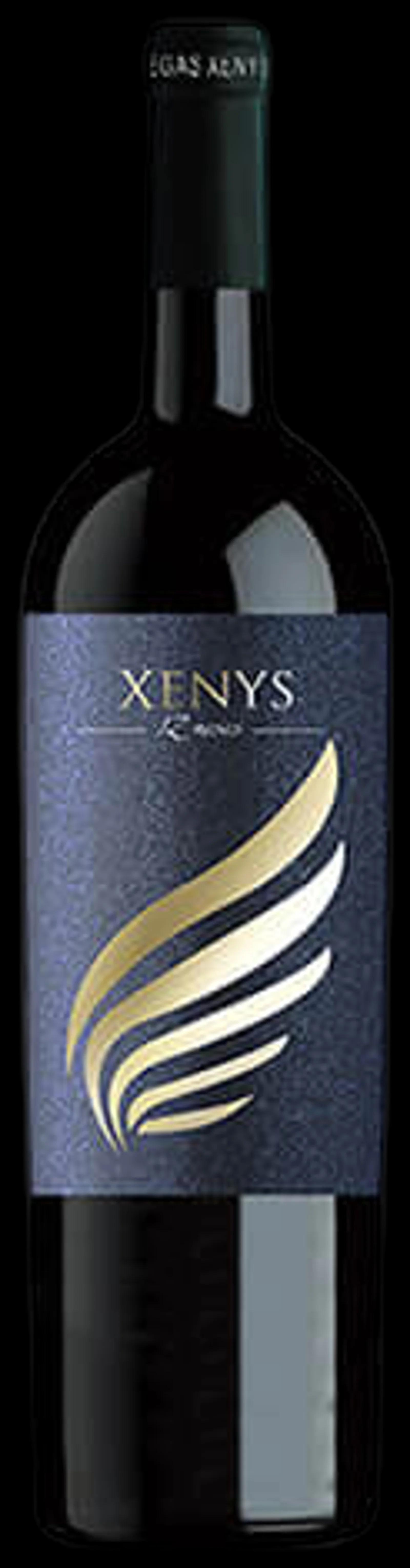
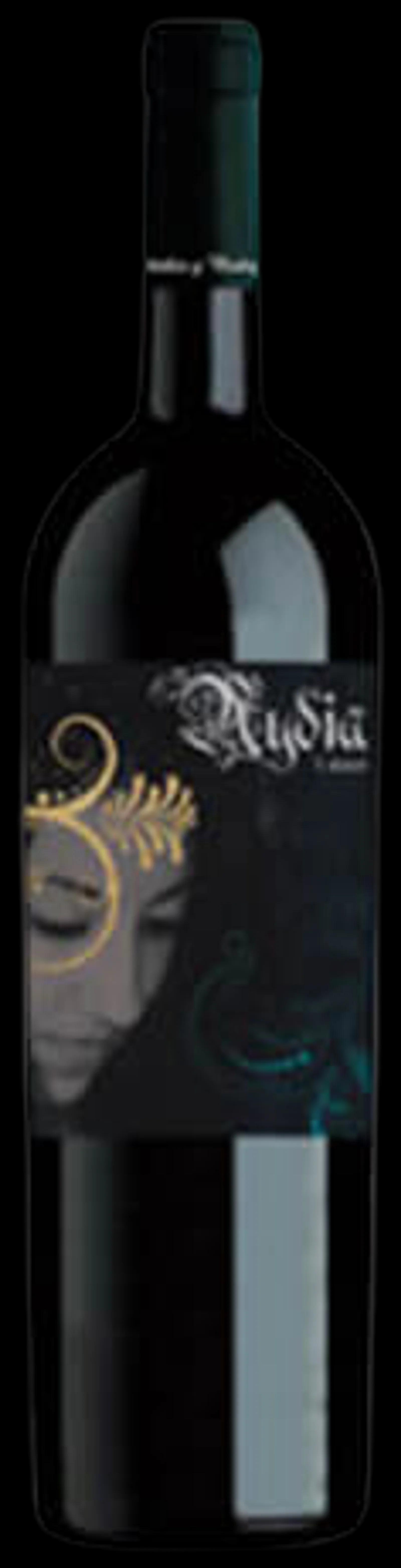
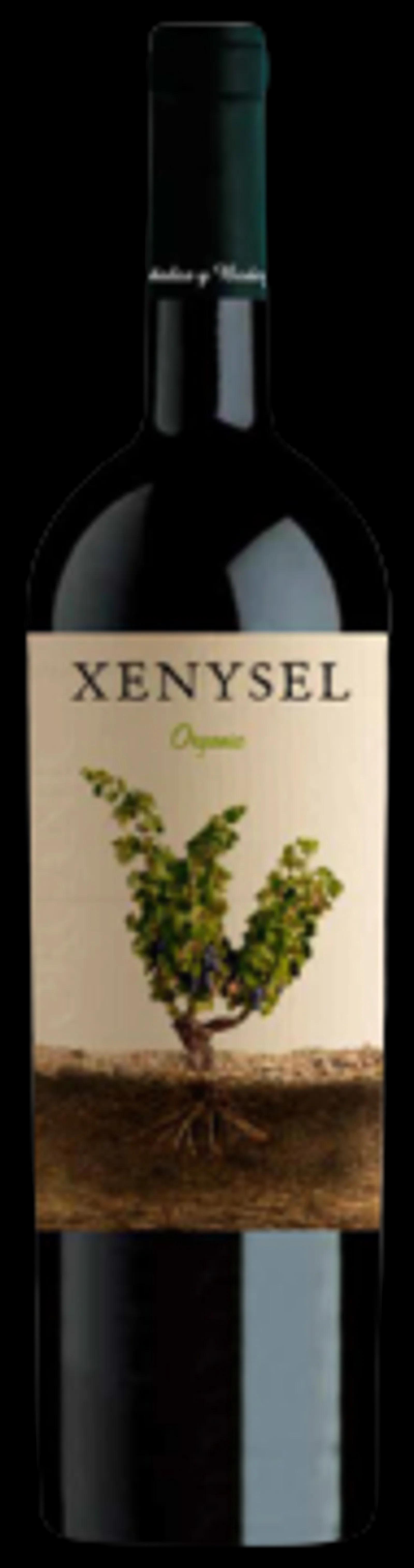
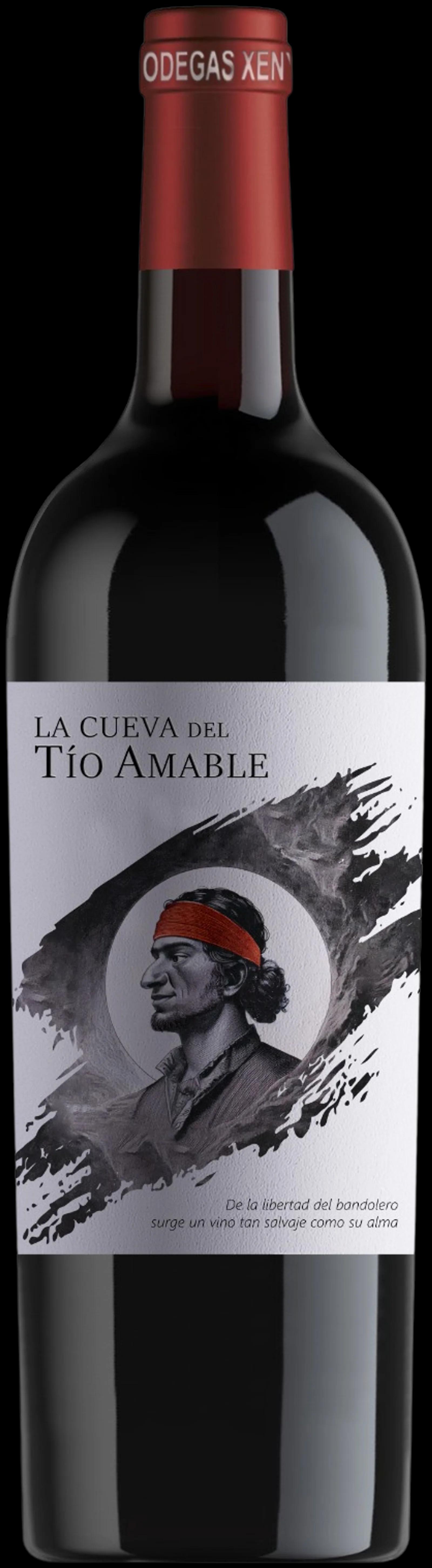
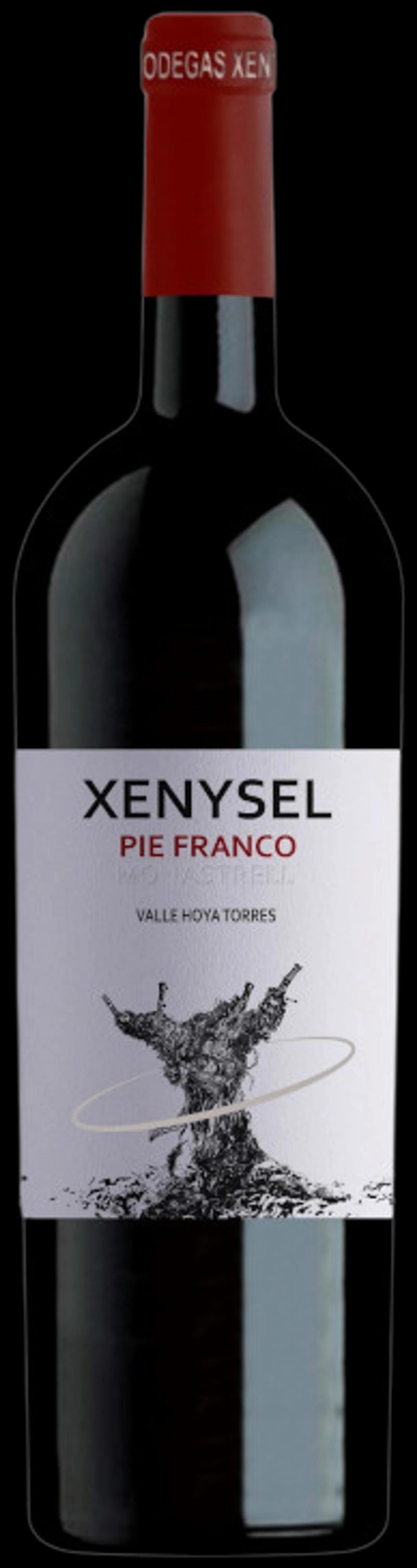
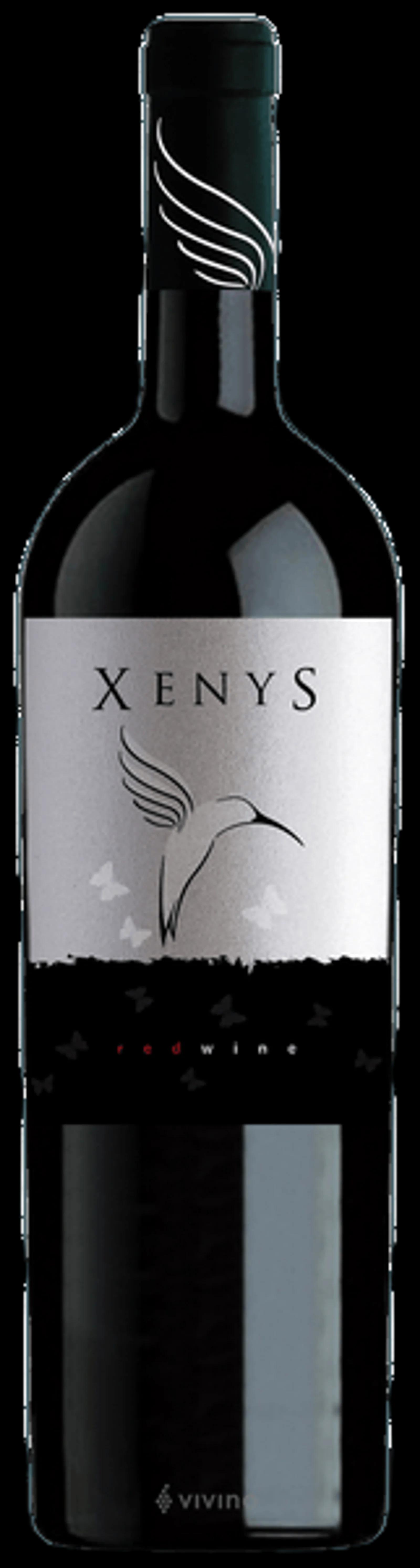
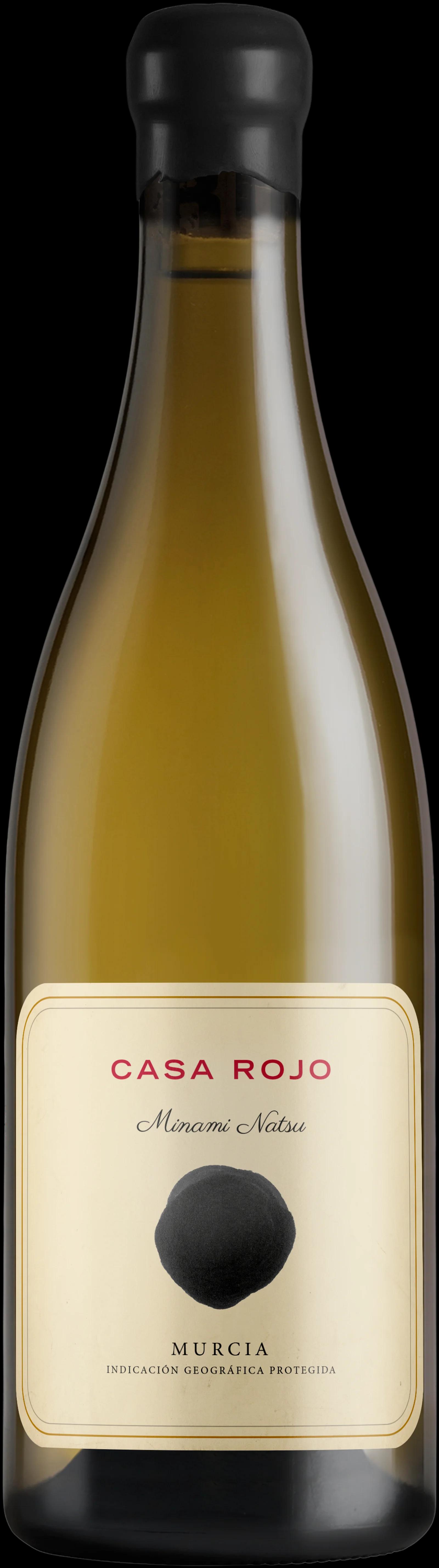
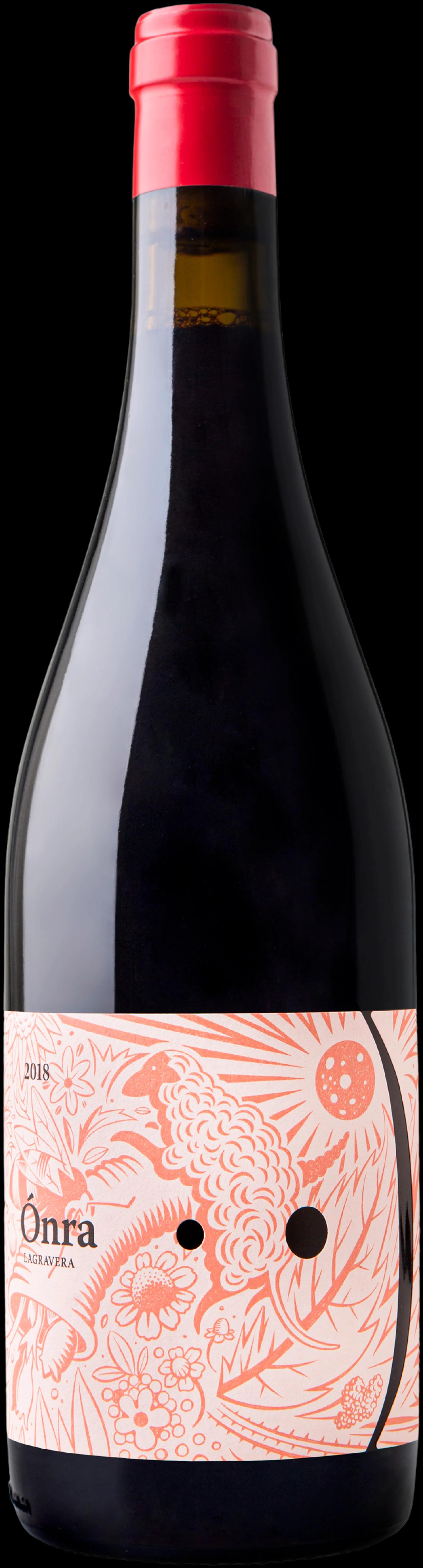
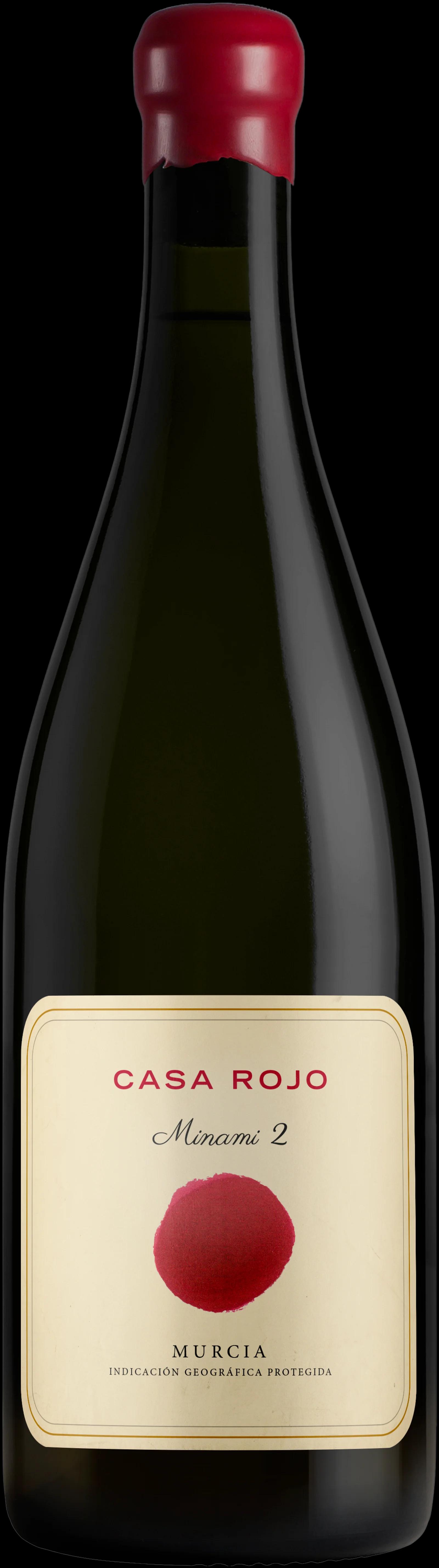
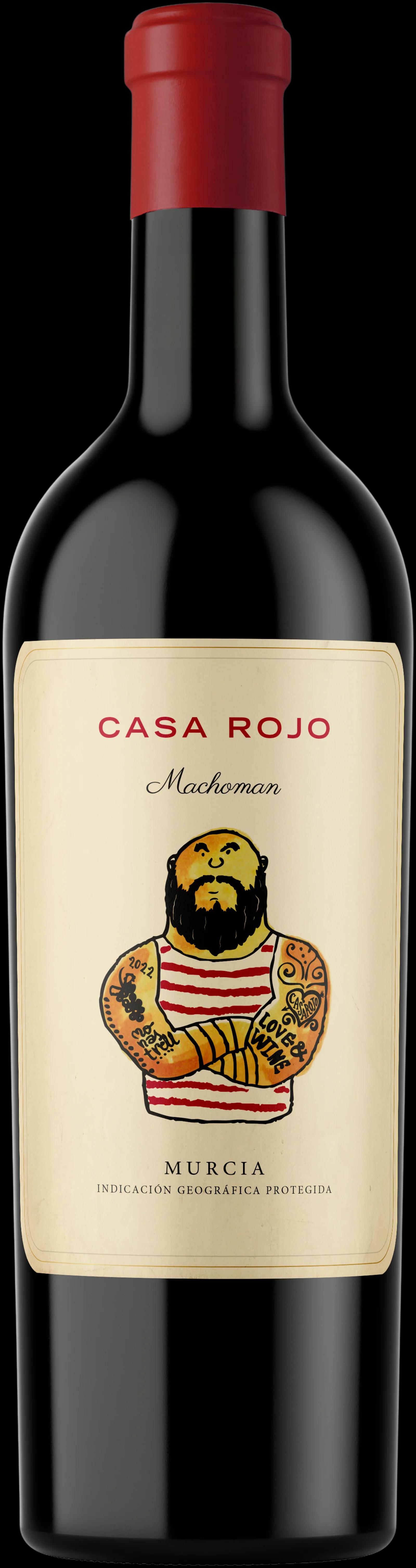
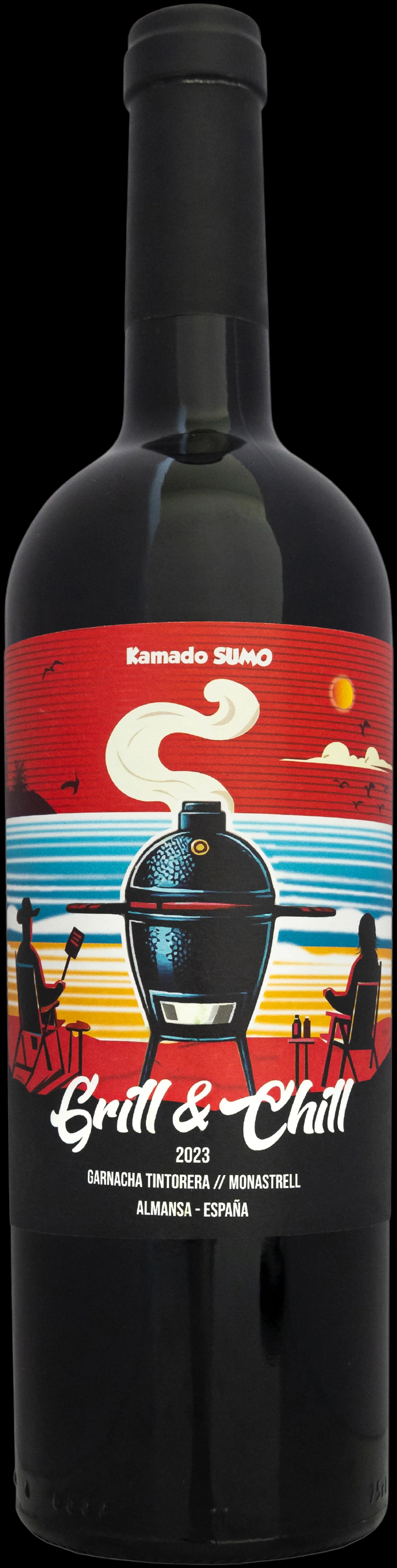
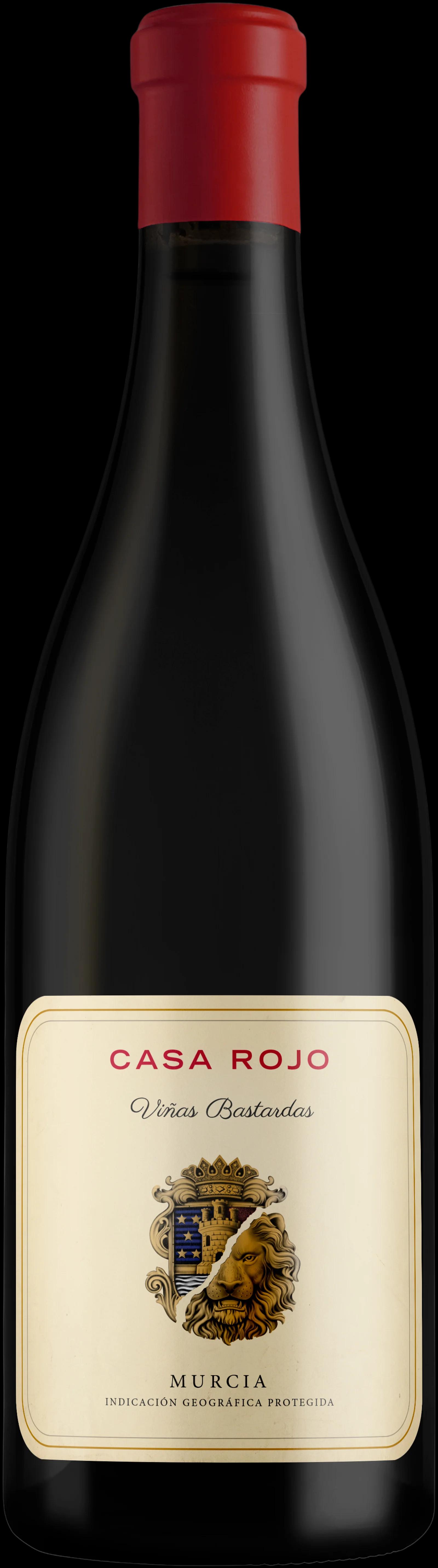
Monastrell is one of the few red grapes that genuinely thrives in semi-arid conditions. In Murcia — which includes the appellations of Jumilla, Yecla, and Bullas — the grape accounts for the majority of red plantings. Annual rainfall in Jumilla averages below 300mm, and summer temperatures regularly exceed 40°C. Under those conditions, Monastrell produces wines with phenolic density that most red grapes cannot sustain: tannins that are ripe but structural, and alcohol that sits naturally between 14% and 15.5% without supplementation. The grape's thick skin is the mechanical reason — it evolved over centuries in this landscape, not in a winery. Further north in Castilla La Mancha, Monastrell also appears in blends, typically alongside Tempranillo or Garnacha, where it functions as a structural backbone rather than a lead variety. The difference between a Jumilla single-varietal Monastrell and a Castilian blend using the same grape is not marginal — it is a question of whether the variety is centered or supporting. Producers on Free Grape Society working with Spanish Monastrell tend to be single-estate operations where the vineyards are old, often 40 to 80 years, which concentrates the fruit and reduces yields naturally without intervention.
How Spanish Monastrell compares to Mourvèdre in France
Monastrell and Mourvèdre are genetically identical. The difference is where they grow and what producers do with them. In the Languedoc-Roussillon and the southern Rhône, Mourvèdre is almost never the lead grape — it is a blending component used to add structure and dark fruit to Grenache-dominant wines, rarely exceeding 20–30% of a blend. In Jumilla and Yecla, the same grape is bottled as a 100% single-varietal wine, often with minimal oak or no oak at all, letting the grape's natural extract and tannin speak without a winemaking filter. The result is structurally denser, more austere at release, and built for aging in a way that most Languedoc blends are not. Another divergence is alcohol management: in France, blending disciplines the variety's heat; in Spain, old-vine concentration and dry-farming are used instead. Neither approach is wrong, but they produce categorically different wines. If you have followed Mourvèdre from France, Spanish Monastrell will be familiar in fruit profile but more direct and less mediated by blending logic. Producers working with this grape in Spain are aware of the comparison and frequently position their wines as standalone rather than analogous to French equivalents.
Styles of Monastrell from Spain
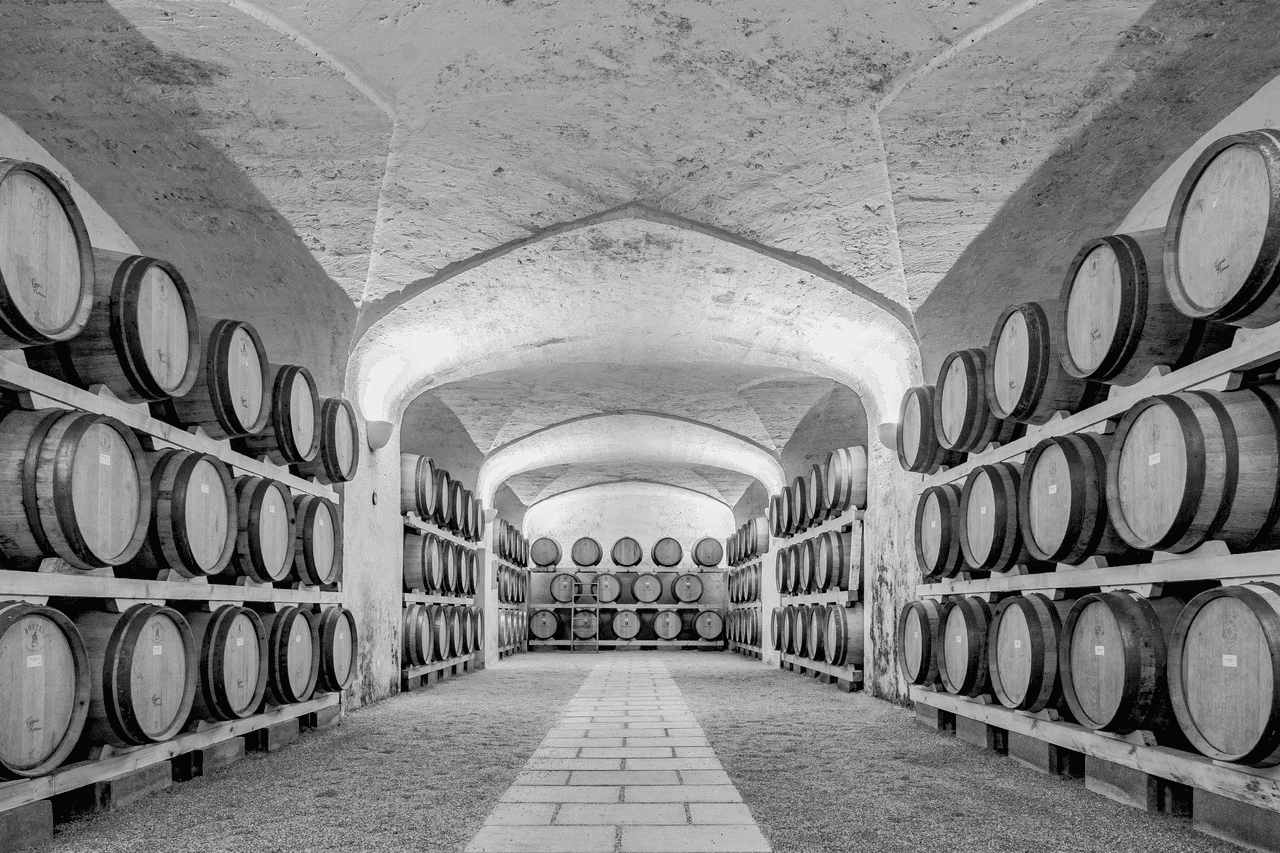
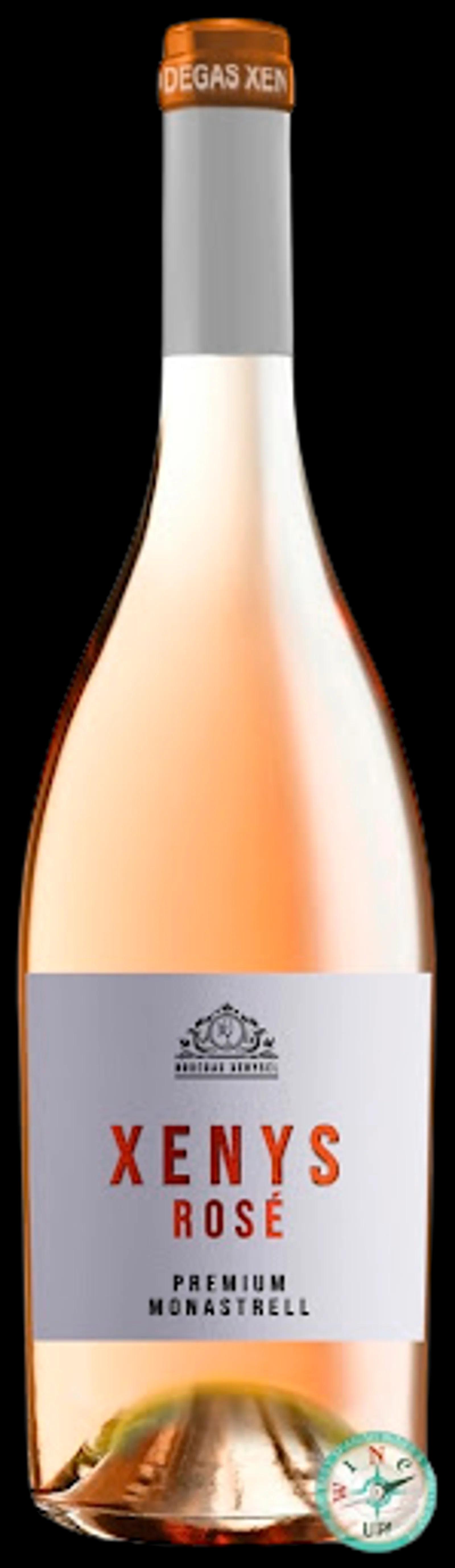
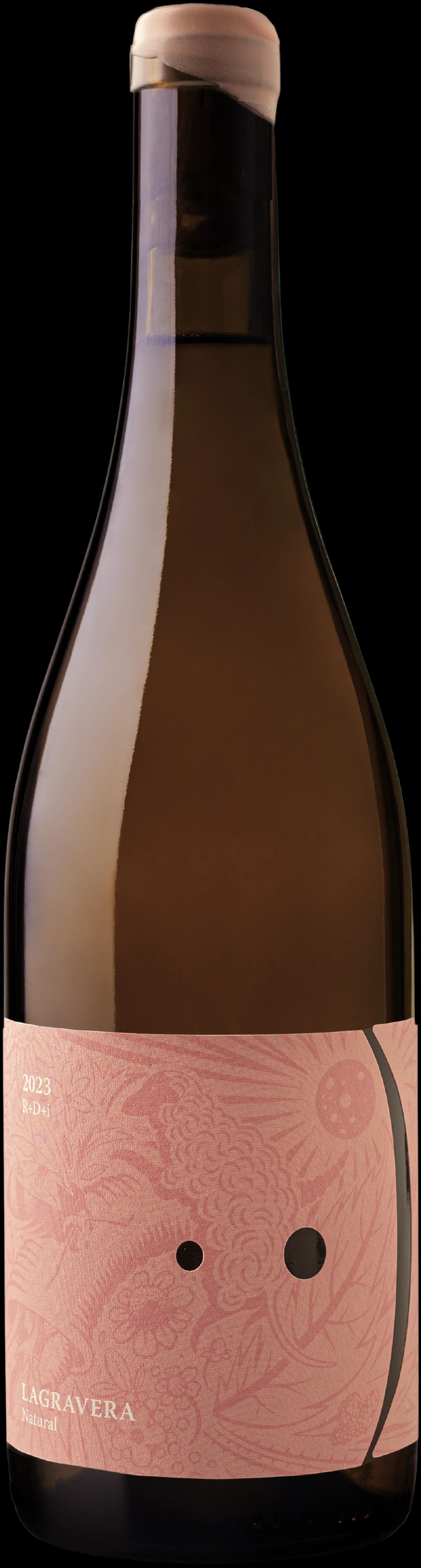
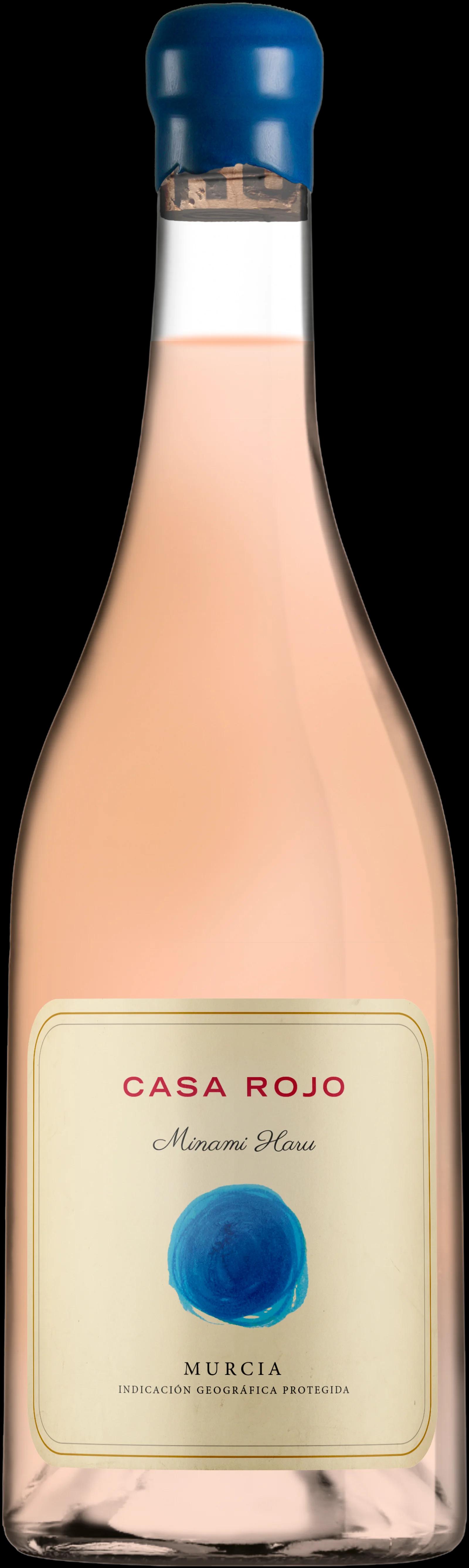
Spanish Monastrell is not one style. The variation comes from three variables: altitude, vine age, and oak regime. At lower altitudes in Jumilla's Campo Arriba subzone, the heat produces rounder, more immediately accessible wines with ripe dark plum and cocoa notes. Higher elevation plots — some vineyards in Jumilla sit above 700m — retain more acidity and produce wines with longer potential. Vine age matters more for Monastrell than for most Spanish red varieties: vines under 20 years produce adequate fruit, but the concentration and mineral complexity that define the best examples come from vines 40 years and older. On the oak question, producers are divided. Some use 12 to 18 months in French barrique to integrate the grape's dense tannin; others work in large 500-litre foudres to preserve fruit purity; a growing number use no oak at all, releasing wines that are structured but not softened by wood. That last approach is relatively recent in this region and reflects a broader shift toward transparency in winemaking. The Monastrell grape also produces rosé — particularly in Murcia and Catalonia — where its thick skin yields wines with more color and texture than rosés made from lighter-skinned varieties. These are not pale Provençal-style wines; they are deeper, more mineral, and built to accompany food rather than function as aperitifs.