Pinot Meunier: the grape behind Champagne's depth and roundness

Pinot Meunier wine is the quiet backbone of many of the world's most celebrated sparkling wines, valued for the rounded fruit and approachability it brings to a blend. Browse wines made from this grape from independent producers on Free Grape Society.

Grown across the Marne Valley and beyond, it ripens early and softens where Pinot Noir would struggle.

Color

Dropdown arrow

Type

Dropdown arrow

Country

Dropdown arrow

Region

Dropdown arrow

Grape

Dropdown arrow

Pairing

Dropdown arrow

Sort by

Sort arrow
Pinot Meunier

Pinot Meunier wines

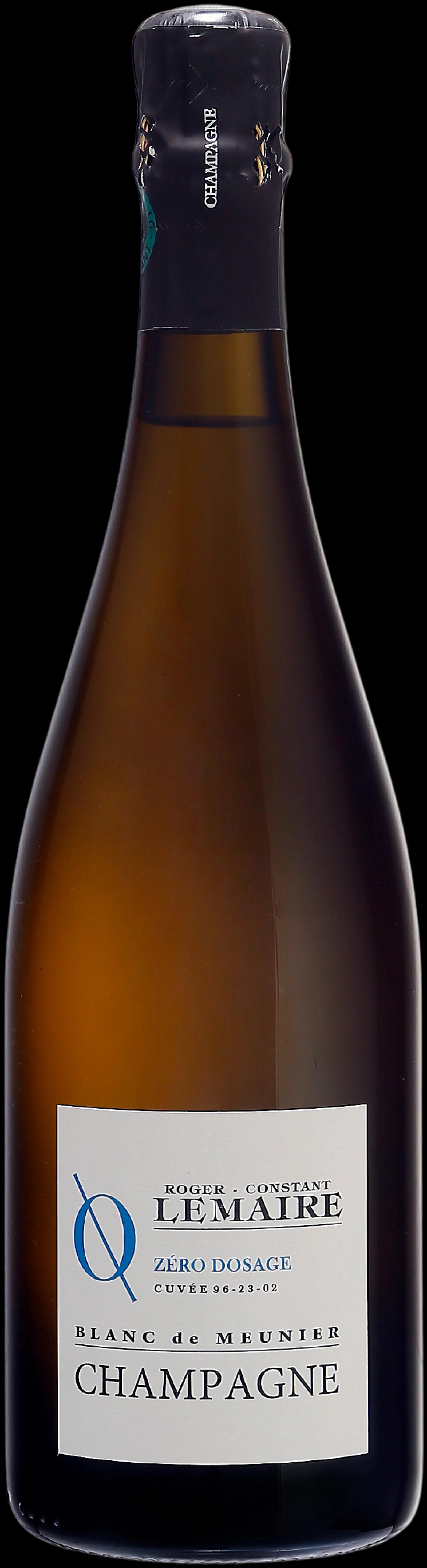
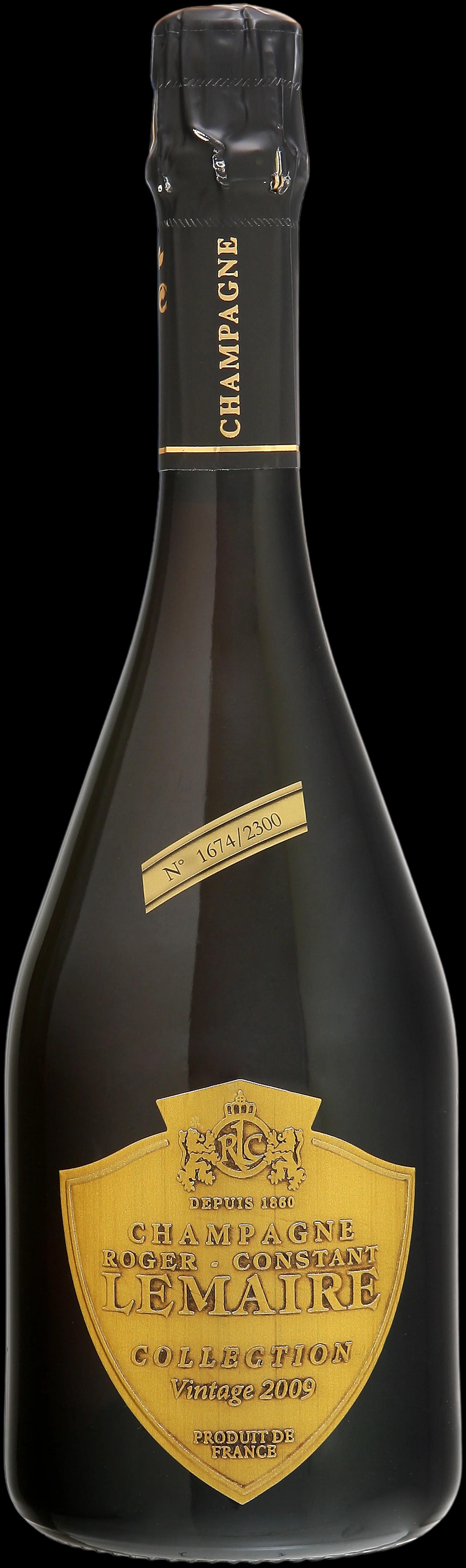
Pinot Meunier is a mutation of Pinot Noir, distinguished by its floury-white leaf undersides — meunier means miller in French, a reference to that dusting. It buds and ripens earlier than Pinot Noir, which makes it well suited to the frost-prone, chalky slopes of the Marne Valley in Champagne. In a blend it contributes fresh red fruit, roundness and early drinkability; as a still varietal wine it is rarer, but the producers below grow it with that kind of intention. Each bottle ships directly from their cellar to your door, with no importer or warehouse in between.

4 of 4 wines

Previous1 of 1Next

Pinot Meunier mixboxes

A mixbox is a producer's own six-bottle selection — the recommendation they would make if you visited them in person. For a grape like Pinot Meunier, which many growers use primarily in blends, a producer's own box often shows how they think about the variety across different cuvées or vineyards. Free Grape Society is a society of producers, independent experts and wine lovers — not a shop — and a mixbox is one of the clearest expressions of that.

View all mixboxes

Wineries

The growers on this page work with Pinot Meunier in very different ways: some use it as a component in traditional-method sparkling wines, others vinify it as a standalone still red. Reading a producer's own profile is often the best way to understand their approach, and the wine-advice service is there if you would like to talk through the options before choosing.

View all wineries

Wine experts

Pinot Meunier does not attract as many specialist reviews as Pinot Noir or Chardonnay, which makes independent expert input especially useful here. Wine experts on Free Grape Society review wines they have personally tasted, and those reviews appear on the individual wine page and on each expert's own profile. Several of the experts listed here have tasted Pinot Meunier wines from the producers on this page — their notes are worth reading before you decide.

View all wine experts

Frequently asked questions

How do I order a Pinot Meunier wine on Free Grape Society?

Browse the wines on this page and add a bottle to your cart. Each wine ships directly from the producer's own cellar to your door. Free shipping is included, delivery typically takes 4–14 days, and you can pay securely with Klarna or card. There are no minimum order requirements.

What happens if a bottle arrives broken or doesn't taste right?

Send a photo to Free Grape Society customer support within 7 days of delivery. We will arrange a replacement or a refund. Because producers ship directly, quality issues are handled with the producer's direct involvement. Shared responsibility is built into how FGS works.

Can I order Pinot Meunier wines from more than one producer in the same order?

Yes. You can add wines from different producers to a single cart. Each producer ships their wines separately from their own cellar, so you may receive two or more packages. Delivery times are the same — 4–14 days — and free shipping applies to each.

How long does delivery take?

Average delivery is 8 to 9 days from order to door. The full range is 4 to 14 days depending on the producer's location and your delivery address. Wines ship directly from the producer's cellar, not from a central warehouse.

How do I choose between Pinot Meunier wines from different producers?

Start with whether you want a still or sparkling wine — Pinot Meunier appears in both, and the style varies considerably. For sparkling, look at the blend composition and the producer's notes on disgorgement and dosage. For still reds, climate and site matter: cooler plots give more freshness, warmer ones more weight. Expert reviews on each wine page can help you narrow it down.

Is Pinot Meunier usually blended or made as a single-variety wine?

In Champagne it is almost always blended, typically with Pinot Noir and Chardonnay. It contributes roundness, early-drinking appeal and red-fruit character. As a standalone varietal wine it is rarer and worth seeking out — a small number of producers, particularly in Champagne and Germany, bottle it on its own. The wines on this page include both styles.

Which wine expert can recommend a Pinot Meunier wine for me?

Visit the wine experts section on this page or go to the expert profiles to see who has reviewed Pinot Meunier wines. Fill in the question form and an independent expert will respond with a personal recommendation based on your preferences and budget. The service is free.

Why don't you sell supermarket-brand Pinot Meunier wines?

Supermarket Pinot Meunier typically comes from large négociants who blend across many sources for consistency and volume. On Free Grape Society, wines come from independent producers who grow and bottle their own fruit. That means you can read exactly where the grapes came from, who made the wine, and how — information that simply does not exist on a retailer's own-label bottle.

Can I buy Pinot Meunier wines like this in a regular wine shop?

Most wine shops stock Champagne blends that contain Pinot Meunier, but standalone varietal wines from this grape are rarely found on standard retail shelves. The distribution model for small independent producers — who bottle their own fruit and ship in limited volumes — does not suit conventional retail. Free Grape Society connects you directly with those growers, which is how their wines reach you at all.

Where Pinot Meunier comes from and why Champagne defines it

Pinot Meunier is above all a Champagne grape. It is the most widely planted variety in the Champagne appellation, grown across the cooler, clay-heavy soils of the Vallée de la Marne where Pinot Noir struggles to ripen reliably. The grape buds late and ripens early, which makes it more frost-resistant than its siblings and well-suited to the region's marginal northern climate. For most of Champagne's modern history it was treated as a blending component — valued for the fresh fruit and early drinkability it adds to a cuvée — while Pinot Noir and Chardonnay took the prestige billing. That has shifted. A generation of growers, particularly in the récoltant-manipulant movement, began bottling Pinot Meunier as a single-variety wine, and those bottles showed that the grape has genuine character of its own: red fruit, spice, a slightly earthy depth, and a roundness that makes the wines approachable without sacrificing complexity. Outside Champagne, the grape appears in Burgundy and parts of Germany under the name Schwarzriesling, where it is made as a still red, typically lighter-bodied and brighter than Pinot Noir from the same region.

How Pinot Meunier tastes and what to eat with it

Pinot Meunier wines share a recognisable profile whether still or sparkling: red and black fruits — strawberry, raspberry, blackcurrant — alongside notes of spice, brioche in sparkling examples with age, and an earthy, sometimes floral edge. The grape has higher natural acidity than Merlot but sits softer on the palate than Pinot Noir at its most structured. In a sparkling context that acidity reads as freshness and cut; in still wines it keeps the fruit lively. At the table, Pinot Meunier sparkling wines are versatile — they work alongside cured charcuterie, soft cheeses, roast chicken, and fish with some richness, such as sea bass or baked salmon. Still Schwarzriesling from Germany pairs naturally with lighter meat dishes, mushroom-based pasta, and Alsatian-style tarts. If you are exploring the grape across its expressions, comparing a blanc de noirs Champagne built on Pinot Meunier with a still version from a German grower is one of the more instructive side-by-side tastings you can do — the same structural DNA reads very differently in each format. Wines from the broader family are on the red wines from France and German wines pages.

Buying Pinot Meunier direct from independent producers

Most Pinot Meunier you encounter in retail is part of a large-house blend, which is precisely why the bottles on this page are worth your attention. The growers here bottle the variety themselves — either as a mono-cépage still wine or as a sparkling wine carrying Pinot Meunier as the dominant or sole grape — and they ship directly from their own cellars, with no importer or warehouse in between. That direct relationship means the wines you receive are the same bottles the producer packs and dispatches, and it makes questions about vintage, disgorgement date, or winemaking approach easy to answer. Wines tasted before listing are a baseline on Free Grape Society, and independent wine experts add their own ratings and reviews on top of that. If you want a second view before choosing between a Meunier-led Champagne and a still Schwarzriesling, the wine-advice service is there for exactly that. Free Grape Society is a society of producers, independent experts and wine lovers — not a shop. Producers from Champagne and Germany feature on this page; if you want to explore the wider range of growers, the all wineries page is a good place to start.