Moscato Rosa: a rare pink-skinned aromatic grape from the Alps

Moscato Rosa wine is one of the rarest expressions of the Muscat family — a red-skinned grape that produces pale rose-red wines of extraordinary floral intensity. The producers below grow it in the Alpine foothills of northeastern Italy.

Intensely perfumed, low in tannin, and at home in the cool valleys of Trentino and South Tyrol.

Color

Dropdown arrow

Type

Dropdown arrow

Country

Dropdown arrow

Region

Dropdown arrow

Grape

Dropdown arrow

Pairing

Dropdown arrow

Sort by

Sort arrow
Moscato Rosa

Moscato Rosa wines

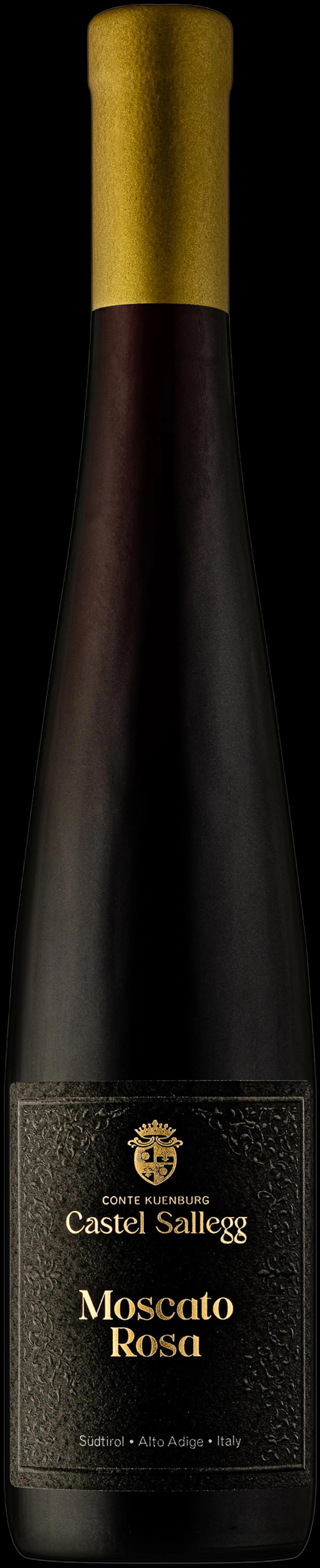
Moscato Rosa belongs to the broader Muscat family but sits apart from it. Where Moscato Bianco and Moscato Giallo tend toward lightness and easy charm, Moscato Rosa carries more weight and a deeper perfume — rose petal, violet, and spice over red fruit. It is red-skinned, which gives the wine its pale rose-red colour, but it is vinified with very little skin contact, so tannin stays almost absent. Most bottles come from small estates in Trentino and South Tyrol, where cool mountain air slows ripening and preserves the grape's aromatic intensity. Each wine below is shipped directly from the grower's own cellar, with no importer or warehouse in between.

Previous1 of 1Next

Moscato Rosa wine cases

A mixbox is a producer's own selection of six bottles, put together as the recommendation they would make from their own range. For a grape as rare as Moscato Rosa, that can mean tasting one estate's aromatic wines side by side — seeing how the same grower handles the variety across styles or vintages. Free Grape Society is a society of producers, independent experts and wine lovers, not a shop.

View all mixboxes

Wineries

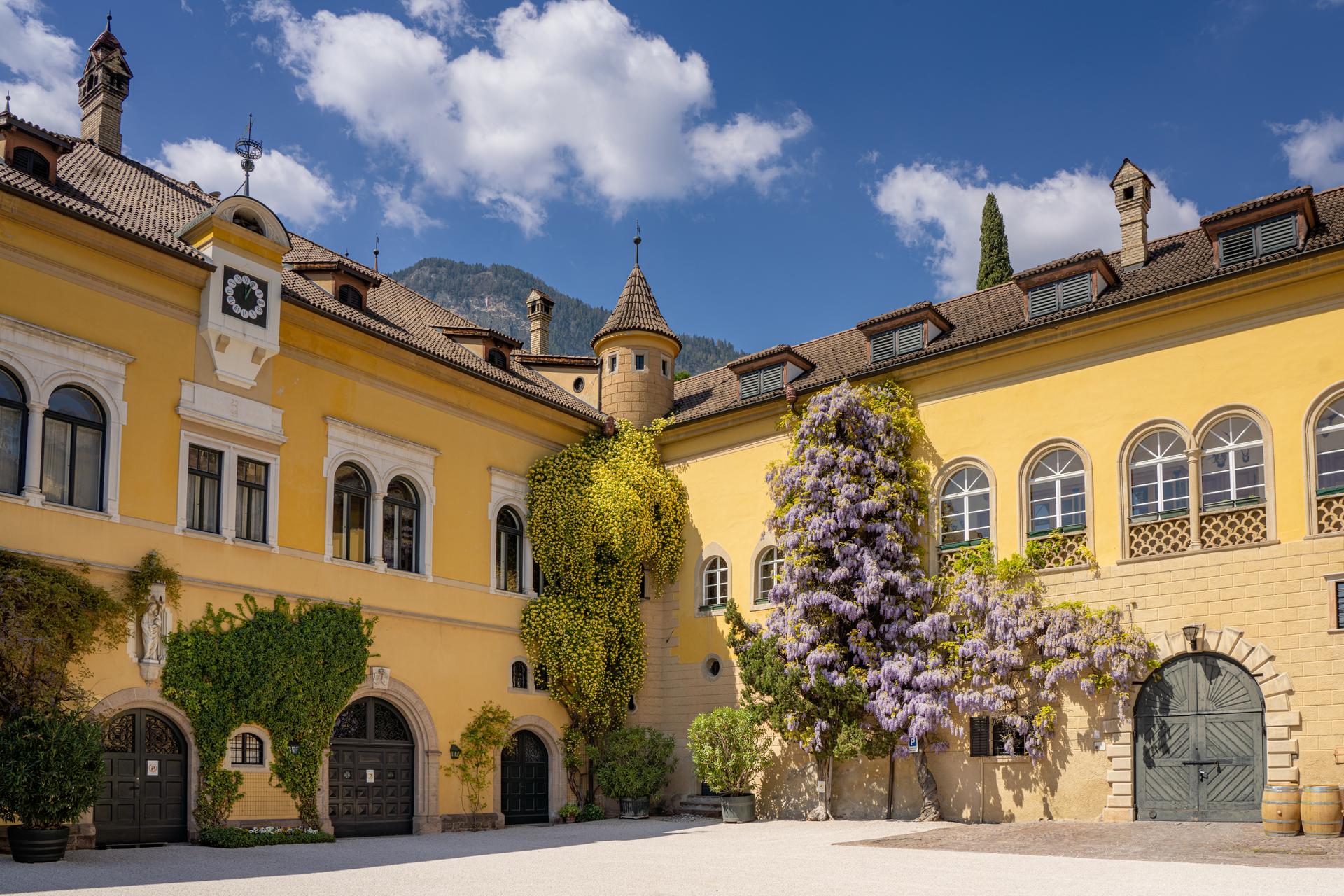
The growers who work with Moscato Rosa are almost all small family estates in northeastern Italy. South Tyrol and Trentino account for the overwhelming majority of the world's plantings, which means the producer list here is short but specific. Reading a producer's own notes is usually the quickest way to understand their approach to this grape, and the wine-advice service is there if you would rather talk it through before choosing.

View all wineries

Wine experts

Moscato Rosa divides opinion — some find it too perfumed, others consider it one of the most singular wines in Italy. Independent wine experts review wines they have personally tasted, and their reviews are visible on each wine page and on the expert's own profile. Several of the experts here have reviewed Moscato Rosa wines featured on this page, so you can see what they thought before deciding.

View all wine experts

Frequently asked questions

How do I order Moscato Rosa wine on Free Grape Society?

Browse the wines above, add bottles to your cart, and check out. Each bottle ships directly from the producer's own cellar to your door. Delivery takes an average of eight to nine days, within a range of four to fourteen days depending on where the producer is based. Free shipping is included, and you can pay by card or with Klarna.

What happens if a bottle arrives broken or doesn't taste right?

Send a photo to Free Grape Society customer support within 7 days of delivery. We will arrange a replacement or a refund. Because producers ship directly, quality issues are handled with the producer's direct involvement. Shared responsibility is built into how FGS works.

Can I order Moscato Rosa wines from more than one producer in the same order?

Yes. You can add wines from different producers to the same cart. Each producer ships their bottles separately from their own cellar, so you may receive more than one delivery if your order spans multiple estates. Shipping is free regardless of how many producers are in your order.

How long does delivery take?

Average delivery is 8 to 9 days from order to door. The full range is 4 to 14 days depending on the producer's location and your delivery address. Wines ship directly from the producer's cellar, not from a central warehouse.

How do I choose between different Moscato Rosa wines on the page?

Moscato Rosa is produced in a narrow geographic range, so the main differences between bottles come from the individual estate: how ripe the grapes were picked, whether any residual sugar was retained, and how long the wine spent on its skins. Reading the producer's own notes on each wine page is a good starting point. You can also ask one of the independent wine experts on the platform for a recommendation.

Are all the Moscato Rosa wines on Free Grape Society from Italy?

Almost all Moscato Rosa comes from Trentino and South Tyrol in northeastern Italy, where the grape has its deepest roots and the largest share of global plantings. Isolated plantings exist elsewhere in Europe, but the grape is rare enough that Italian producers account for nearly all commercially available bottles. The selection on this page reflects that reality.

Which Moscato Rosa wine expert can recommend something for me?

Use the Ask a wine expert form on the page. An independent wine expert who knows the variety will respond with a personal recommendation based on your taste and budget. Experts on Free Grape Society review wines they have personally tasted, so their advice is grounded in direct experience rather than tasting notes copied from elsewhere.

Why don't you sell supermarket-brand Moscato Rosa wines?

Supermarket Moscato is almost always made from Moscato Bianco — the common yellow-skinned variety — rather than the rare red-skinned Moscato Rosa. The names are similar but the wines are entirely different. Free Grape Society lists wines from independent producers who grow and bottle their own grapes, which is why Moscato Rosa appears here as a distinct grape, not as a style or a flavour descriptor.

Can I find Moscato Rosa at a wine shop or supermarket in Europe?

Rarely. Moscato Rosa is planted on a very small total area worldwide, and most production stays within Italy or is allocated to specialist importers. It almost never reaches supermarket shelves. Buying directly from a producer through Free Grape Society is one of the more practical ways for a consumer outside northeastern Italy to access the grape at all.

Where Moscato Rosa comes from and why it grows where it does

Moscato Rosa is one of the rarest members of the Muscat family, grown in a handful of places where the conditions happen to suit its exacting temperament. Its heartland is the Alto Adige and neighbouring Trentino-South Tyrol, where the variety has been documented for centuries and where the combination of Alpine altitude, warm summer days and cool nights preserves the grape's natural perfume and acidity. Across the border, Friuli Venezia Giulia and, further south, parts of Tuscany produce small quantities, often bottled as a single-variety dessert wine or a delicate dry rosé depending on when the grapes are picked. In Austria, particularly in Burgenland and Steiermark, the variety appears under the name Rosenmuskateller — the same grape, a different country, and a slightly different stylistic tradition. What all these places share is a willingness to work with a grape that yields little and demands careful handling in the vineyard.

How Moscato Rosa tastes, and what to drink it with

The grape's calling card is its scent: rose petal and violet, lifted and precise, sitting above a fruit core of raspberry and cherry. That floral intensity is not an accident of winemaking — it comes from the grape's own aromatic compounds, which is why a Moscato Rosa from a producer in Alto Adige smells unmistakably different from a generic pink wine. Most bottles are made sweet or off-dry, with alcohol kept low to let the perfume lead, though a small number of producers vinify it dry to show the variety's structure rather than its sweetness. Because the grape carries natural acidity, even the sweeter versions rarely feel heavy. At the table, it pairs well with aged cheeses, dark chocolate, and fruit-forward desserts — but it also works, unexpectedly, alongside spiced dishes where its floral top notes act as a counterpoint to heat. Producers working with Moscato or the closely related Moscato Giallo often give a useful point of comparison: Moscato Rosa tends to show more red-fruit character and a deeper colour, while Moscato Giallo stays lighter and more citrus-driven.

Buying Moscato Rosa direct from independent producers

Because Moscato Rosa is produced in small quantities, it rarely reaches standard retail channels in meaningful volume. Most bottles are made by estates that grow the grape themselves and bottle it on site, which means the most reliable way to find it is to go directly to the source. On Free Grape Society, producers ship directly from their own cellar, with no importer or warehouse in between — which matters for a variety this fragile and this lightly produced. Wines tasted before listing means there is at least a baseline of quality assurance before a bottle reaches the site. Producers working with this grape often also grow other aromatic varieties from the same regions, so exploring the broader Trentino-South Tyrol or Friuli Venezia Giulia ranges alongside a Moscato Rosa bottle is a good way to understand the context it comes from. Free Grape Society is a society of producers, independent experts and wine lovers, not a shop — and a grape this specific is exactly the kind of discovery the platform is built around.