Albariño: the Atlantic grape of Galicia and beyond

Albariño wine is one of Europe's most distinctive whites: high in acidity, low in alcohol, and shaped by the wet Atlantic coast where it does best. The producers below grow it from its Galician heartland outward.

Crisp, saline and aromatic — grown where the ocean shapes the vine.

Color

Dropdown arrow

Type

Dropdown arrow

Country

Dropdown arrow

Region

Dropdown arrow

Grape

Dropdown arrow

Pairing

Dropdown arrow

Sort by

Sort arrow
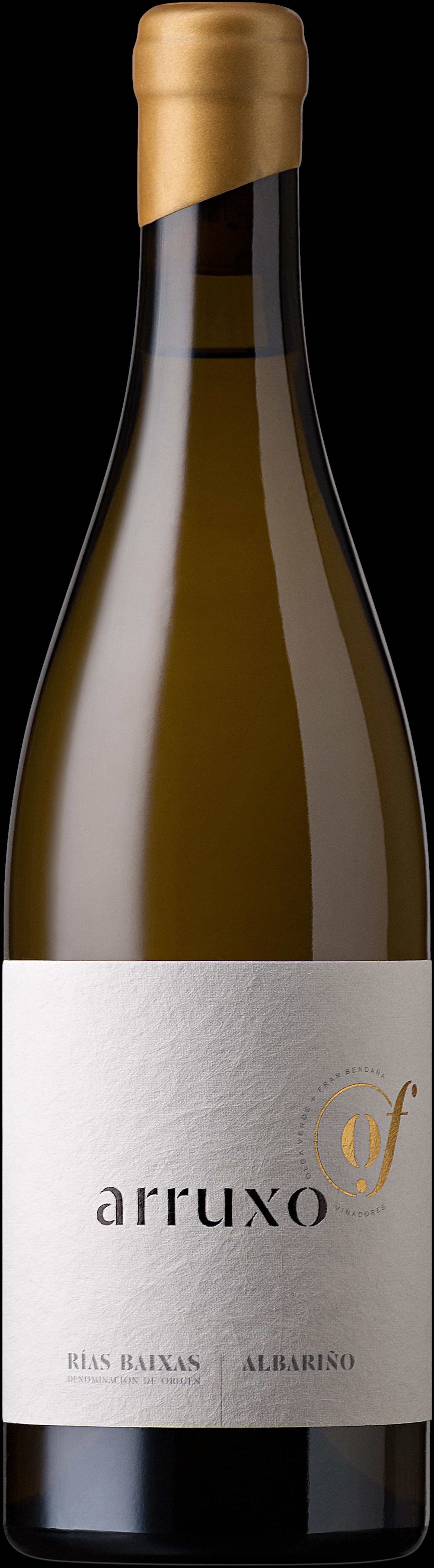
Albariño

Albariño wines

Albariño comes from one of the rainiest corners of Europe — the Galician coast in northwest Spain and just across the border in Portugal's Vinho Verde country, where it is called Alvarinho. That rain, combined with granite soils and Atlantic winds, gives the grape its defining tension: plenty of ripe stone fruit and floral lift, held in check by sharp acidity and a mineral, almost saline finish. On Free Grape Society, each bottle is shipped directly from the grower's own cellar, with no importer or warehouse in between.

Previous1 of 1Next

Albariño wine cases

A wine case here is six bottles put together by the producer as their own recommendation — the selection they would make if you came to the cellar and asked what to try. For a grape like Albariño, that often means tasting across a single estate's different vineyards or harvest conditions, where small changes in site and season come through clearly in the glass. Free Grape Society is a society of producers, independent experts and wine lovers, not a shop.

View all mixboxes

Wineries

The growers below all work with Albariño, but they come from different corners of its Atlantic range — some from the heart of Rías Baixas, others from neighbouring denominations where the variety is grown under slightly different conditions. Reading a producer's own notes is often the quickest way to understand what makes their approach distinct, and the wine-advice service is there if you would rather talk through the options before choosing.

View all wineries

Wine experts

Albariño is a grape that invites a second opinion, especially when you are navigating different producers and styles for the first time. Independent wine experts review wines they have personally tasted, and their ratings and notes are visible on each wine page and on the expert's own profile. Several of the experts below have reviewed Albariño wines featured on this page, so you can read what they found before deciding.

View all wine experts

Frequently asked questions

How do I order Albariño wine from Free Grape Society?

Browse the Albariño wines listed on this page and add bottles to your basket. Each wine ships directly from the producer's cellar, so if you order from more than one producer your bottles will arrive in separate deliveries. Payment is handled securely by Klarna or card, and shipping is free.

What happens if a bottle arrives broken or doesn't taste right?

Send a photo to Free Grape Society customer support within 7 days of delivery. We will arrange a replacement or a refund. Because producers ship directly, quality issues are handled with the producer's direct involvement. Shared responsibility is built into how FGS works.

Can I order Albariño from more than one producer in the same order?

Yes. You can add wines from different producers to a single basket and check out together. Because each producer ships from their own cellar, the bottles will travel separately and may arrive on different days within the 4–14 day delivery window.

How long does delivery take?

Average delivery is 8 to 9 days from order to door. The full range is 4 to 14 days depending on the producer's location and your delivery address. Wines ship directly from the producer's cellar, not from a central warehouse.

How do I choose between different Albariño wines on this page?

Albariño varies more than it might seem: wines from the coast of Rías Baixas tend to be saltier and more mineral, while those from inland subzones or Vinho Verde can be lighter or more floral. Reading the producer's own notes on each wine page is a good starting point, and the wine experts on this page have reviewed several of the bottles listed.

How does Free Grape Society decide which Albariño producers to list?

Wines are tasted before listing. The focus is on independent producers who bottle their own grapes — growers with a direct connection to the vineyard rather than négociants or large co-operative brands. The result is a selection shaped by individual decisions in the vineyard and the cellar rather than by volume production.

Which Albariño wine expert can recommend something for me?

The independent wine experts listed on this page have tasted and reviewed Albariño wines available through Free Grape Society. You can read their notes on individual wine pages or send your question directly through the wine-advice form — describe what you are looking for and an expert will come back with a personal recommendation.

Why don't you sell supermarket-brand Albariño wines?

Supermarket Albariño is typically sourced from large co-operatives and blended for consistency at scale. The wines on this page come from individual growers who make their own decisions in the vineyard and the cellar, which means more variation between bottles but also a clearer sense of where and how each wine was made.

Is Albariño available in shops and supermarkets across Europe?

Albariño from well-known producers does reach retail shelves in many European markets, but the independent growers listed here rarely distribute through large retail channels. Buying directly through Free Grape Society is often the only way to access wines from smaller estates that do not work with importers or distributors.

Where Albariño comes from and how its coastal home shapes the wine

Albariño is native to Galicia, the Atlantic-facing corner of north-western Spain, where it has been grown for centuries along the Rías Baixas coastline. The climate there is wet, cool and sea-influenced, and the grape reflects all of it: high natural acidity, restrained alcohol, and a saline, citrus-driven freshness that is difficult to replicate anywhere warmer or drier. The vines are typically trained high on granite pergolas to keep air moving through the canopy and reduce the risk of rot in a region that receives more rainfall than almost anywhere else in Spain. Across the border in Portugal, the same variety is called Alvarinho and anchors the Vinho Verde appellation, where it is often bottled with a gentle spritz and kept very lean. The two expressions are close cousins but read differently in the glass: Galician Albariño wines from Spain tend to be rounder and more textured, while Portuguese Alvarinho wines often carry more mineral tension. Producers working with this grape in other parts of Spain, such as Aragon or Valencia, are rarer, which makes the Galician heartland the natural place to start.

How Albariño tastes, and what to eat alongside it

Albariño is a white grape, and its wines are almost always dry. The profile is built around brightness rather than weight: expect lemon zest, white peach, and green apple at the lighter end, with grapefruit pith and a faint almond note as wines gain body and age. The acidity is one of Albariño's most consistent features across producers and is what makes it particularly useful at the table. It cuts through the fat in grilled fish, lifts shellfish, and holds its own alongside the seafood-heavy cuisine of the Galician coast, where the grape and the kitchen have evolved together over generations. Richer, barrel-fermented versions exist and suit roasted white fish or lightly creamed dishes. Unlike many aromatic whites, a well-made Albariño can develop interestingly over two to four years in bottle, gaining a waxy, lanolin-like texture while keeping its citrus core. If you are exploring the grape's range, it is worth comparing a young Rías Baixas bottling with a white wine from Portugal's Alentejo or a textured Galician wine made from a single estate to see how site and winemaker choices shift the same variety.

Buying Albariño direct from independent producers

Most Albariño found in retail sits at the commercial, high-volume end of production. The Rías Baixas appellation produces a great deal of wine, and much of it passes through large co-operatives and negociant bottlers before reaching a shelf. The smaller, estate-bottled producers who grow their own fruit and make decisions vineyard by vineyard are harder to find through conventional channels. On Free Grape Society, producers ship directly from their own cellar, with no importer or warehouse in between, which means the wine arrives as the grower intended it and at a price that reflects what the producer has actually chosen to charge. You can browse the full range of wines from Spain or go directly to the Galicia page to see which Galician estates are currently listed. For producers working with Atlantic varieties more broadly, the Portuguese wines section includes Alvarinho-producing estates from Vinho Verde. Wines tasted before listing means what you find here has already been opened and assessed before going on sale. Free Grape Society is a society of producers, independent experts and wine lovers, not a shop, and every producer who lists here does so on the same terms.