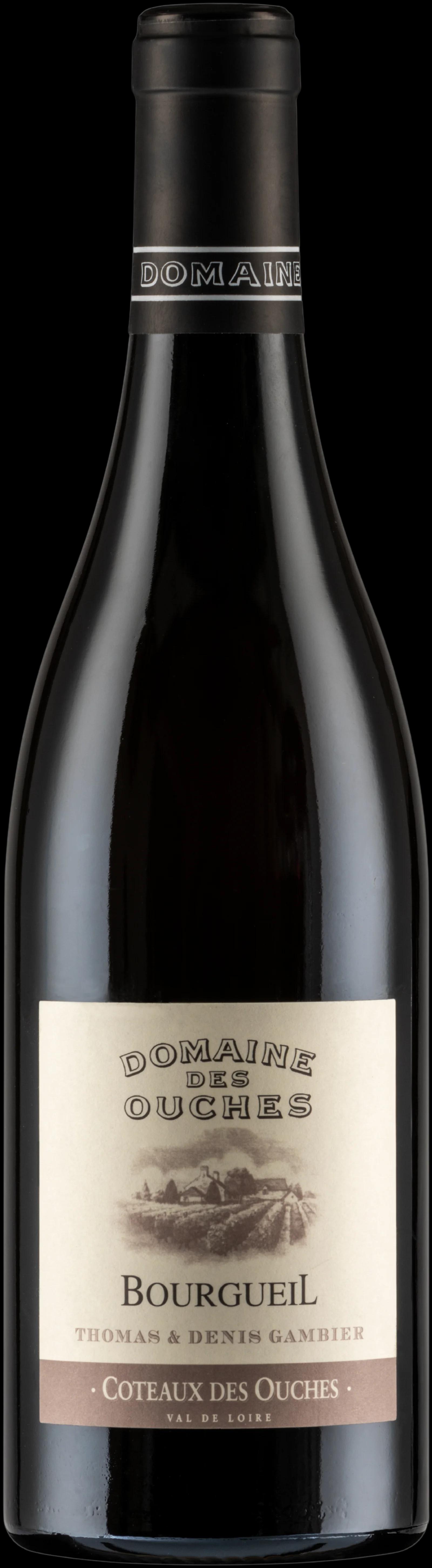
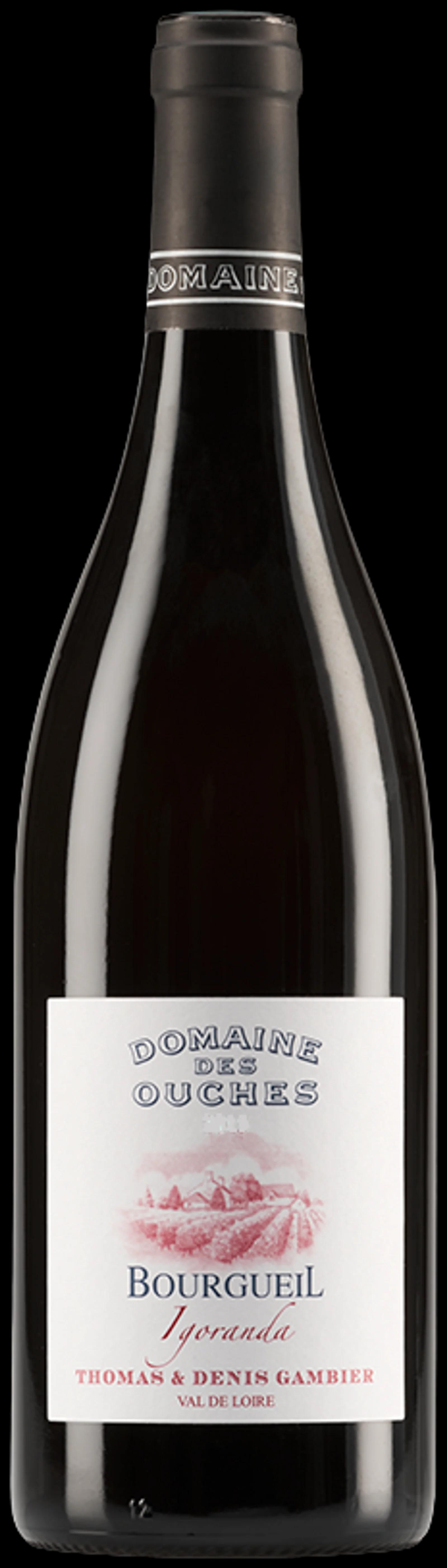
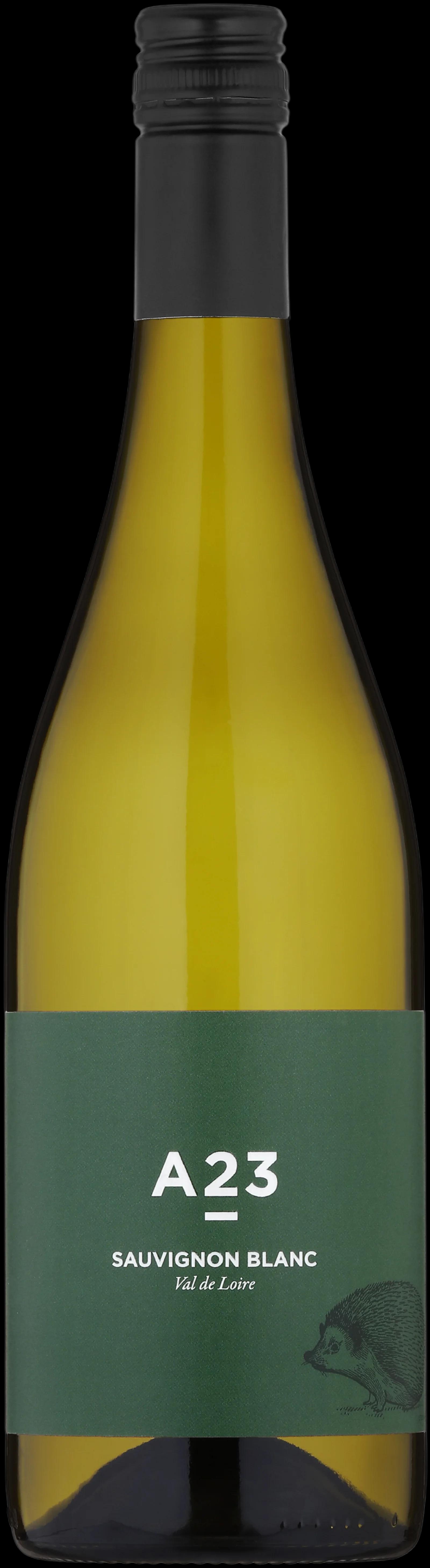
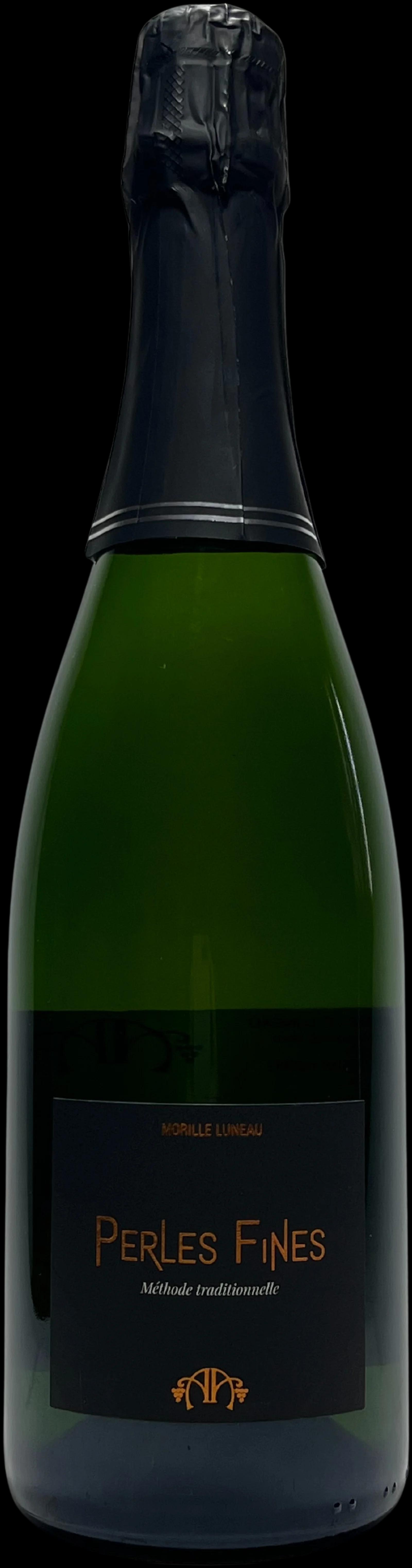
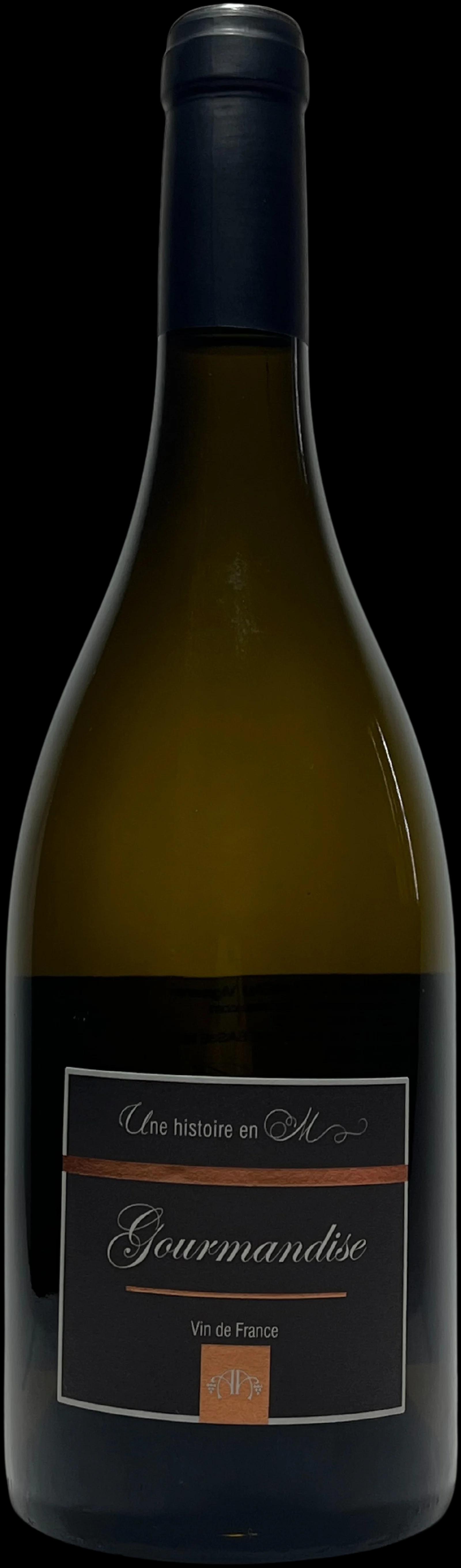
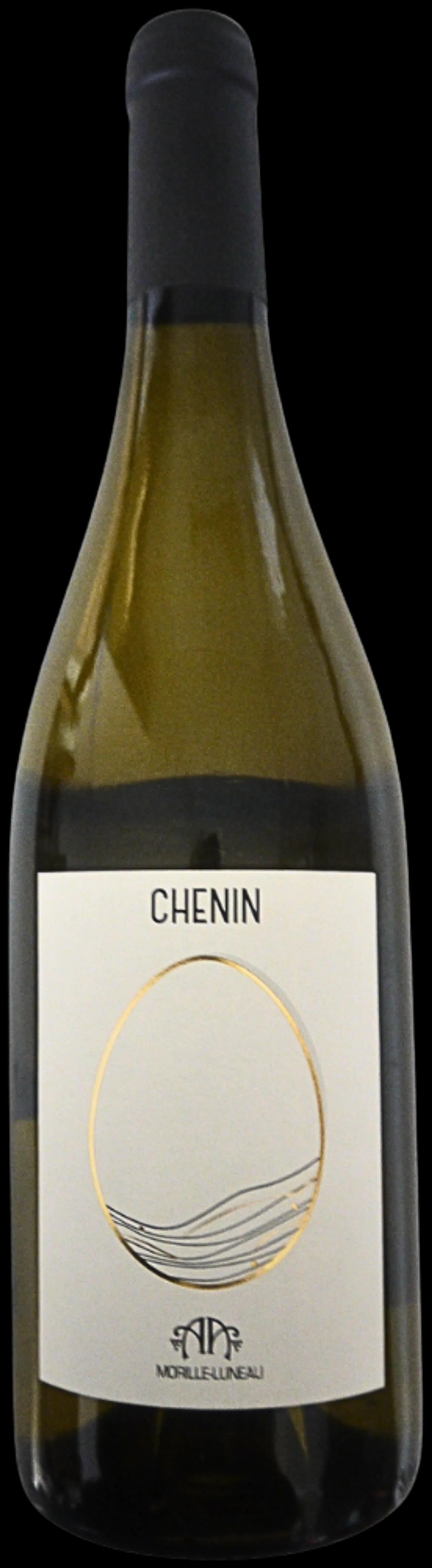
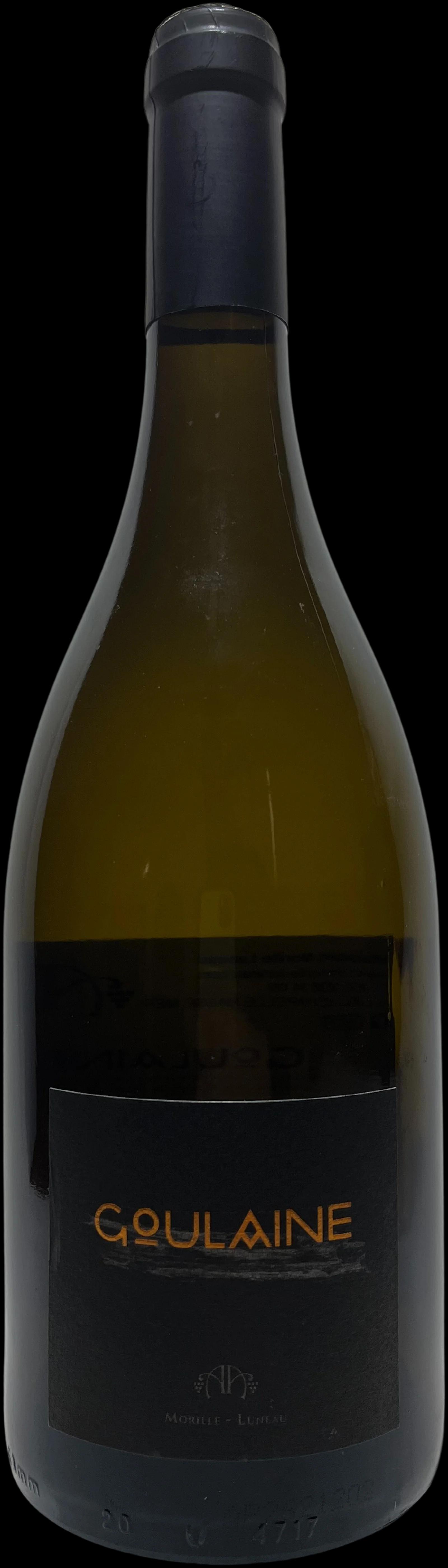
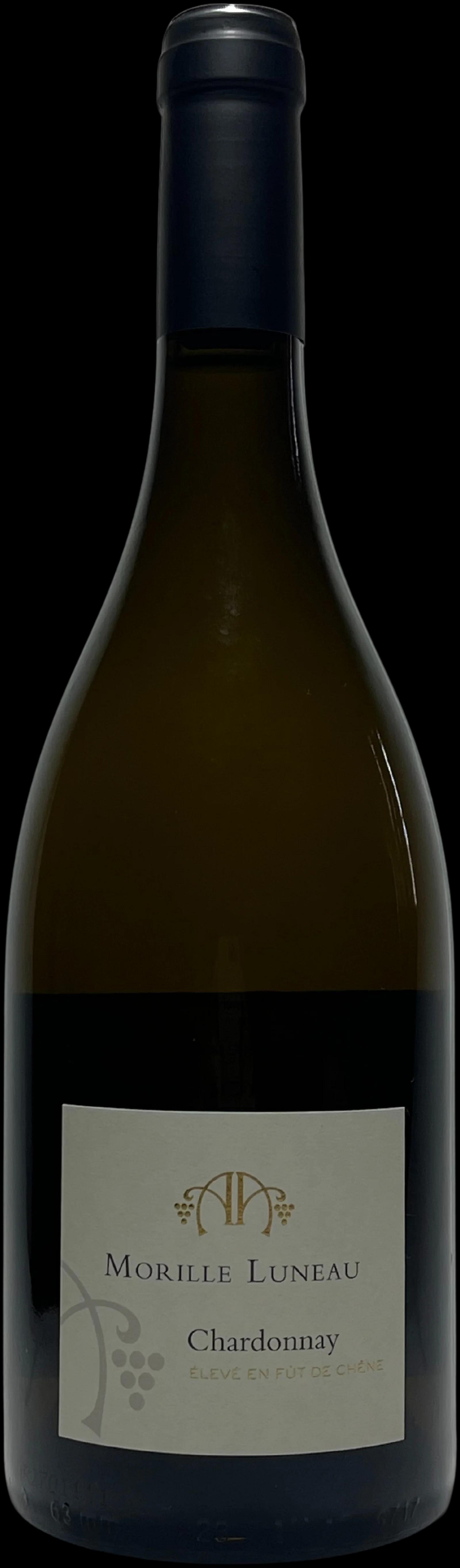
Loire Valley wines — direct from the domaine

Loire Valley wines from independent domaines. Every wine tasted before listing. No négociant bulk, no middlemen.

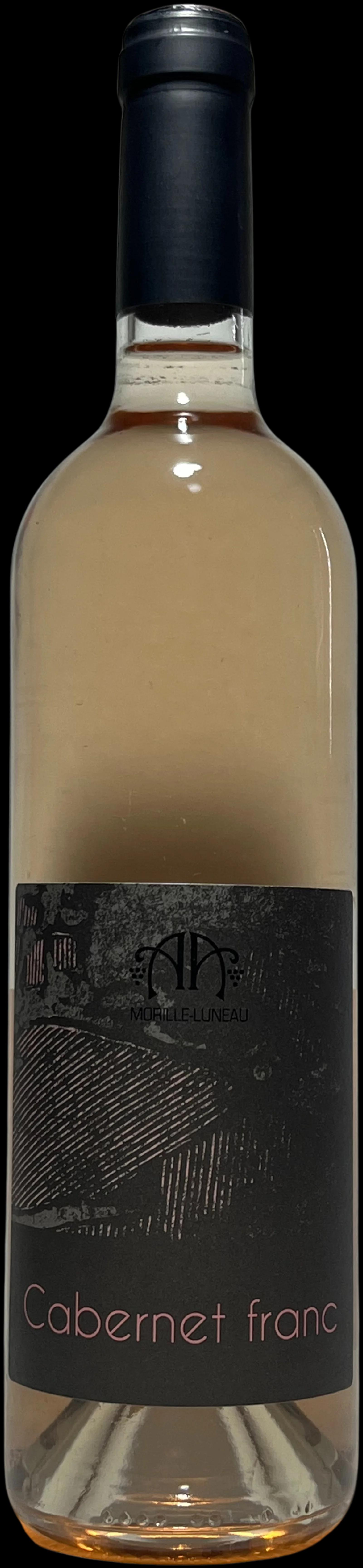
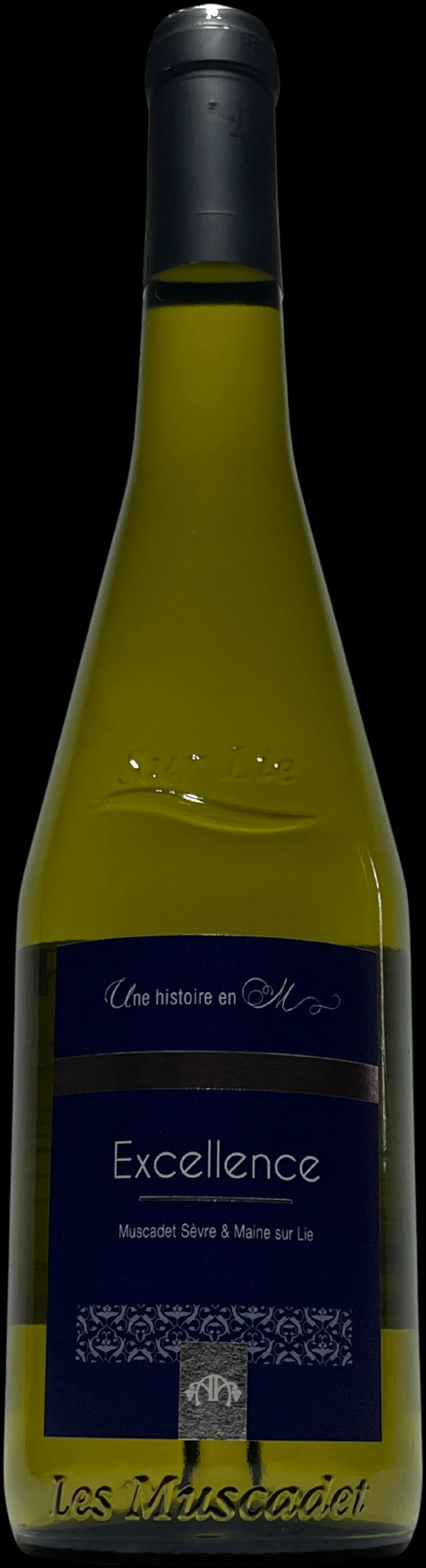
Chenin Blanc, Muscadet, and Cabernet Franc from independent producers.

Color

Dropdown arrow

Type

Dropdown arrow

Country

Dropdown arrow

Region (1)

Dropdown arrow

Grape

Dropdown arrow

Pairing

Dropdown arrow

Sort by

Sort arrow
Loire

Loire Valley wines

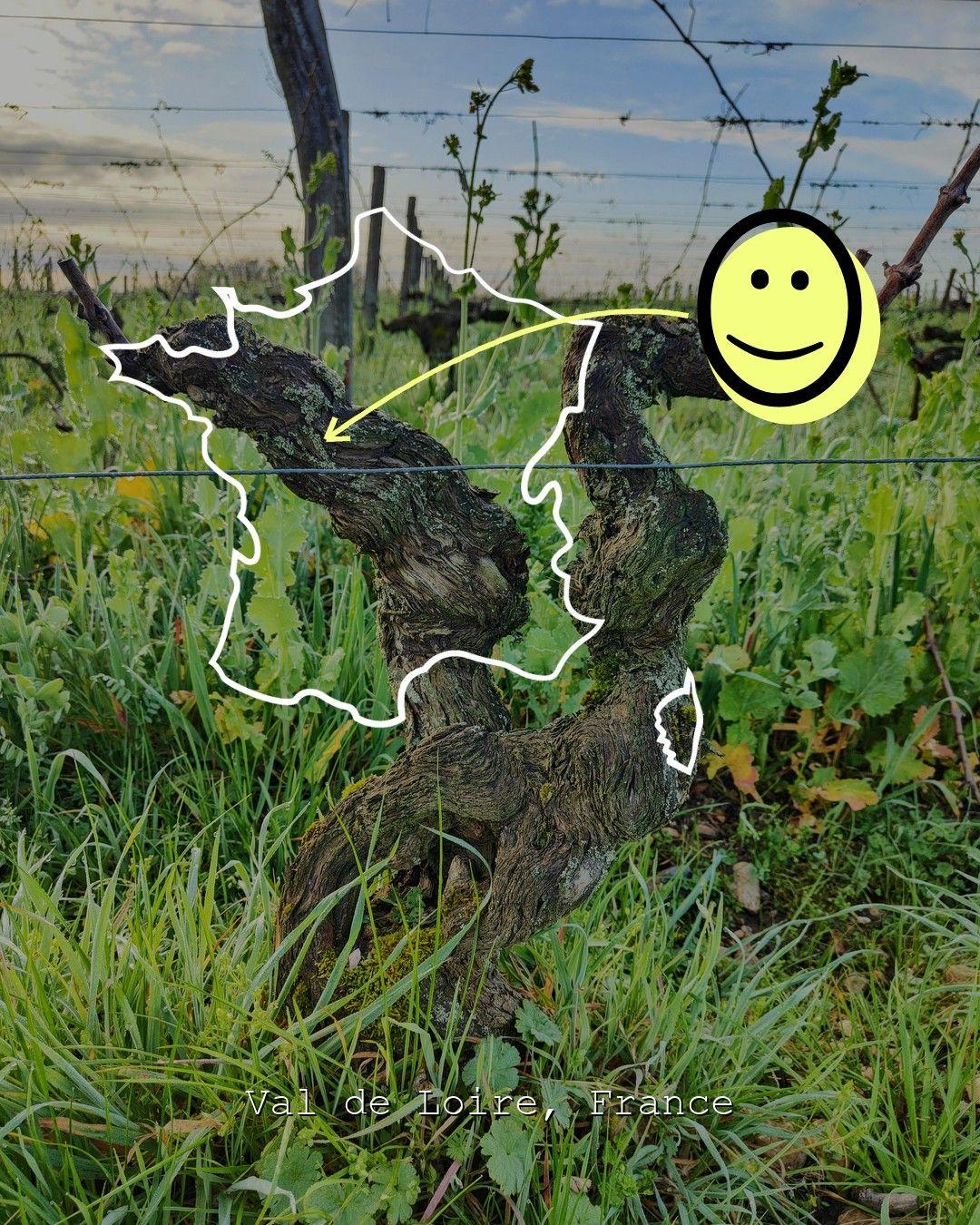
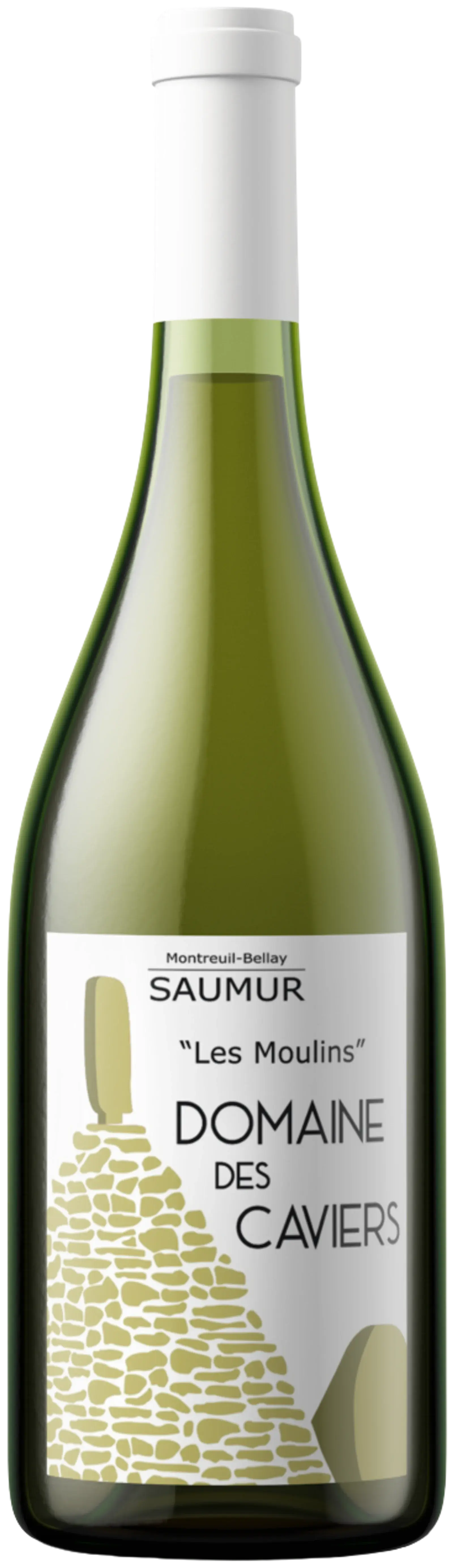
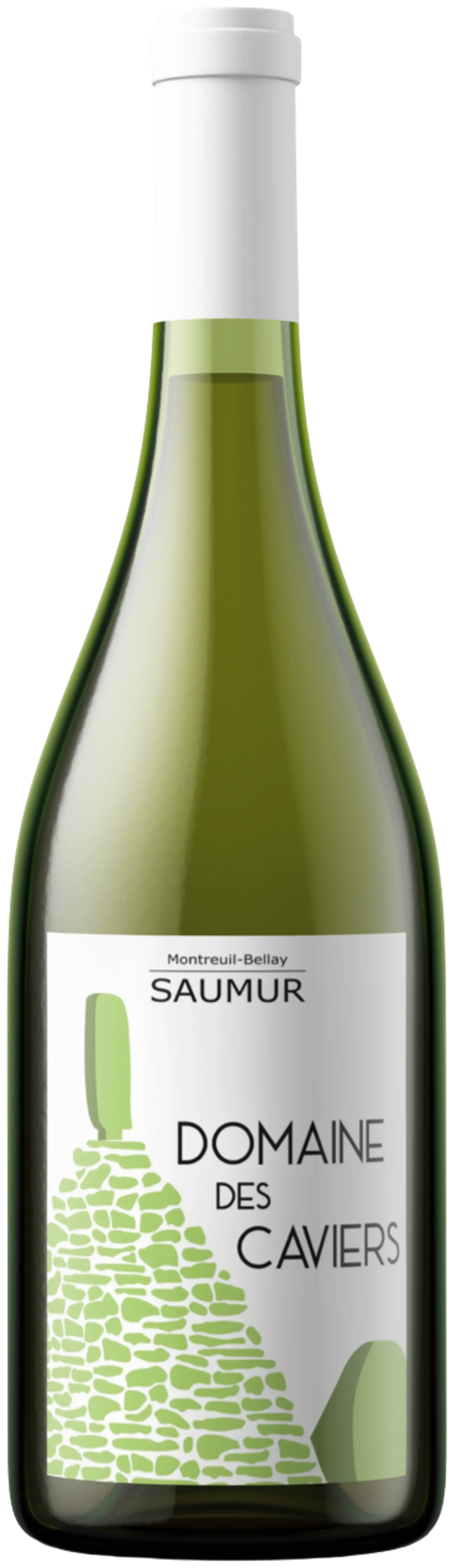
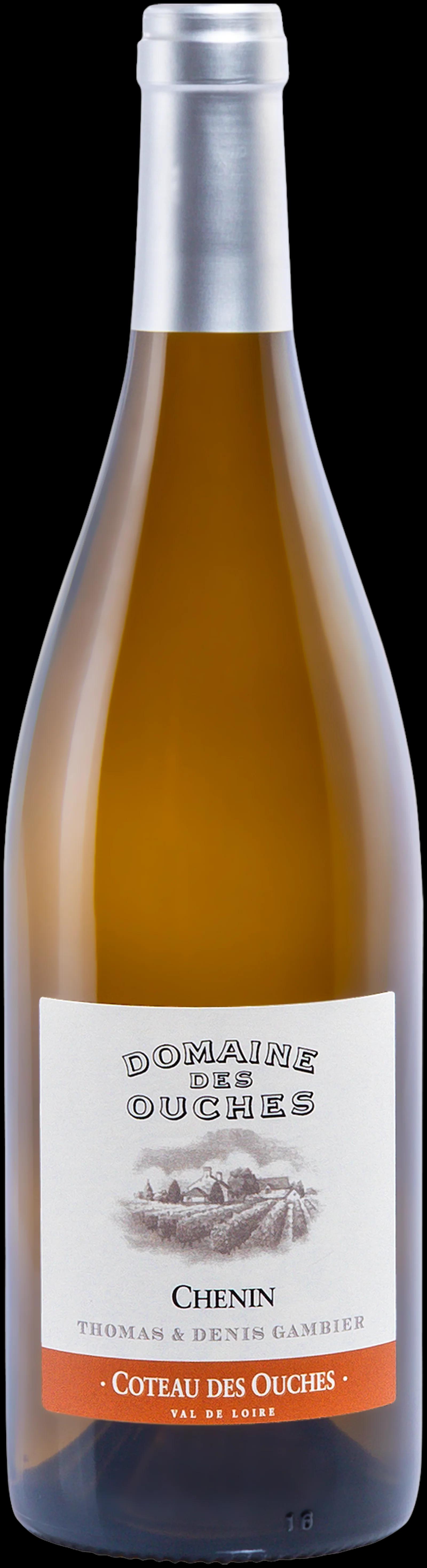
The Loire stretches over 1,000 kilometres from the Atlantic coast to the Massif Central. Muscadet sits at the western end, built on Melon de Bourgogne and granite-heavy soils. Chenin Blanc dominates the middle section, from Vouvray to Savennières. Cabernet Franc takes over further east in Chinon and Bourgueil. Each sub-region has its own appellation rules, its own soil profile, and producers who have worked the same land for multiple generations. The domaines below ship directly from the cellar.

Previous1 of 2Next

Loire Valley sample boxes

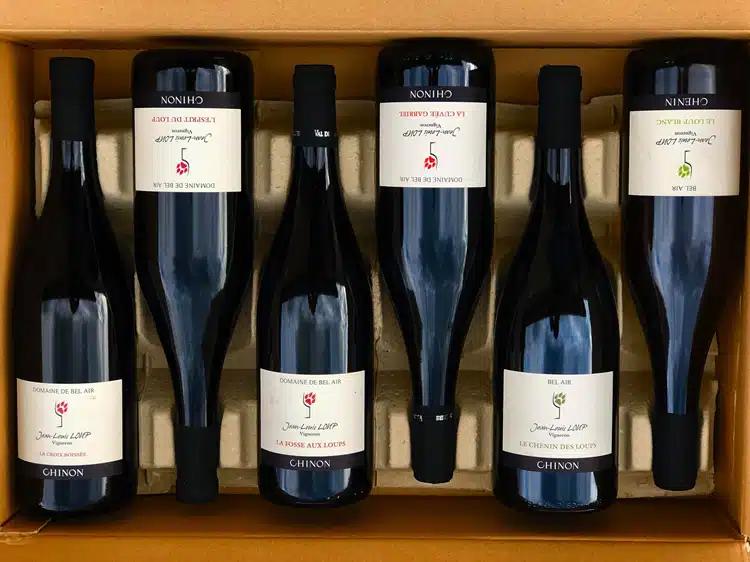
A mixbox on Free Grape Society always contains exactly 6 bottles, all from one producer, composed by the producer as their own recommendation. Not a buyer's selection pulled from multiple estates. The producer decides what goes in the box. For a region as varied as the Loire, that means a box from a Sancerre domaine looks nothing like one from a Muscadet producer.

View all mixboxes from Loire

Wine experts

Independent wine experts on Free Grape Society rate and review wines they have personally tasted. Their reviews appear on the individual wine page and on the expert's own profile. Several of the experts below have reviewed Loire Valley wines listed on this page. Their track record of reviews is visible and searchable, so you can read what they have written before deciding whether their palate matches yours.

View all wine experts

Frequently asked questions

How do I order a Loire Valley wine case?

Choose the case you want, add it to your basket and complete checkout with Klarna or card. The producer packs and ships the six bottles directly from their cellar. You receive one delivery with all six bottles, and Free Grape Society handles the shipping logistics on the producer's behalf.

What happens if a bottle arrives broken or doesn't taste right?

Send a photo to Free Grape Society customer support within 7 days of delivery. We will arrange a replacement or a refund. Because producers ship directly, quality issues are handled with the producer's direct involvement. Shared responsibility is built into how FGS works.

What is included in a Loire Valley wine case?

Each case contains exactly six bottles from one producer, chosen by that grower as their own recommendation. The producer decides the line-up — it might follow a single appellation across several vintages, or move through several grapes the estate grows. The case page lists what is inside before you order.

How long does delivery take?

Average delivery is 8 to 9 days from order to door. The full range is 4 to 14 days depending on the producer's location and your delivery address. Wines ship directly from the producer's cellar, not from a central warehouse.

How do I find the right Loire Valley wine case for me?

If you know the style you want — Melon de Bourgogne from the western Loire, Cabernet Franc from Chinon or Saumur-Champigny, Chenin Blanc from Vouvray or Savennières — browse by producer and read how each grower describes their selection. You can also ask a wine expert on Free Grape Society for a personal recommendation.

Can I ask a wine expert before I choose a case?

Yes. Fill in the question form on any wine expert's profile page and they will get back to you with a recommendation based on what you enjoy. Experts on Free Grape Society are independent — they give their own honest opinion, not a sales pitch.

Which Loire Valley wine expert can recommend something for me?

Browse the wine experts listed on this page — each profile shows the wines they have reviewed, the styles they know best, and their track record over time. Find one whose palate matches what you are looking for and send them your question directly through their profile.

Why are Loire Valley wine cases always 6 bottles from one producer?

Because a case composed by one grower says something coherent about how that producer thinks. Mixing bottles across producers would make it a sampler, not a recommendation. Six bottles from one estate in the Loire lets you taste a single cellar's take on their grapes, their soils and their appellation — which is more useful than six unrelated bottles sharing only a postcode.

Can I buy Loire Valley wine cases if I live outside France?

Free Grape Society ships to multiple European countries. At checkout, enter your delivery address to confirm availability and see the shipping cost for your location. Producers ship directly from their own cellars, so delivery times and available destinations can vary slightly by producer.

Appellations and grapes of the Loire Valley

The Loire Valley stretches roughly 1,000 kilometres from the Massif Central to the Atlantic coast, and it is divided into four broad zones: Pays Nantais, Anjou-Saumur, Touraine, and the Central Vineyards. Each zone works with a largely different set of grapes. Melon de Bourgogne dominates Pays Nantais, where it produces Muscadet — one of France's highest-volume dry whites, with the best examples aged sur lie for 12 to 36 months on spent yeast before bottling. Moving east into Anjou and Saumur, Cabernet Franc takes over for reds, while Chenin Blanc produces everything from bone-dry Savennières to late-harvest Coteaux du Layon with residual sugar above 100 g/L. Touraine is where Gamay and Sauvignon Blanc split the workload. The Central Vineyards — Sancerre, Pouilly-Fumé, Menetou-Salon, Quincy — are almost exclusively Sauvignon Blanc for whites and Pinot Noir for reds. Loire Sauvignon Blanc and Burgundy Sauvignon Blanc are made from the same grape, but the Loire's flintier soils and cooler Atlantic-influenced climate produce a structurally different wine: leaner, more mineral, lower in alcohol on average by 0.5–1.0%. Chenin Blanc, the Loire's most versatile native variety, reaches its most concentrated expression in Vouvray and Montlouis-sur-Loire, where parcels on tuffeau — a soft calcareous rock unique to the Touraine — produce wines with the acidity to age for 20 or more years.

Climate, soils, and what they mean for the wines

The Loire sits between oceanic and semi-continental climates, and the gap between its western and eastern ends is measurable. Mean annual temperature in Nantes runs roughly 1.5°C warmer than in Sancerre, and annual rainfall in Nantes exceeds that of the Central Vineyards by around 200 mm. This gradient shapes everything. Muscadet producers in Pays Nantais deal with Atlantic humidity and rely on careful canopy management to avoid botrytis in wet years. Sancerre and Pouilly-Fumé producers work with Kimmeridgian limestone and silex soils that drain quickly and contribute the characteristic flinty mineral character associated with Central Loire Sauvignon Blanc. The tuffeau of Touraine is soft enough to be carved — cellars in Vouvray and Chinon are literally cut into the hillside — and it holds moisture through dry summers, giving vines access to water reserves that more porous soils cannot offer. Cabernet Franc on tuffeau produces lighter-bodied reds with higher natural acidity than the same grape grown on clay-limestone in Saint-Émilion. The Loire is also one of the regions where the effects of climate change are most directly visible in bottle: growing seasons that once required chaptalization in cooler appellations like Bourgueil and Chinon now regularly produce wines at natural alcohol levels of 13% or above, which was uncommon before 2000.

How Loire Valley producers work with Free Grape Society

The Loire Valley has a long tradition of small, family-run domaines — estates where the same family has held the vines for two or more generations and where production volumes are low enough that supermarket distribution was never the primary route to market. That structure fits the Free Grape Society model directly. Producers send samples to our Head of Product, who tastes every wine before it goes live on the platform. Independent wine experts Rate & Review individual wines on the platform, and those reviews are visible on each wine page and on the expert's own profile. The producer sets their own price. No buyer with quarterly volume targets decides what gets listed. No chain defends shelf space. The producer decides if they want to be here, and what is here. For buyers, that means wines from Loire Valley producers that a conventional French wine importer might pass over because the production run is too small or the style too specific — a Savennières from a two-hectare domaine, a pét-nat from a Touraine producer working without added sulphur. These are not the wines a supermarket carries. They are the wines a supermarket structurally cannot carry. Bottles ship from the producer's cellar. Not from a regional warehouse.