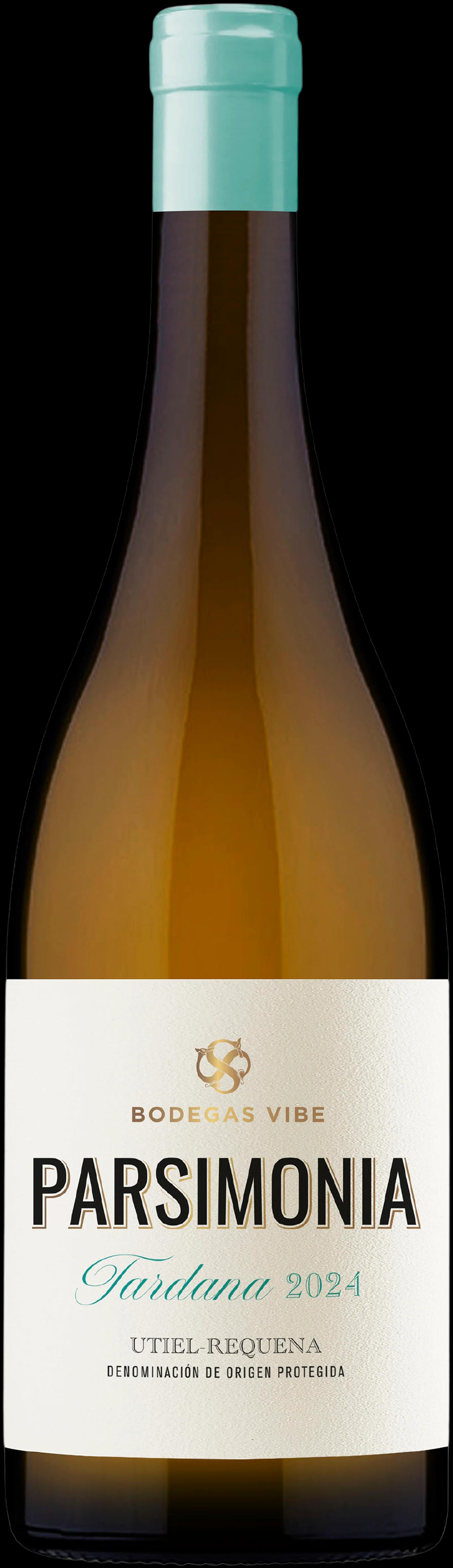
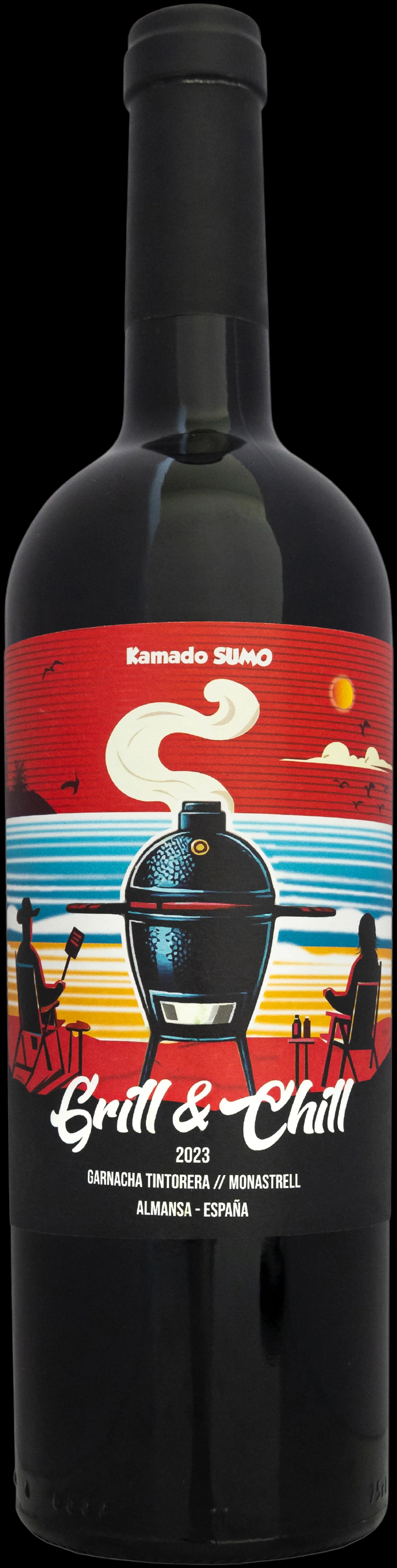
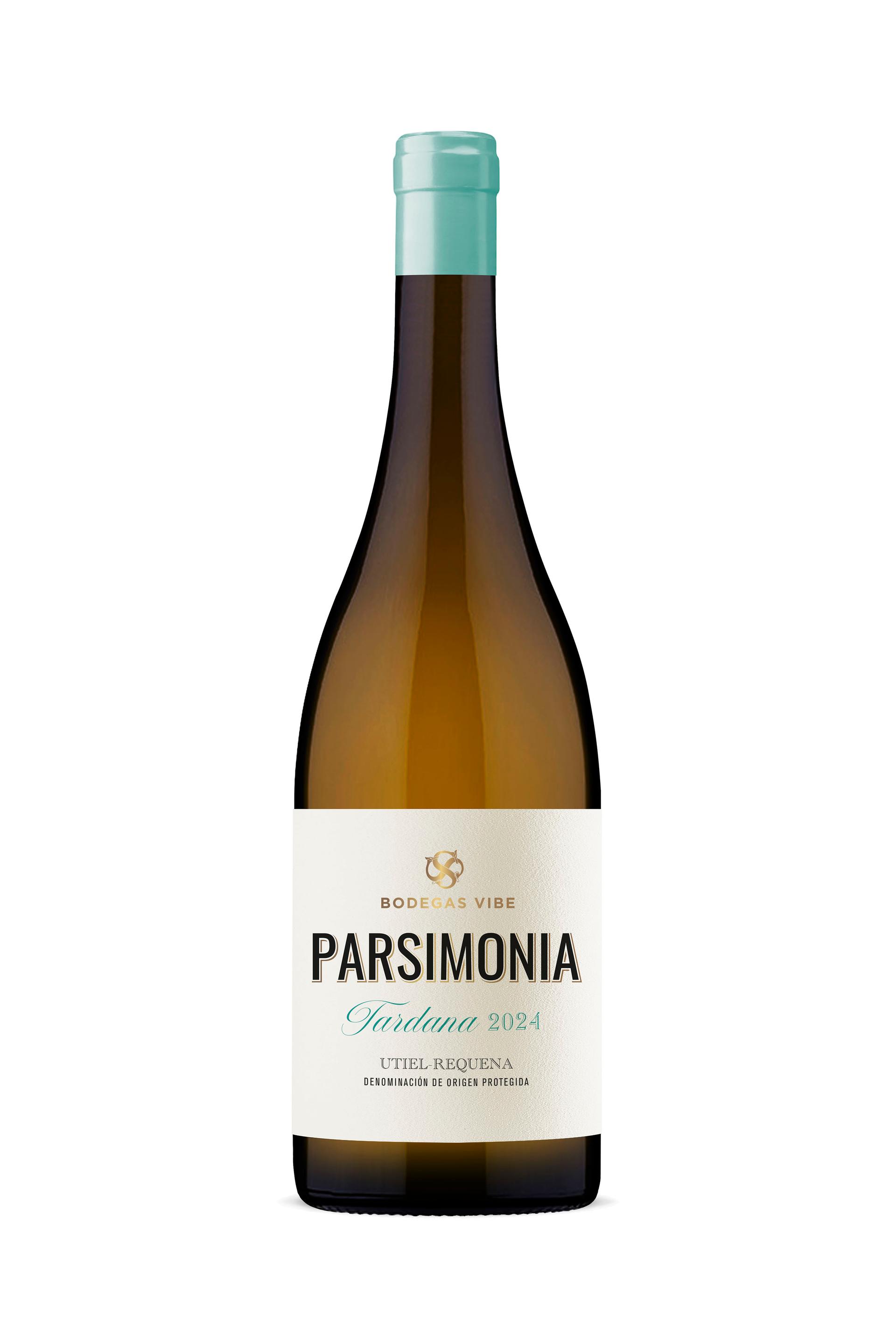
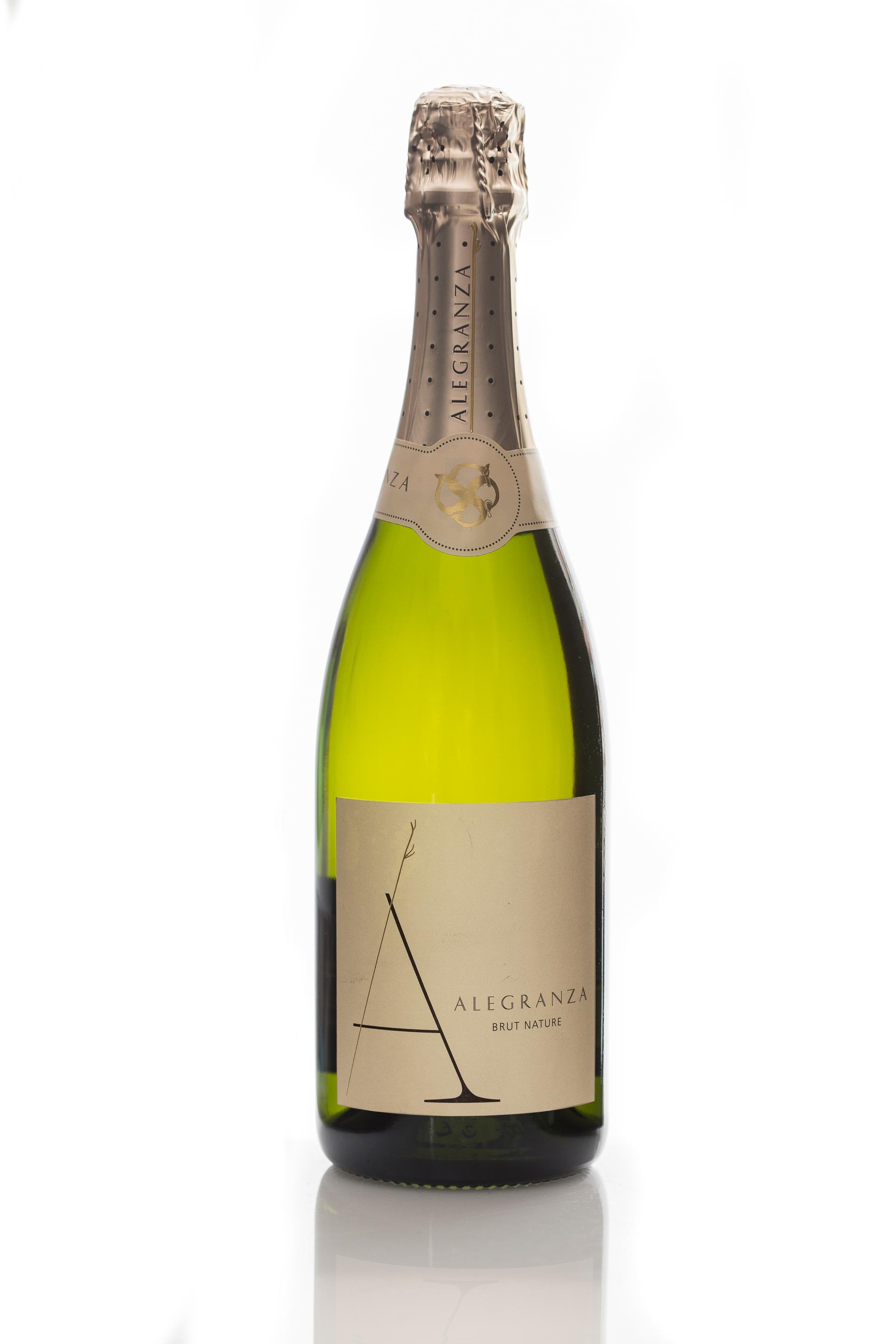
Monastrell, Bobal and Grenache from Valencia's sun-baked plains and mountain vineyards

Valencia wine spans a region where limestone plateaus and Mediterranean heat shape grapes differently depending on how high you climb. Browse bottles from independent growers working across the region's distinct zones.

From the coastal lowlands to the high-altitude plots of the interior, Valencia's soils and elevations pull the wines in markedly different directions.

Color

Dropdown arrow

Type

Dropdown arrow

Country

Dropdown arrow

Region (1)

Dropdown arrow

Grape

Dropdown arrow

Pairing

Dropdown arrow

Sort by

Sort arrow
Valencia

Valencia wines

Valencia's three main zones — Valencia DO, Utiel-Requena and Alicante — sit at very different elevations, and that altitude gap matters more than almost anything else for what ends up in the glass. Bobal, the workhorse grape of Utiel-Requena's high plateau, produces lean, mineral reds at 700 to 900 metres that bear little resemblance to the riper Monastrell grown closer to the coast. On Free Grape Society, producers ship directly from their own cellar, with no importer or warehouse in between.

Previous1 of 1Next

Wine experts

Independent wine experts on Free Grape Society rate and review wines they have personally tasted. Their reviews appear on the wine page and on the expert's profile, building a track record you can read before you buy. Several of the experts below have reviewed Valencia wines featured on this page.

View all wine experts

Frequently asked questions

How do I order a Valencia wine case?

Choose the case you want and add it to your order. Each case contains six bottles from one producer, composed by the grower themselves. Payment is handled securely via Klarna or card, and the case ships directly from the producer's cellar in Valencia to your door. You do not need an account to order, but joining Free Grape Society gives you access to independent expert advice alongside your purchase.

What happens if a bottle arrives broken or doesn't taste right?

Send a photo to Free Grape Society customer support within 7 days of delivery. We will arrange a replacement or a refund. Because producers ship directly, quality issues are handled with the producer's direct involvement. Shared responsibility is built into how FGS works.

What is included in a Valencia wine case?

Every case contains exactly six bottles, all from the same producer. The grower composes the selection themselves, so the six bottles typically span the range they are proudest of — different varieties, styles or vintages from their own vineyards. The case description on each product page tells you what is inside before you buy.

How long does delivery take?

Average delivery is 8 to 9 days from order to door. The full range is 4 to 14 days depending on the producer's location and your delivery address. Wines ship directly from the producer's cellar, not from a central warehouse.

How do I find the right Valencia wine case for me?

Start with the grape or style you already enjoy. If you like structured reds, look for cases led by Monastrell or Bobal from Valencia's inland subzones. If you prefer something fresher, cases from producers at higher elevation tend to show more lift. You can also ask a wine expert directly — fill in a question on the site and an independent expert will point you toward a specific case or producer.

Can I find out more about the producer before ordering a case?

Yes. Each case links to the producer's winery page, where you can read about their history, their vineyards, and the approach they take in the cellar. Independent wine experts also post reviews on individual wine pages, so you can read firsthand accounts of the wines in a case before committing to six bottles.

Which Valencia wine expert can recommend something for me?

Several independent wine experts on Free Grape Society have reviewed wines from Valencia producers. You can browse their profiles and read their reviews on individual wine pages. To get a personal recommendation, fill in the question form on the site and an expert will respond with a suggestion suited to what you are looking for.

Why are Valencia wine cases always 6 bottles from one producer?

Because a case composed by one grower tells a coherent story. Six bottles from a single Valencia estate might walk you through different varieties the producer farms, contrast styles from different vineyard plots, or show how their winemaking reads across a couple of vintages. Mixing wines from several producers would turn the case into a sampler; keeping it to one estate makes it a recommendation.

Can I buy Valencia wine cases that I cannot find in a European wine shop?

Often, yes. Many of the producers on Free Grape Society do not distribute through importers or large wine merchants, which means their wines are not stocked in conventional retail. Buying a case here gives you direct access to growers who sell and ship their own wine, including smaller estates whose output never reaches the shelves of a typical wine shop.

Valencia's grapes and what makes them work

Valencia has three DOs — Valencia, Utiel-Requena, and Alicante — and each has its own character. Monastrell dominates the south around Alicante, producing dense, sun-concentrated reds that age well in the region's dry, rocky soils. Inland at Utiel-Requena, the indigenous Bobal grape thrives at elevations above 700 metres, where cooler nights preserve acidity and freshness that the coast cannot match. The Valencia DO itself covers the broadest range, including aromatic whites from Moscatel and increasingly expressive reds from younger Tempranillo and Garnacha plantings. Bobal in particular has attracted growers willing to work with old, low-yielding vines that predate phylloxera in some parcels — the resulting wines carry a depth and minerality that is hard to replicate anywhere else. Exploring Valencia wines alongside bottles from neighbouring Murcia or Castilla-La Mancha gives a clear sense of how the Mediterranean coast and the inland plateau pull the same grapes in different directions.

Understanding Valencia's three wine denominations

Most wine regions in Spain carry a single DO, but Valencia is organised into three separate denominations that reflect genuine differences in terrain and tradition. The DO Alicante covers the southern coast and its hot, arid hills, where Monastrell has been cultivated for centuries and where Fondillón — a rare, non-fortified oxidative wine made from overripe Monastrell — represents one of Spain's most historically significant appellations. DO Utiel-Requena sits furthest inland, at altitude, and is almost synonymous with Bobal; the region's growers have spent two decades shifting the grape's reputation from bulk production toward single-vineyard work. DO Valencia is the largest and most varied, stretching from the coast to mid-elevation terrain and encompassing everything from light, dry Moscatel to structured reds. Knowing which denomination a wine comes from tells you a great deal before you taste it. Producers from each denomination are listed across the Valencia wineries page, and comparable coastal variety can be found among Catalonia wines to the north.

Food, climate, and how Valencia wines are built to the table

Valencia's wine culture is inseparable from its food culture. The same coastal Mediterranean climate that produces rice, citrus, and vegetables also shapes the wines that have historically accompanied them — dry, food-friendly whites and rosés built for seafood, and reds with enough structure to stand against the region's meat dishes and stews without overwhelming them. Monastrell at higher ripeness levels develops a spice and dark fruit character that suits slow-cooked lamb and pork, while Bobal-based rosés, vinified with minimal skin contact, carry a freshness that makes them one of the more versatile food wines from eastern Spain. The Moscatel de Alejandría grape, used both for dry whites and for naturally sweet wines, connects Valencia to a centuries-old tradition of dessert wine production that pre-dates most of modern Spain's appellation system. For producers working across Spain's eastern regions, browse Aragon wines and Murcia mixboxes alongside what Valencia's growers are making — the contrast between highland and coastal styles is one of the more instructive comparisons in Spanish wine.