Ribolla Gialla: the skin-contact grape that put Friuli on the map

Ribolla Gialla wine ranges from crisp and mineral to deeply amber and structured, depending on how long the winemaker leaves the skins in contact with the juice. The producers below work with it across its northeastern Italian heartland.

A high-acid white with centuries of history, grown across Friuli Venezia Giulia and Slovenia.

Color

Dropdown arrow

Type

Dropdown arrow

Country

Dropdown arrow

Region

Dropdown arrow

Grape

Dropdown arrow

Pairing

Dropdown arrow

Sort by

Sort arrow
Ribolla

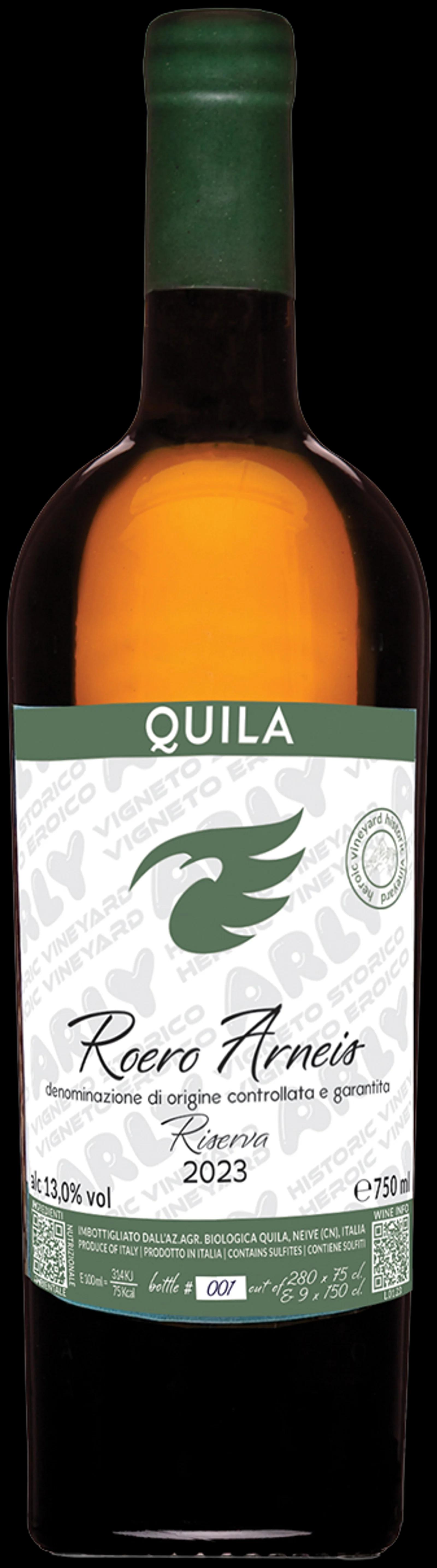
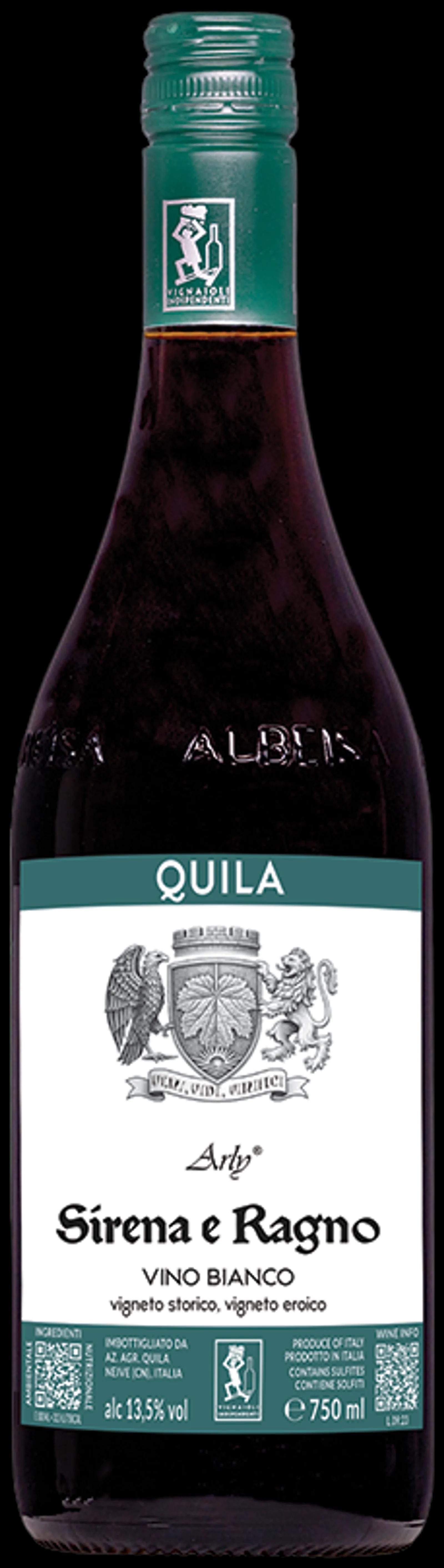
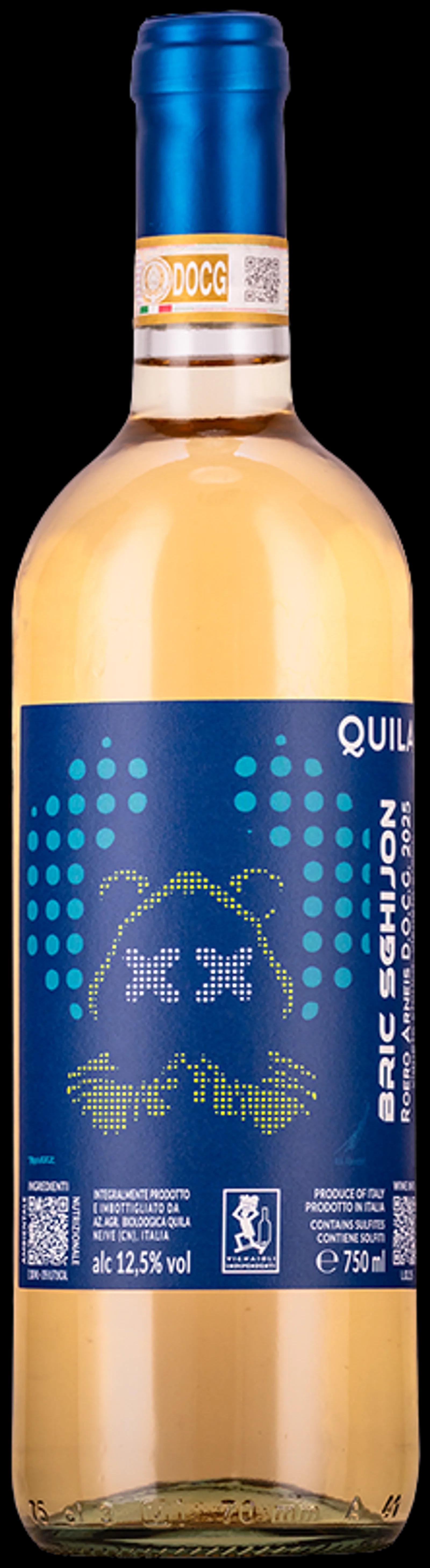
Ribolla Gialla wines

Ribolla Gialla is one of the oldest documented grapes in Friuli Venezia Giulia, with records stretching back to the thirteenth century. It is naturally high in acidity, which makes it resilient in warm summers and gives the wines their characteristic freshness whether made as a conventional white or as an extended-maceration orange wine. The same grape can taste entirely different depending on how long it spends on the skins — from a few hours to several months — which is why the wines below vary so widely in colour, texture and weight. On Free Grape Society, each bottle ships directly from the producer's own cellar, with no importer or warehouse in between.

Previous1 of 1Next

Ribolla Gialla wine cases

A Ribolla Gialla wine case is a producer's own six-bottle selection, assembled as the recommendation they would make if you visited their cellar. With a grape this versatile, that often means tasting one estate's take on skin contact at different macerations, or following the variety across a single producer's white and orange range. Free Grape Society is a society of producers, independent experts and wine lovers, not a shop.

View all mixboxes

Wineries

The wineries below all work with Ribolla Gialla, but their approaches differ considerably — some vinify it with no skin contact for a clean, mineral white, others leave it on the skins for weeks to build texture and tannin. Reading each producer's own notes is usually the quickest way to understand which style they favour, and the wine-advice service is there if you would rather talk through the options before choosing.

View all wineries

Wine experts

Ribolla Gialla has attracted serious attention from independent wine experts, partly because its skin-contact expressions sit at the centre of the natural wine conversation. Independent wine experts review wines they have personally tasted, and their notes are visible on each wine page and on the expert's own profile. Several of the experts below have reviewed Ribolla Gialla wines featured on this page, so you can read what they found before deciding.

View all wine experts

Frequently asked questions

How do I order Ribolla Gialla wine on Free Grape Society?

Browse the wines above and add bottles to your basket. Each wine ships directly from the producer's cellar, so an order of two Ribolla Giallas from different producers will arrive as two separate shipments. Delivery takes between four and fourteen days, and shipping is free. Payment is by card or Klarna.

What happens if a bottle arrives broken or doesn't taste right?

Send a photo to Free Grape Society customer support within 7 days of delivery. We will arrange a replacement or a refund. Because producers ship directly, quality issues are handled with the producer's direct involvement. Shared responsibility is built into how FGS works.

Can I order Ribolla Gialla from more than one producer in the same order?

Yes. You can add wines from several producers to one basket and pay once. Because each producer ships from their own cellar, the bottles arrive in separate parcels. All shipments are covered by the same free-shipping and quality guarantee.

How long does delivery take?

Average delivery is 8 to 9 days from order to door. The full range is 4 to 14 days depending on the producer's location and your delivery address. Wines ship directly from the producer's cellar, not from a central warehouse.

How do I choose between a conventional Ribolla Gialla white and an orange wine made from the same grape?

The main variable is skin-contact time. A short or no-maceration Ribolla Gialla will be pale, citrus-bright and high in acidity. An extended maceration adds tannin, amber colour and a fuller, sometimes oxidative texture. The producer's own tasting notes on each wine page will tell you which style they have made and why.

How many Ribolla Gialla producers are on Free Grape Society?

The number grows as new producers join. All are independent estates that grow and bottle their own wine. You can filter the wines above by region or style to narrow the selection, or browse the full winery list to read about each producer's background and approach.

Which Ribolla Gialla wine expert can recommend something for me?

The independent wine experts on Free Grape Society have tasted and reviewed wines from across the Ribolla Gialla range. Browse the experts section on this page to read their profiles and see which wines they have reviewed. You can also use the wine-advice service to ask a question directly — fill in the form and an expert will get back to you.

Why don't you sell supermarket-brand Ribolla Gialla wines?

Free Grape Society lists wines from independent producers who grow and bottle their own grapes. Supermarket-range wines are typically produced at industrial scale by large négociants or cooperatives and sold through wholesale distribution channels. That model is the opposite of what Free Grape Society is built for — direct producer-to-buyer trade, with the estate in control of what goes into the bottle.

Can I find Ribolla Gialla in a wine shop or supermarket?

Ribolla Gialla is rarely stocked in mainstream retail outside northeastern Italy and Slovenia. Most of the estate-bottled expressions that make the grape interesting are produced in small quantities and sold through specialist importers or, increasingly, direct to buyers via platforms like Free Grape Society. Buying direct means you reach wines that do not travel through standard distribution at all.

Where Ribolla comes from and how region shapes it

Ribolla is one of the oldest white grapes native to the northeastern corner of Italy, with its heartland straddling Friuli Venezia Giulia and the Slovenian border. Records of its cultivation in the region go back to the thirteenth century, making it one of the most historically documented varieties in the Italian northeast. On the Italian side, it is grown primarily in the Colli Orientali del Friuli and Collio appellations, where the combination of cool nights and the region's distinctive flysch soils — a compressed mix of marl and sandstone — gives it a firm, food-friendly acidity. Across the border in Slovenia, where it is called Rebula, it follows the same logic: hillside vineyards, mineral-driven whites, and a winemaking culture that prizes texture as much as fruit. The grape also has a presence on the Greek island of Zakynthos under the name Robola, though the relationship between the Adriatic and Ionian expressions is still debated among ampelographers. For wines made from related northeastern Italian varieties, the Veneto and Lombardy pages offer useful context on how the region's white wine tradition developed.

How Ribolla wine tastes, and what to drink it with

In its still, dry form, Ribolla produces wines that are typically pale gold, relatively light-bodied, and defined by high natural acidity and a clean, citrus-driven profile — lemon zest, green apple, and sometimes a subtle saline or stony note that reflects the flysch soils where it grows best. It is not a grape that loads on weight or extract, which makes it particularly well suited to the table. The grape's naturally high acidity and neutral flavour profile made it a natural candidate for skin-contact, or orange, winemaking, and Friuli is where that style gained international attention in the 1990s and 2000s. A Ribolla made with extended skin contact tastes quite different: deeper in colour, broader in texture, with tannins that frame a more complex, oxidative character and a capacity to age. For skin-contact and orange wines from across the platform, the orange wine page brings together producers working in that style. Still Ribolla pairs naturally with light seafood, antipasti, and fresh cheeses; the skin-contact version holds up to richer dishes, cured meats, and aged cheeses.

Buying Ribolla direct from independent producers

Ribolla remains a niche grape outside its home region, which means the producers who work with it tend to be specialists — growers with a long connection to Friuli or the borderland between Italy and Slovenia who have chosen to focus on varieties with genuine local roots rather than international ones. On Free Grape Society, wines are tasted before listing, and each bottle ships directly from the producer's own cellar, with no importer or warehouse in between. That matters for a grape like Ribolla, where the difference between a conventional white and a skin-contact version from the same estate can be significant, and where reading the producer's own approach to the variety is often the most useful guide. Producers who grow Ribolla typically appear on the Friuli Venezia Giulia winery listings, and the white wines from Italy page covers the broader context of Italian white winemaking. Free Grape Society is a society of producers, independent experts and wine lovers, not a shop — the producers here are selected because they work with the grape directly, grow their own fruit, and bottle under their own name.