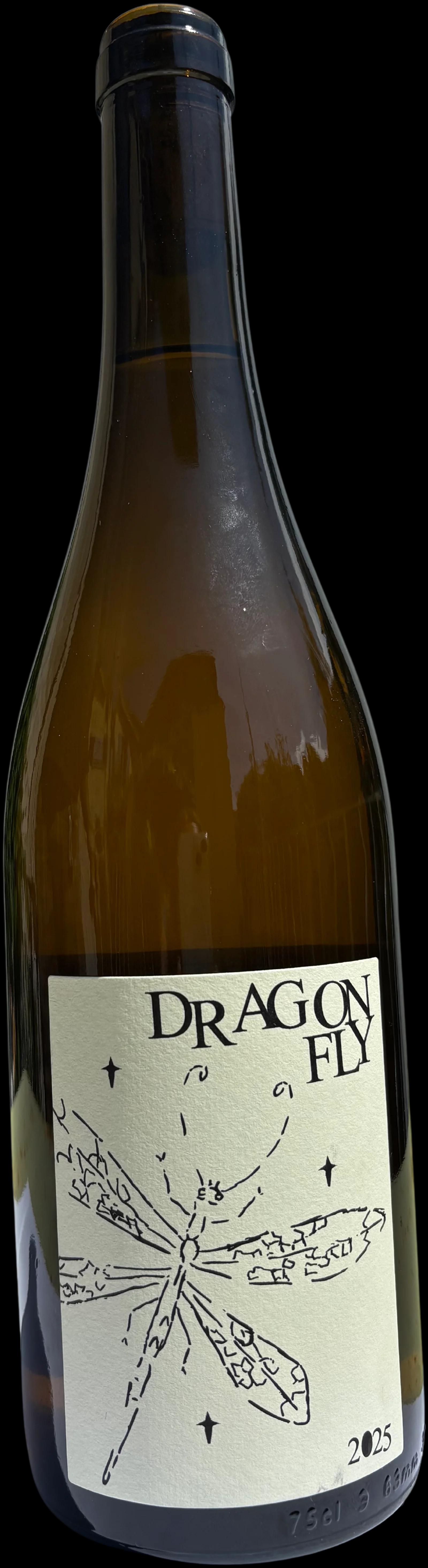
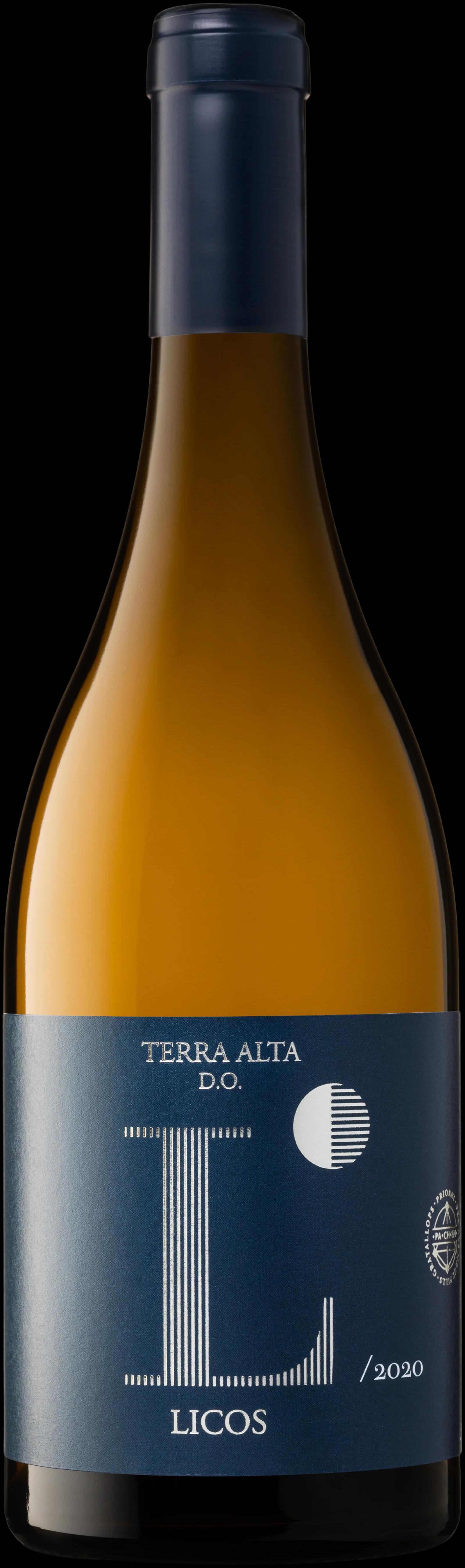
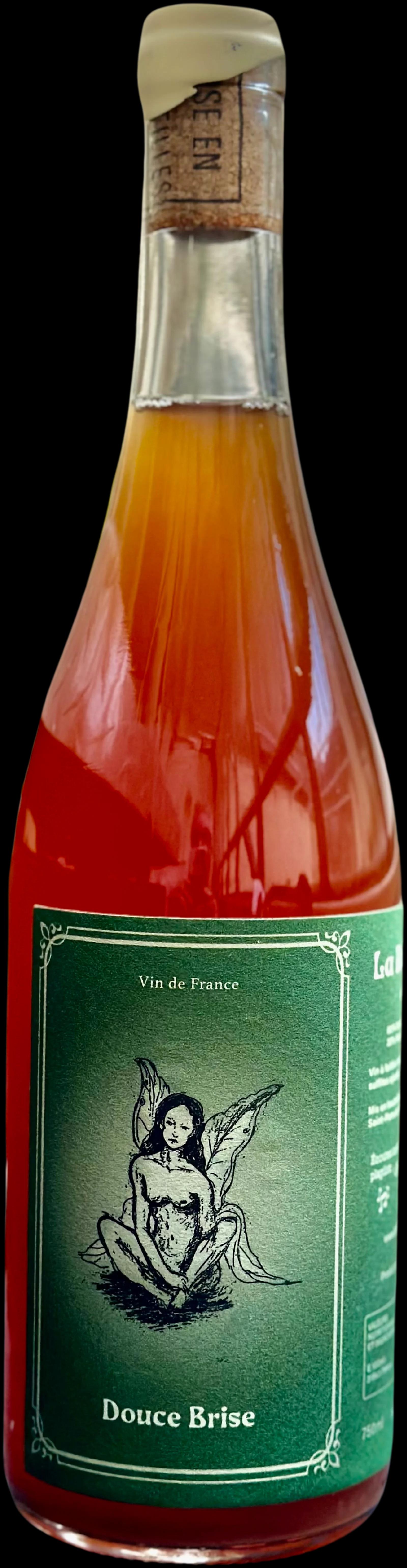
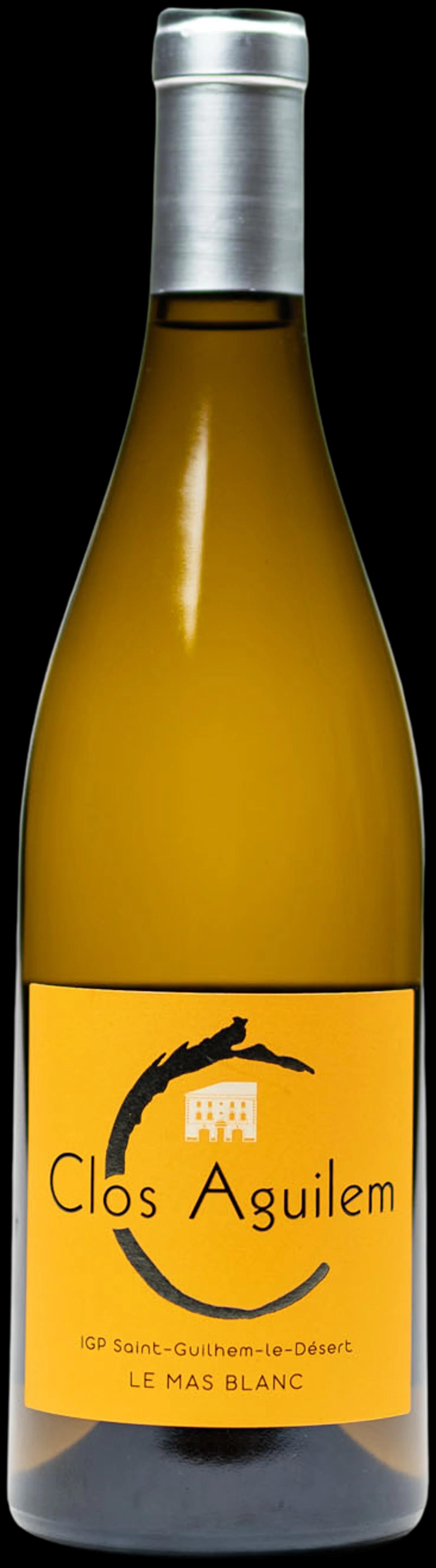
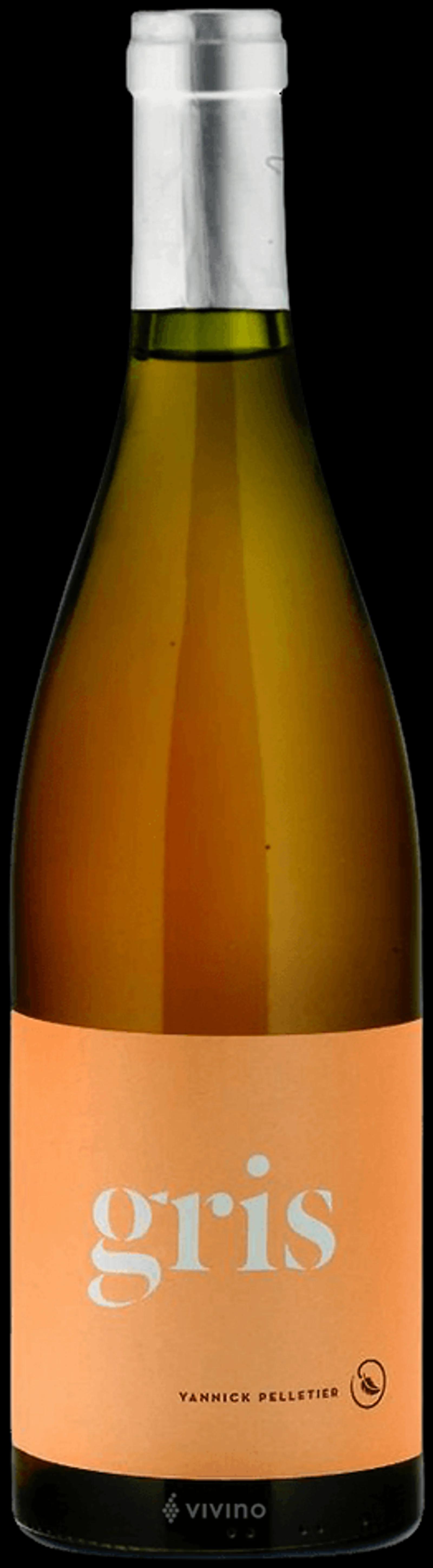
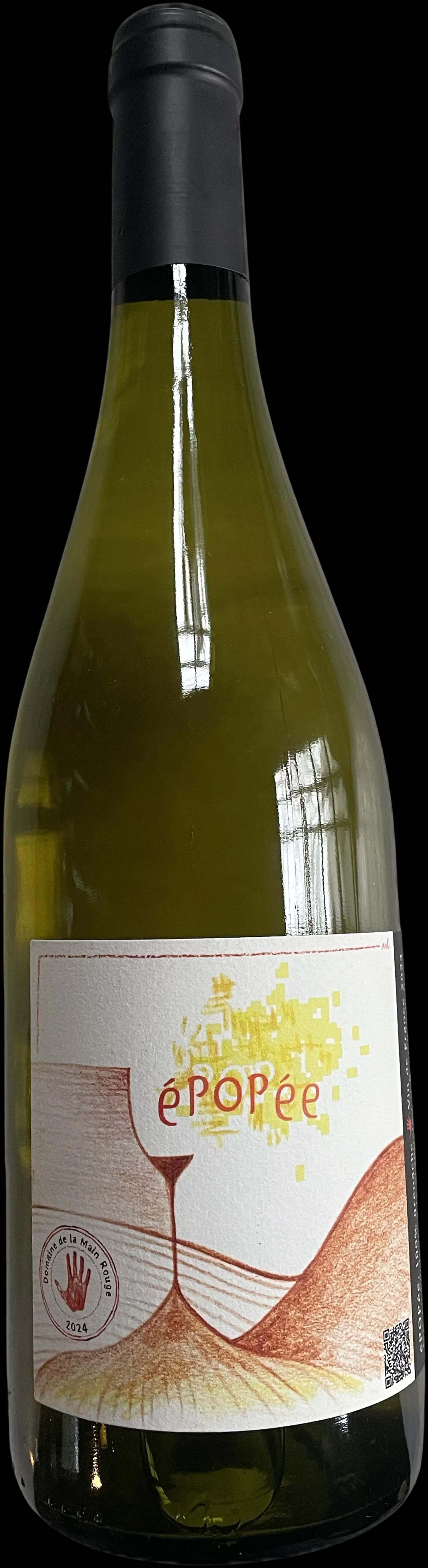
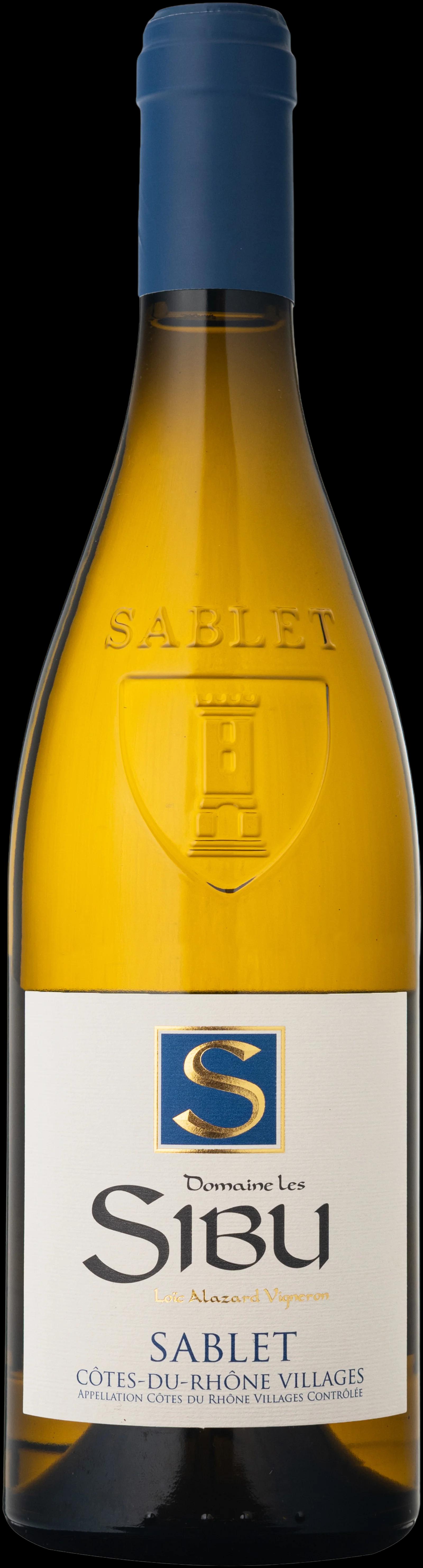
Grenache Blanc: a white grape rooted in the southern Rhône and grown across the Mediterranean arc

Grenache Blanc wine is one of the south's most expressive whites — grown where the sun is strong and the soils are dry, by independent producers who let the grape speak for itself.

Fresh and full-bodied, it ripens best in heat and produces wines that range from crisp and aromatic to rich and textured.

Color

Dropdown arrow

Type

Dropdown arrow

Country

Dropdown arrow

Region

Dropdown arrow

Grape

Dropdown arrow

Pairing

Dropdown arrow

Sort by

Sort arrow
Grenache Blanc

Grenache Blanc wines

Grenache Blanc is a white mutation of Grenache Noir and shares its parent's love of heat and drought. It dominates white blends in Châteauneuf-du-Pape, plays a leading role in the Rhône Valley and Languedoc-Roussillon, and crosses the Pyrenees into Spain, where it is called Garnacha Blanca. The grape ripens early and drops acidity quickly, so the best producers harvest with precision — picking for freshness before the sun strips the wine of its lift. On Free Grape Society, each bottle is shipped directly from the grower's own cellar, with no importer or warehouse in between.

Previous1 of 1Next

Grenache Blanc mixboxes

A mixbox is a producer's own selection of six bottles, put together as the recommendation they would make if you visited their cellar in person. For a grape like Grenache Blanc, that often means tasting one estate's range across different vineyard plots or picking years — where the same variety shows how much altitude, soil type and harvest timing can shift the result. Free Grape Society is a society of producers, independent experts and wine lovers, not a shop.

View all mixboxes

Wineries

The growers below work with Grenache Blanc across some of the warmest wine regions in Europe — from garrigue-covered hillsides in Languedoc-Roussillon to old-vine plots in Aragon and the stony terraces of the southern Rhône. Reading a producer's own notes is one of the most direct ways to understand how they work with the grape, and the wine-advice service is there if you would rather talk it through before choosing.

View all wineries

Wine experts

Grenache Blanc is one of those varieties that rewards a closer look, and a second opinion can help. Independent wine experts review wines they have personally tasted, and their notes appear on each wine page and on the expert's own profile. Several of the experts below have reviewed Grenache Blanc wines featured on this page, so you can read what they found before deciding.

View all wine experts

Frequently asked questions

How do I order a Grenache Blanc wine on Free Grape Society?

Find a bottle in the listing, add it to your cart, and check out via Klarna or card. Each wine ships directly from the producer's own cellar. Delivery takes between 4 and 14 days, with an average of around 8 to 9 days. Free shipping is included on all orders.

What happens if a bottle arrives broken or doesn't taste right?

Send a photo to Free Grape Society customer support within 7 days of delivery. We will arrange a replacement or a refund. Because producers ship directly, quality issues are handled with the producer's direct involvement. Shared responsibility is built into how FGS works.
Can I order Grenache Blanc wines from more than one producer in the same order?

Yes. You can add bottles from different producers to a single cart. Because each producer ships from their own cellar, bottles from different estates will arrive in separate deliveries. You pay once at checkout, and each shipment is tracked individually.

How long does delivery take?

Average delivery is 8 to 9 days from order to door. The full range is 4 to 14 days depending on the producer's location and your delivery address. Wines ship directly from the producer's cellar, not from a central warehouse.

How do I choose between the different styles of Grenache Blanc on offer?

Grenache Blanc ranges from light and aromatic in cooler sites to rich and almost waxy when grown in real heat. Wines from higher-altitude plots in Languedoc or Aragon tend to hold more freshness; those from low-lying southern Rhône sites lean fuller. Reading the producer's own notes is usually the clearest guide to what you will find in the glass.

How does the selection of Grenache Blanc producers work on Free Grape Society?

Producers apply to join Free Grape Society and list their own wines. Wines are tasted before listing. The growers you see here work with Grenache Blanc as a serious variety — not as a blending afterthought — which tends to mean lower yields, careful site selection, and a clear point of view on the grape.

Which Grenache Blanc wine expert can recommend something for me?

Several independent wine experts on Free Grape Society have reviewed Grenache Blanc wines. You can browse their profiles and tasting notes on the wine pages themselves. If you want a personal recommendation before ordering, fill in the wine-advice form and an expert will get back to you.

Why don't you sell supermarket-brand Grenache Blanc wines?

Free Grape Society works only with independent producers who bottle under their own name. Supermarket-brand wines are typically produced at scale by large cooperatives or négociants, which means the connection between a specific grower, a specific vineyard, and what ends up in the bottle is lost. The producers here own what they grow and stand behind what they bottle.

Can I find Grenache Blanc wines that aren't available in ordinary retail?

Most of the wines listed here come from small, independent estates whose production volumes mean they never reach supermarket shelves or standard import catalogues. Buying direct through Free Grape Society is often the only way to access them without travelling to the winery yourself.

Where Grenache Blanc comes from and how it changes by region

Grenache Blanc is native to the Iberian Peninsula, where it is known as Garnacha Blanca, and it spread northward into the south of France centuries ago. Today it is most at home in the Rhône Valley, where it is a permitted variety in white Châteauneuf-du-Pape, and across Languedoc-Roussillon, where it often carries an appellation all of its own. In Spain it appears throughout Aragon, Catalonia and Valencia, and in Greece and Portugal you find related or similarly styled white Grenache varieties grown in warm, dry conditions. What changes most across these regions is weight and aromatics: in cooler or higher-altitude sites the grape retains fresher acidity and floral lift; in hotter, lower sites it tends toward richness, texture and stone-fruit depth. The variety is thin-skinned and prone to oxidation, which means winemaking choices — early picking, reductive handling, or deliberate skin contact — shape the finished wine considerably.

How Grenache Blanc tastes, and what to drink it with

At its most expressive, Grenache Blanc produces full-bodied dry whites with low natural acidity, generous texture and aromas that range from white peach and apricot in warmer years to herbs, fennel and citrus peel when harvested earlier or grown at altitude. Oak-aged versions develop a creamy, almost waxy character; unoaked or lightly handled versions are rounder and more immediate. Because the grape is low in acidity, it pairs well with dishes that share its richness: roasted fish, cream-based sauces, aged hard cheeses and dishes built around olive oil and garlic. It also works alongside mildly spiced food where a high-acid white might clash. Skin-contact Grenache Blanc — increasingly made by smaller producers who also work with orange wines — adds grip and a savory edge that extends the food-pairing range further into charcuterie and fermented dishes.

Buying Grenache Blanc direct from independent producers

Grenache Blanc rarely reaches northern European markets through conventional retail channels; most of the wines are made in small quantities by producers who sell primarily through direct relationships. On Free Grape Society, those producers ship each order directly from their own cellar, with no importer or warehouse between grower and buyer. That matters practically: you receive the wine in the condition it left the estate, and the price reflects what the producer sets rather than a chain of margins added along the way. The producers working with Grenache Blanc on the platform come from its core regions in France and Spain, including growers in Languedoc-Roussillon, the Rhône Valley and Aragon. If you want to compare the grape across climates, the white wines section and the country pages for France and Spain are useful starting points. Free Grape Society is a society of producers, independent experts and wine lovers, not a shop — which means the producers you find here are present because they chose to sell directly, not because a buyer selected them for a catalogue.