Where Airén comes from and why it covers so much ground
Airén is the most widely planted white grape in Spain, and for most of its history that fact went largely unnoticed. It dominates the vast, high-altitude plains of Castilla-La Mancha, where the continental climate — scorching summers and cold winters — would defeat most other varieties. Airén survives because it is drought-resistant and thick-skinned, qualities that made it practical for a landscape with little irrigation and long dry spells. For decades much of the harvest went into brandy production or into blends, and the grape had a reputation for producing flat, neutral wine. That began to change when growers started picking earlier, fermenting at lower temperatures, and working with the grape rather than against it. The result is a wine with real freshness: dry, light-bodied, with citrus and white blossom character and a clean finish. It is not trying to be Chardonnay or Albariño — it is something quieter and more mineral, shaped entirely by where it grows. You can also find it in Andalusia and other parts of central and southern Spain, where small producers are revisiting old-vine material with new attention.
How Airén tastes, and what to drink it with
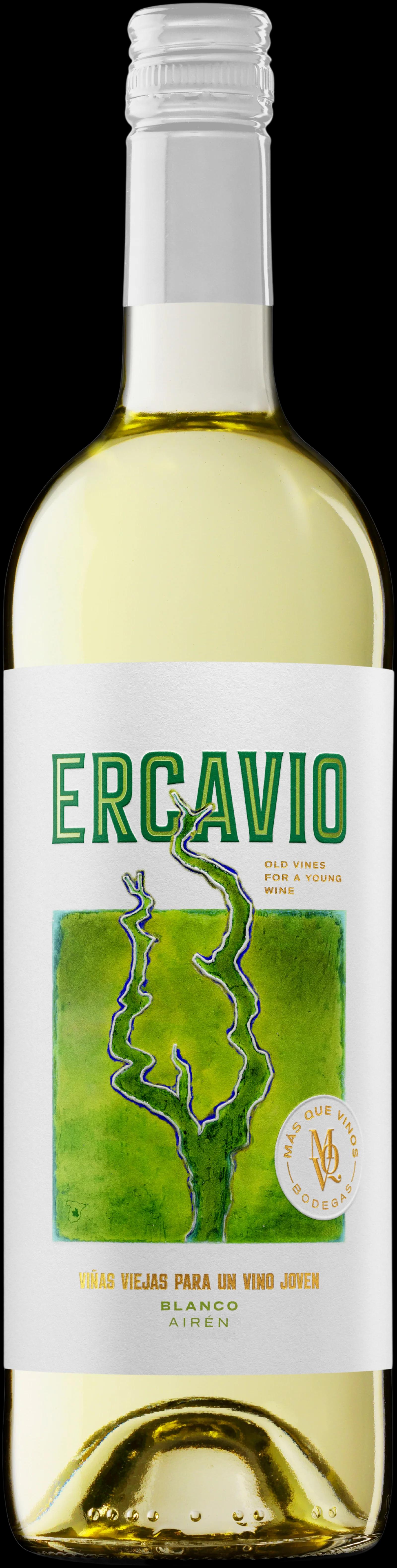
Wines made from Airén are typically pale, dry, and light to medium in body, with relatively high acidity when the grapes are harvested before they overripen in the heat. The flavour profile leans toward green apple, lemon zest, white flowers, and sometimes a faint almond note on the finish — not expressive in a showy way, but precise and refreshing. That makes it a natural partner for food that needs a clean, uncomplicated white alongside it: grilled fish, seafood, simple vegetable dishes, or the kind of tapas-style spread where the wine is meant to accompany rather than dominate. In Castilla-La Mancha it has long been drunk young and local, which is still the best approach — Airén is not a grape that benefits from extended ageing. If you are exploring Spanish white wine beyond the better-known names, it sits alongside varieties like Verdejo, Macabeo, and Malvar as part of the country's quieter, more regional white-wine tradition.
Buying Airén wine directly from independent producers
Airén rarely appears in supermarkets outside Spain, which means most buyers encounter it only if they go looking. The producers on Free Grape Society who work with this grape are typically small estates in Castilla-La Mancha or neighbouring regions, growing it because it belongs to where they are — not because it is fashionable. Ordering directly from the producer means the wine travels from the cellar to your door without an importer or large warehouse handling it in between, which matters for a grape this light and fresh. Wines tasted before listing means there is a baseline of quality behind what appears on the page. If you want to explore further, the Spanish wines page covers the full range of regions and varieties, and the Valencia, Aragon, and Murcia pages show where other southern Spanish white grapes are grown by independent growers. Free Grape Society is a society of producers, independent experts and wine lovers — not a shop — and Airén is exactly the kind of grape a society like this exists to put in front of people who would not otherwise find it.