
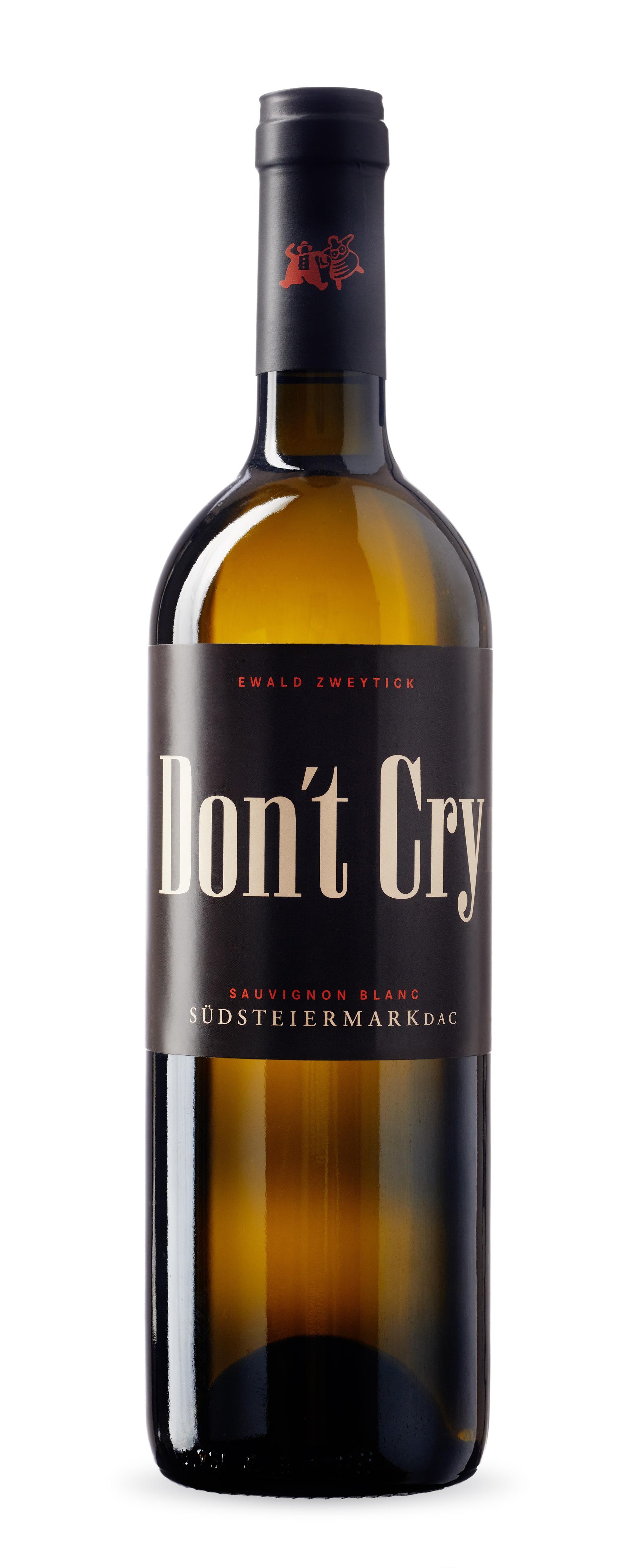
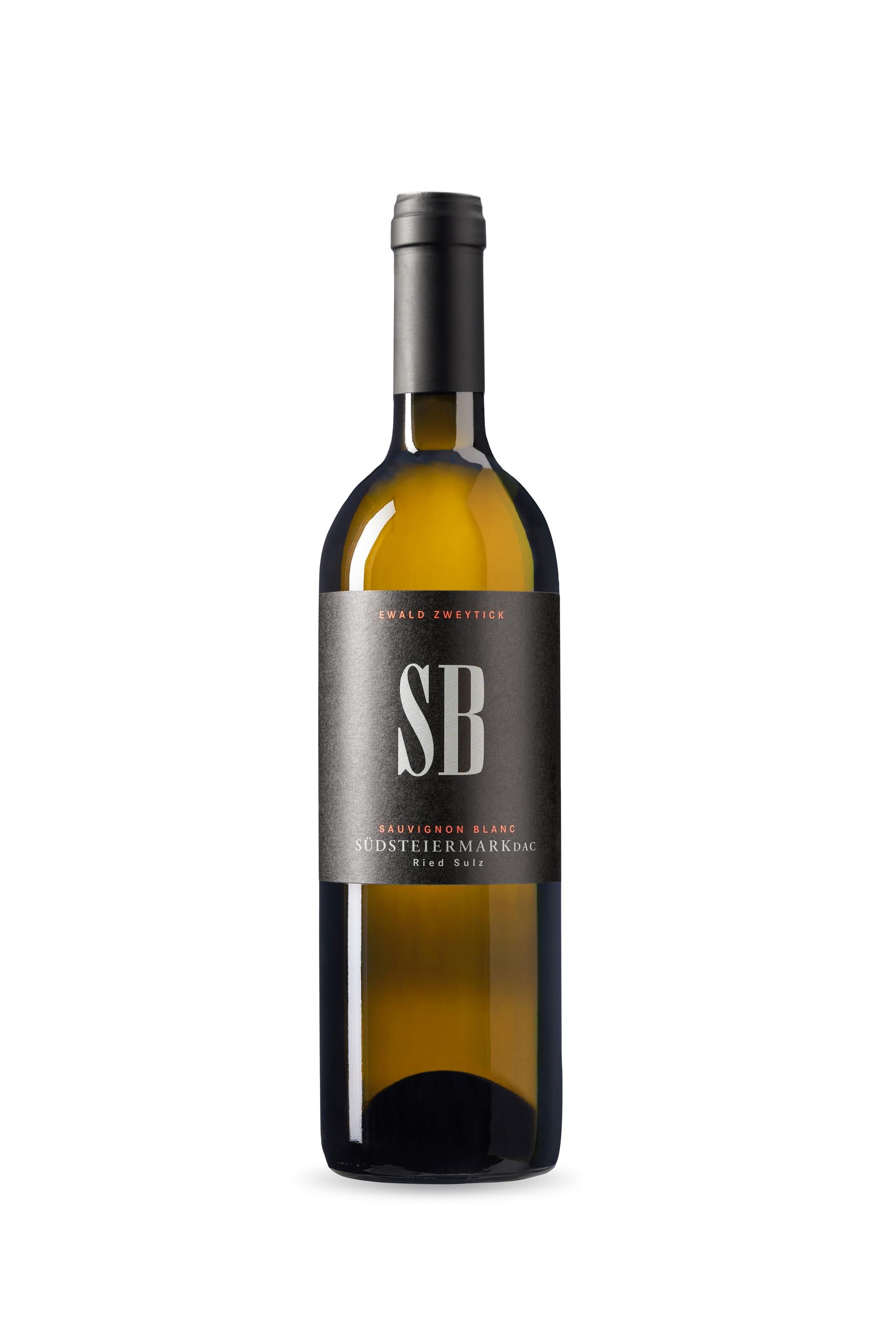
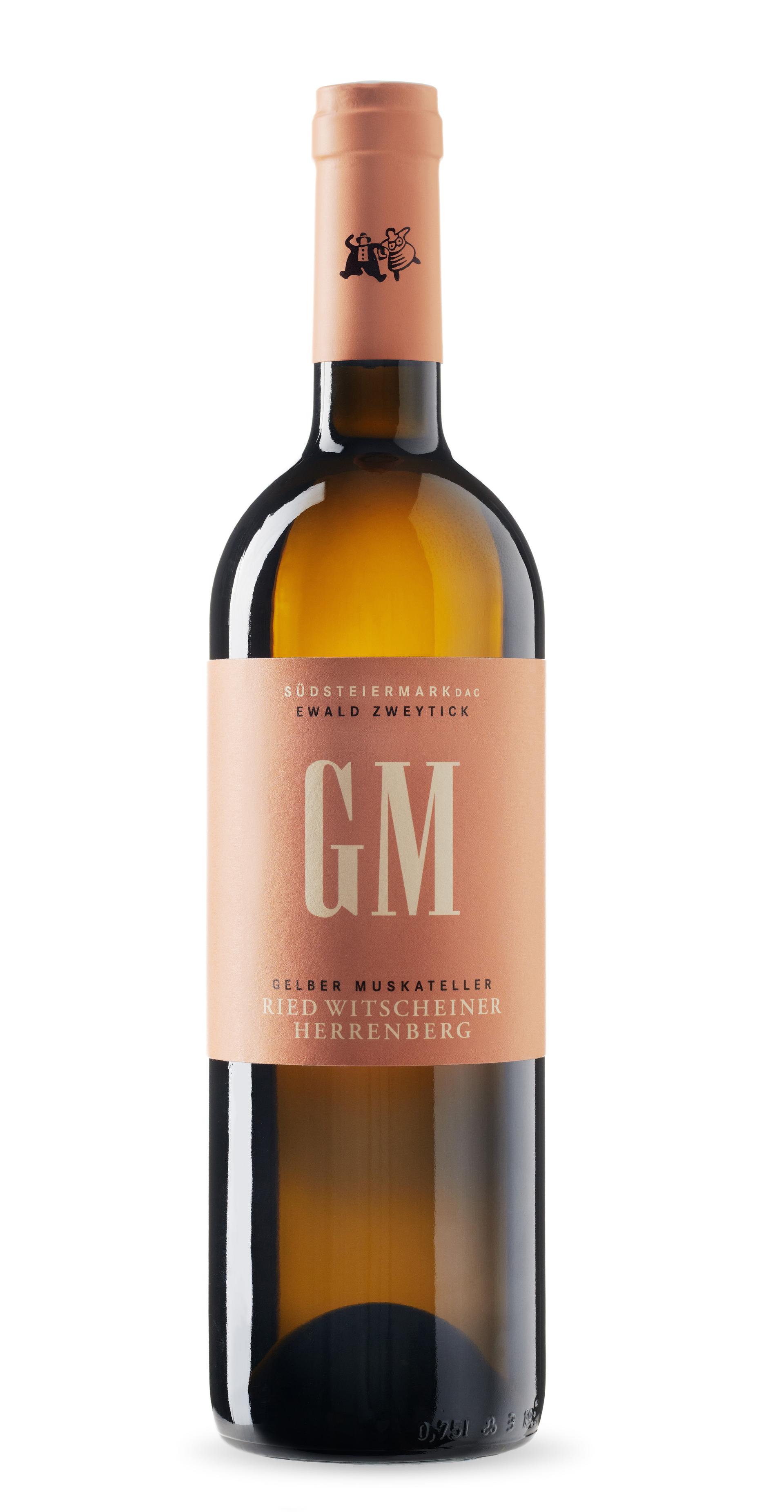
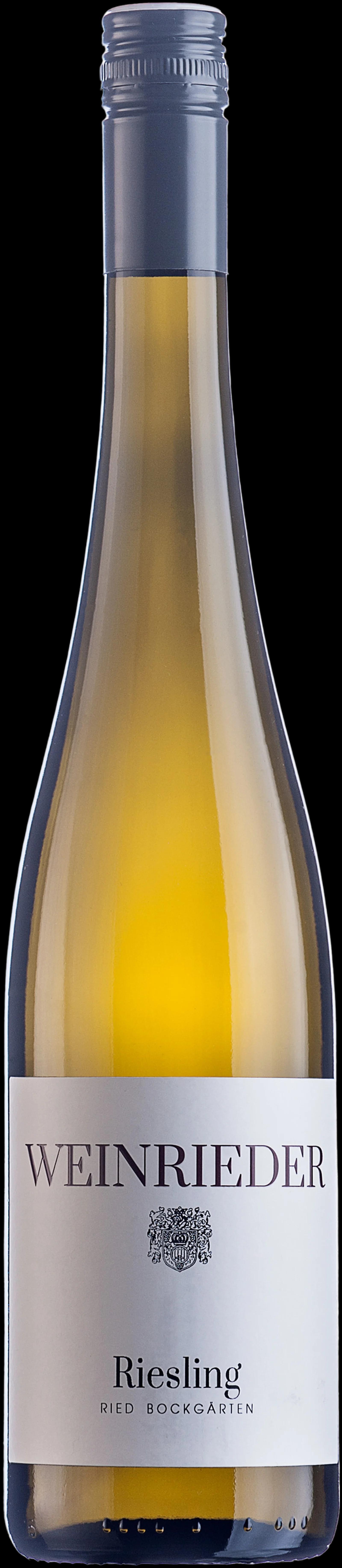
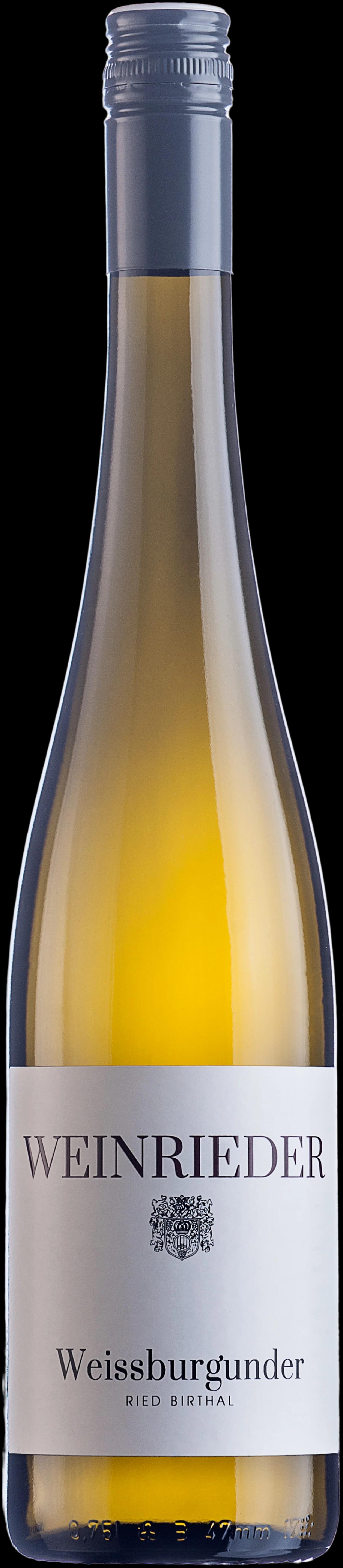
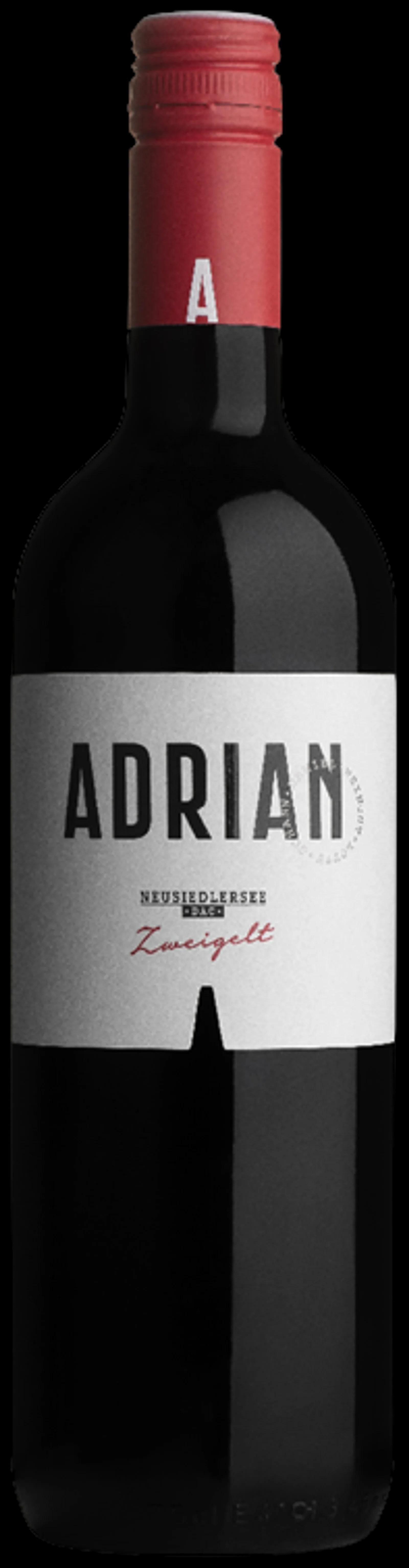
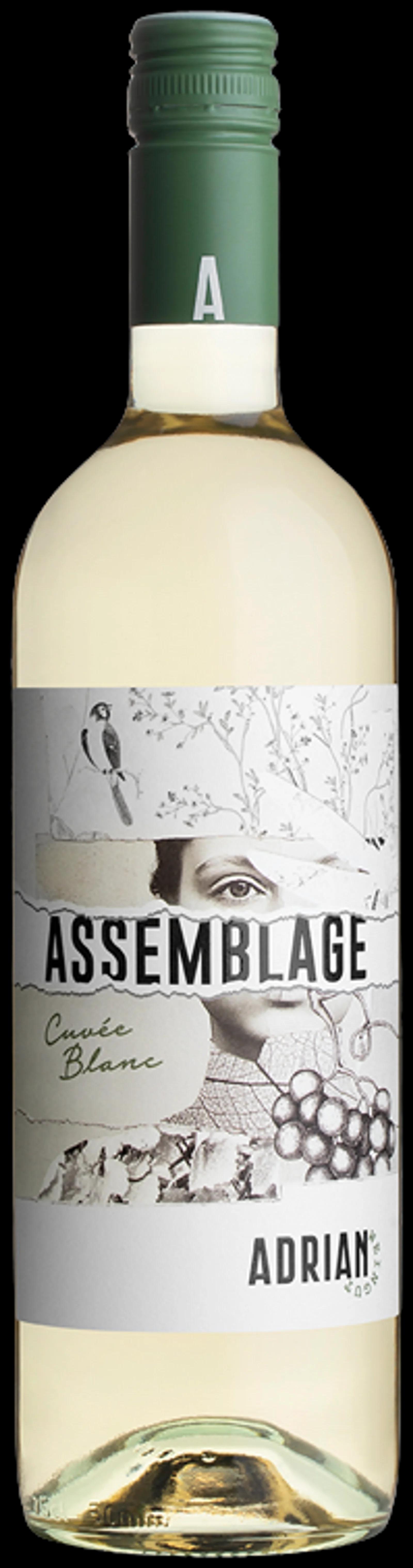
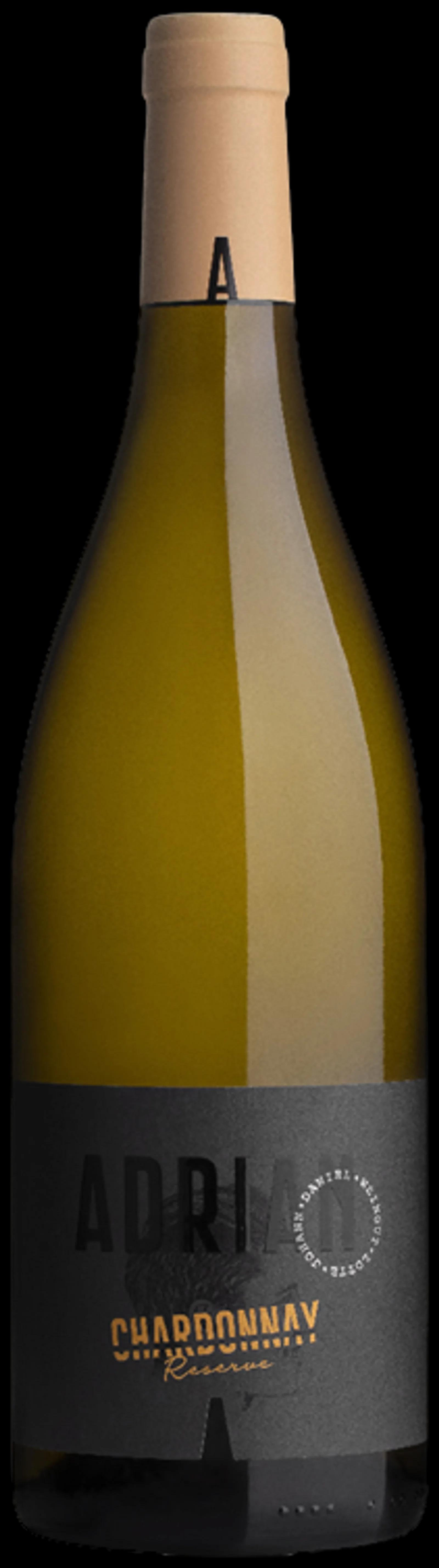
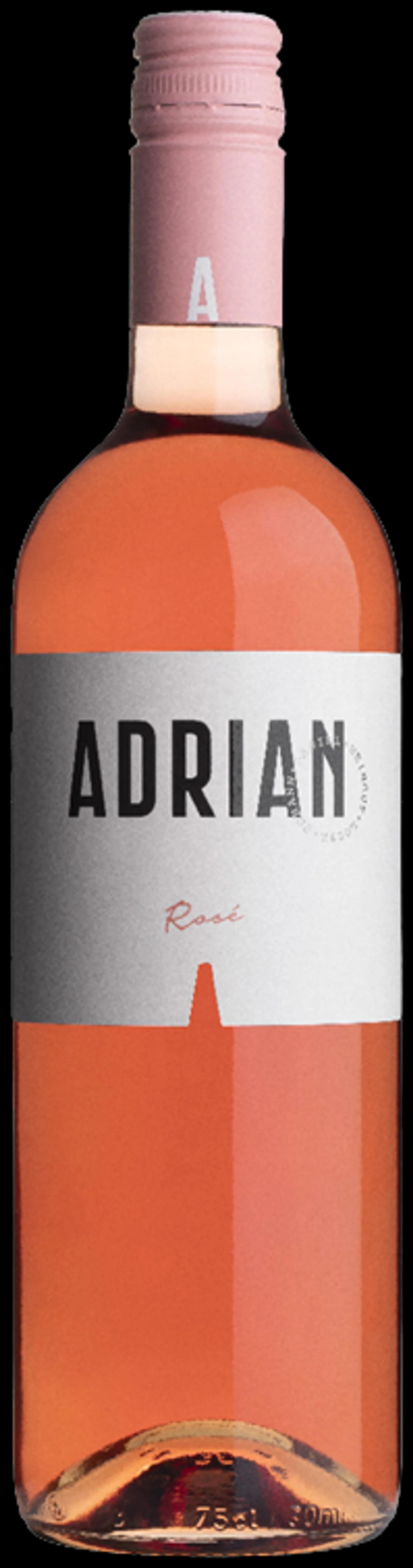
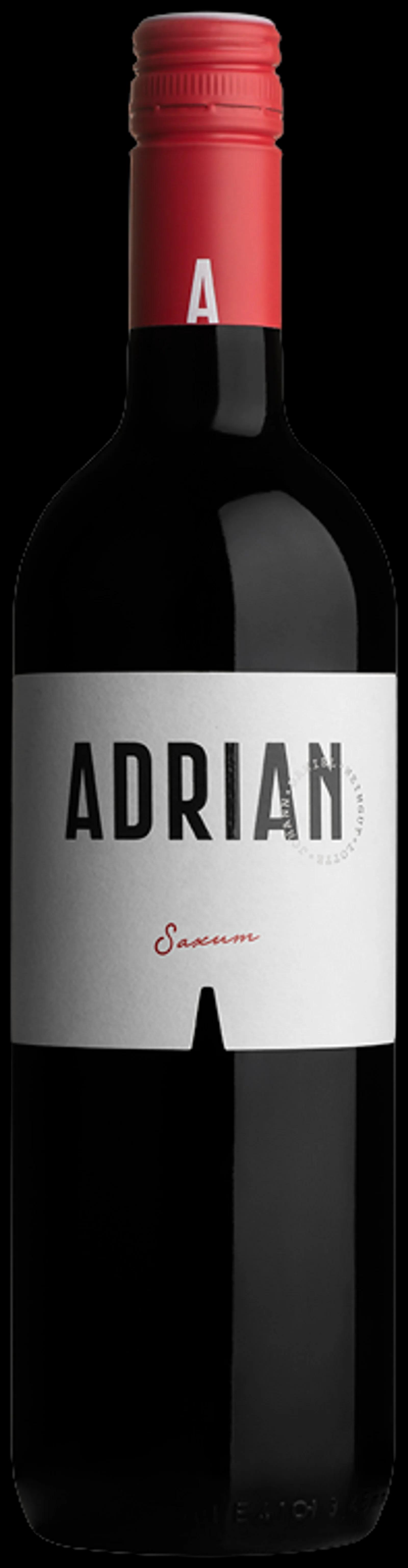
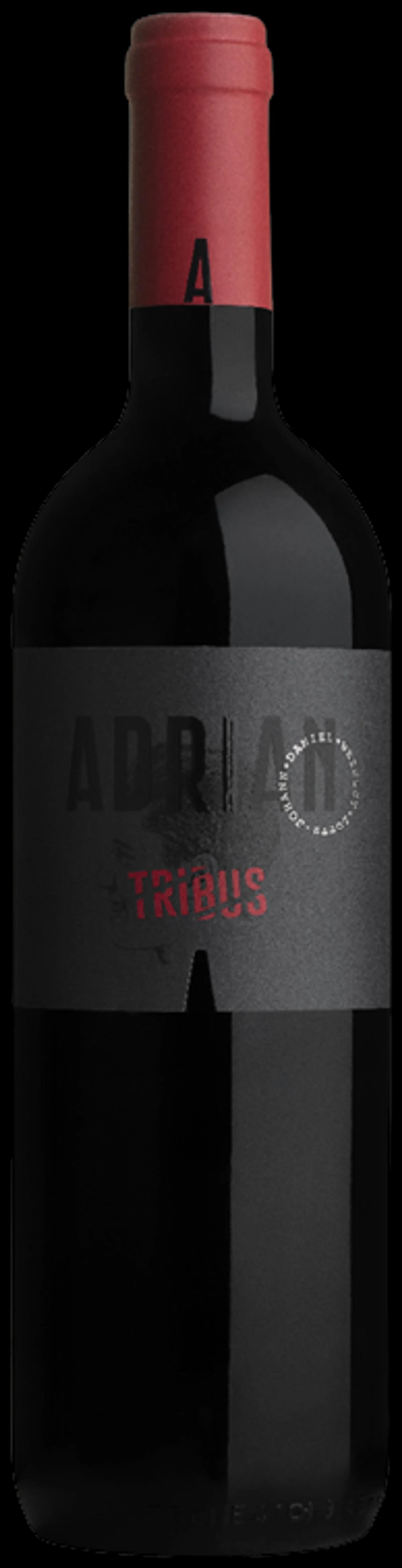

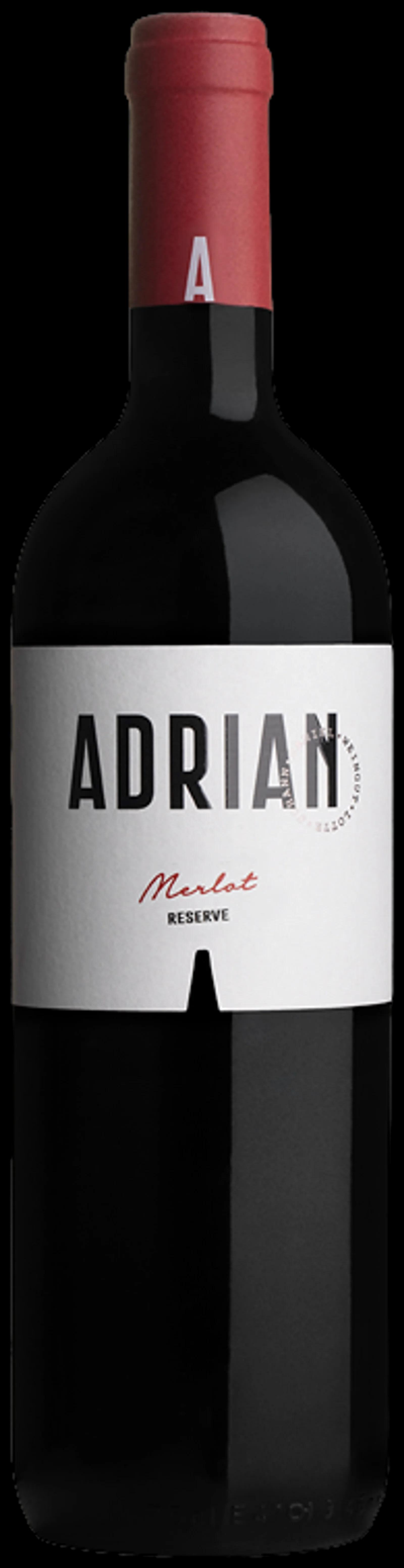
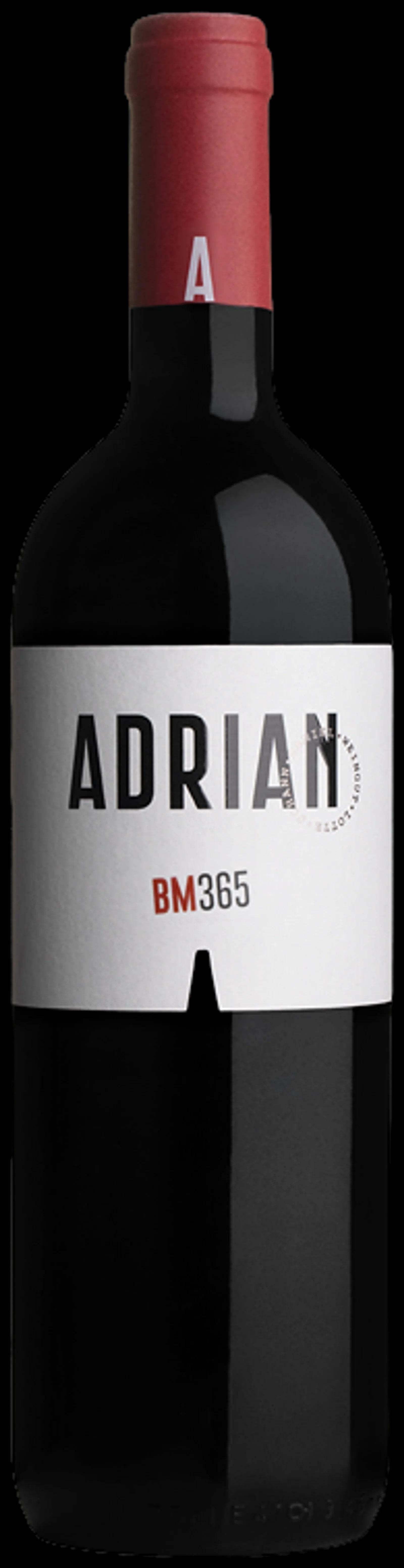
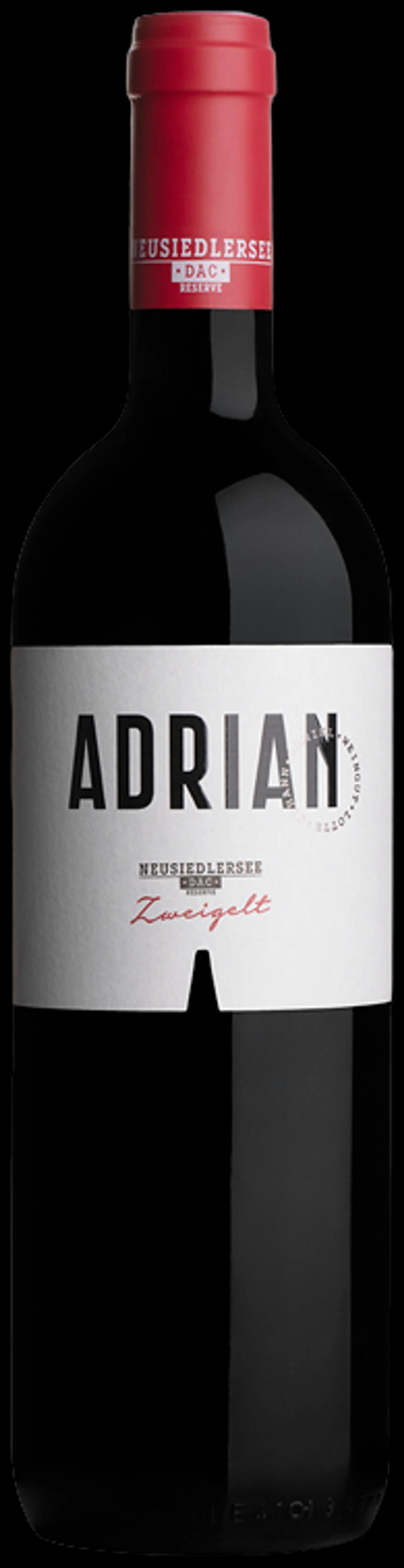
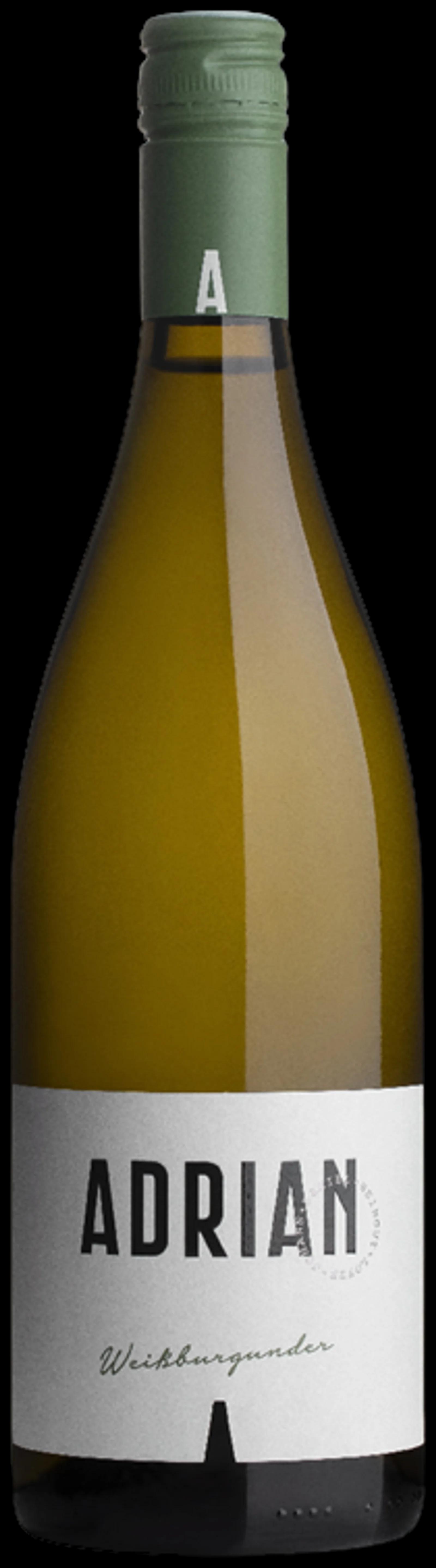
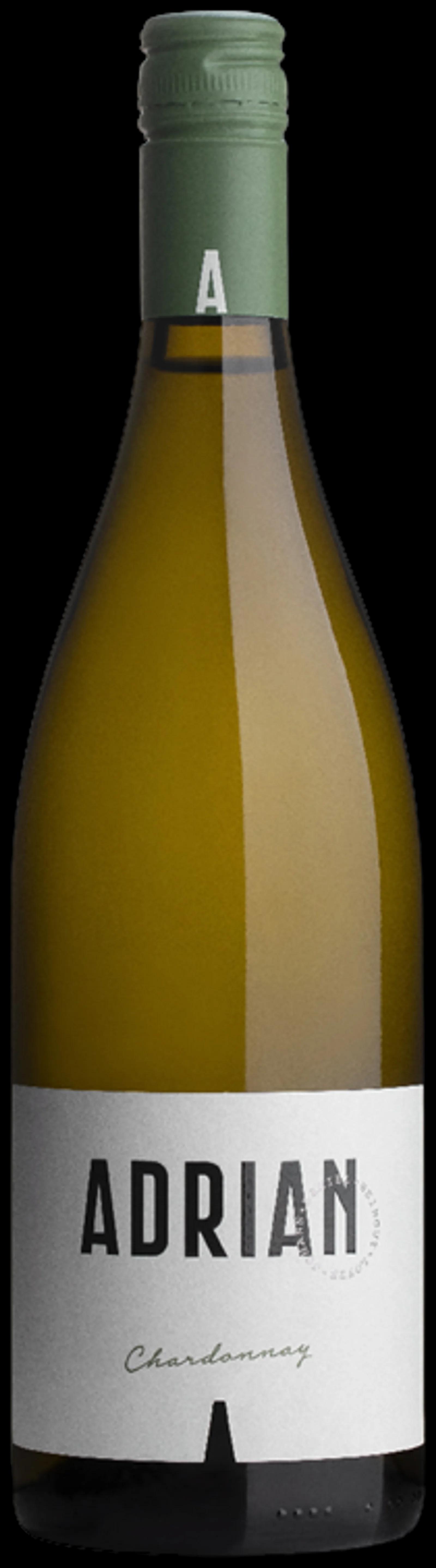
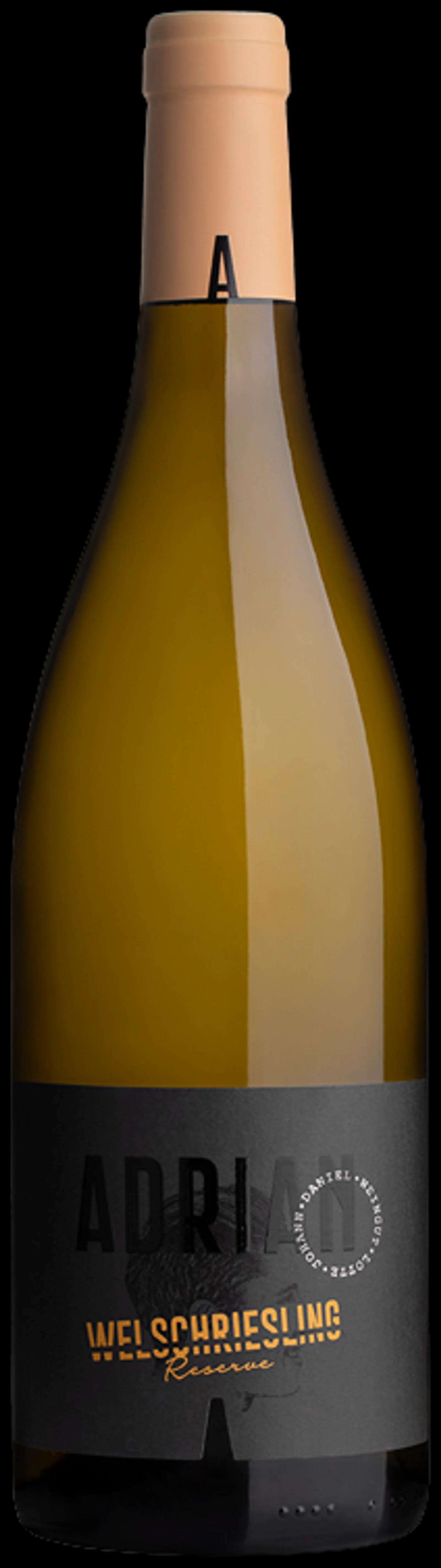
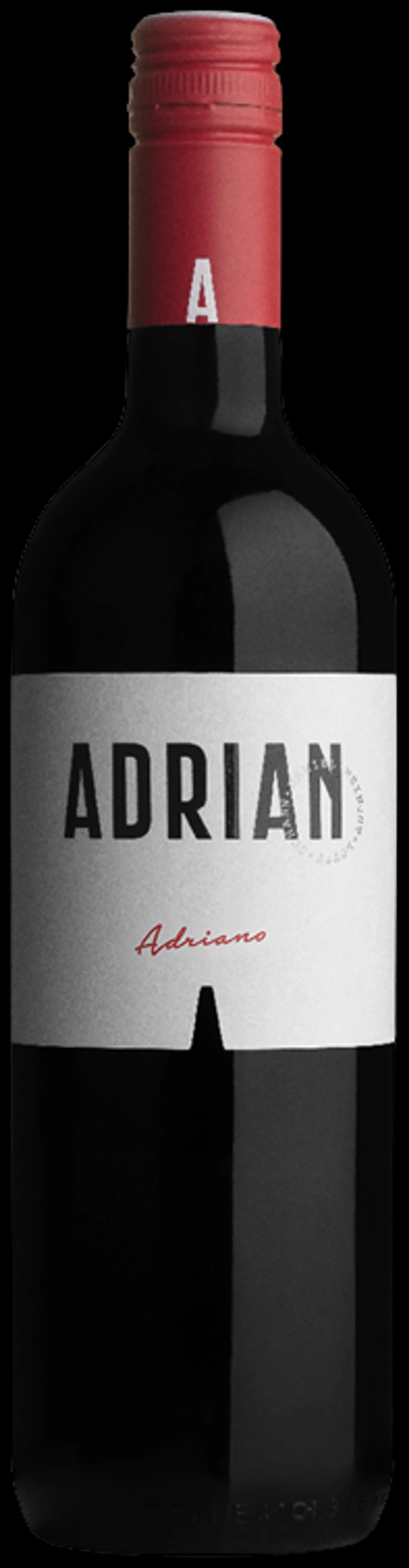
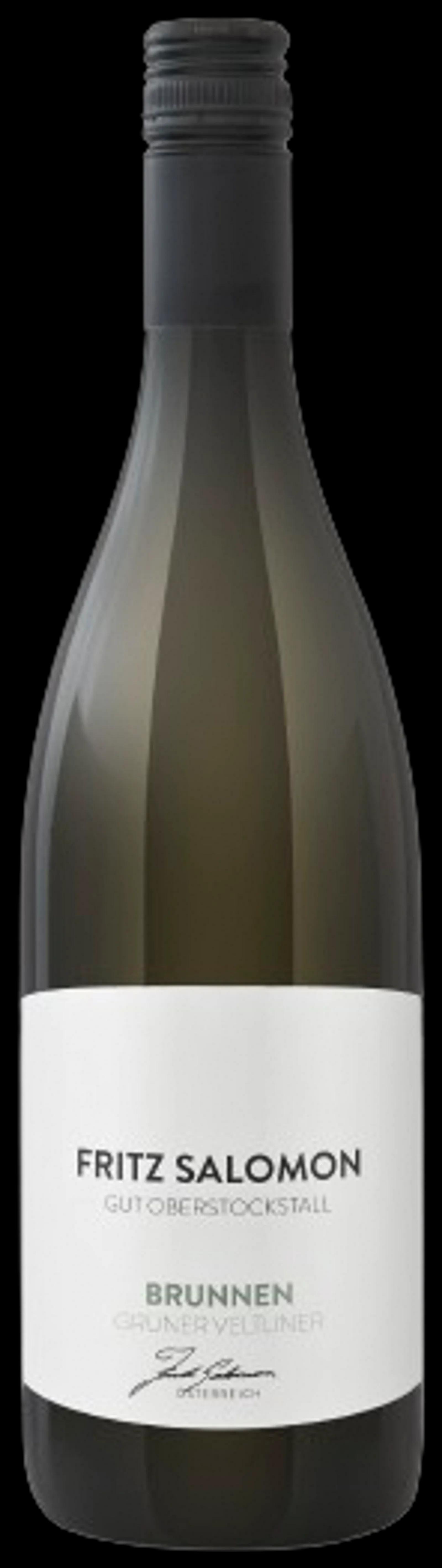
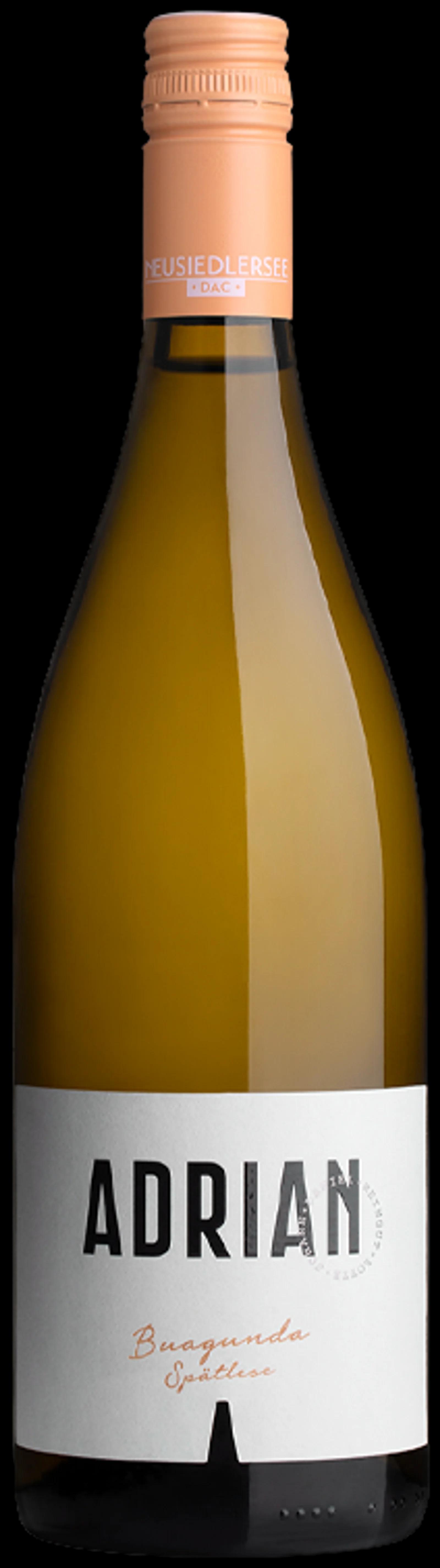
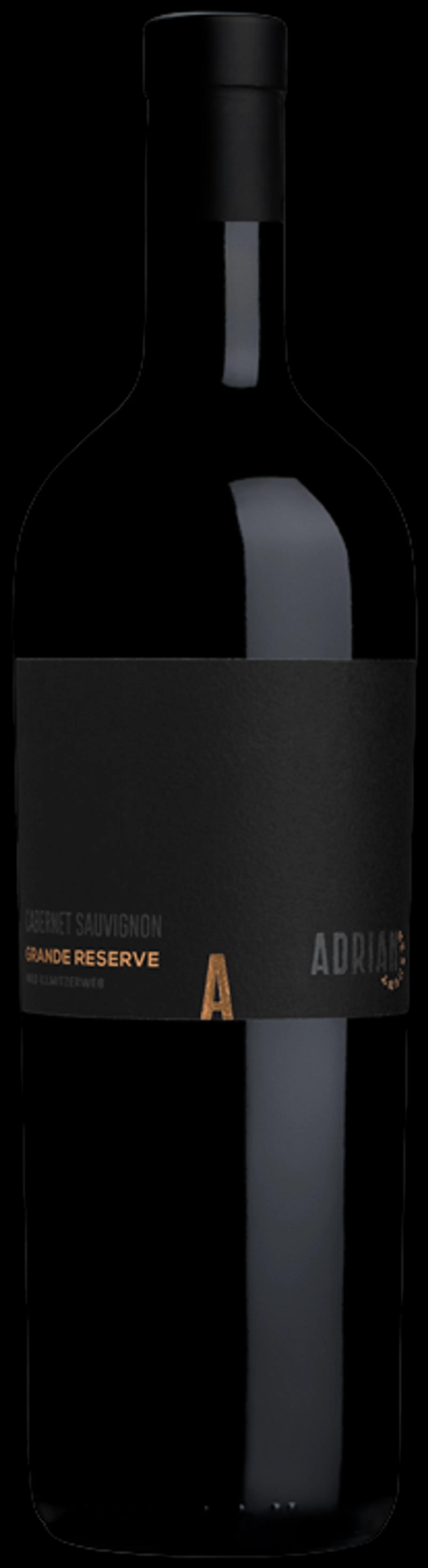






Austrian wine cases, each from a single grower's cellar

An Austrian wine case on Free Grape Society is six bottles from one producer, composed by the grower as their own selection from a single estate. Browse cases from independent producers across Niederösterreich, Burgenland and Steiermark.

Grüner Veltliner, Blaufränkisch and Riesling — six bottles chosen by the producer.

Wine Colour

Dropdown arrow

Country (1)

Dropdown arrow

Region

Dropdown arrow

Price

Dropdown arrow

Sort by

Sort arrow
Austria

Austrian wine cases

Austria's wine regions sit in the east and south of the country, where the climate swings between continental cold and Pannonian warmth. Niederösterreich alone accounts for more than half of Austrian production, and its sub-regions — Wachau, Kremstal, Kamptal — each shape Grüner Veltliner and Riesling differently. A single producer's six-bottle case is a practical way to move across those differences without choosing bottle by bottle.

Previous1 of 1Next

Austrian wines

Each case here is six bottles from one producer, put together by the grower as their own recommendation — not a retailer's pick from several cellars. That means the six bottles belong to a single estate's logic: one family's take on a grape, a vintage, or the spread of their range. Free Grape Society is a society of producers, independent experts and wine lovers, not a shop. Producers ship each case directly from their own cellar, with no importer or warehouse in between.

Austrian wineries

Austria's wine law uses a quality tier system — DAC (Districtus Austriae Controllatus) — that ties grape varieties to specific regions. A Kamptal DAC is Grüner Veltliner or Riesling from the Kamptal district; a Burgenland DAC covers the red wines of that warmer, eastern region. When a producer builds a six-bottle case, these regional identities often shape which bottles they choose to include, giving you a grounded way into where and how they work.

Wine experts

Independent wine experts on Free Grape Society rate and review wines they have personally tasted. Their reviews sit on the wine pages and on each expert's own profile, so you can see which Austrian wines they have covered and what they found. Several of the experts listed here have reviewed wines from the Austrian producers on the platform.

Frequently asked questions

How do I order wine directly from an Austrian producer?

Browse the Austrian wineries below and open any producer's page to see the wines they have listed. Add bottles to your basket and check out — the order goes directly to that producer's cellar, and they ship it to your door. Delivery takes between 4 and 14 days, with an average of around 8 to 9 days from despatch.

What happens if a bottle arrives broken or doesn't taste right?

Send a photo to Free Grape Society customer support within 7 days of delivery. We will arrange a replacement or a refund. Because producers ship directly, quality issues are handled with the producer's direct involvement. Shared responsibility is built into how FGS works.

Can I order from more than one Austrian producer in a single order?

Yes. You can add wines from several Austrian producers to the same basket. Each producer ships their own wines separately from their own cellar, so you may receive more than one delivery. Each shipment is packed and despatched by the producer directly, with no central warehouse involved.

How long does delivery take?

Average delivery is 8 to 9 days from order to door. The full range is 4 to 14 days depending on the producer's location and your delivery address. Wines ship directly from the producer's cellar, not from a central warehouse.

How do I find an Austrian producer whose style suits me?

Start by region if you have a preference — Niederösterreich for Grüner Veltliner and Riesling, Burgenland for fuller reds and sweet wines, Steiermark for aromatic whites. Or browse by grape variety. Each producer's page describes how they work, what they grow, and which wines they have listed. If you are still unsure, use the wine-advice service and an independent wine expert can point you in the right direction.

How does Free Grape Society decide which Austrian producers to list?

Producers send samples, and those wines are tasted before any of them is listed. The process looks at how a producer works — whether they farm their own fruit, how they treat their land, and whether their prices are fair to both grower and buyer. Wines that are listed are then open to review by independent wine experts who rate bottles they have personally tasted.

Which Austrian wine expert can recommend something for me?

Several independent wine experts on Free Grape Society have reviewed Austrian wines and can offer personal recommendations. Open any Austrian wine page to see expert reviews attached to that wine, or browse the wine experts listed on this page and read their profiles to find one whose background or region focus suits you. You can submit a question through the wine-advice form and an expert will respond.

Why don't you carry every wine from every Austrian producer you work with?

A producer's full range can be large, and not every wine travels or stores well for direct shipment. The wines listed are the ones the producer has chosen to offer through Free Grape Society — typically their core range and any wines they are particularly proud of. If a wine you are looking for is not listed, you can ask through the wine-advice service and an expert may be able to help.

Can I buy Austrian wine directly if I live in a country with a state retail monopoly?

Yes. Free Grape Society operates as a direct-trade marketplace, so producers ship to customers in markets where state retail monopolies cover domestic sales. The wine is ordered through Free Grape Society and fulfilled by the producer from their own cellar, which is a different channel from domestic retail. Check the delivery options at checkout for your specific country.

How an Austrian wine case is composed

An Austrian wine case, our mixbox, is six bottles from a single producer, picked by that grower as their own recommendation. Nothing is blended in from another cellar, so the box is one estate's view of its own range. A Wachau producer might move you through a dry Grüner Veltliner and a couple of Riesling Smaragd bottlings, while a Burgenland estate could take you from a lighter Zweigelt into a fuller Blaufränkisch. The choice and the order are always the producer's. You can explore the Austrian wines behind these boxes, or compare with wine cases from Italy and France to see how the format works across different wine cultures.

The wine regions an Austrian box can cover

Austria's wine regions each pull in a different direction, and a single producer's box can be a compact introduction to one of them. Niederösterreich is the country's largest wine region, and home to the Wachau, the Kremstal and the Kamptal, all of which have built their reputations on Grüner Veltliner and Riesling grown on steep terraced slopes above the Danube. Burgenland runs warmer and is better known for red varieties: Blaufränkisch, Zweigelt and the occasional international blend. Steiermark sits in the south and leans white, with crisp, aromatic Sauvignon Blanc and Welschriesling. Because each mixbox here is tied to one producer, the box you choose reflects where that grower farms and what they prioritise in their own cellar, not an editor's blend across the country.

Signature grapes you will meet in an Austrian box

Austria's most distinctive contribution to European wine is Grüner Veltliner, a white grape found almost nowhere else at any volume. In its lighter, younger form it is peppery and fresh; in Smaragd-classified bottlings from the Wachau it can be broad and age-worthy. Riesling is the second pillar of the country's white wine identity, and Austrian Riesling tends to be drier than German examples of the same variety. On the red side, Blaufränkisch is the grape with the most individual character: firm acidity, dark fruit and a spicy edge that makes it distinct from warmer-climate reds. Zweigelt, a crossing of Blaufränkisch and St. Laurent, is softer and more approachable and is widely planted across the country. Welschriesling, despite the name, is unrelated to Riesling and is used both as a dry table wine and as the base for some of Austria's best botrytised sweet wines. An Austrian wine case built around any of these varieties is a direct route into what makes the country's wine culture different from its neighbours.