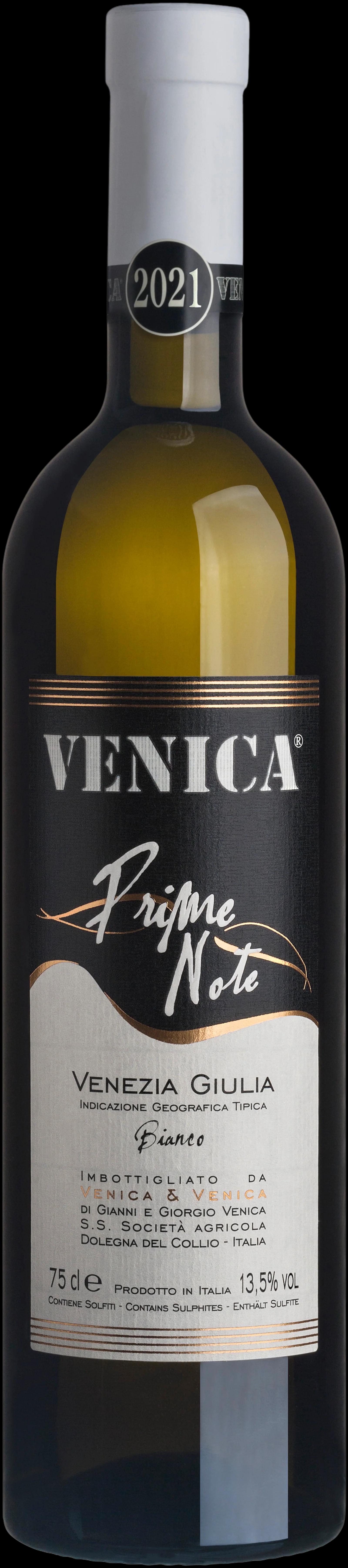
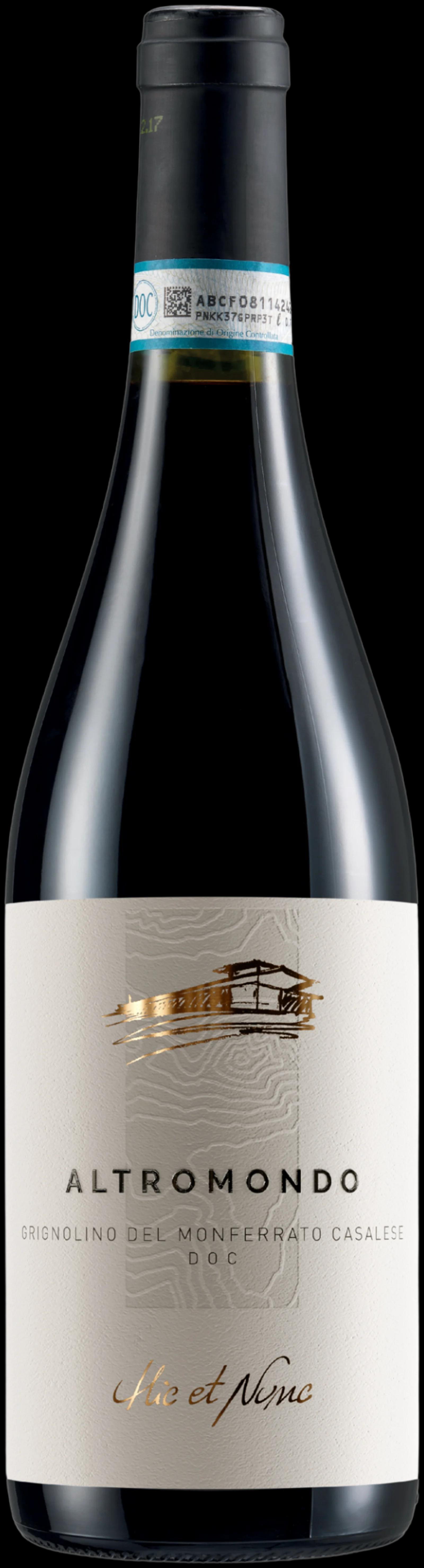
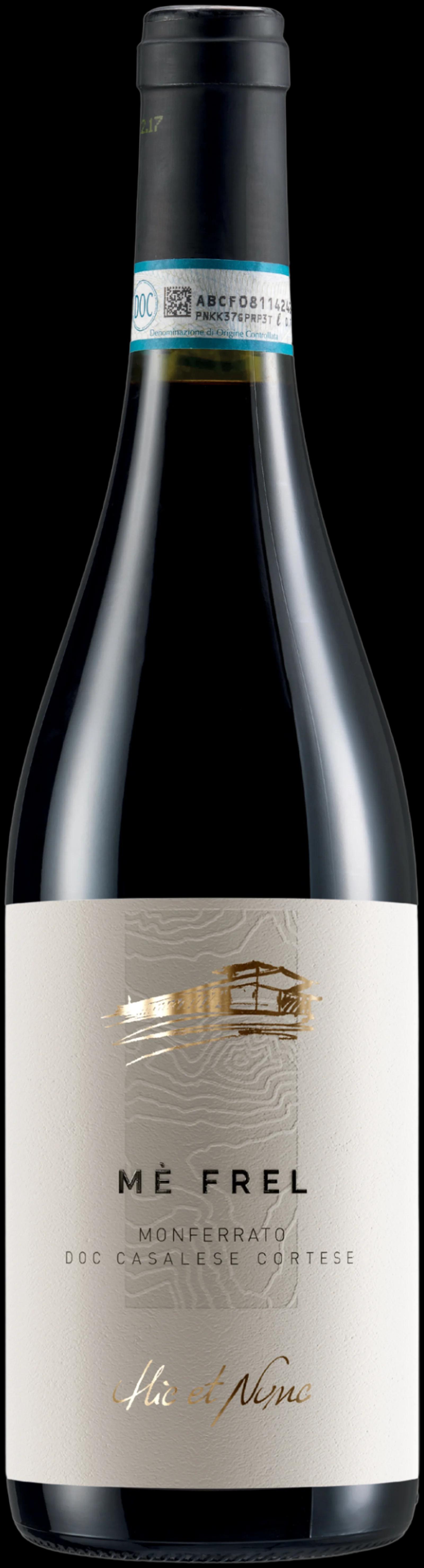
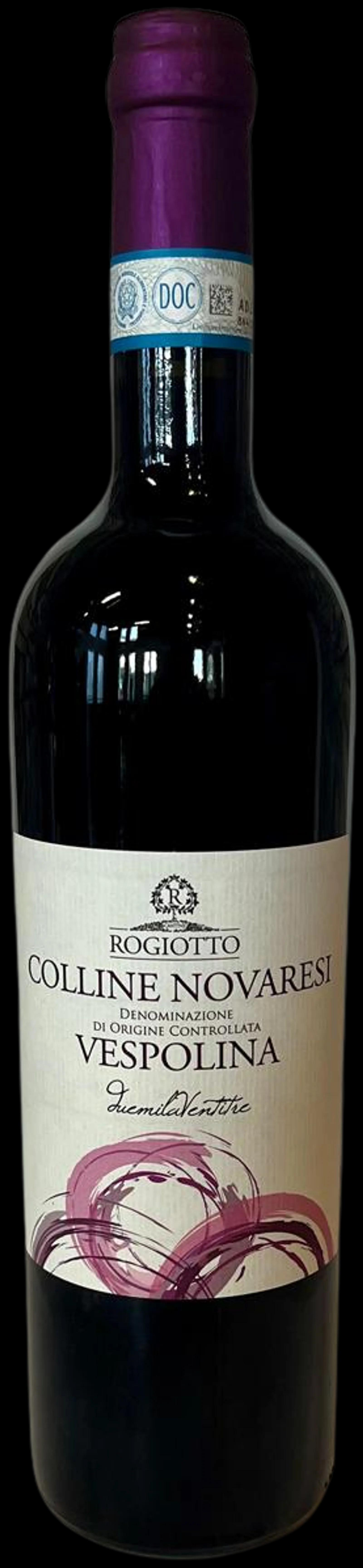
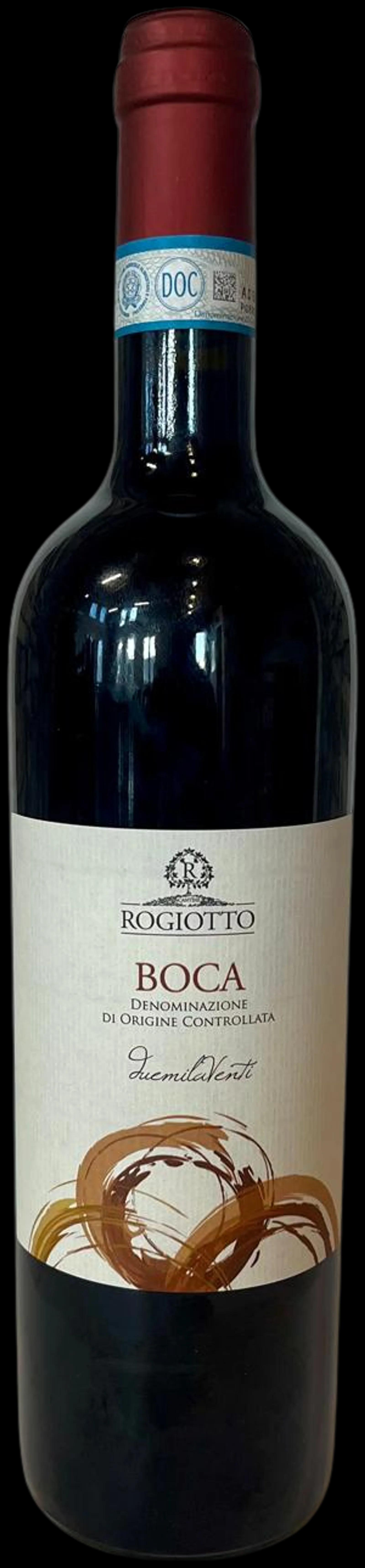
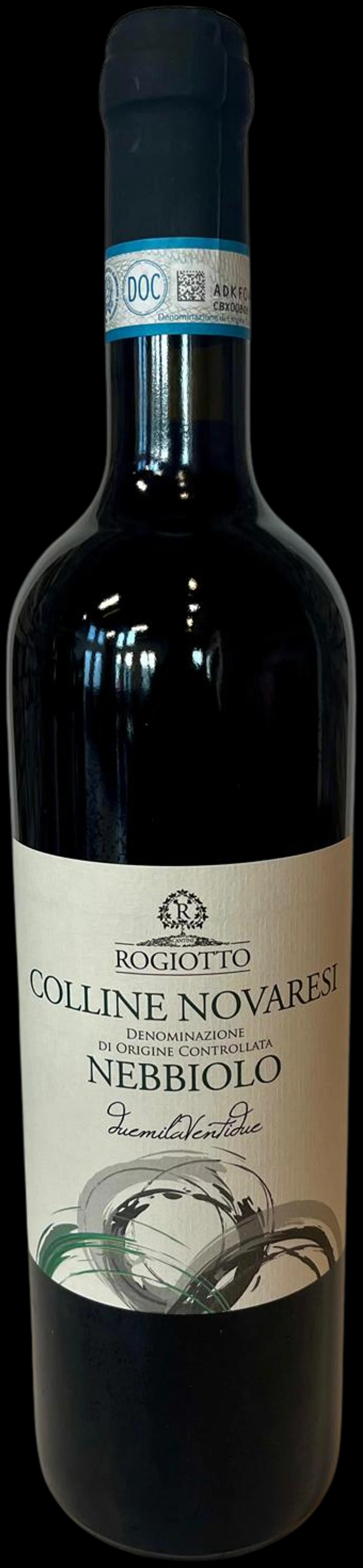
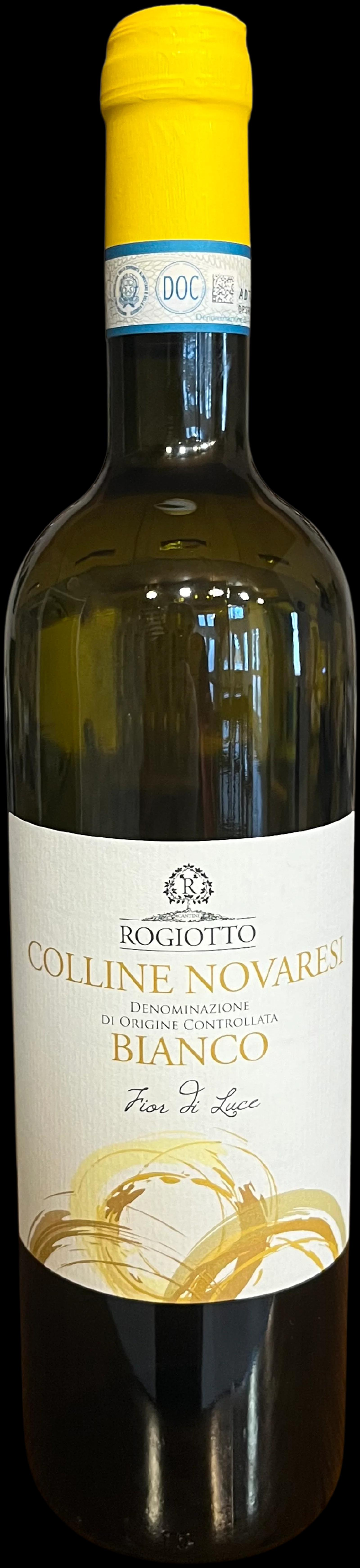
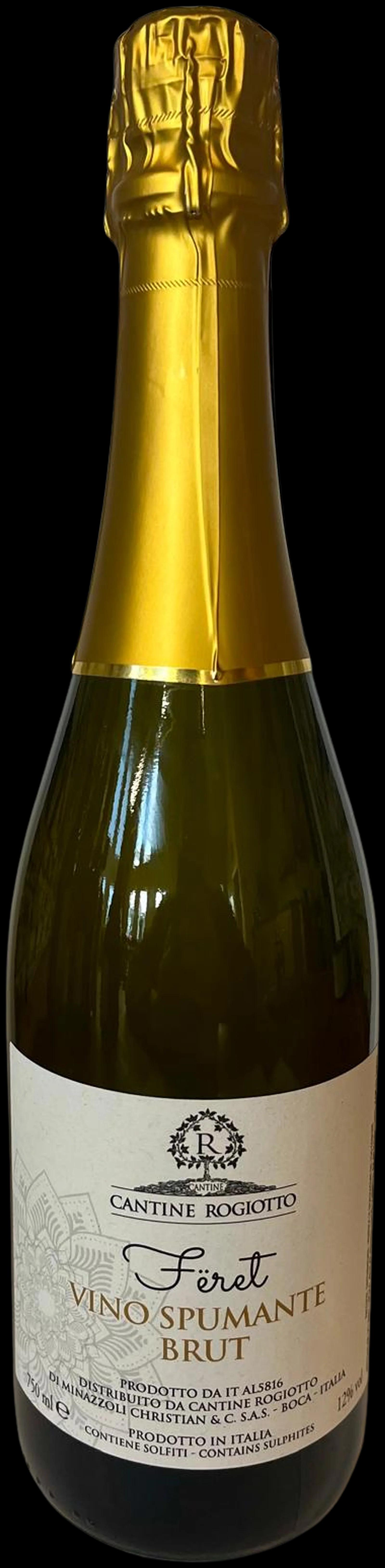
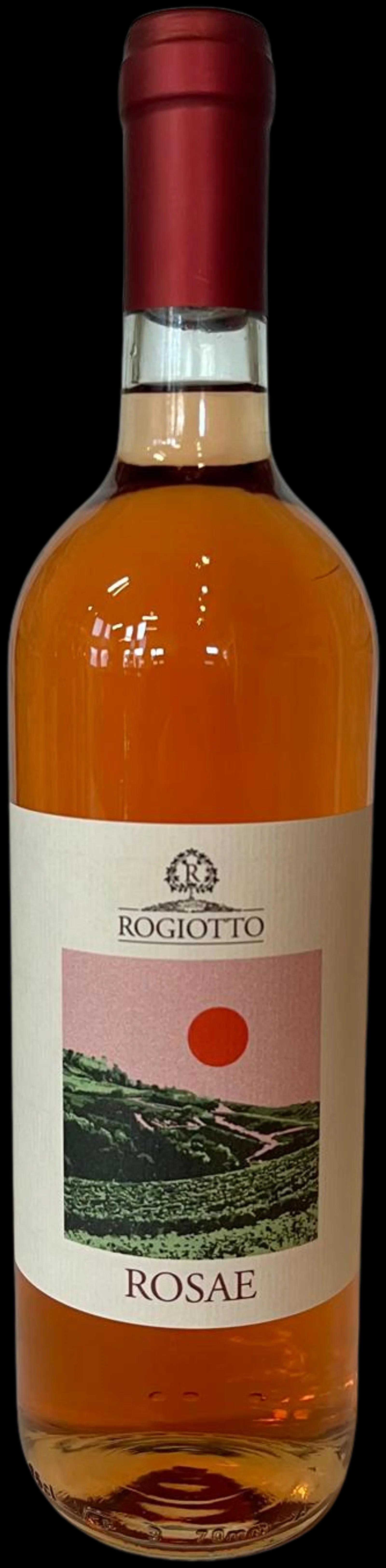
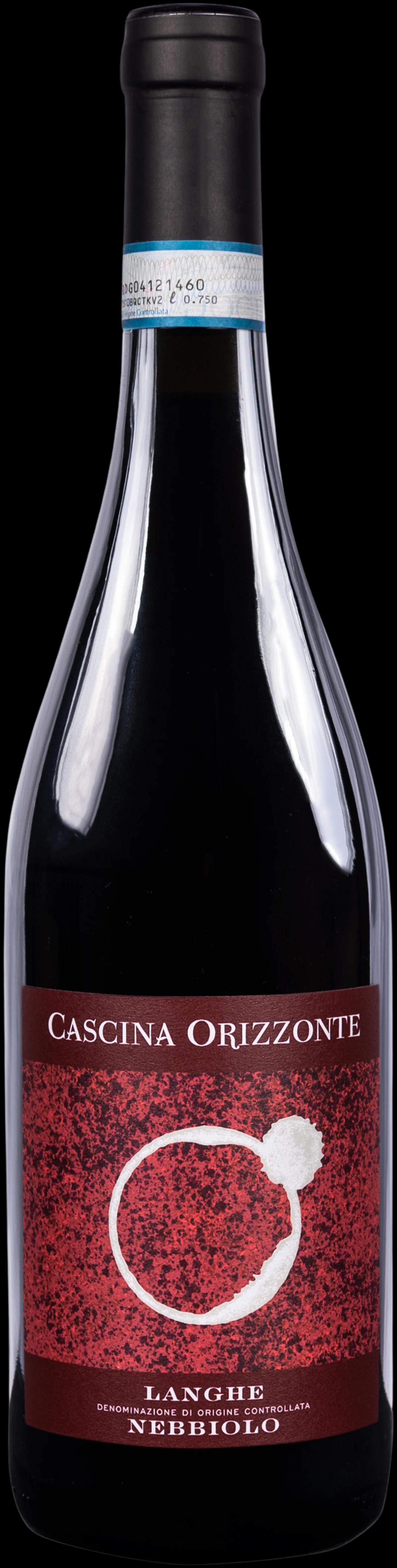
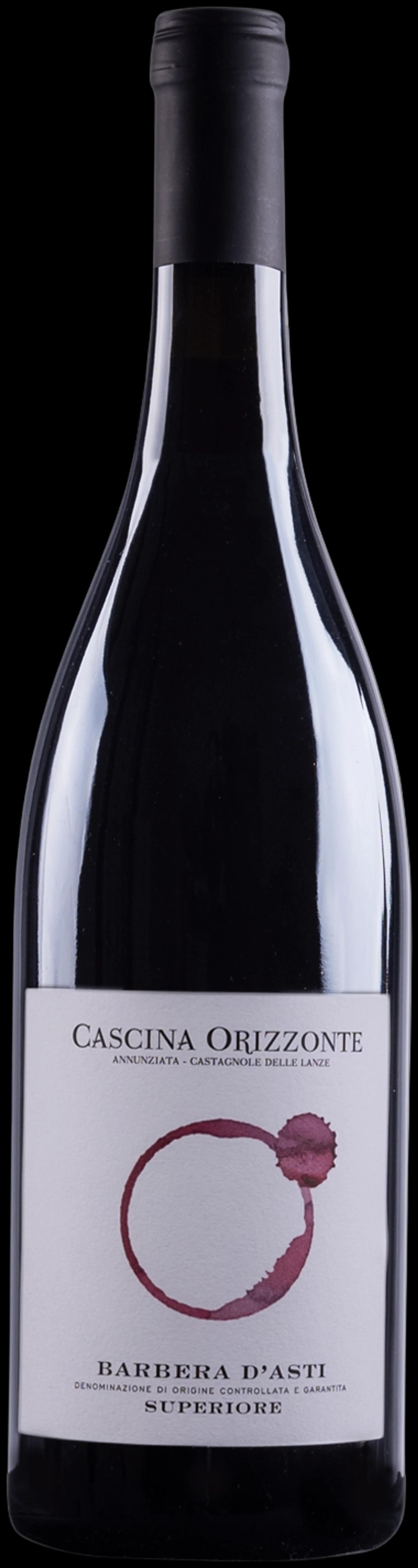
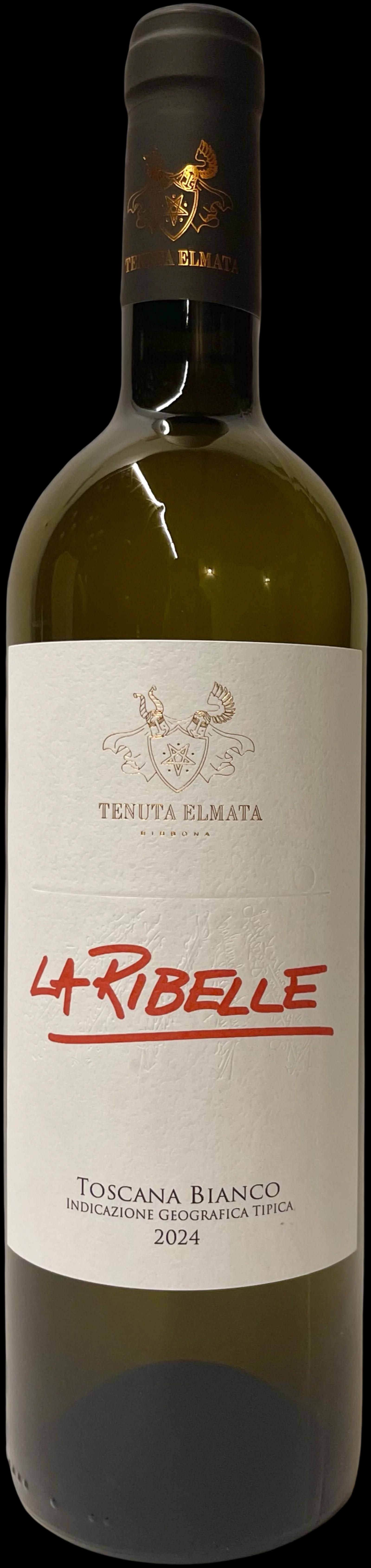
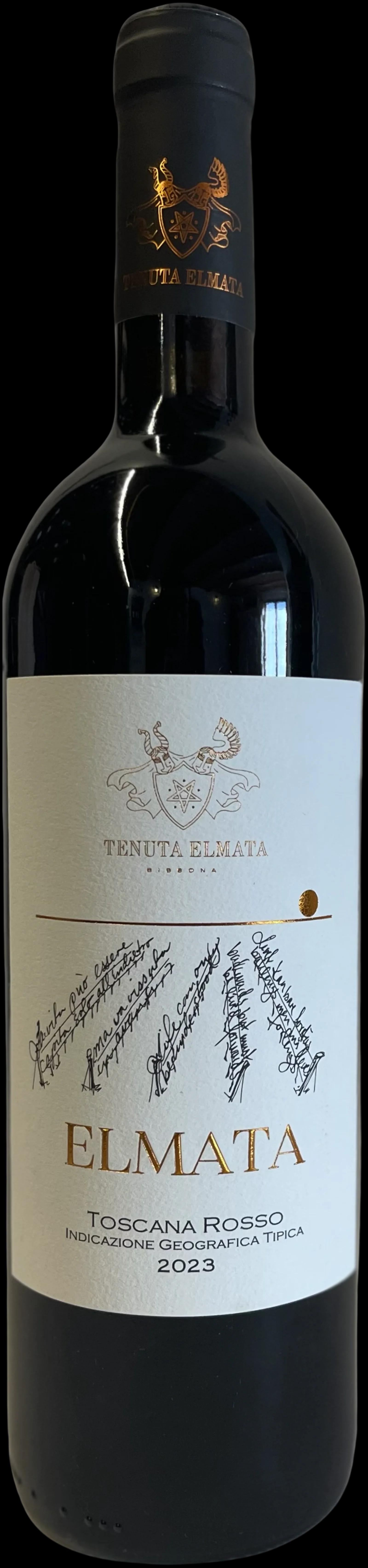
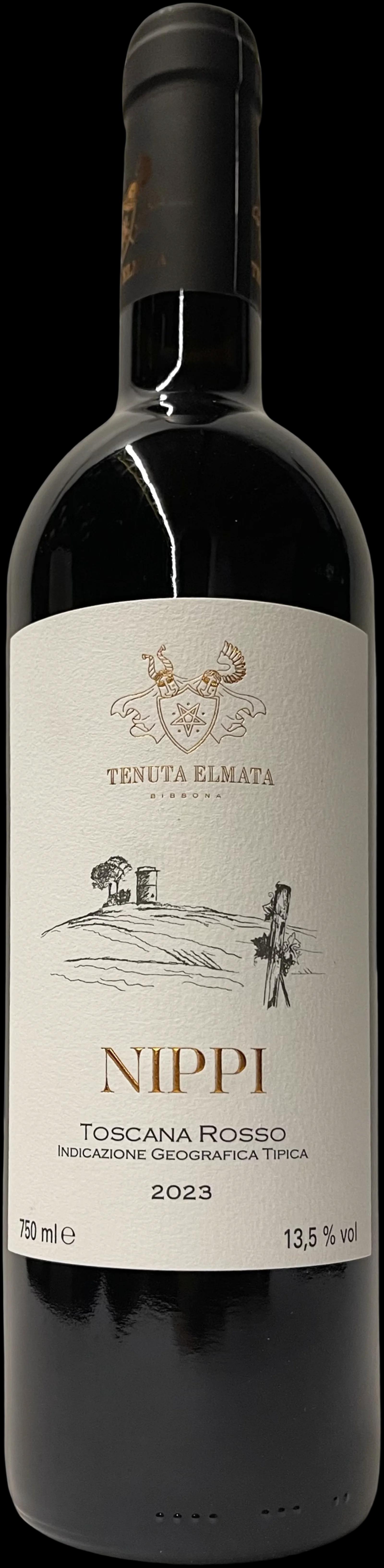
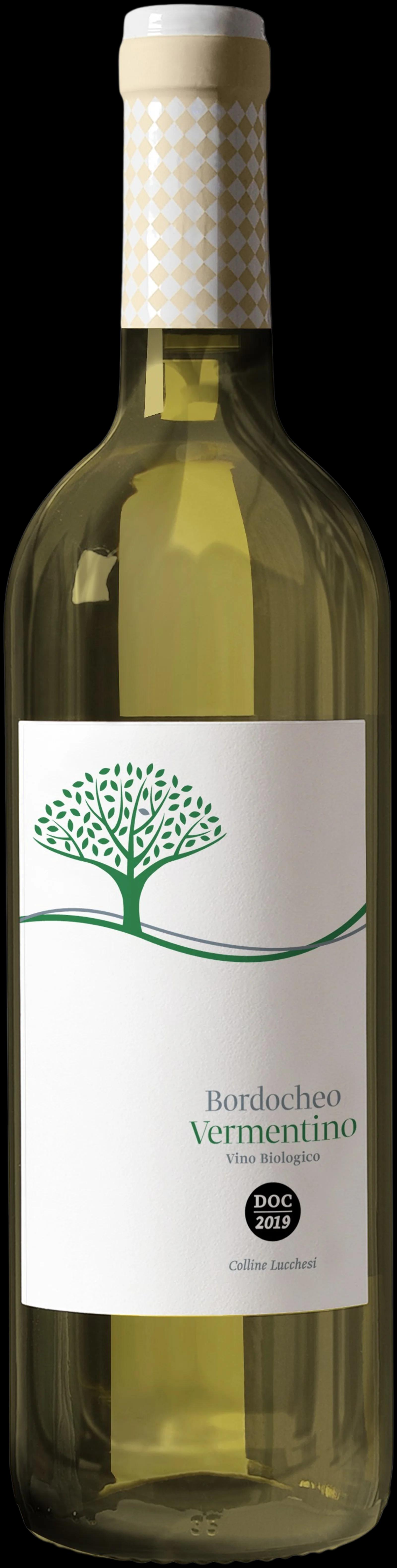
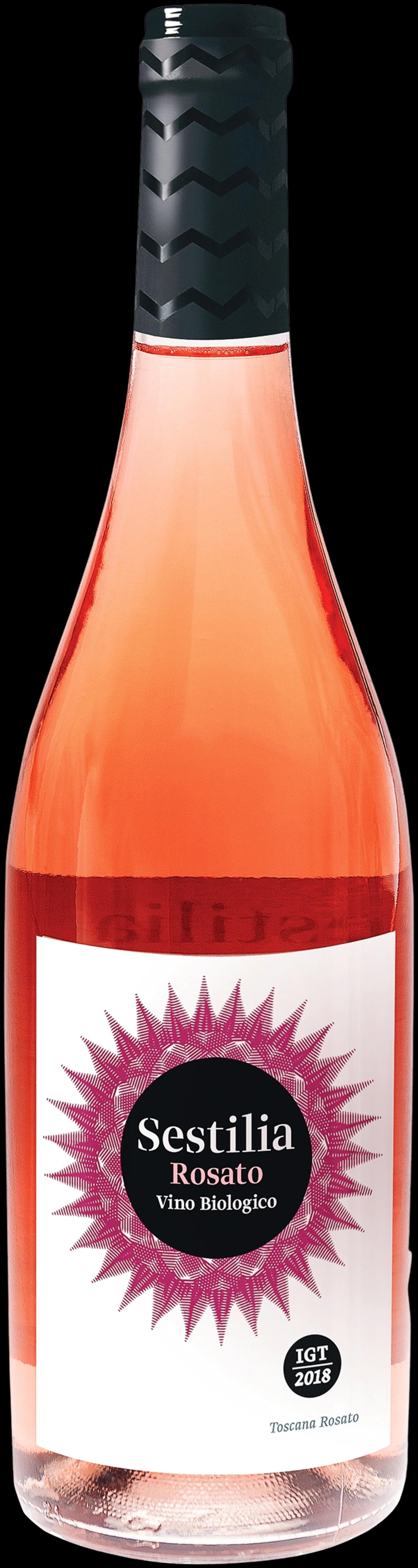
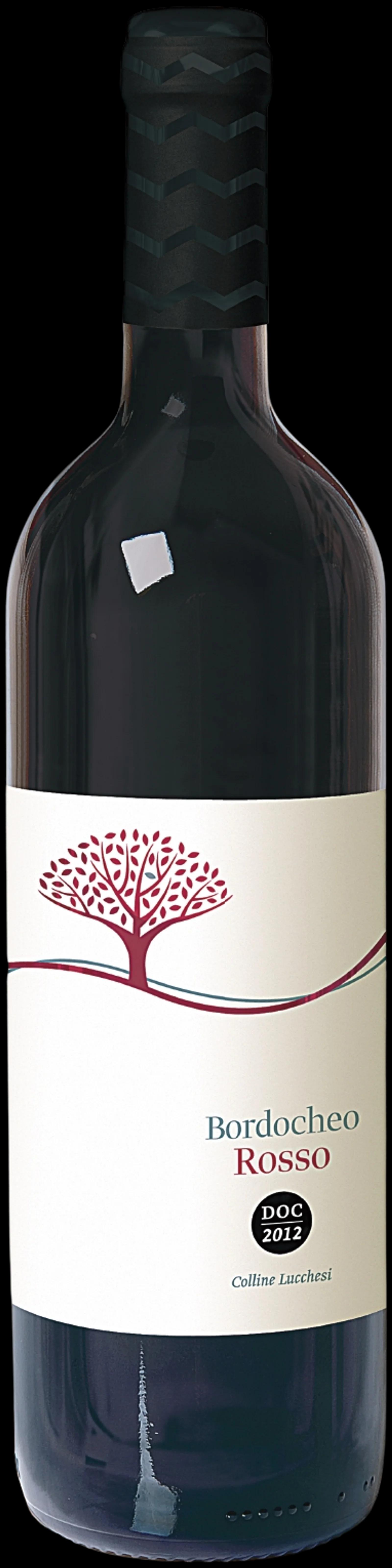
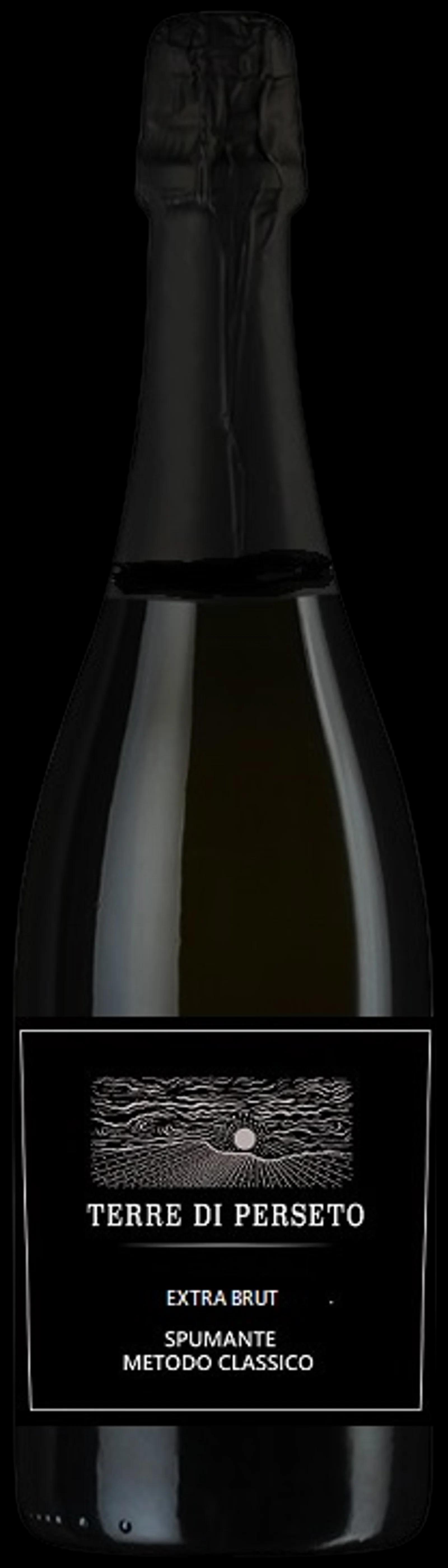
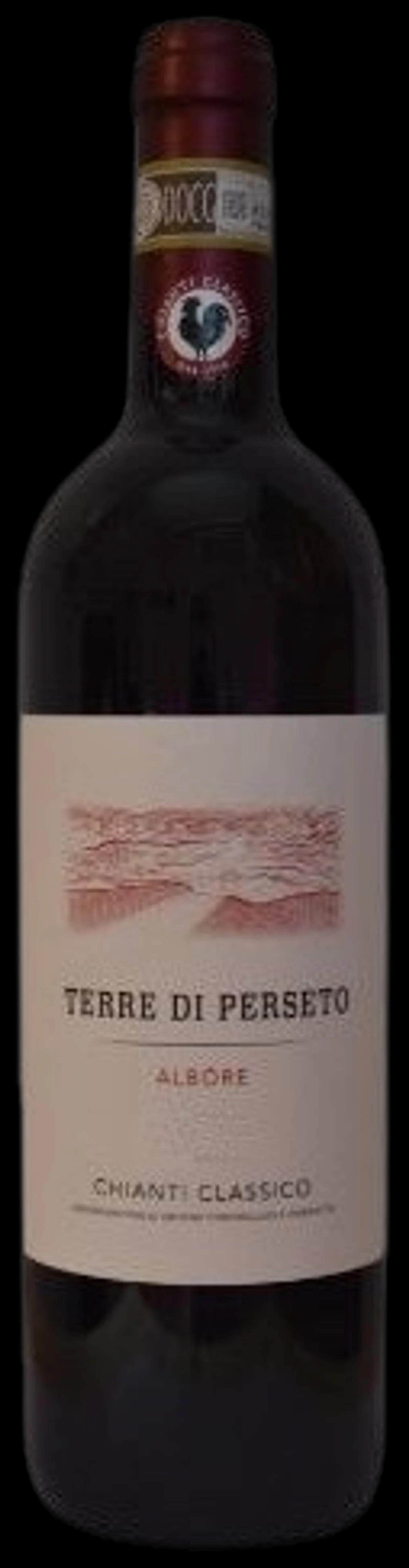
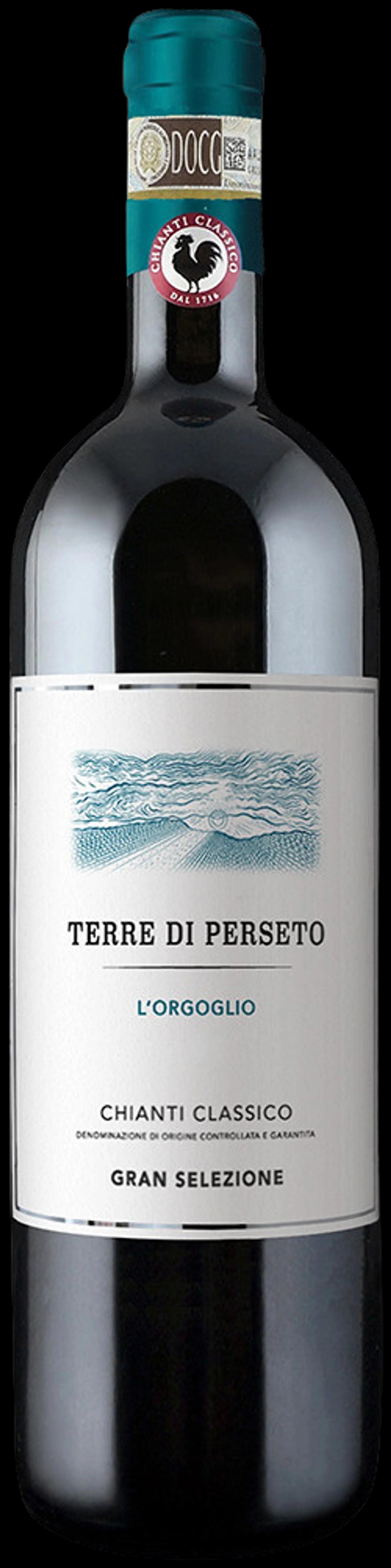
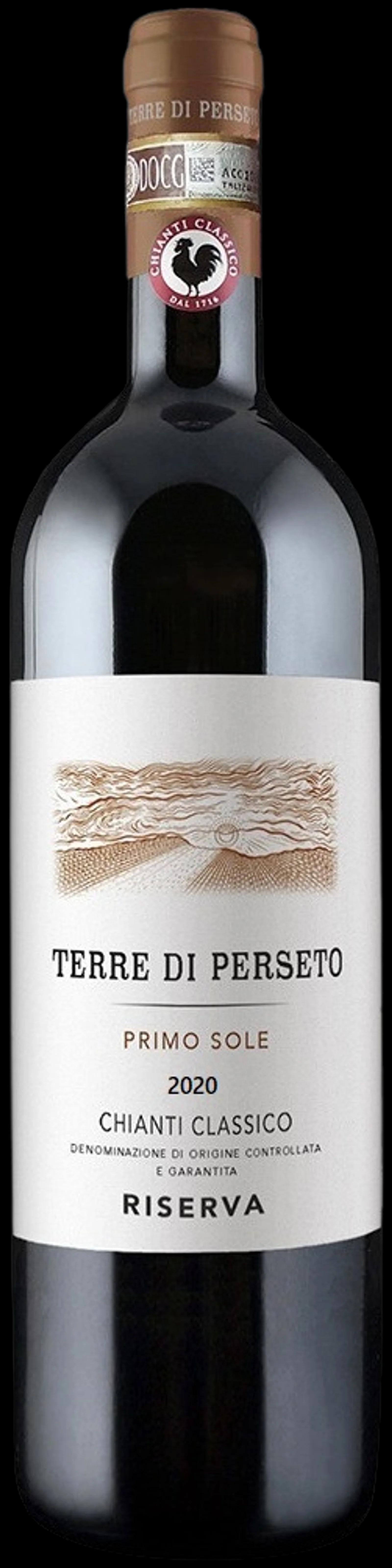
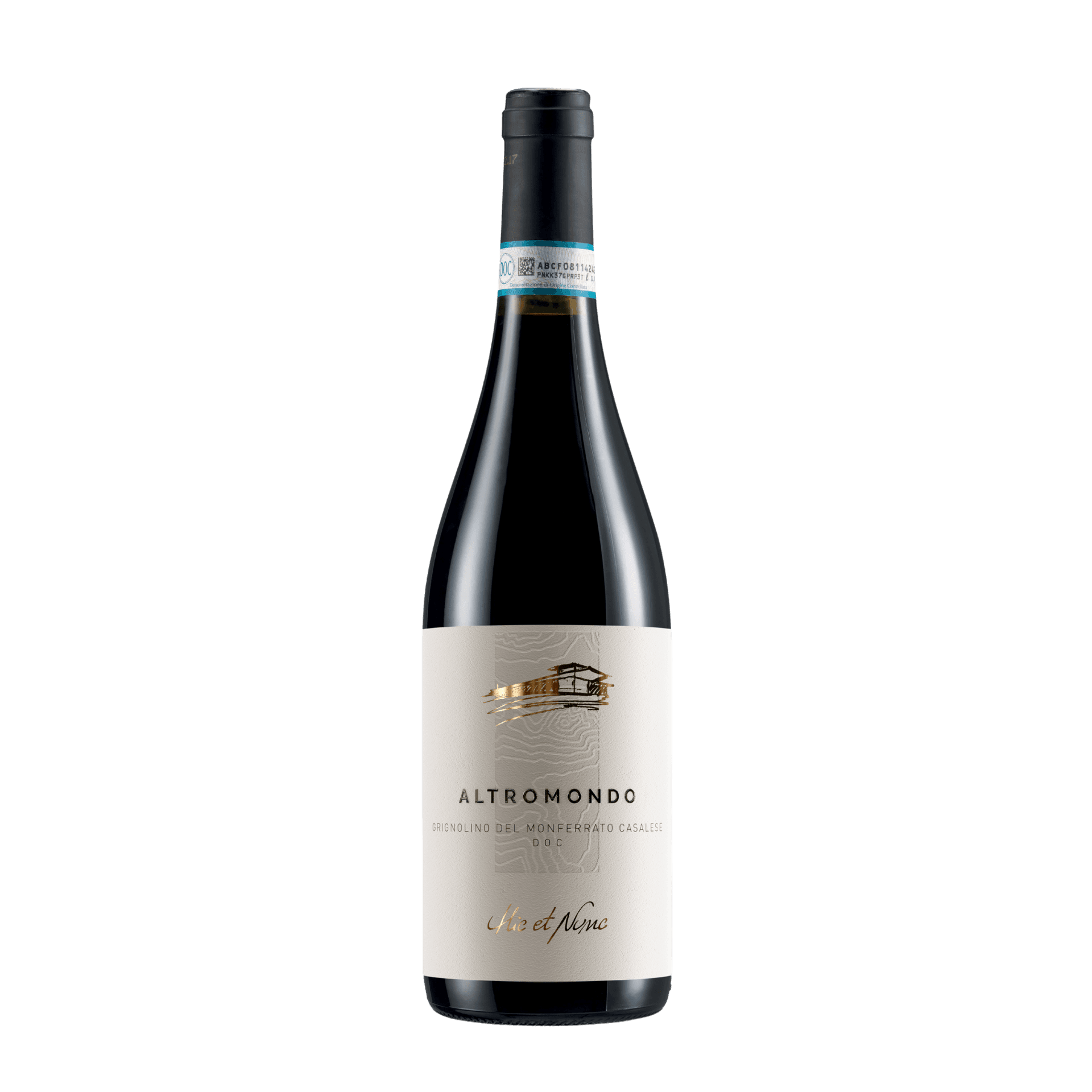
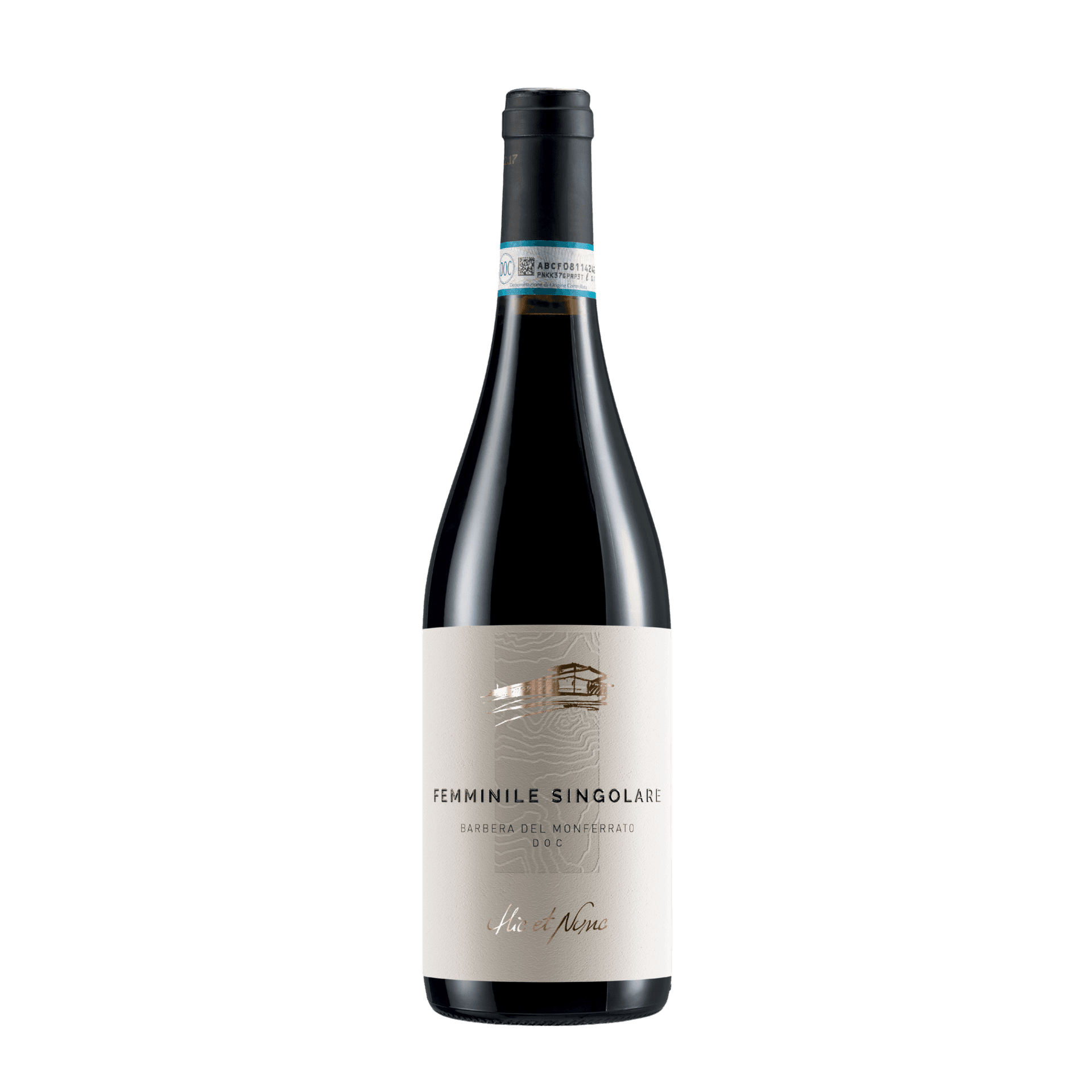
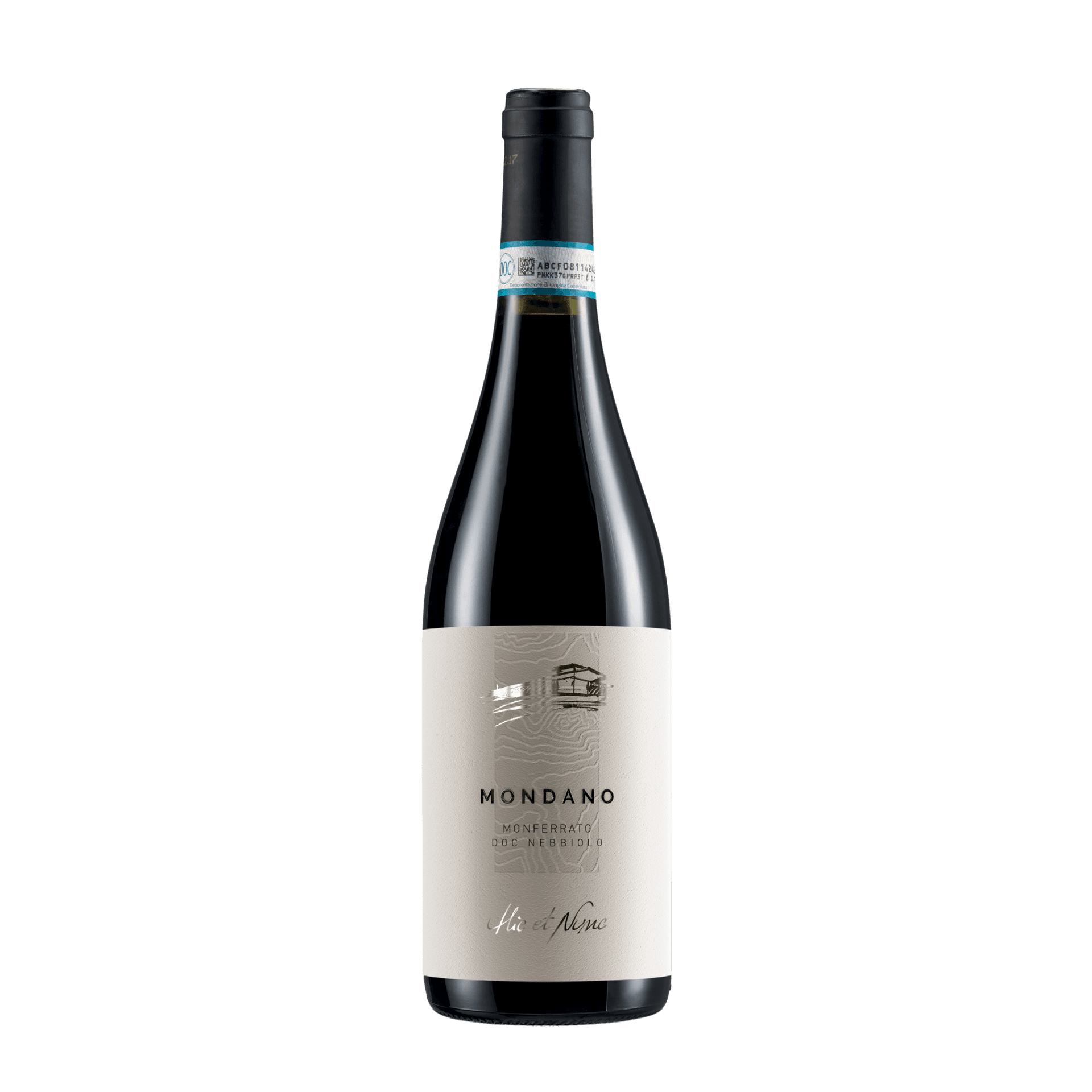
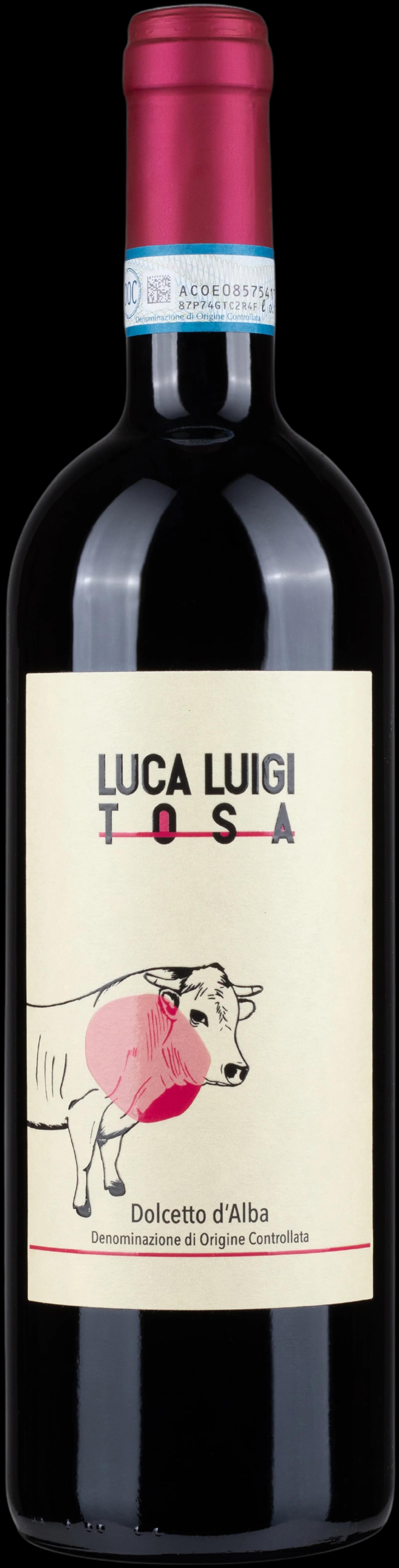
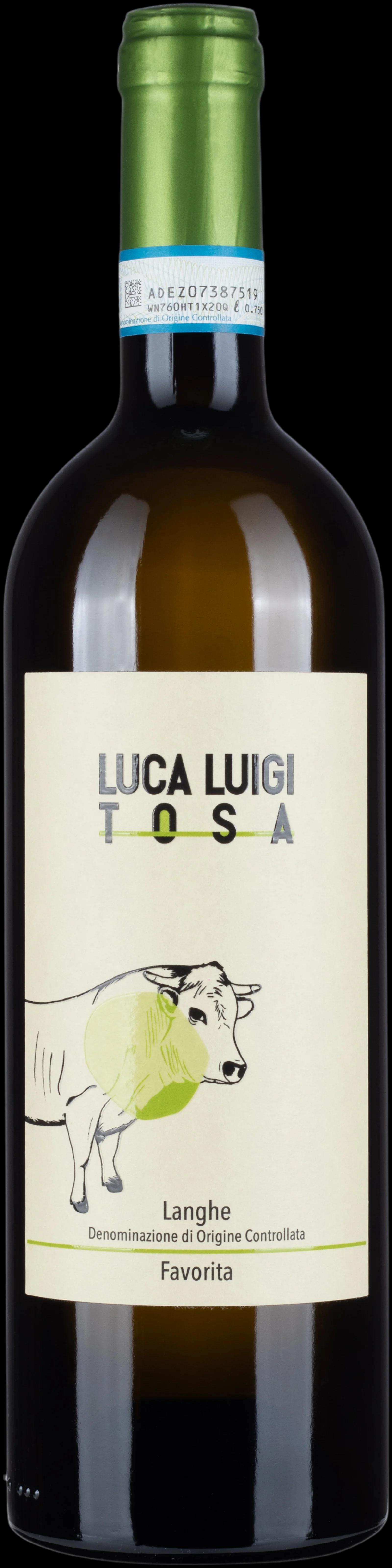
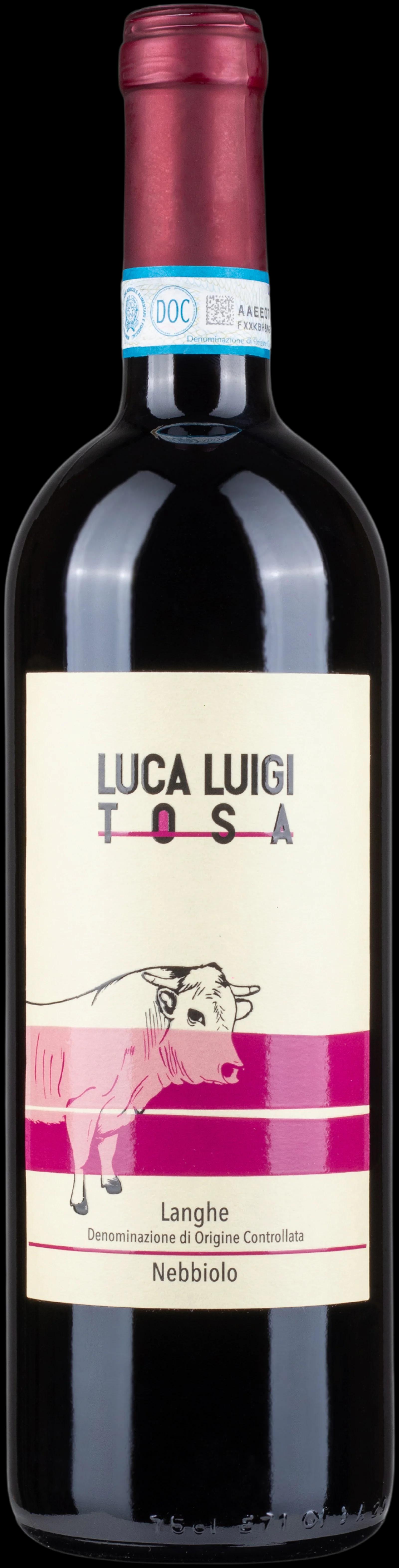
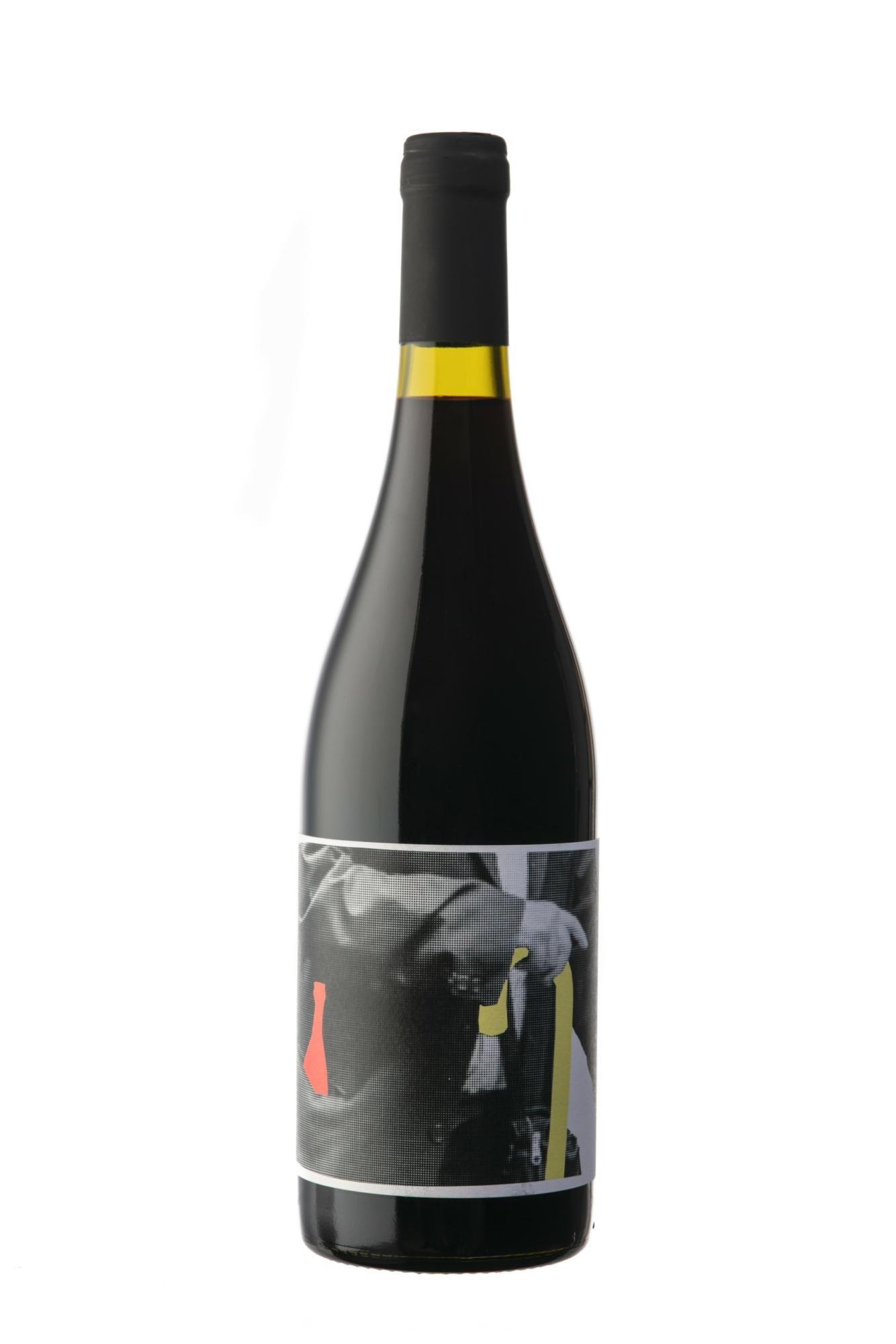
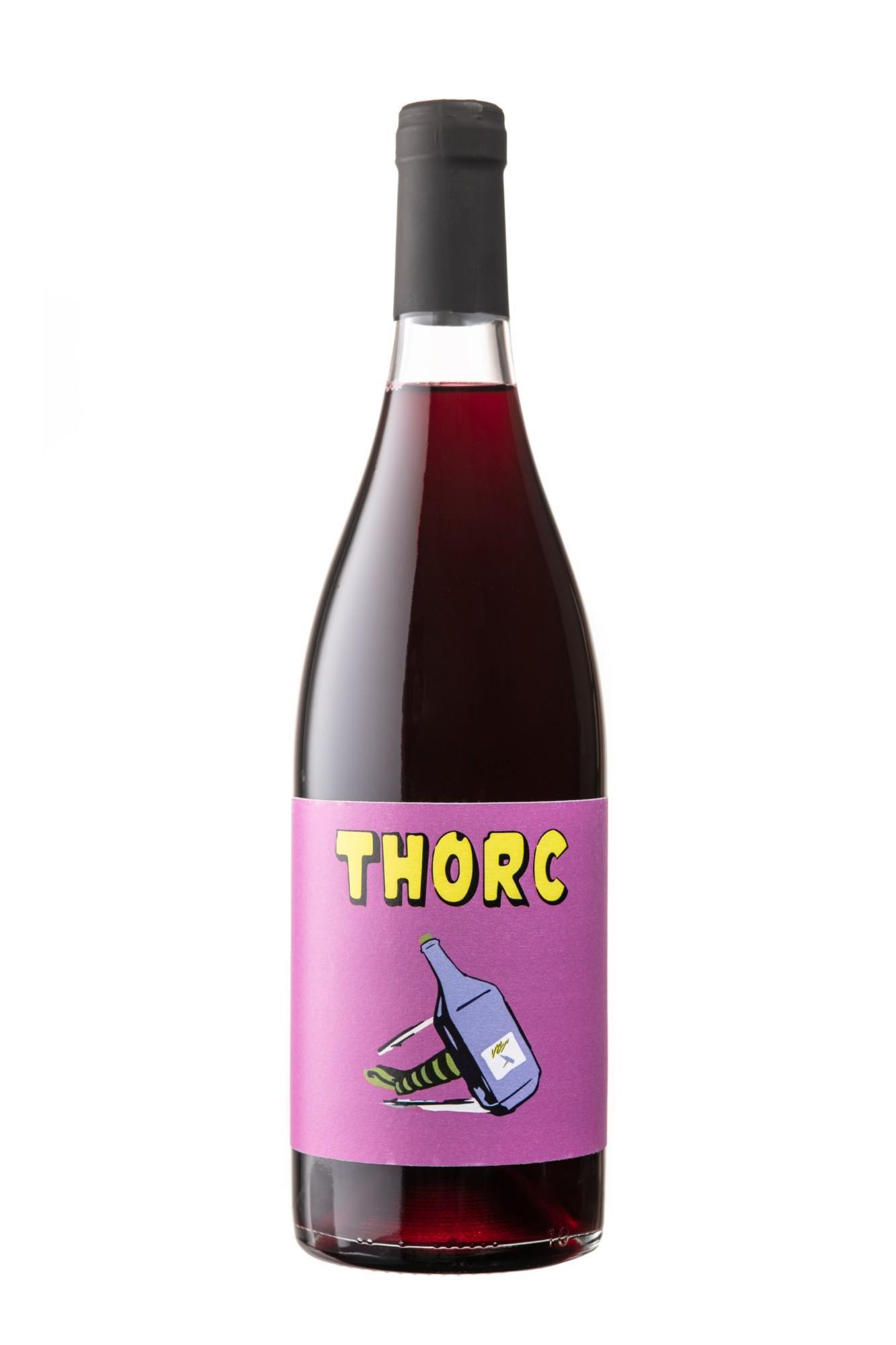
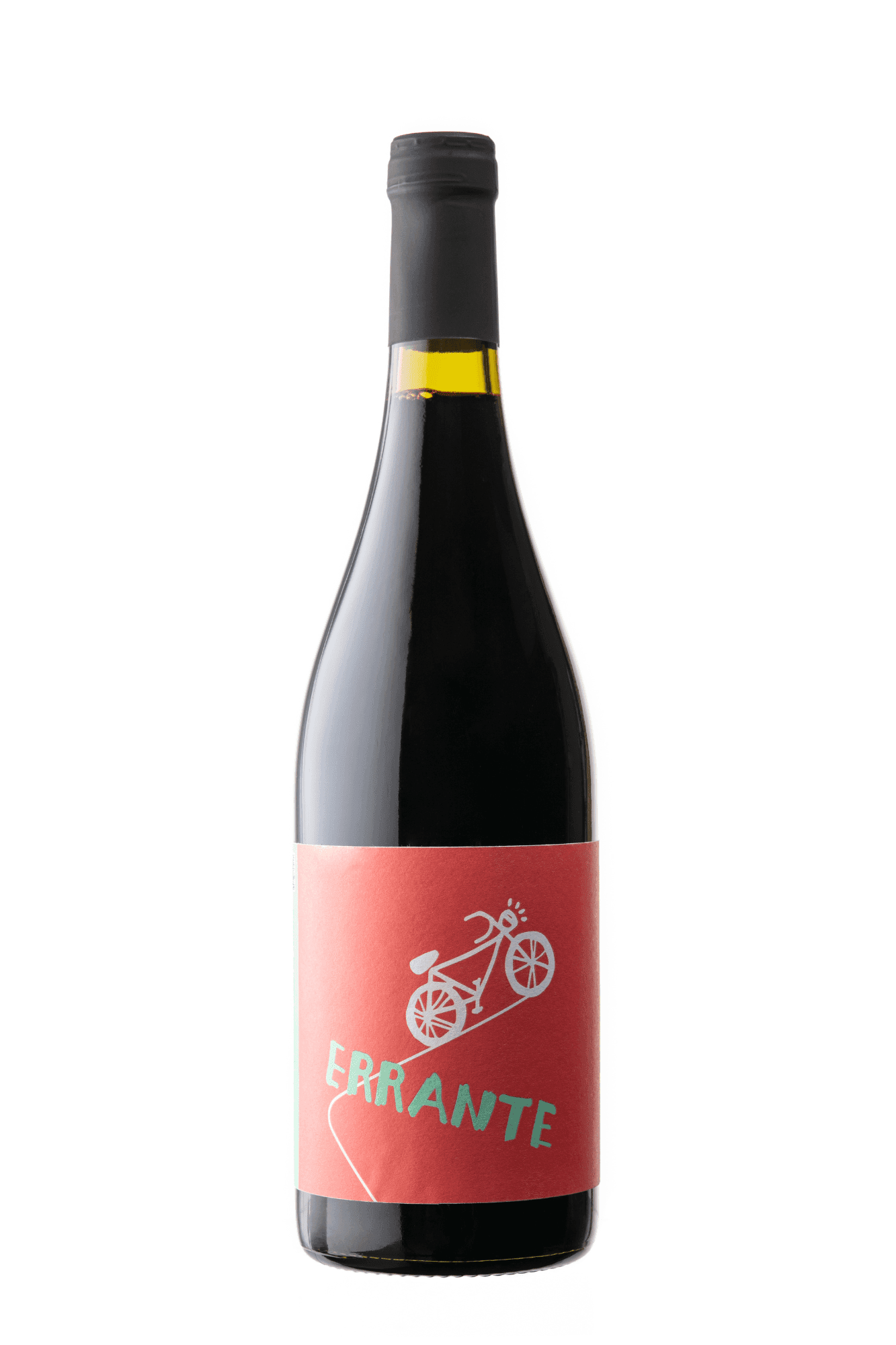
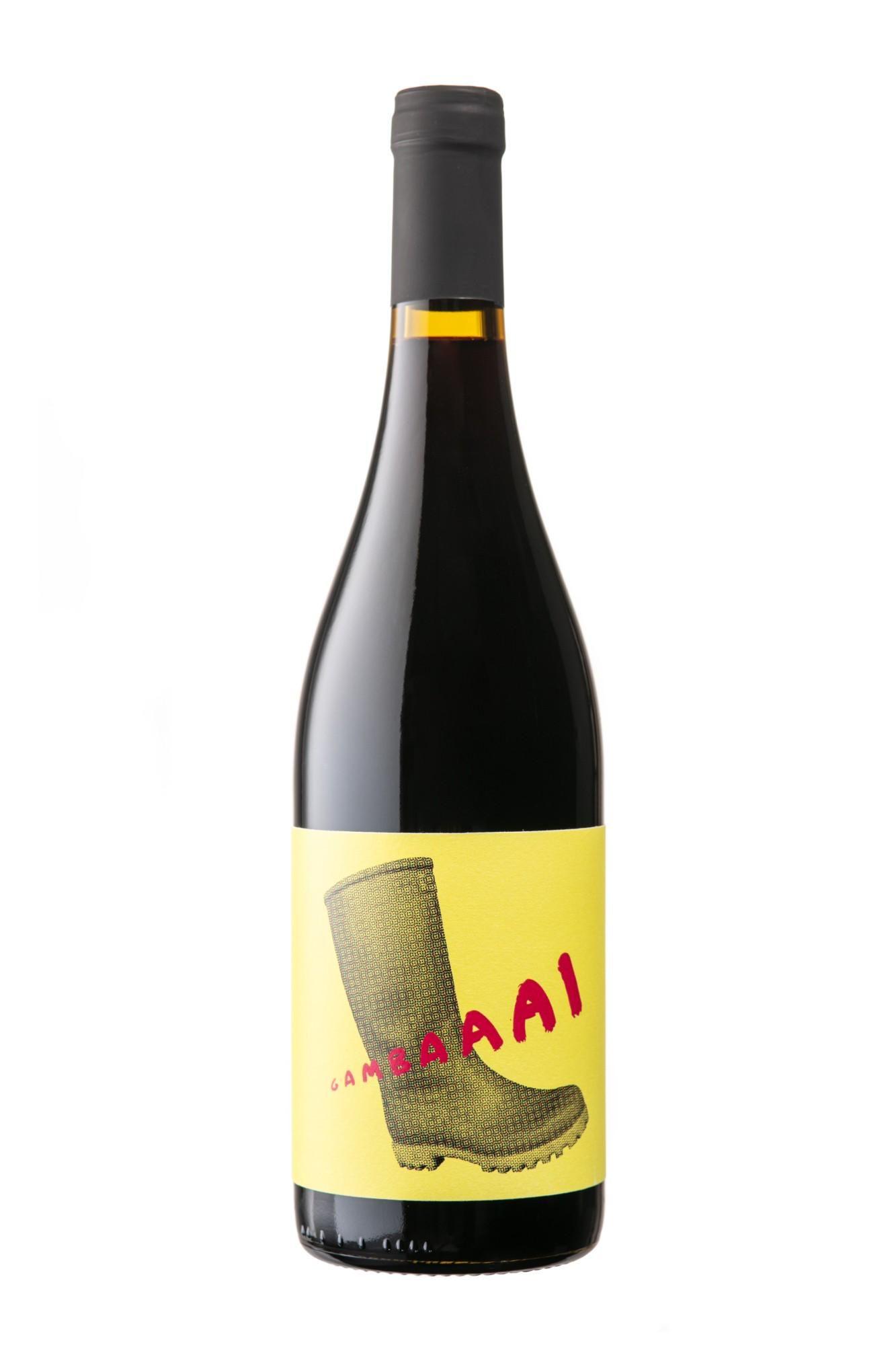
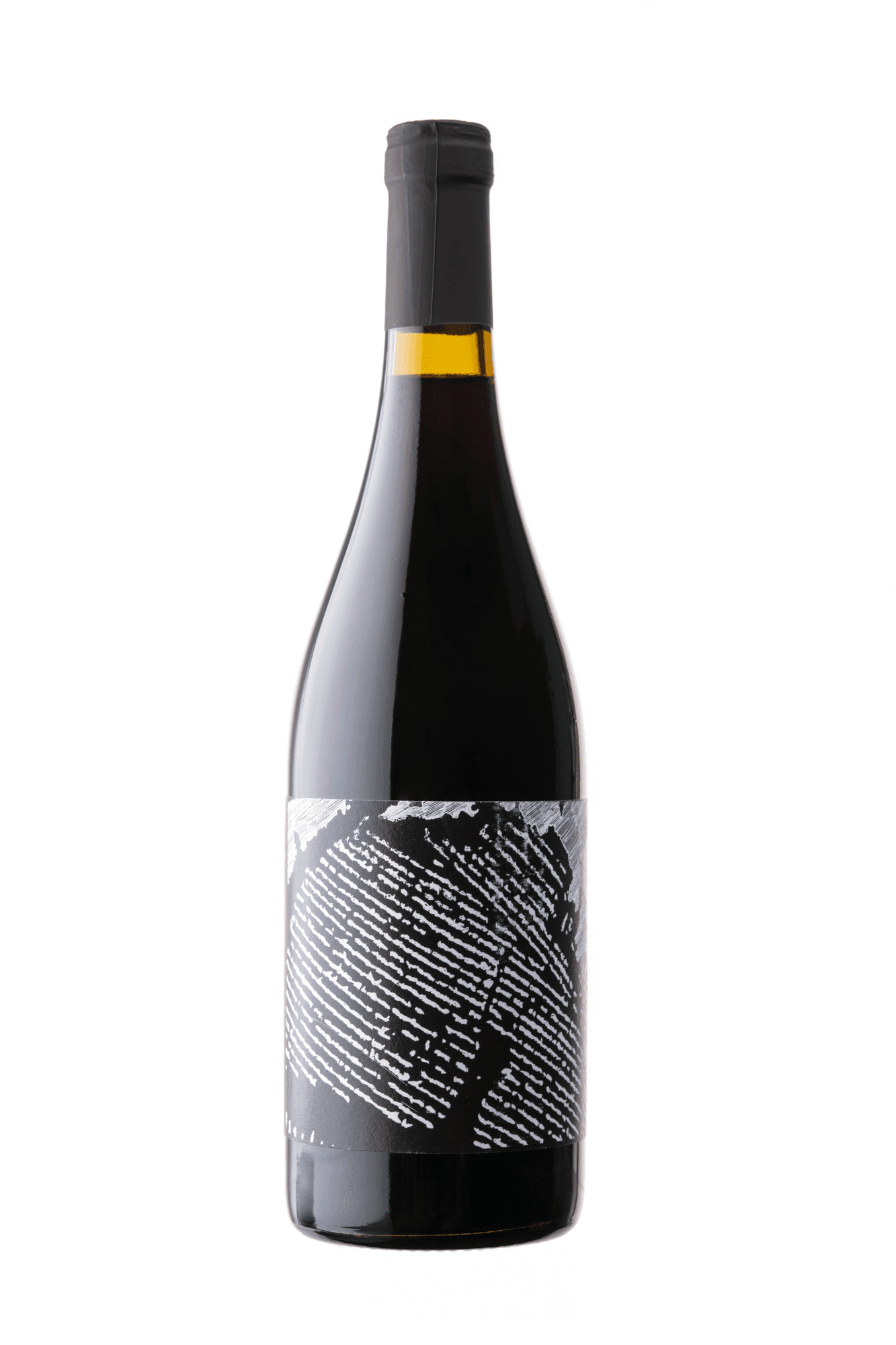
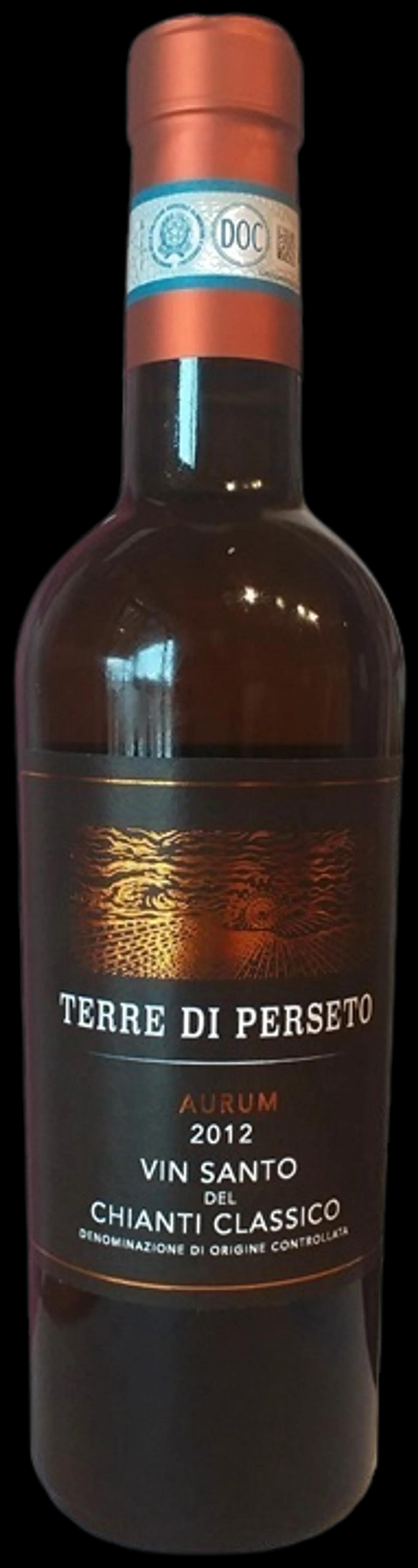
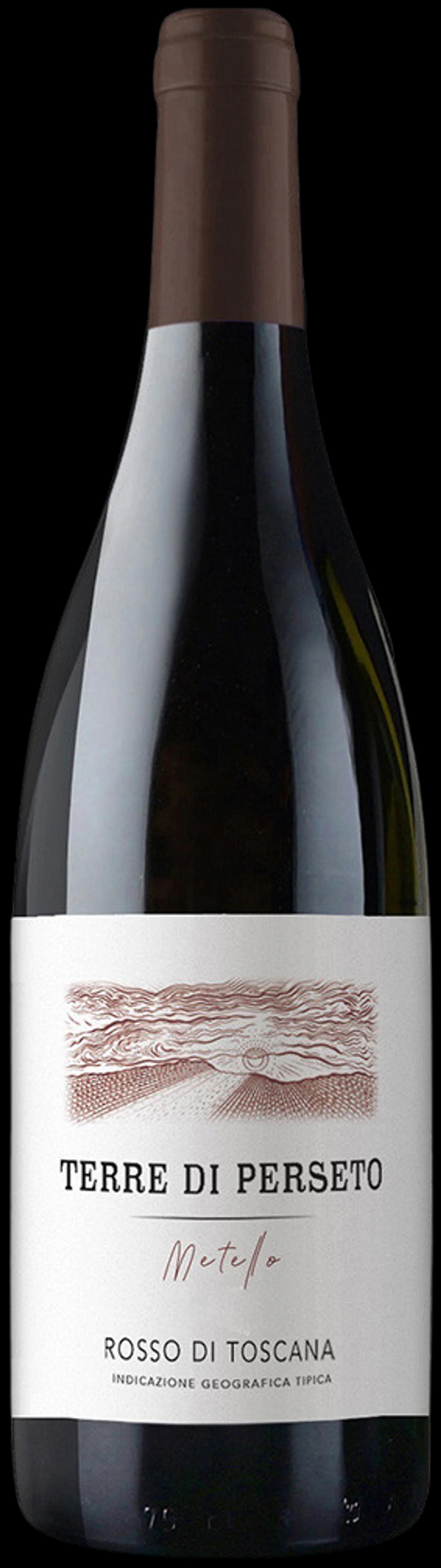
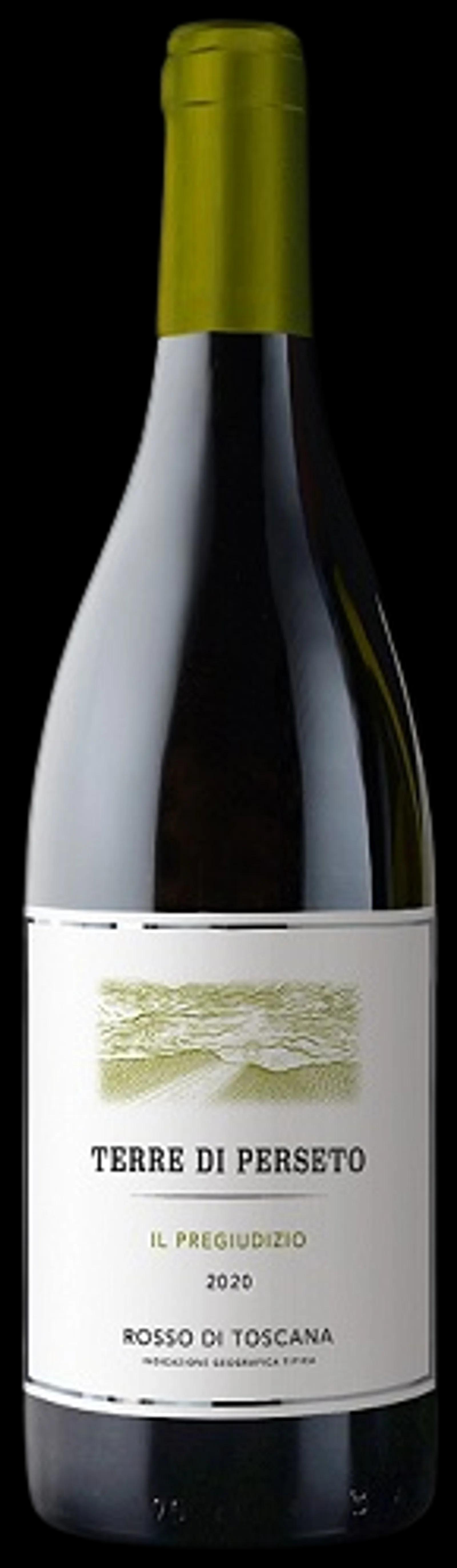
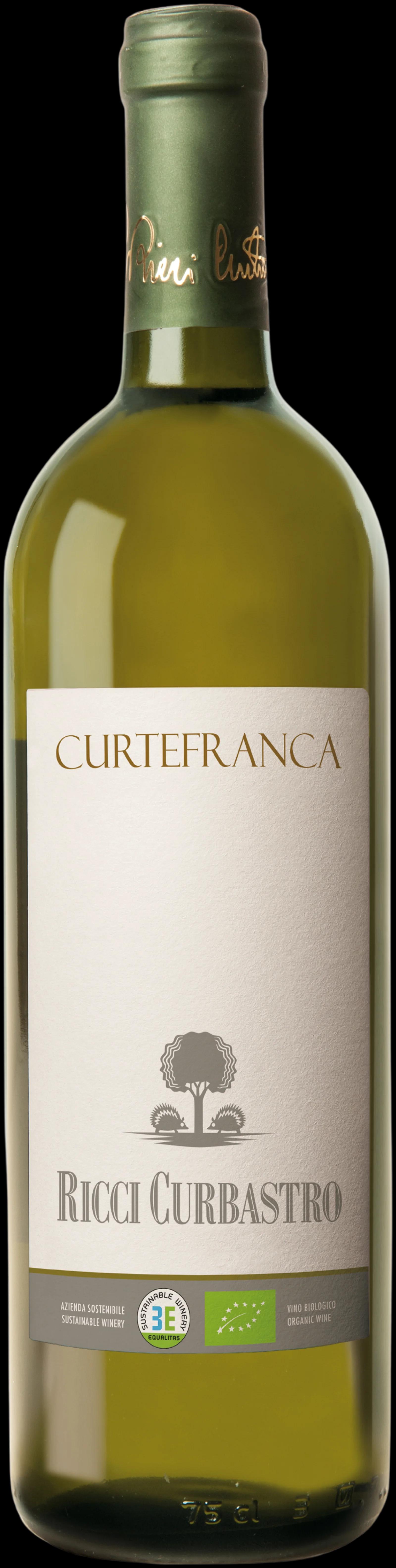
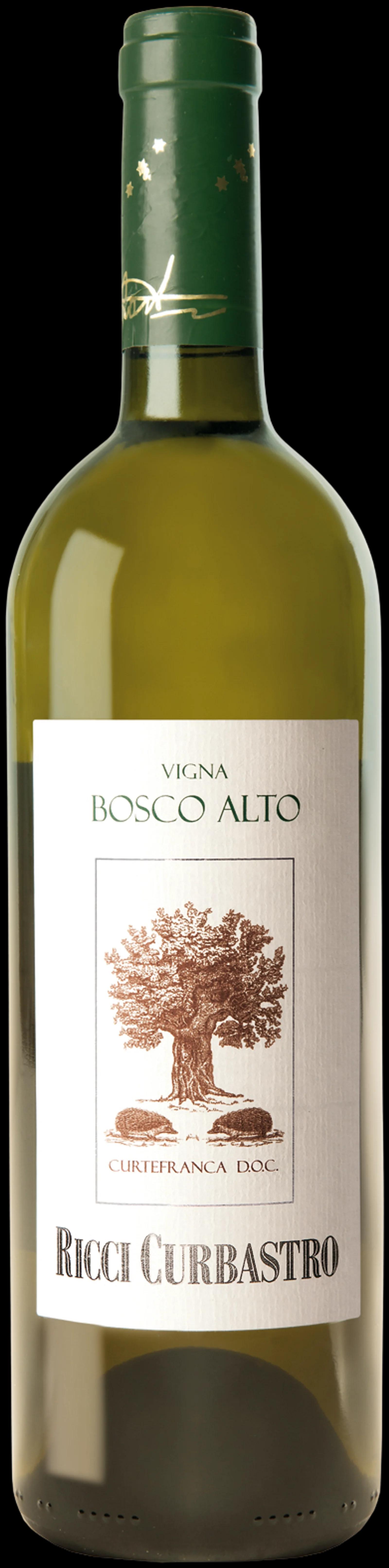
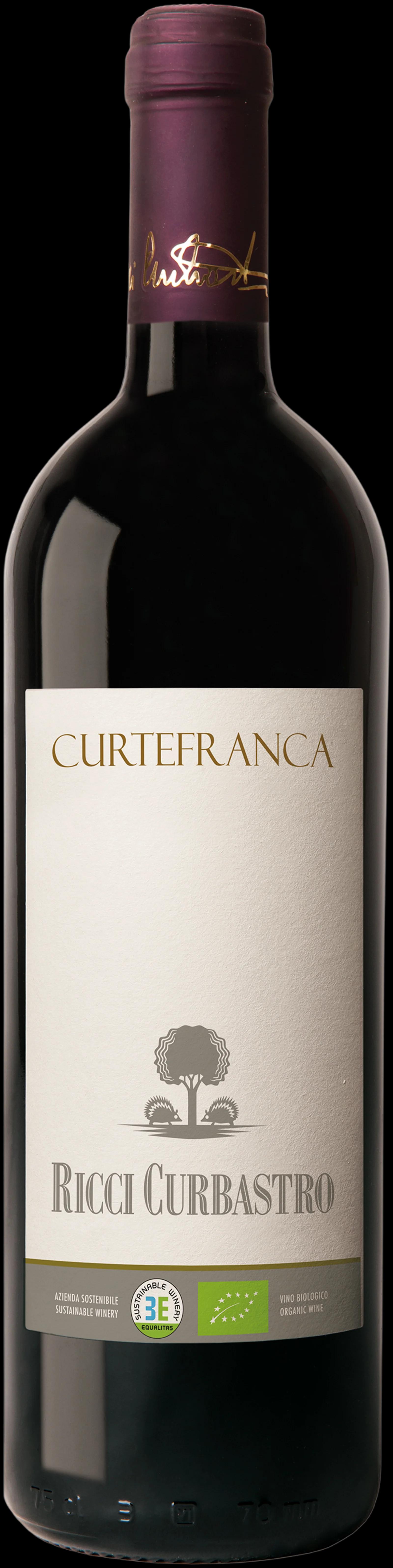
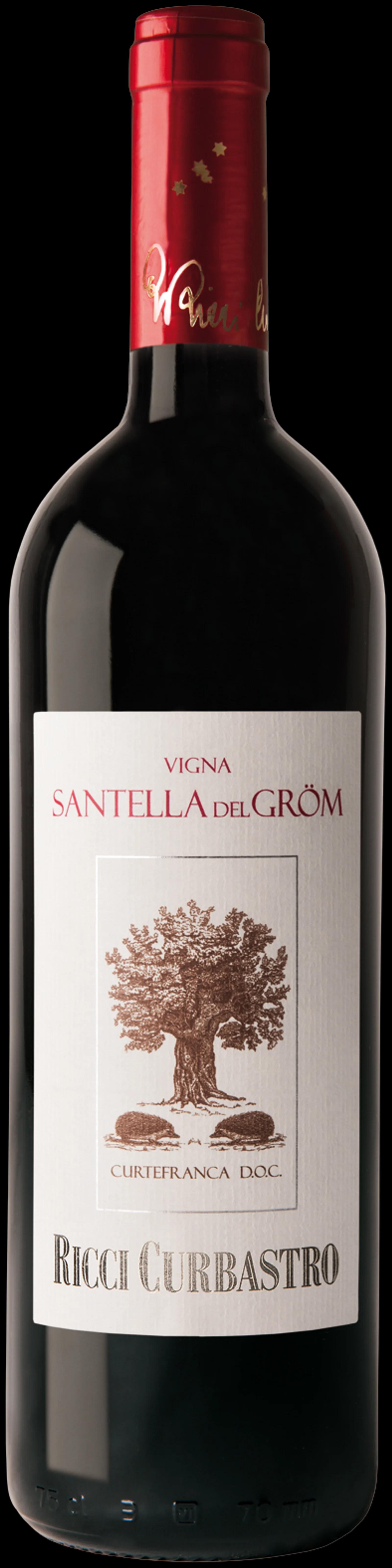
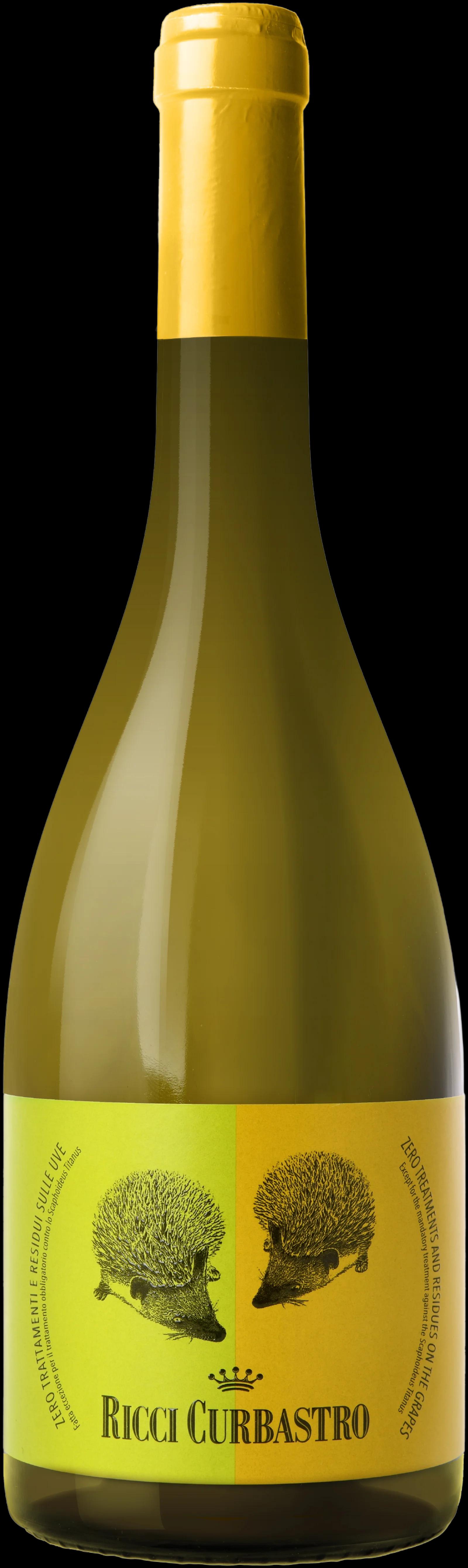
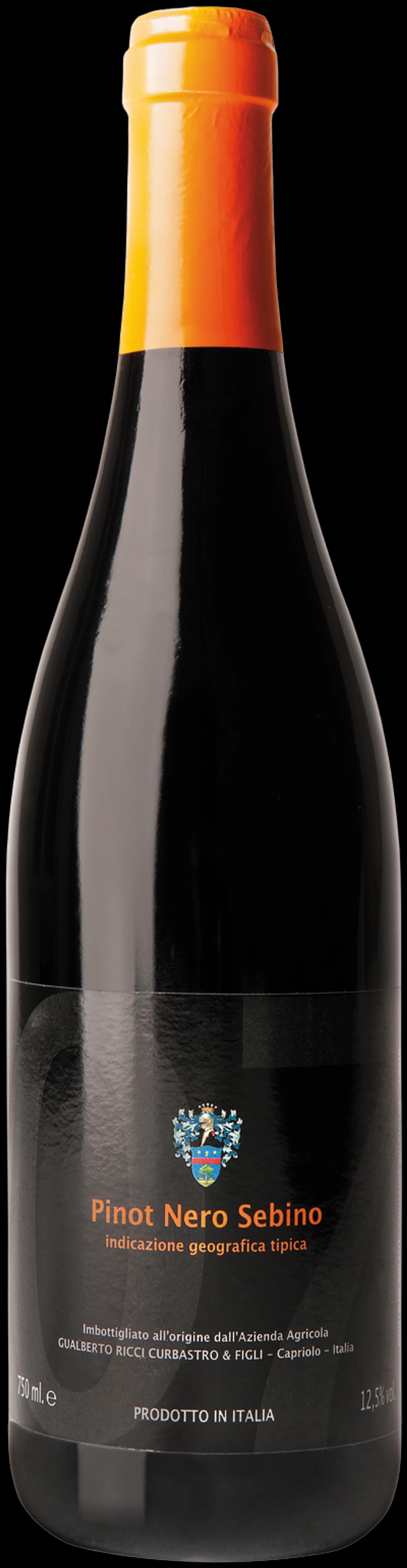
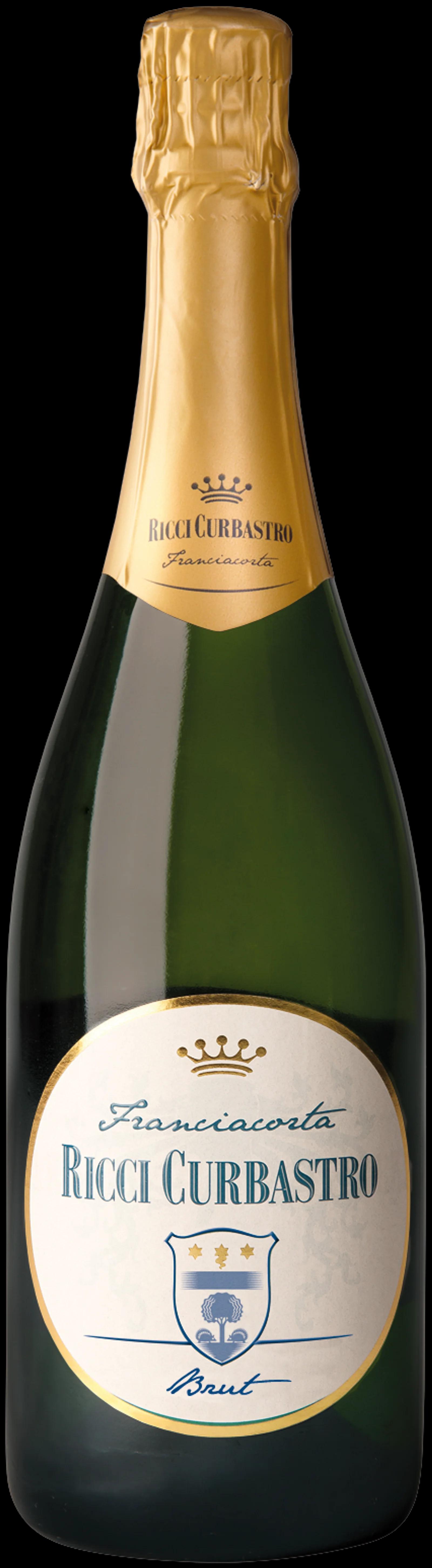
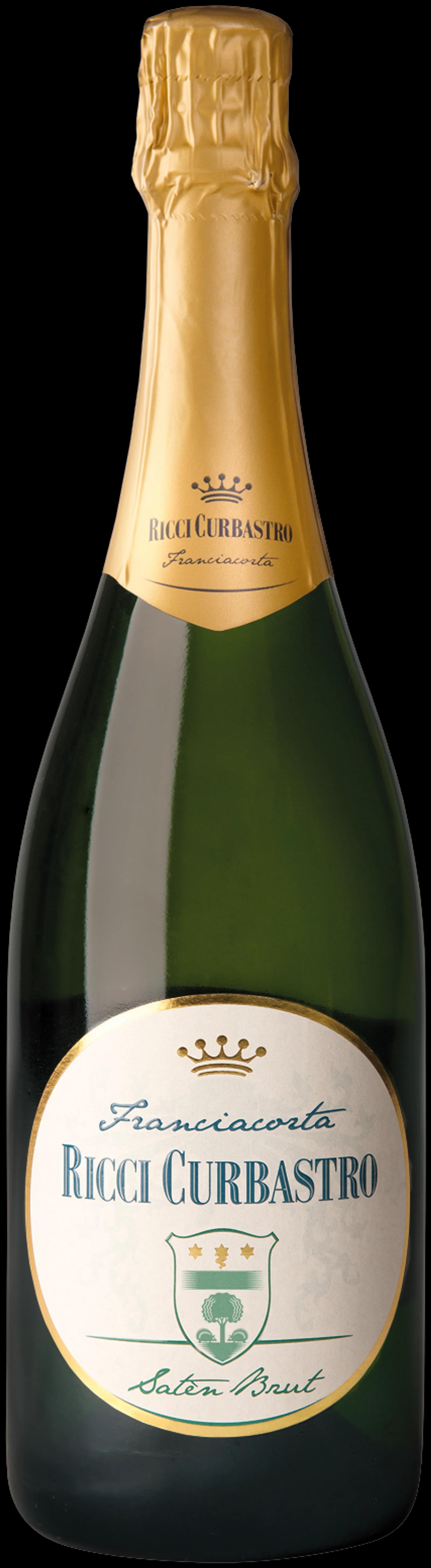
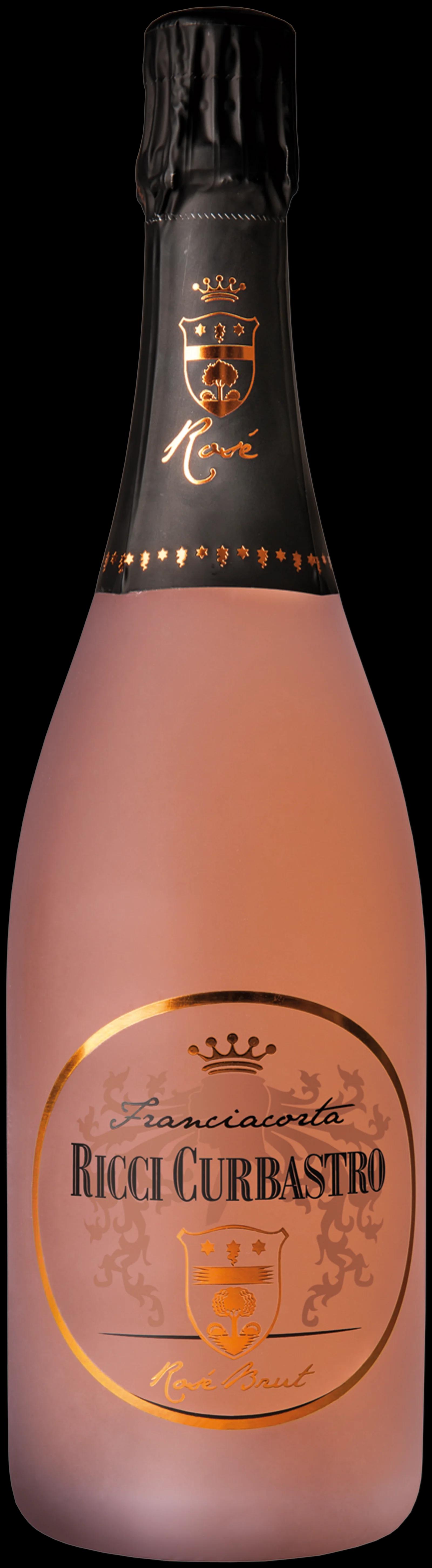
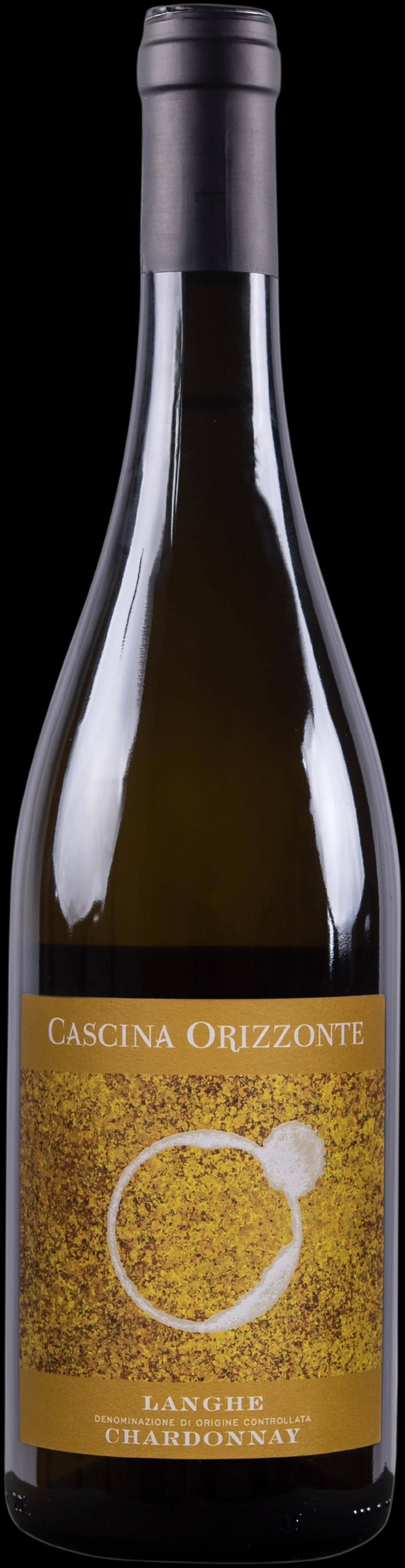
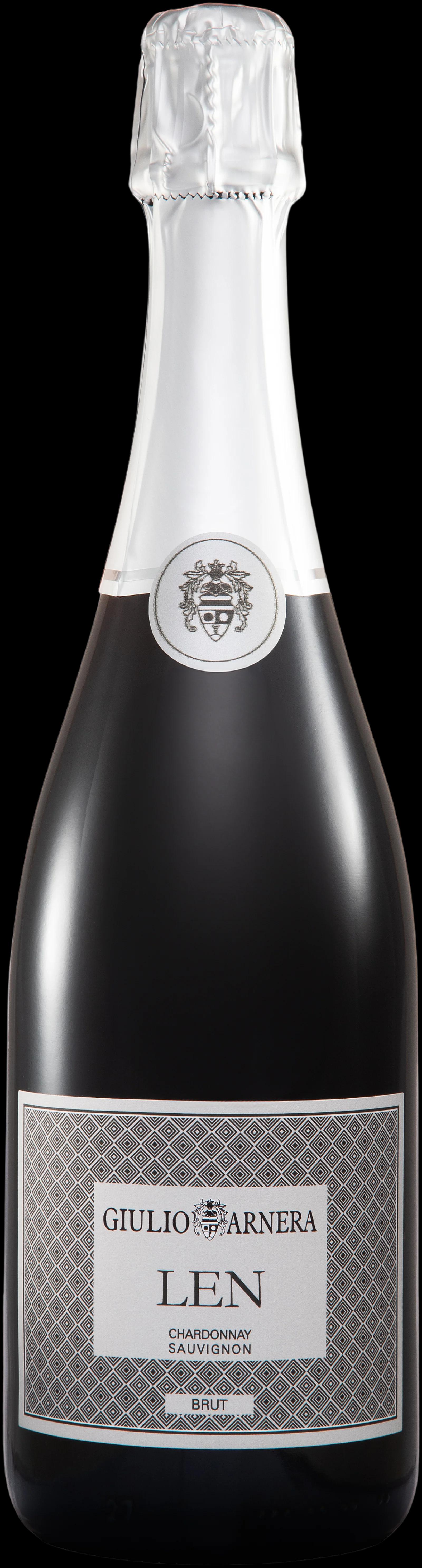
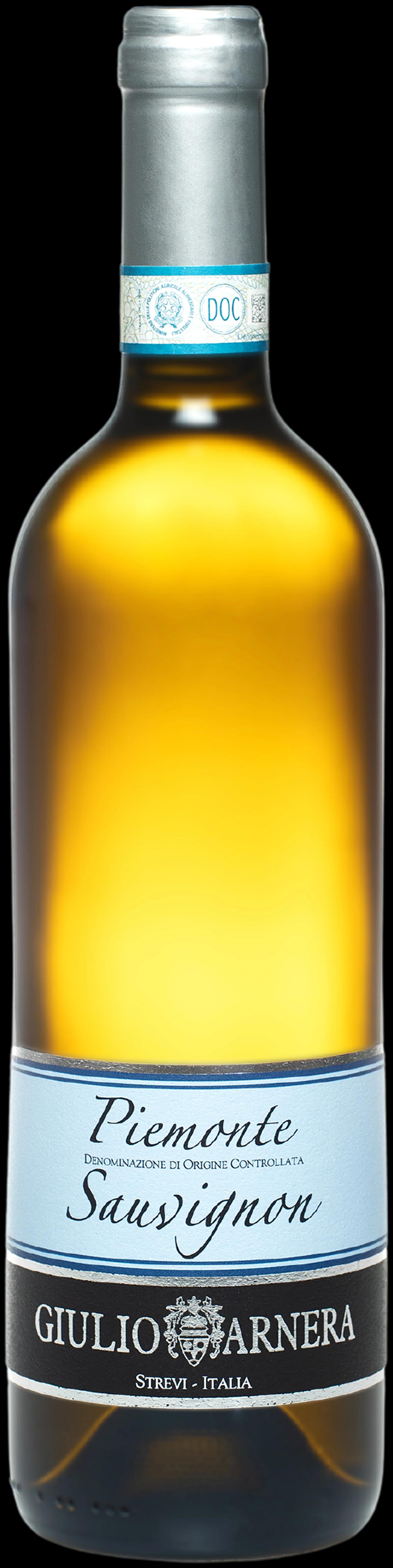
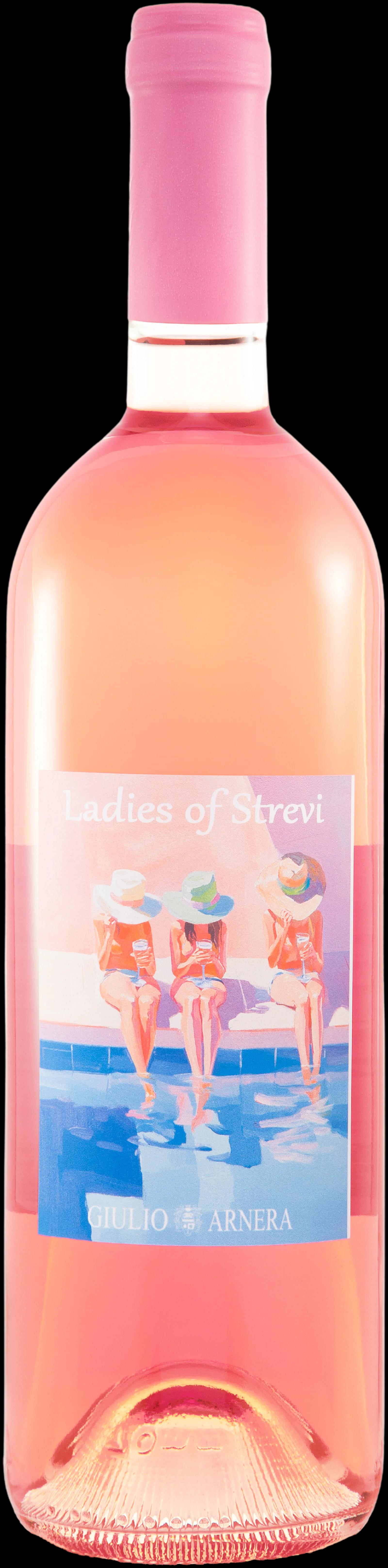
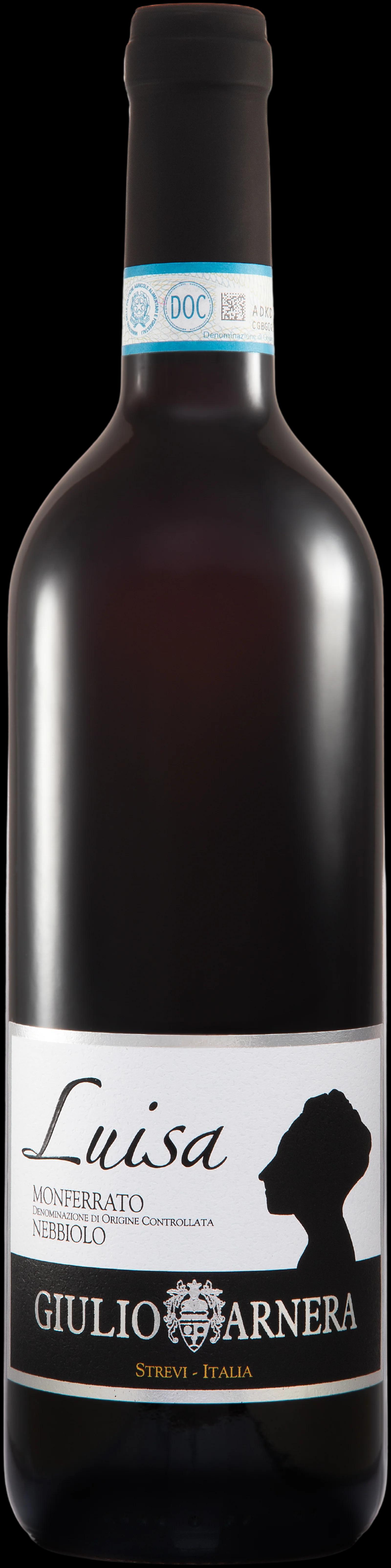
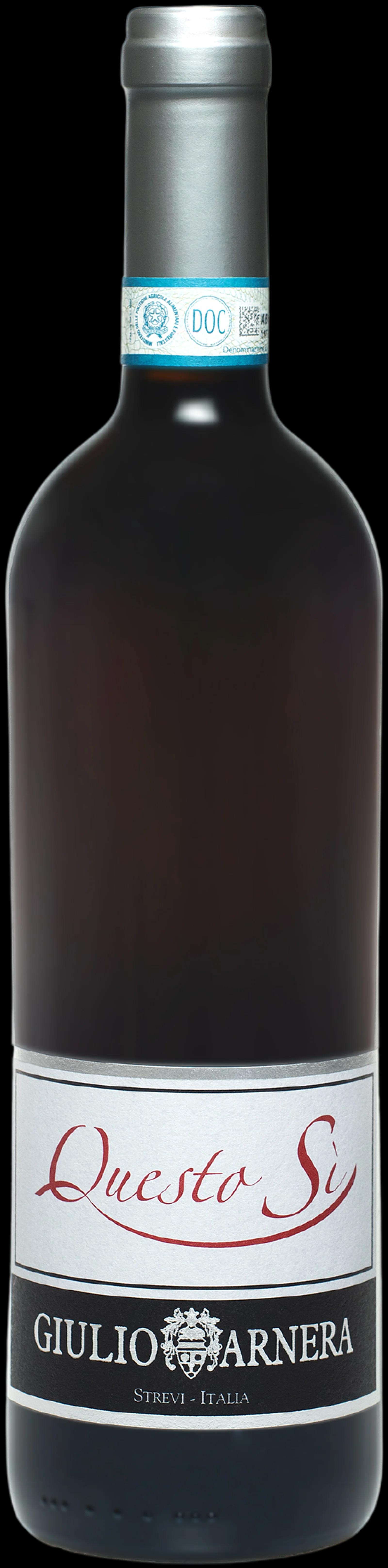
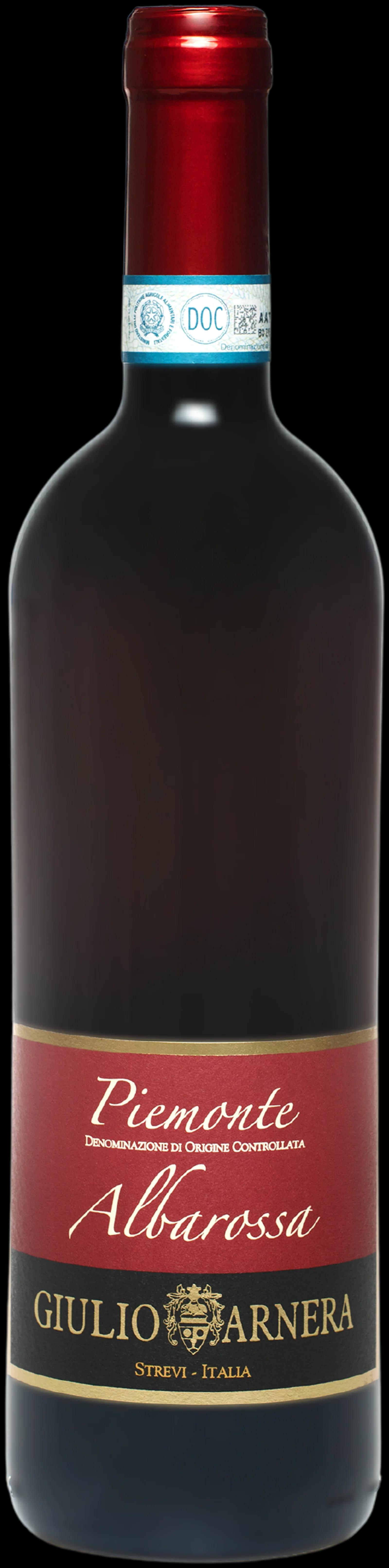
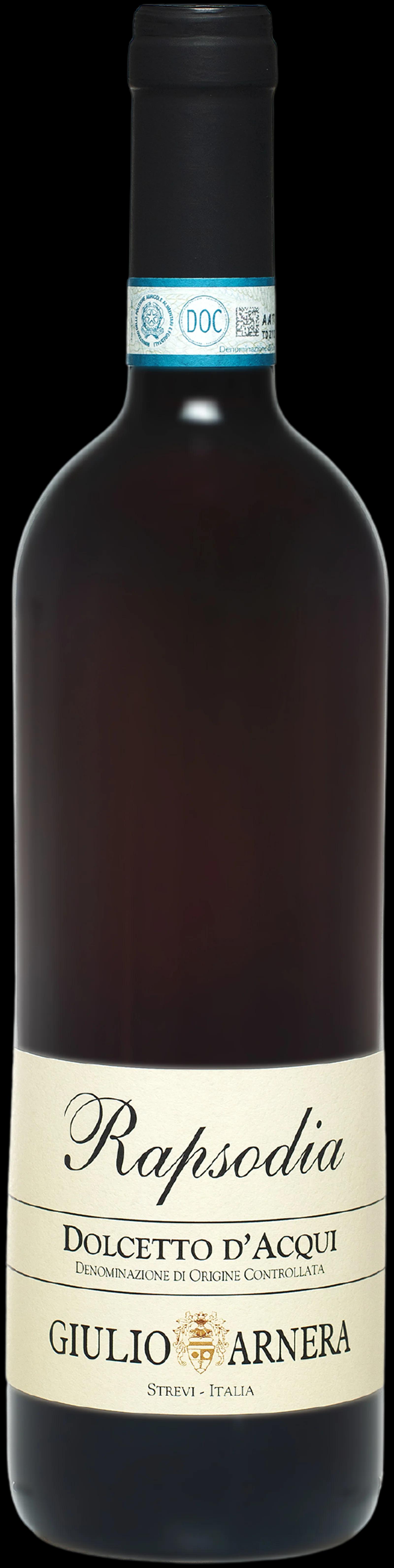
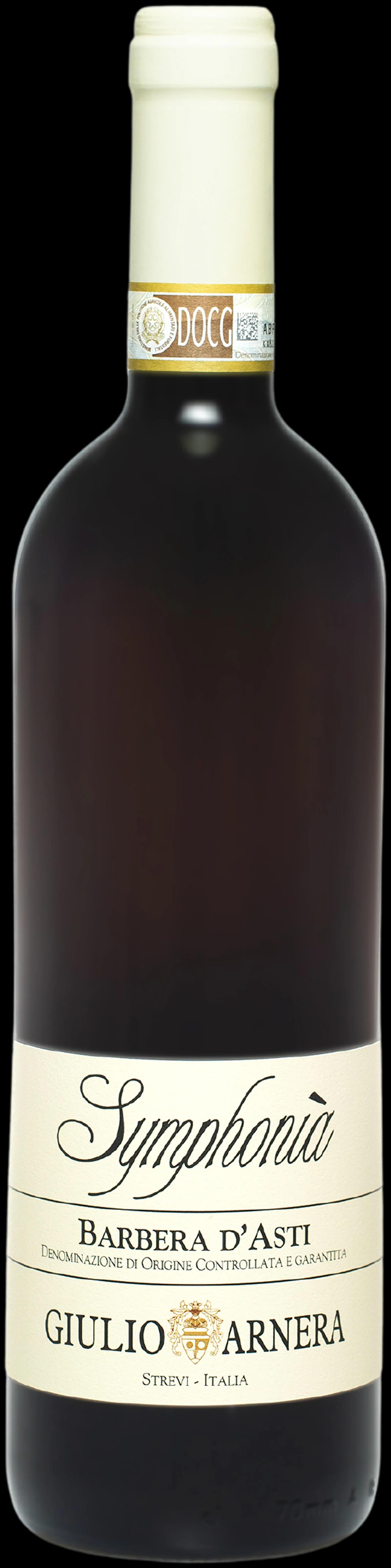
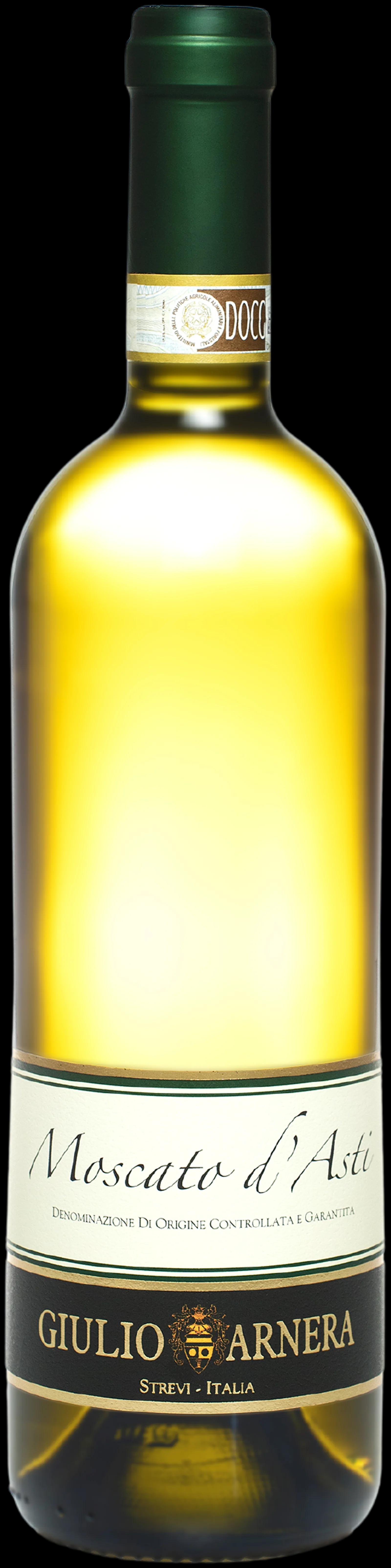
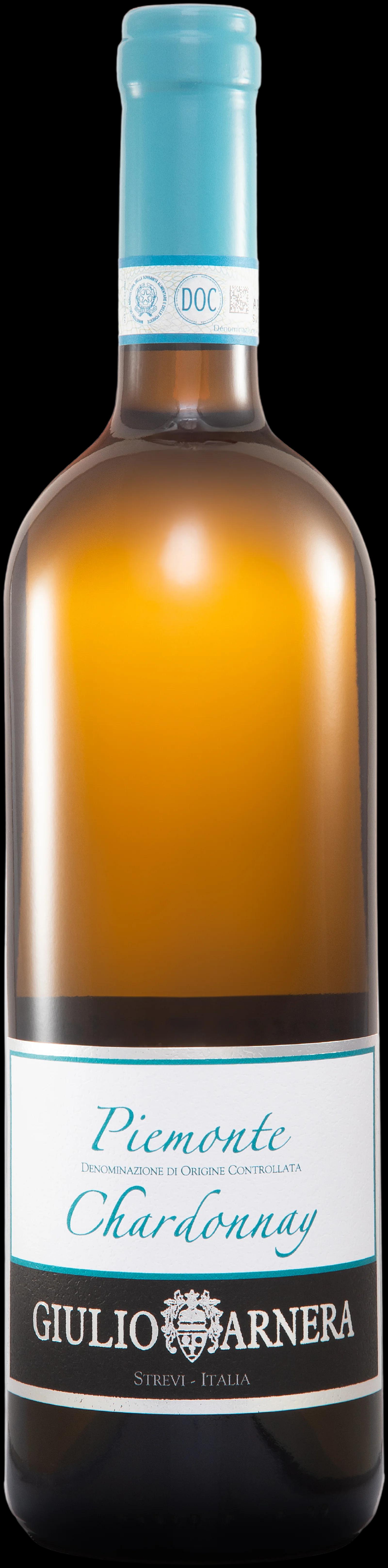
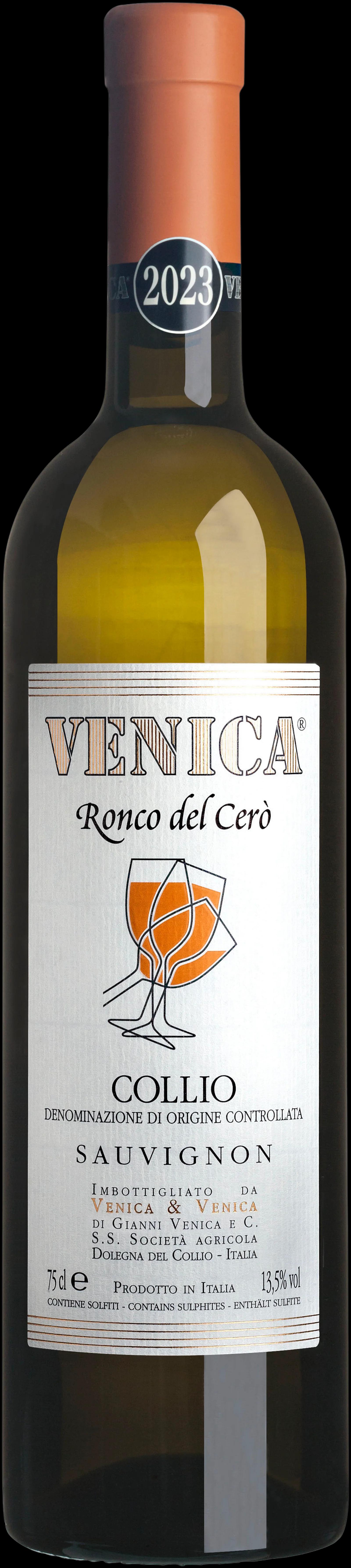
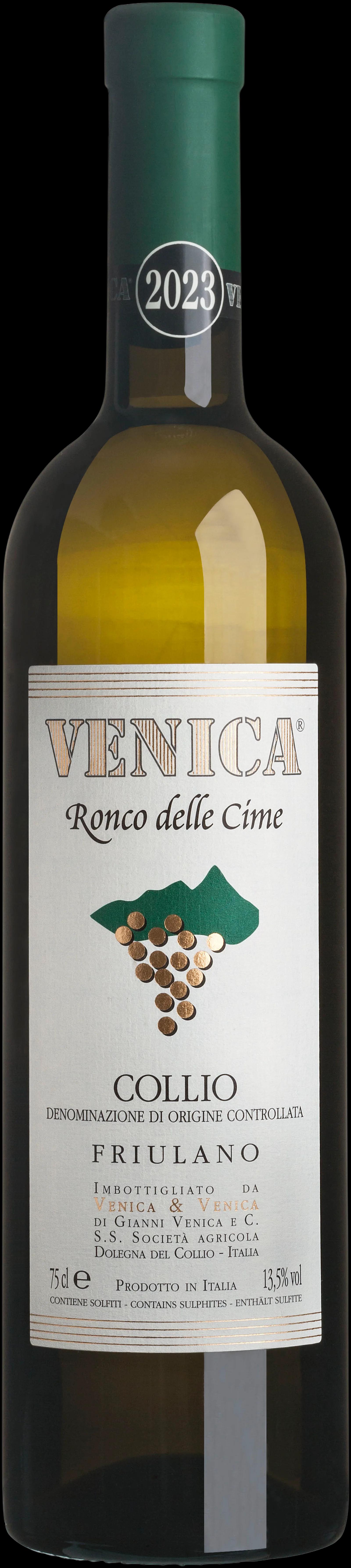
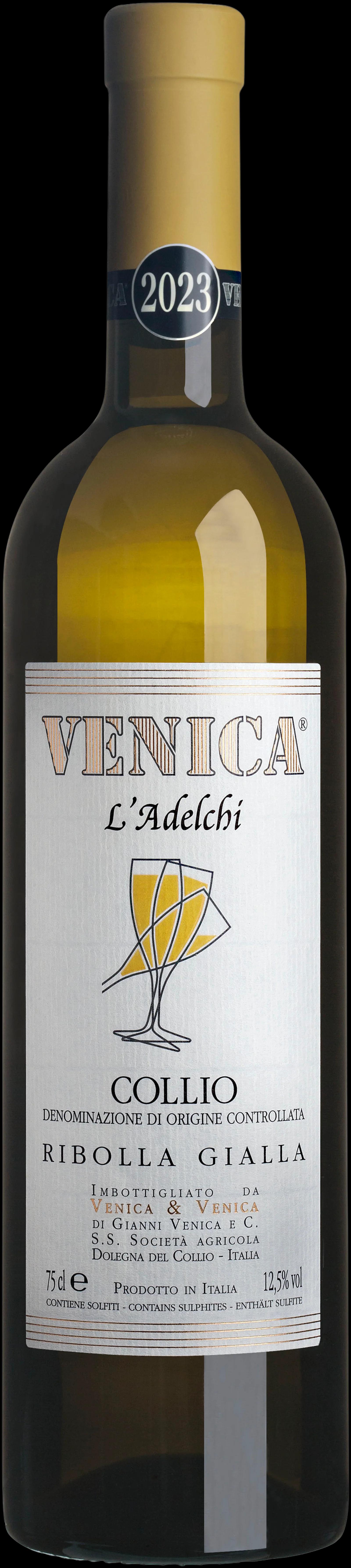
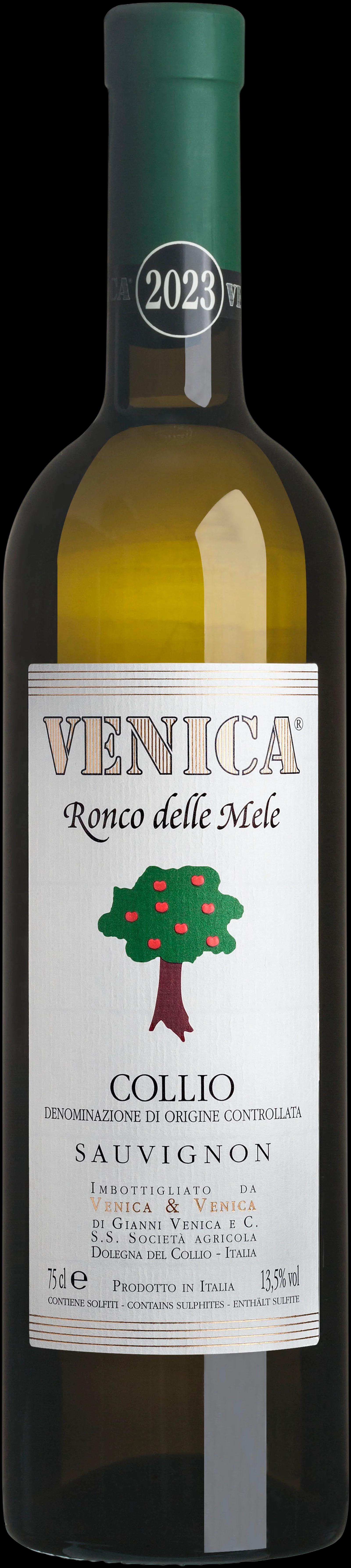
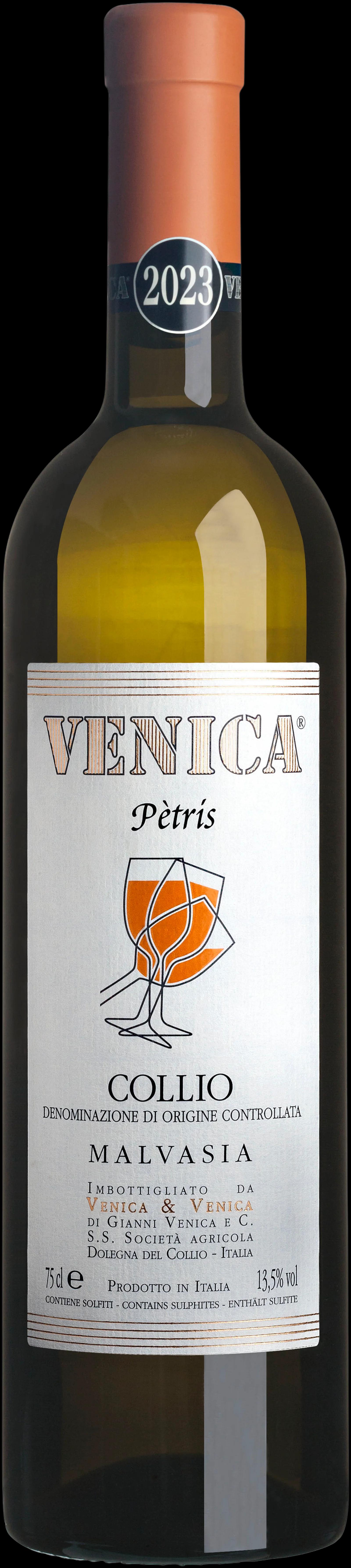
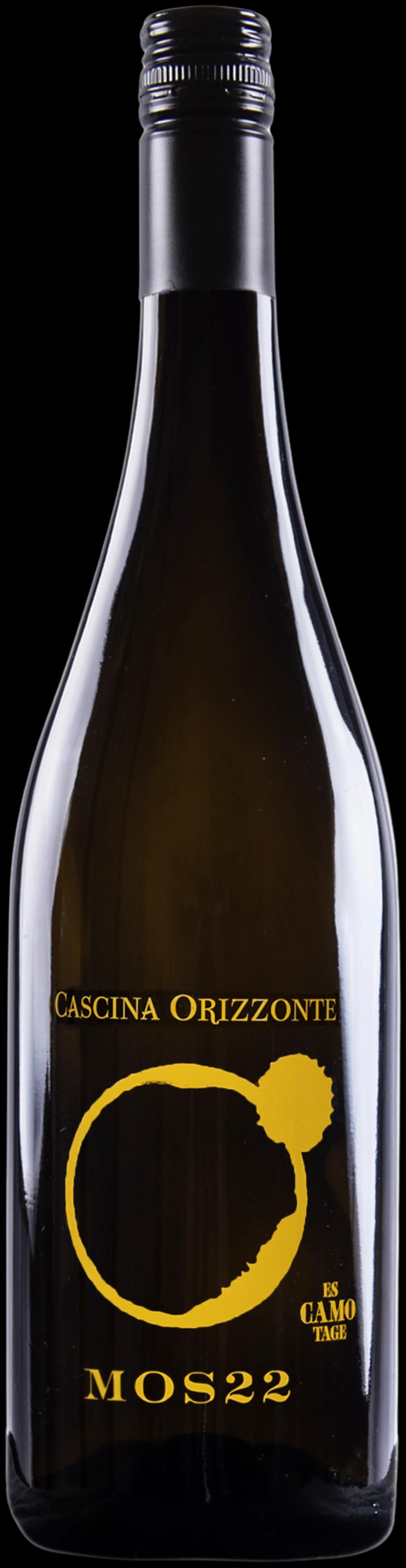
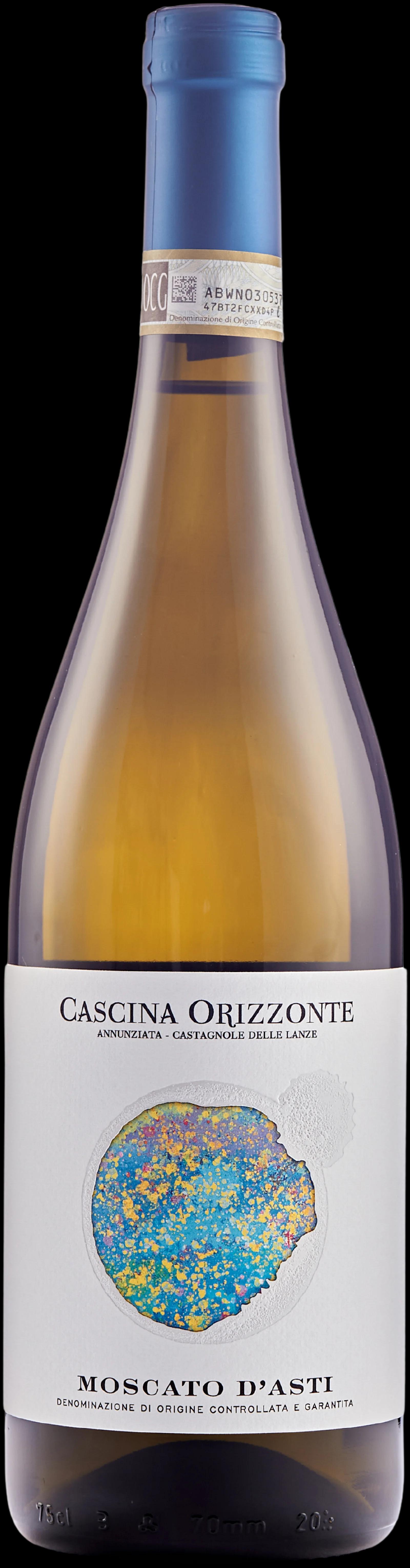
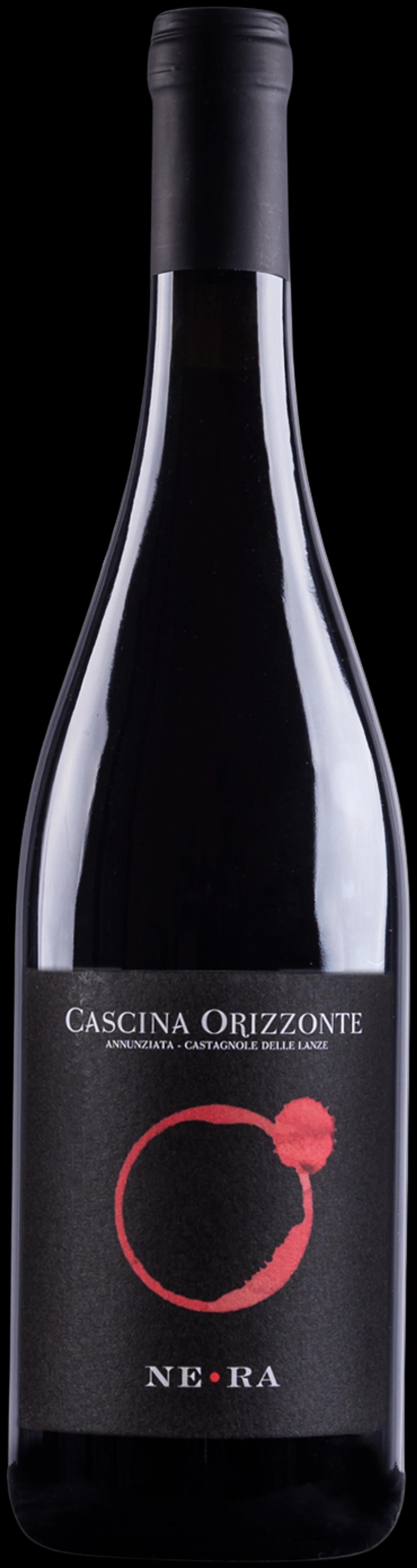
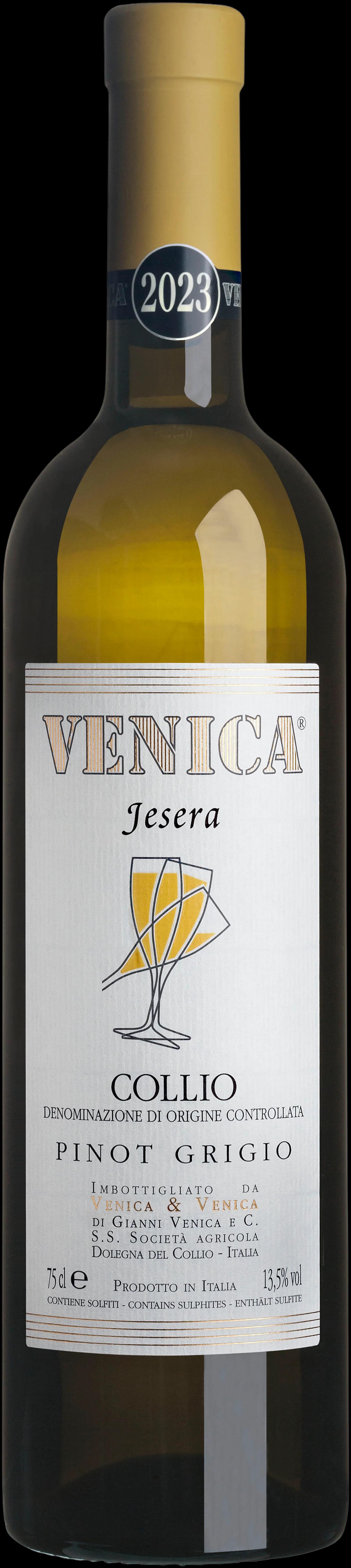
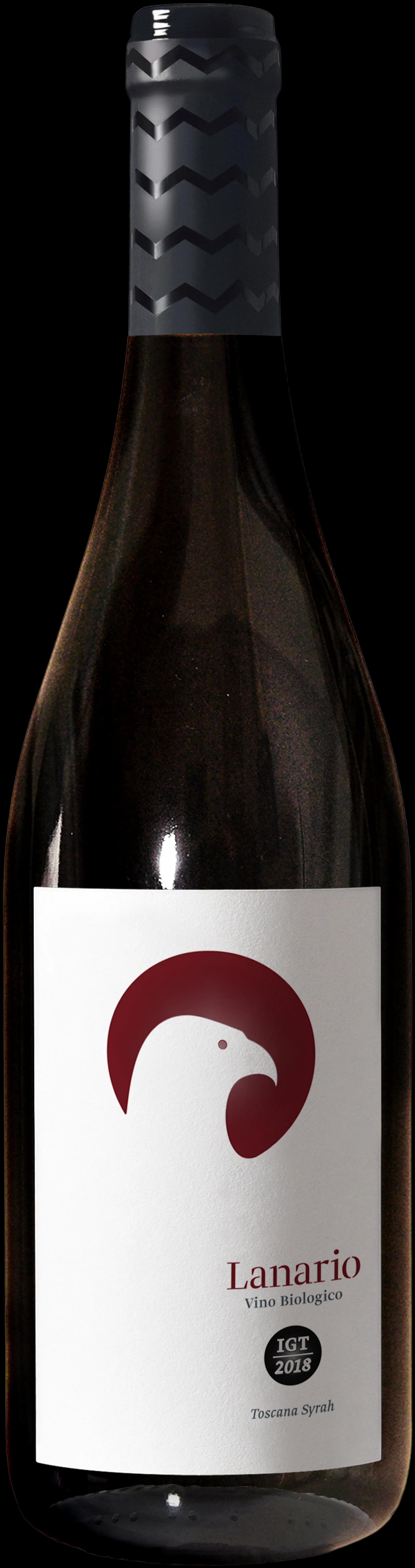
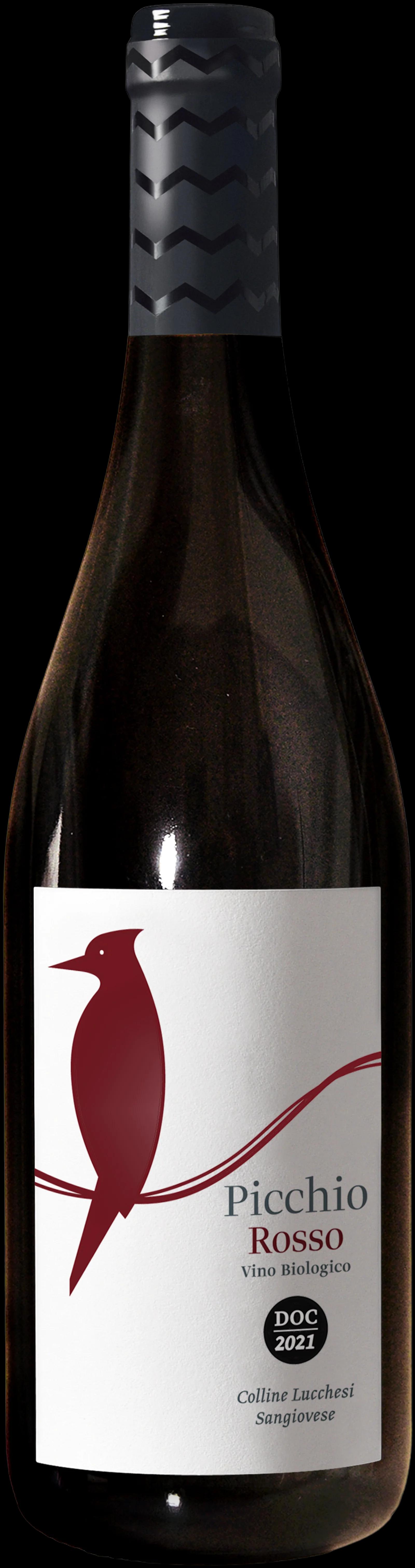
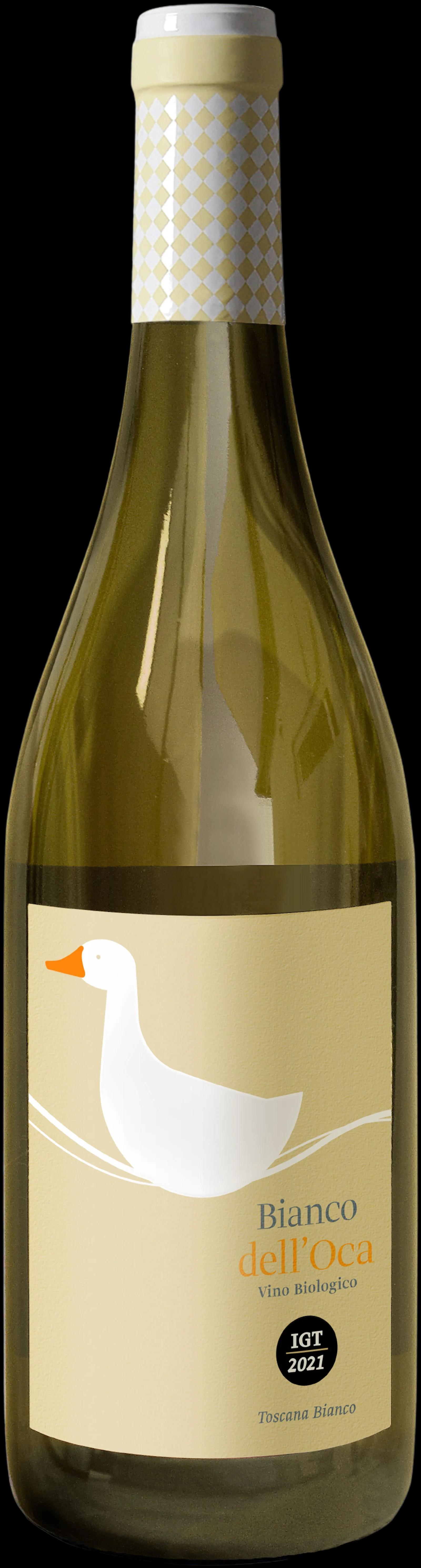
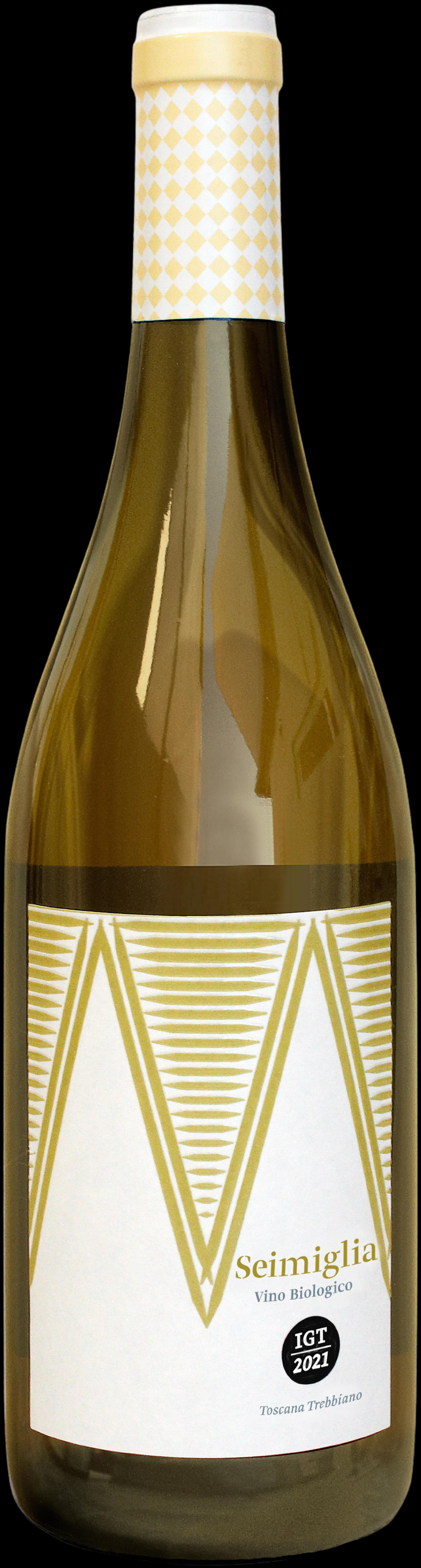
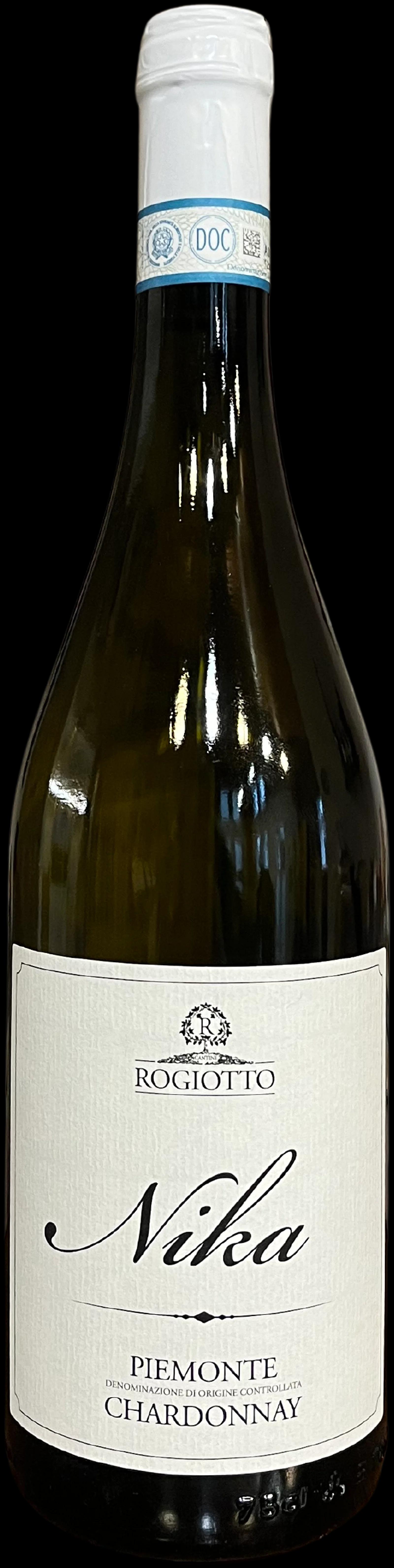
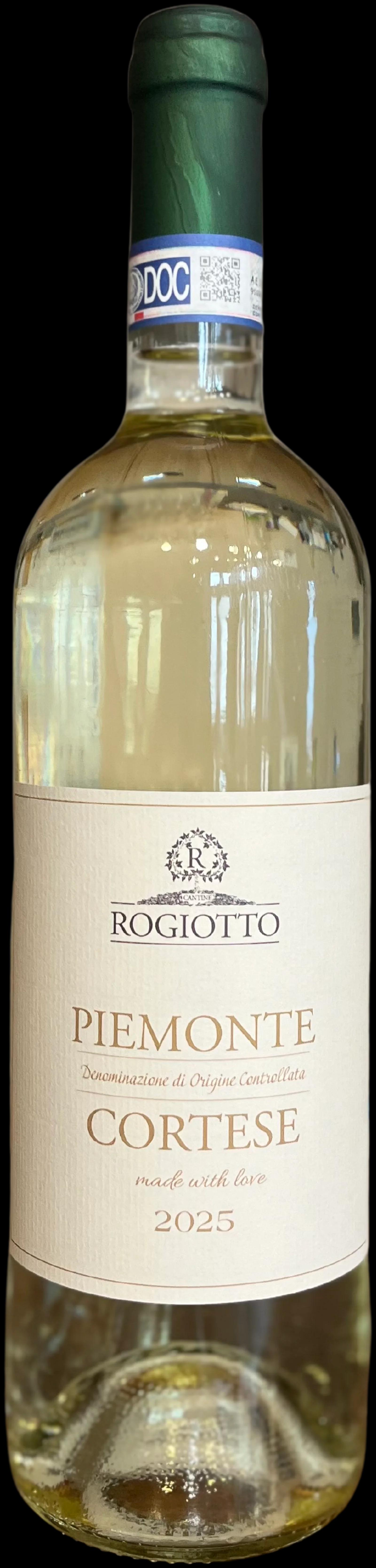
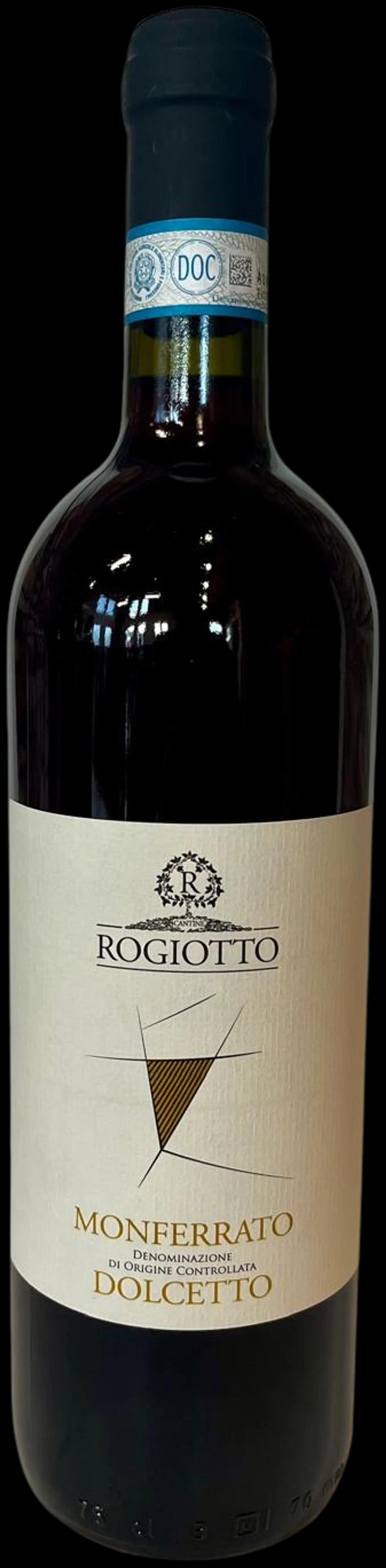
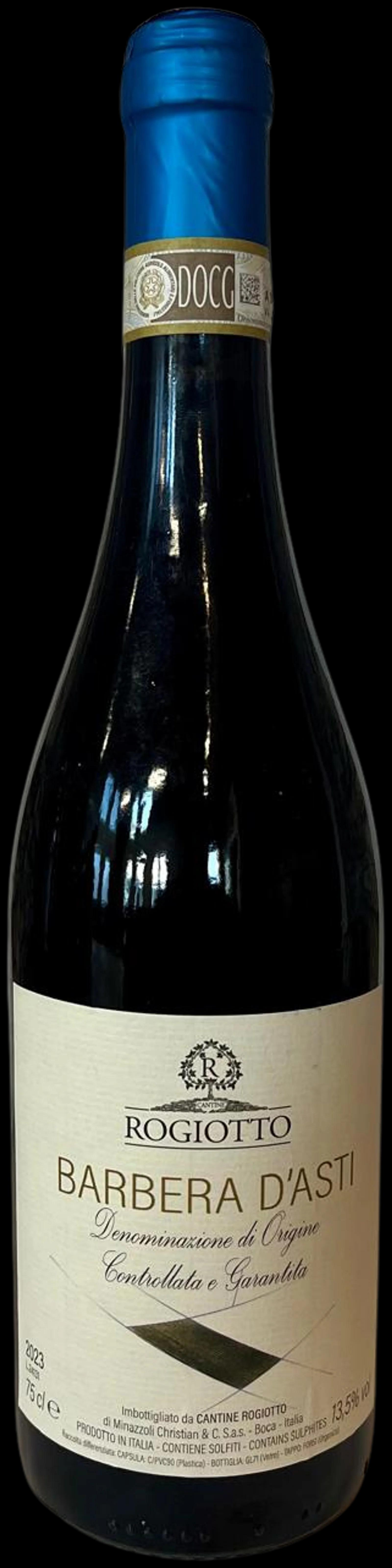
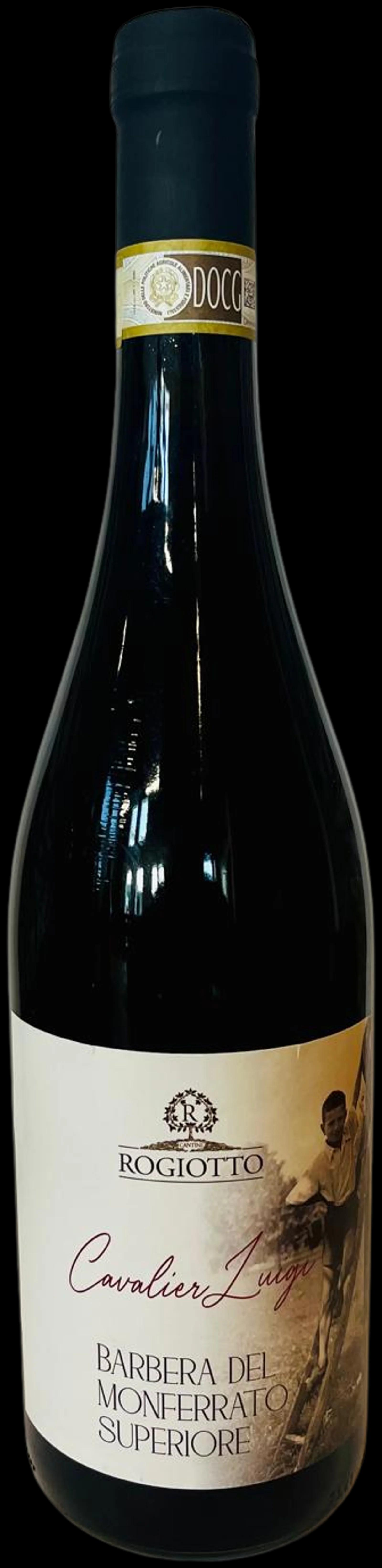
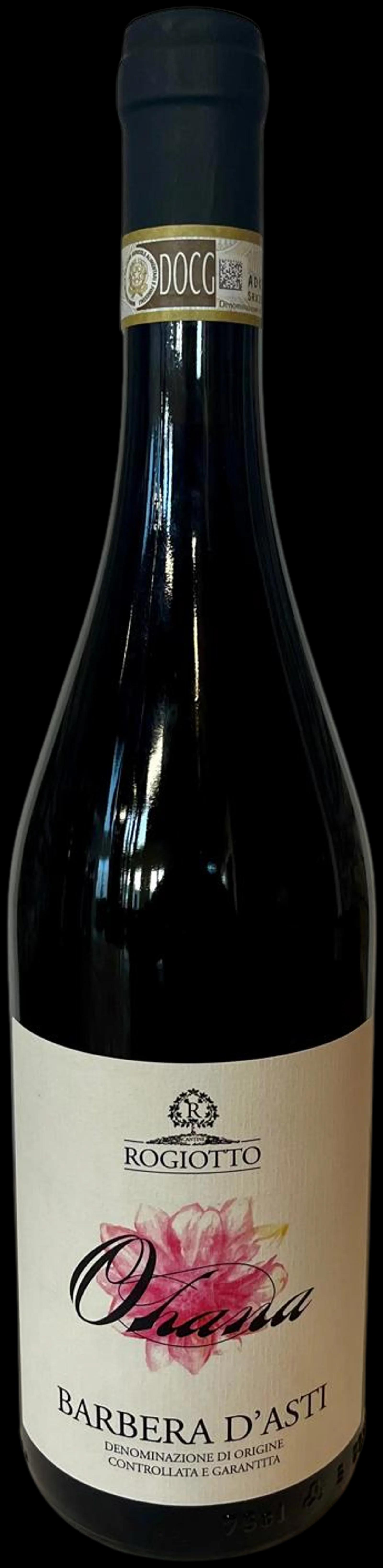
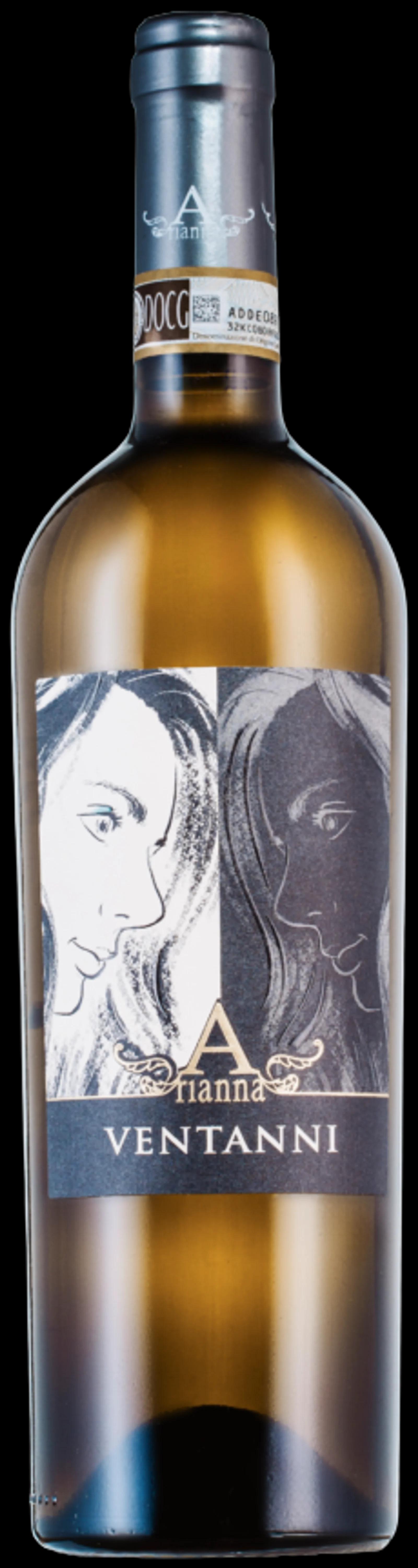
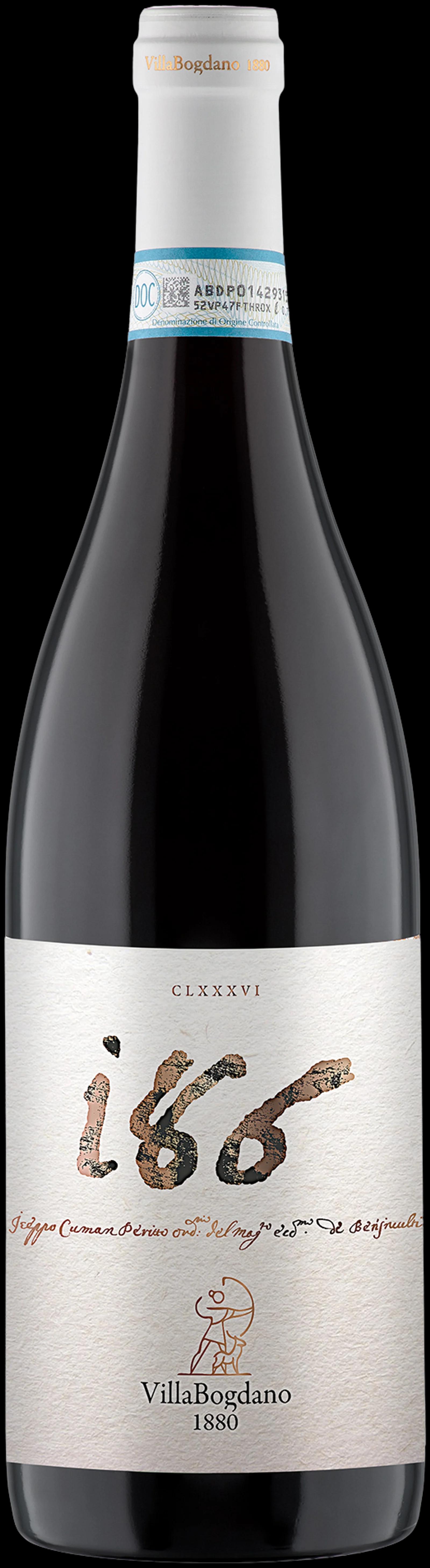
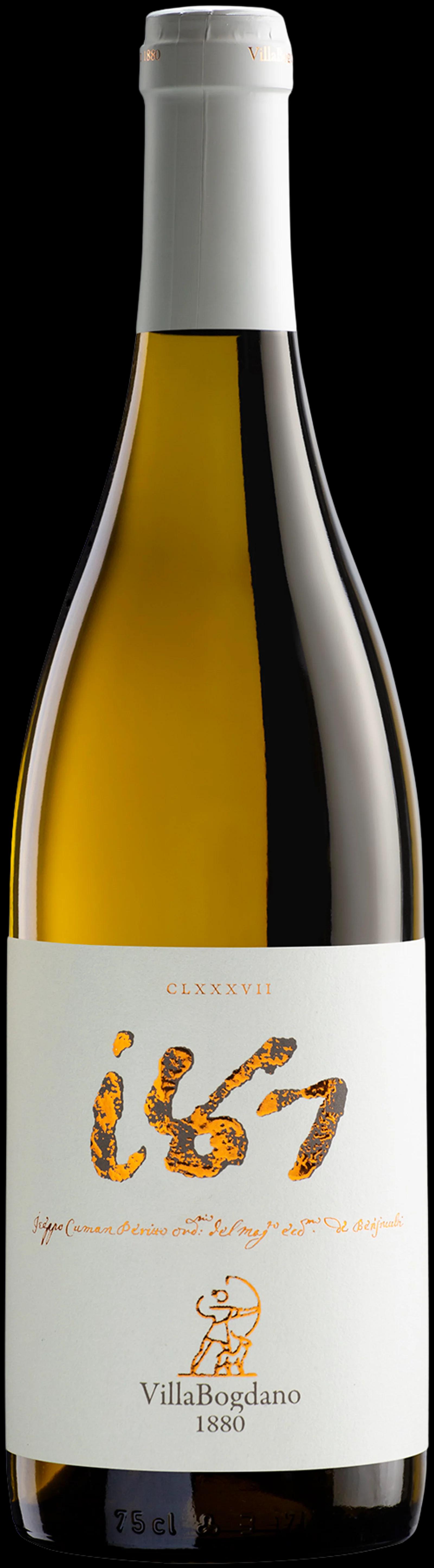
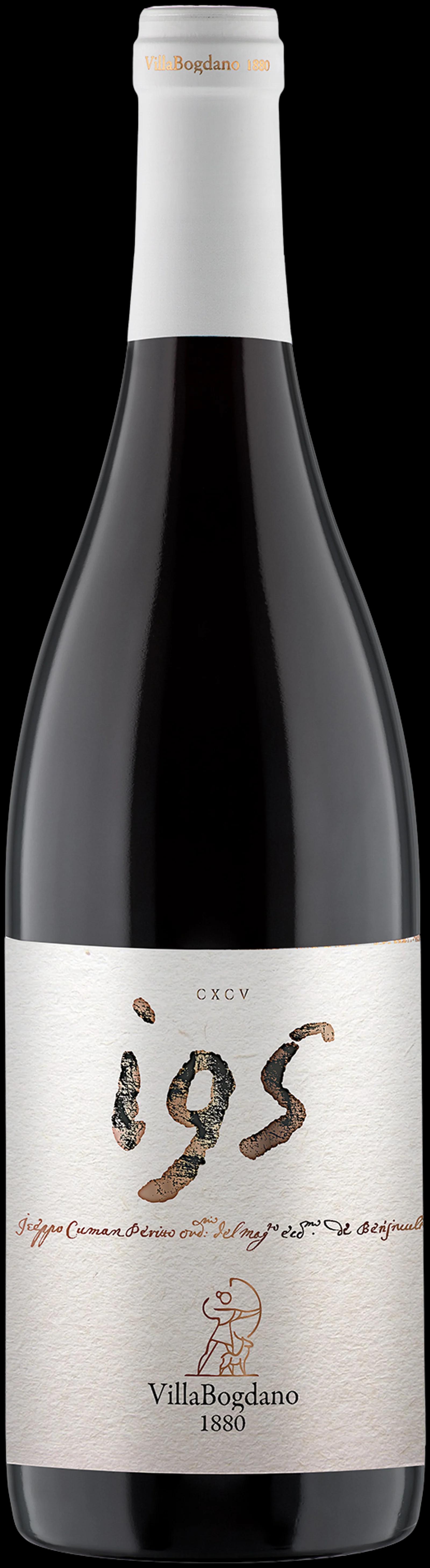
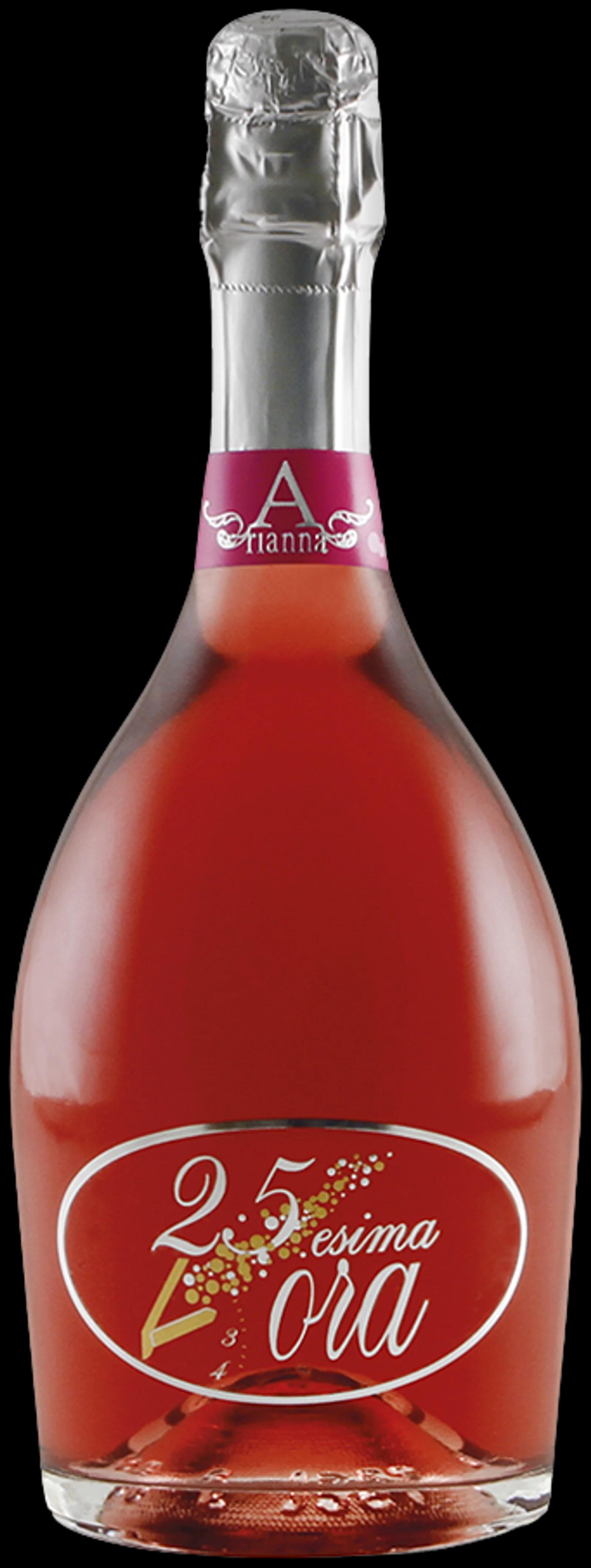






Italian wine mixboxes, composed by the producer

Italian mixboxes from independent producers. Six bottles per box, every selection made by the producer themselves.

Six bottles, one estate, one point of view.

Wine Colour

Dropdown arrow

Country (1)

Dropdown arrow

Region

Dropdown arrow

Price

Dropdown arrow

Sort by

Sort arrow
Italy

Italian mixboxes

Each mixbox on Free Grape Society contains exactly six bottles, all from one producer, composed by that producer as their own recommendation. Not a retailer's selection. Not a buyer's pick from multiple estates. The producer decides what goes in the box and why. That means the box reflects how a single estate thinks about its range, its best-value bottles, or the styles it most wants you to try. Browse the individual wines from Italian producers below.

Previous1 of 2Next

Italian wines

Italy has 350 to 400 officially recognised native grape varieties, more than any other wine-producing country. A producer in Sicily may build a mixbox around Nerello Mascalese and Carricante. A producer in Piedmont might centre theirs on Barbera and Dolcetto alongside a single Nebbiolo. The mix varies because the estates vary. Producers, experts, and wine lovers participate on the same platform, on the same terms. No one sits between the producer and you.

Italian producers

The producers behind these mixboxes range from estates with multiple generations in the same cellar to younger operations started in the last decade. What they share is that every wine is tasted by our Head of Product before it goes live on Free Grape Society. No producer pays to be listed, and no listing bypasses the tasting step. The producers below ship directly from their own cellars.

Wine experts

Independent wine experts on Free Grape Society rate and review wines they have personally tasted. Their reviews are visible on each wine page and on the expert's own profile. Some of the experts listed below have reviewed wines from the same Italian producers whose mixboxes appear on this page. Their assessments are their own, based on firsthand tasting, not on producer relationships or commercial arrangements.

Frequently asked questions

How do I order Italian wines on Free Grape Society?

Browse the Italian wines listed below and add bottles to your cart. Payment is handled securely by Klarna or card. Once your order is confirmed, the producer ships directly from their cellar. Delivery takes between 4 and 14 days, with an average of around 8 to 9 days. Shipping is free.

What happens if a bottle arrives broken or doesn't taste right?

Send a photo to Free Grape Society customer support within 7 days of delivery. We will arrange a replacement or a refund. Because producers ship directly, quality issues are handled with the producer's direct involvement. Shared responsibility is built into how FGS works.

Can I order from more than one Italian producer at the same time?

Yes. You can add wines from different producers to a single order. Each producer ships their part of the order directly from their own cellar, so items may arrive in separate deliveries. Shipping is free regardless of how many producers are involved.

How long does delivery take?

Average delivery is 8 to 9 days from order to door. The full range is 4 to 14 days depending on the producer's location and your delivery address. Wines ship directly from the producer's cellar, not from a central warehouse.

How do I find the right Italian wine if I am not sure where to start?

You can filter by region, grape variety, or wine style using the options on this page. Piemonte and Toscana are the largest producing regions here. If you want a personal recommendation, an independent wine expert can answer your question directly, at no cost.

What is the difference between the Italian wine regions on Free Grape Society?

Each region runs on different grapes and conditions. Piemonte is the home of Nebbiolo, Barbera and Dolcetto. Toscana centers on Sangiovese. The Veneto produces both light, easy-drinking reds and the concentrated dried-grape wines of Amarone. Sicily brings volcanic terroir and sun-ripened varieties like Nero d'Avola. The producers below reflect that range.

Which Italian wine expert can recommend something for me?

The independent wine experts listed on this page have reviewed Italian wines personally. You can read their reviews on individual wine pages and on each expert's profile. To ask for a recommendation, fill in the form on their profile page. The service is free and there is no obligation to buy.

Why do you not sell supermarket-brand Italian wines?

Free Grape Society lists wines from independent producers who ship directly from their own cellar. Large commercial labels are produced through industrial-scale supply chains that pass through importers, agents and warehouses. That model is the one we are built to replace. The wines here come from growers who set their own prices and stand behind what they make.

How does buying Italian wine directly compare to buying from a wine retailer?

A traditional retailer buys from an importer, who buys from an agent, who buys from the producer. Each step adds a margin and a delay. On Free Grape Society, the producer ships directly to you from their cellar. The price you pay is the price the producer sets, with no intermediary markups. You also get access to wines that never reach retail shelves.

How an Italian winemaker composes a 6-bottle selection

Every mixbox on Free Grape Society contains exactly 6 bottles, all from one producer. The producer composes the selection themselves. That means the bottles you receive are not assembled by an algorithm or a buyer with quarterly targets. They reflect what the producer thinks represents their cellar at this moment. For an estate in Piedmont, that might mean two vintages of Nebbiolo alongside a tank-sample Barbera they want more people to try. For a family domaine in Tuscany, it might mean walking someone through the difference between their village wine and their single-vineyard bottling. The 6-bottle format matters because it is the minimum that gives a producer enough room to show context. One bottle tells you what something tastes like. Six bottles tell you how a producer thinks.

Italian wine regions and what a mixbox shows you

Italy has 20 regions and 350-plus authorized grape varieties, more than any other wine-producing country in the world. That breadth is not decorative. Sangiovese in Tuscany produces a structurally different wine than Sangiovese grown 200 kilometres north in Emilia-Romagna. Nebbiolo in Piedmont requires a minimum of 18 months in barrel under DOCG rules for Barolo, a regulation with no direct equivalent elsewhere in Italy. Nero d'Avola is almost entirely confined to Sicily, where summer temperatures regularly exceed 35°C and producers harvest up to three weeks earlier than in the north. A mixbox from a single producer gives you a vertical or horizontal slice of one of these regions, not a sampler assembled from a warehouse catalogue. The Veneto alone accounts for more DOC wine volume than any other Italian region, yet most of its most interesting producers are not in large-format retail at all. Bottles ship directly from the producer's cellar. Not from a warehouse in the Netherlands.

Reading an Italian wine label inside a mixbox

Italian classification uses four tiers: Vino da Tavola at the base, then IGT (Indicazione Geografica Tipica), then DOC (Denominazione di Origine Controllata), then DOCG (Denominazione di Origine Controllata e Garantita), of which there are 77 as of 2024. A higher tier does not automatically mean a better wine. The so-called Super Tuscans, including some of Italy's most expensive bottles, were classified as Vino da Tavola for decades because they used non-authorized varieties like Cabernet Sauvignon and Merlot. Today most fall under the Bolgheri DOC or the Toscana IGT designation. When you receive a mixbox from an Italian producer, the label tells you the classification tier, the vintage, and the grape or blend. The producer's own notes, where included, tell you more than the classification does. White wines from Italy increasingly appear in mixboxes from producers in Friuli Venezia Giulia and Trentino-South Tyrol, regions where altitude and continental air produce a structural precision that is categorically different from what the south delivers. Producers, experts, restaurants, and wine lovers on the same platform, on the same terms. That is what Free Grape Society is built to be.