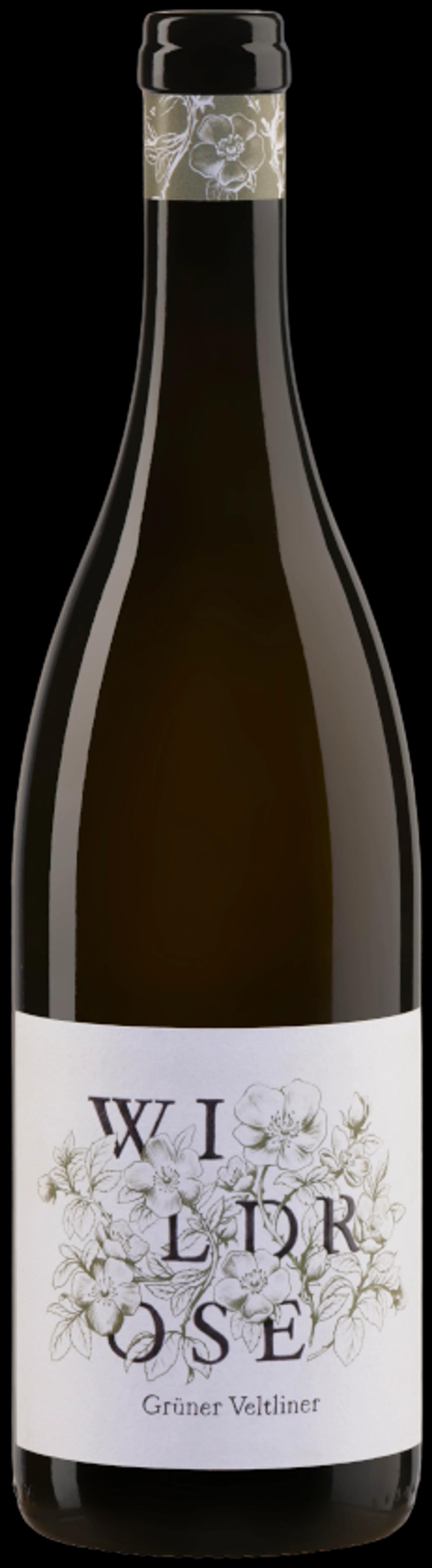
Key grapes in Austrian white wine
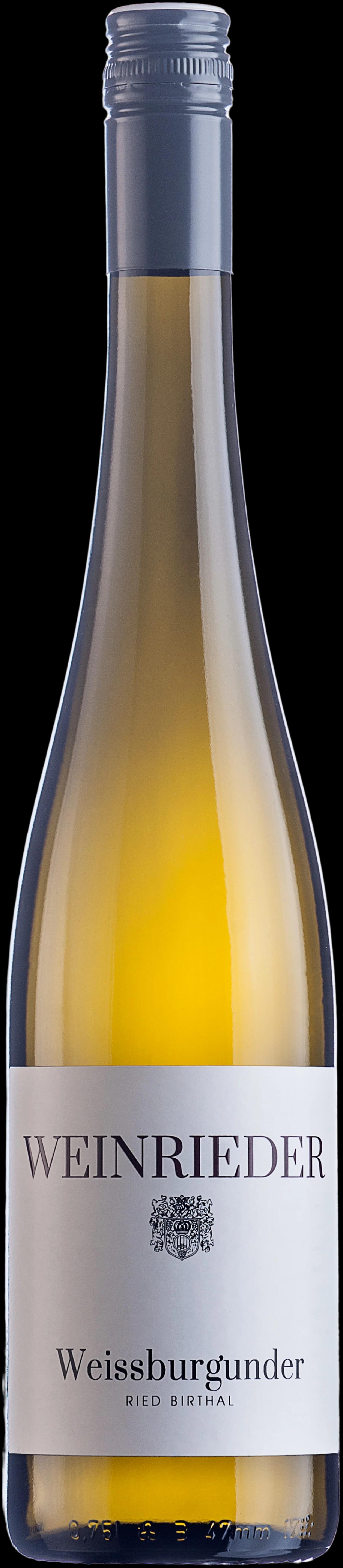
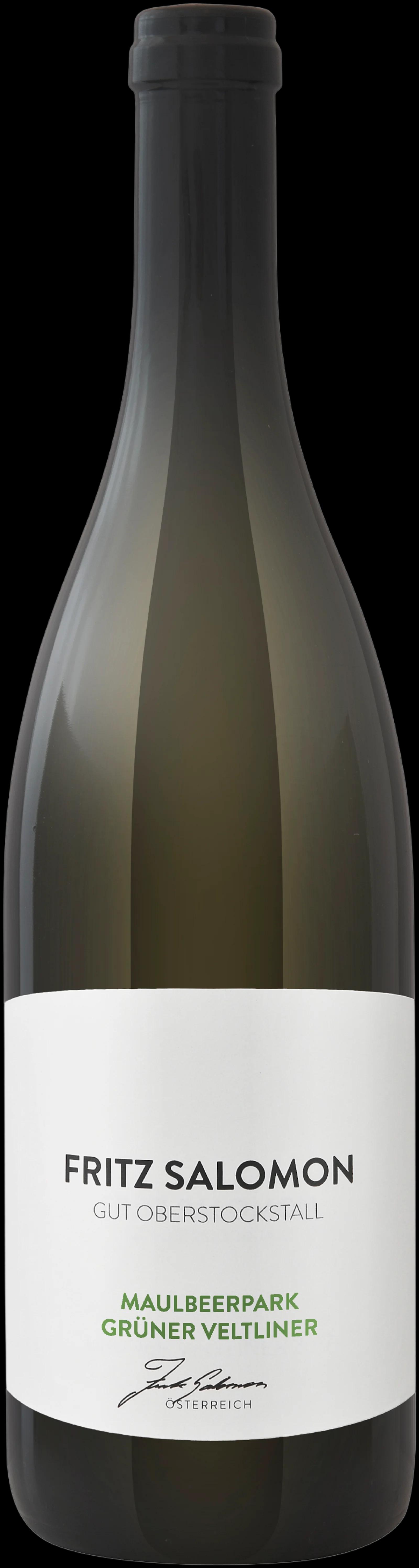
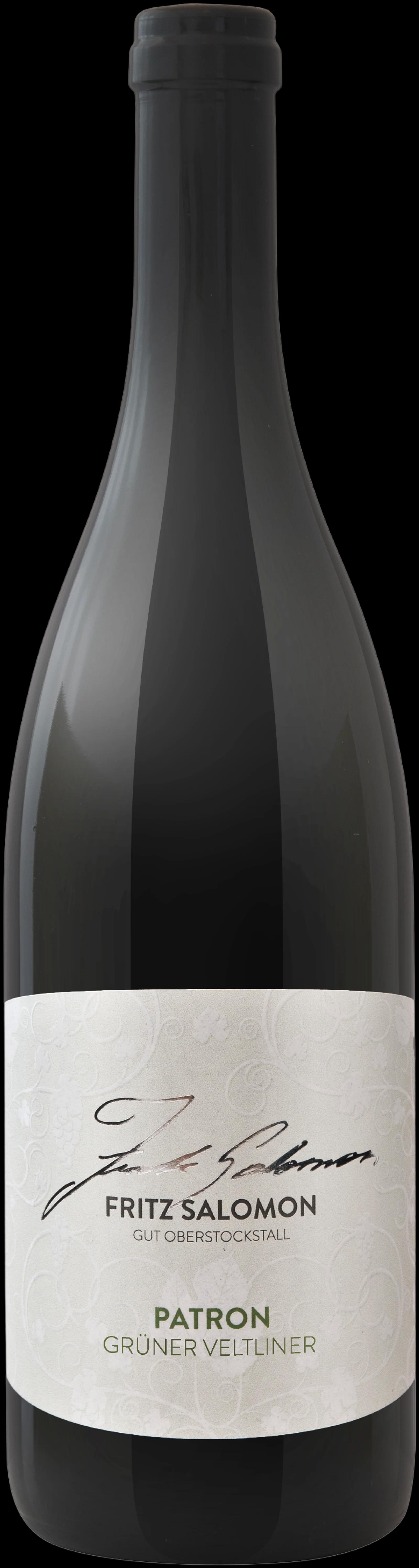
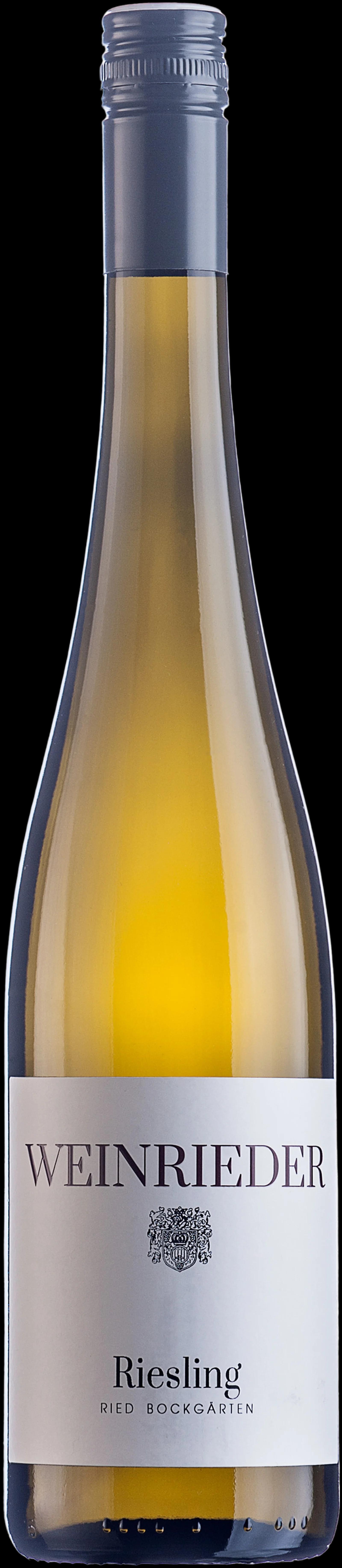
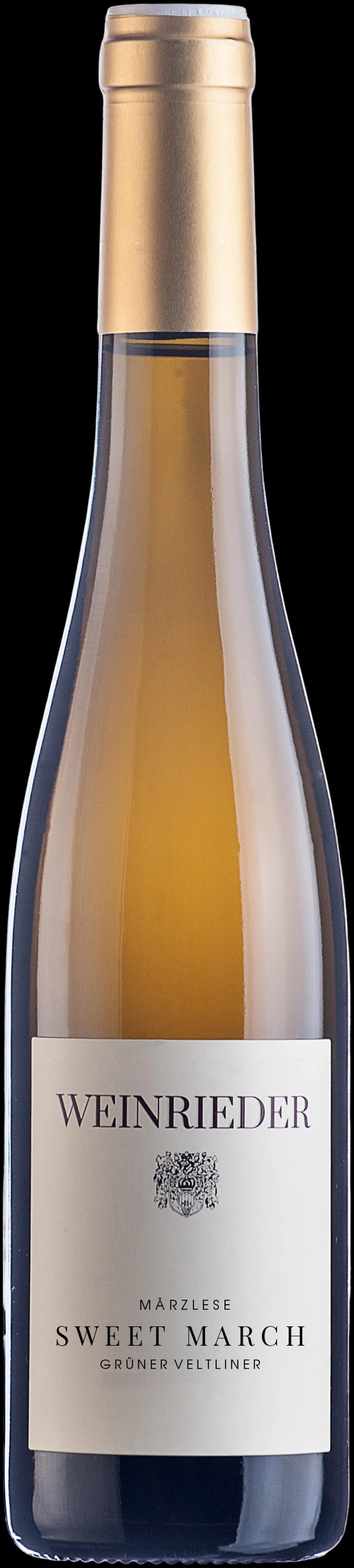
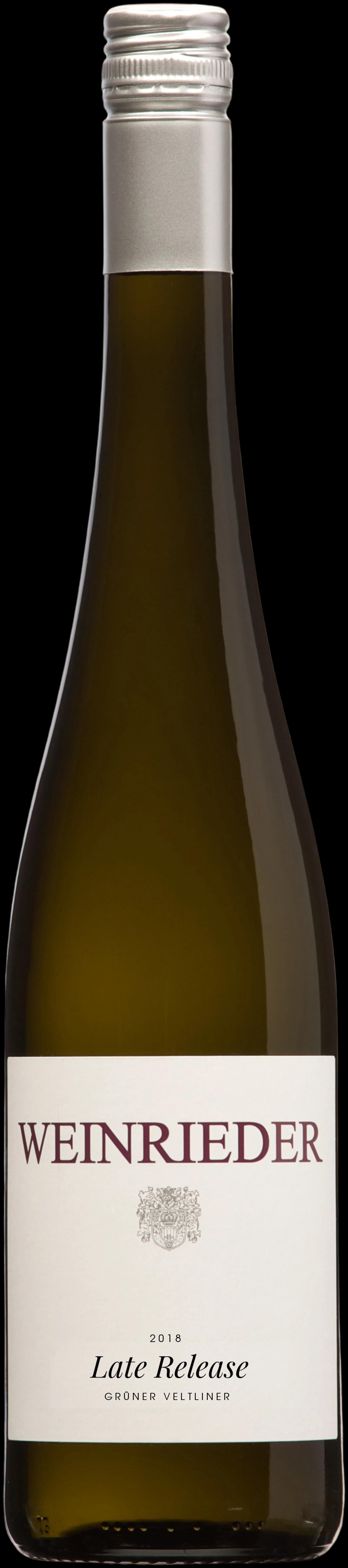
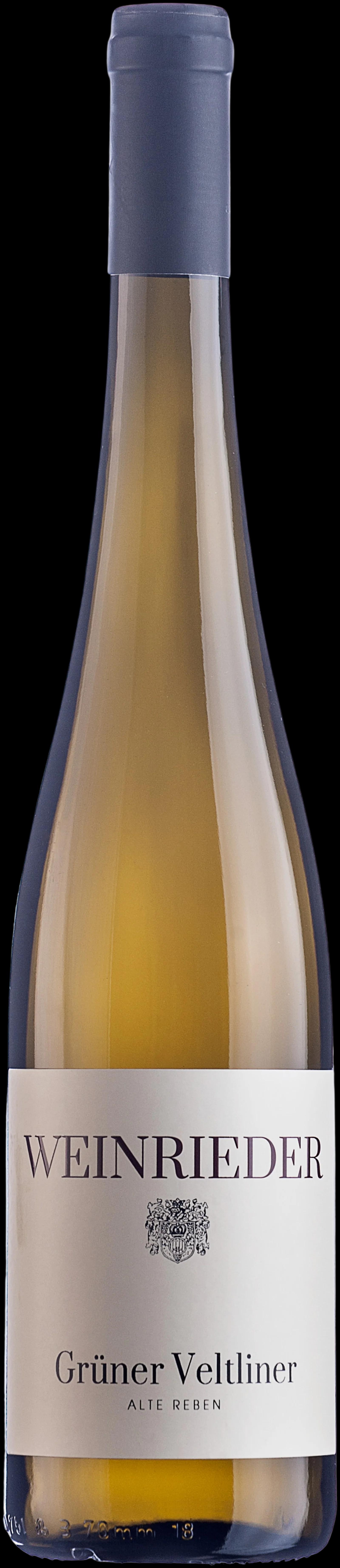
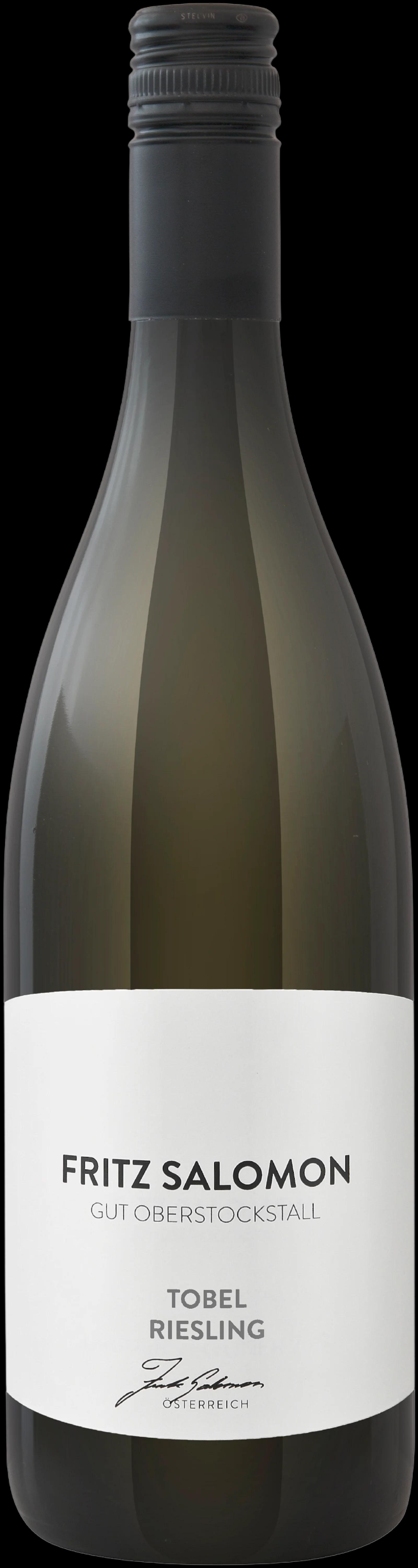
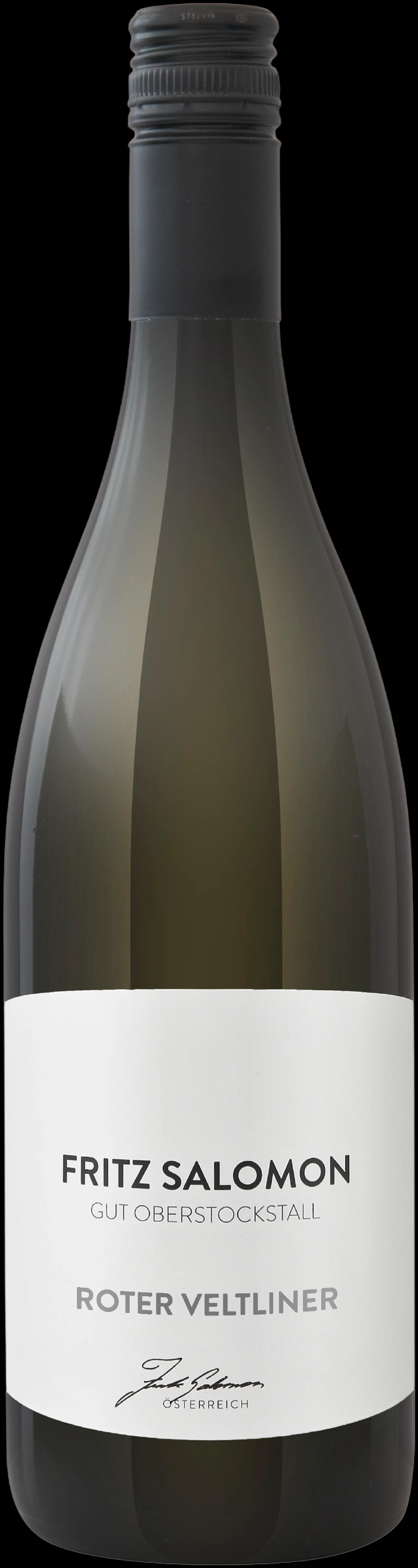
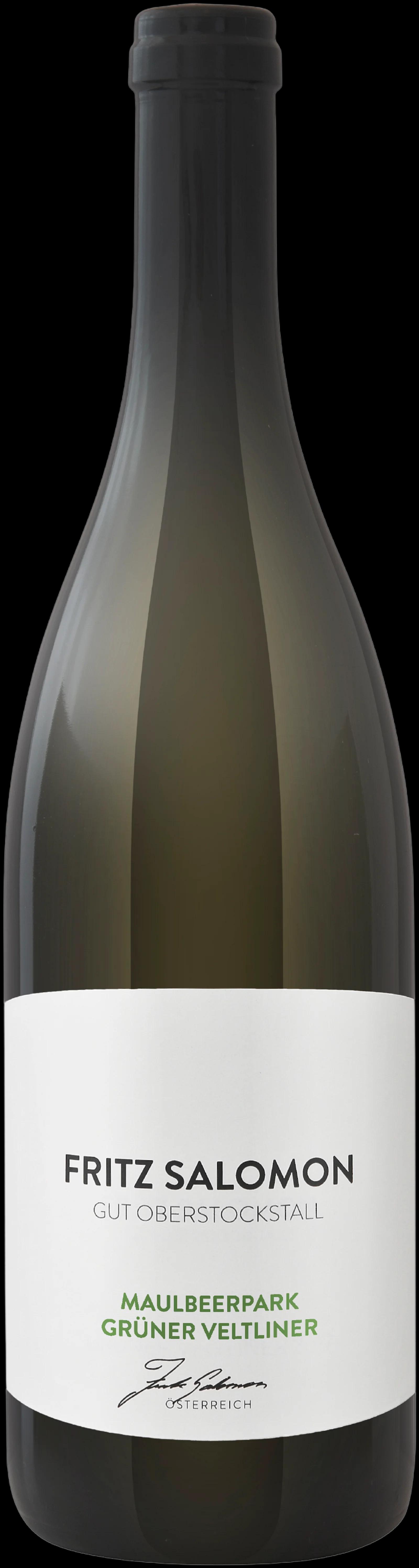
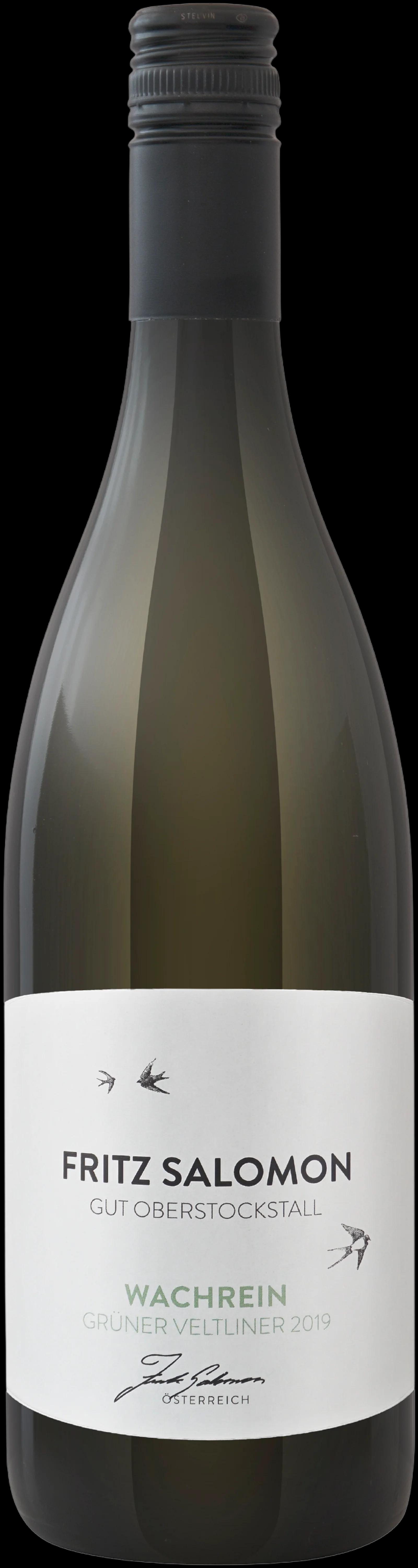
Austrian white wine is built on two grapes more than any others: Grüner Veltliner and Riesling. Grüner Veltliner accounts for roughly 30% of all Austrian vineyard area and is grown almost nowhere else at this scale. It produces wines with a characteristic white pepper note that comes from the rotundone compound present in the grape's skin — the same compound found in Syrah, but expressed differently in a cool-climate white. Austrian Riesling is structurally distinct from German Riesling: Austria's warmer continental summers push the grape toward fuller body and lower residual sugar, with most bottlings classified as fully dry. Beyond these two, Welschriesling (unrelated to Riesling), Weißburgunder (Pinot Blanc), and Grauburgunder (Pinot Gris) make up a significant portion of the white wine output, particularly in Steiermark and Burgenland. Each of these grapes responds differently to Austria's variable geology — a fact that shapes producer decisions more than any single stylistic trend. Producers who list on Free Grape Society set their own prices. No importer, no wholesaler. The price you see is the price the producer agreed to.
Regional variation in Austrian white wine
Austria's white wine character shifts considerably across its four main wine regions. Niederösterreich is the largest, covering the Wachau, Kamptal, Kremstal, and Wagram sub-regions. The Wachau classifies its white wines by ripeness level under a local system: Steinfeder (light, under 11.5% ABV), Federspiel (medium, 11.5–12.5%), and Smaragd (full-bodied, over 12.5%). These are not legal appellations under EU law but are enforced by the Vinea Wachau grower association. Steiermark, in the southeast, produces high-acid, mineral whites from steep slopes — Sauvignon Blanc here is one of Austria's most internationally distinctive styles, with a savory, green-herb profile quite different from French Sauvignon Blanc. Burgenland, by contrast, is dominated by the shallow Neusiedlersee lake, which moderates temperatures and enables late-harvest and botrytis-affected whites alongside dry styles. The geology differs significantly between regions: primary rock (gneiss, granite) dominates in the Wachau, while loess and loam are more common in the Kamptal and Kremstal. These soil differences show in the wines as much as climate does. For comparison, white wines from Germany cover some overlapping grapes but operate under different classification logic and ripeness conventions.
How Austrian white wine is made
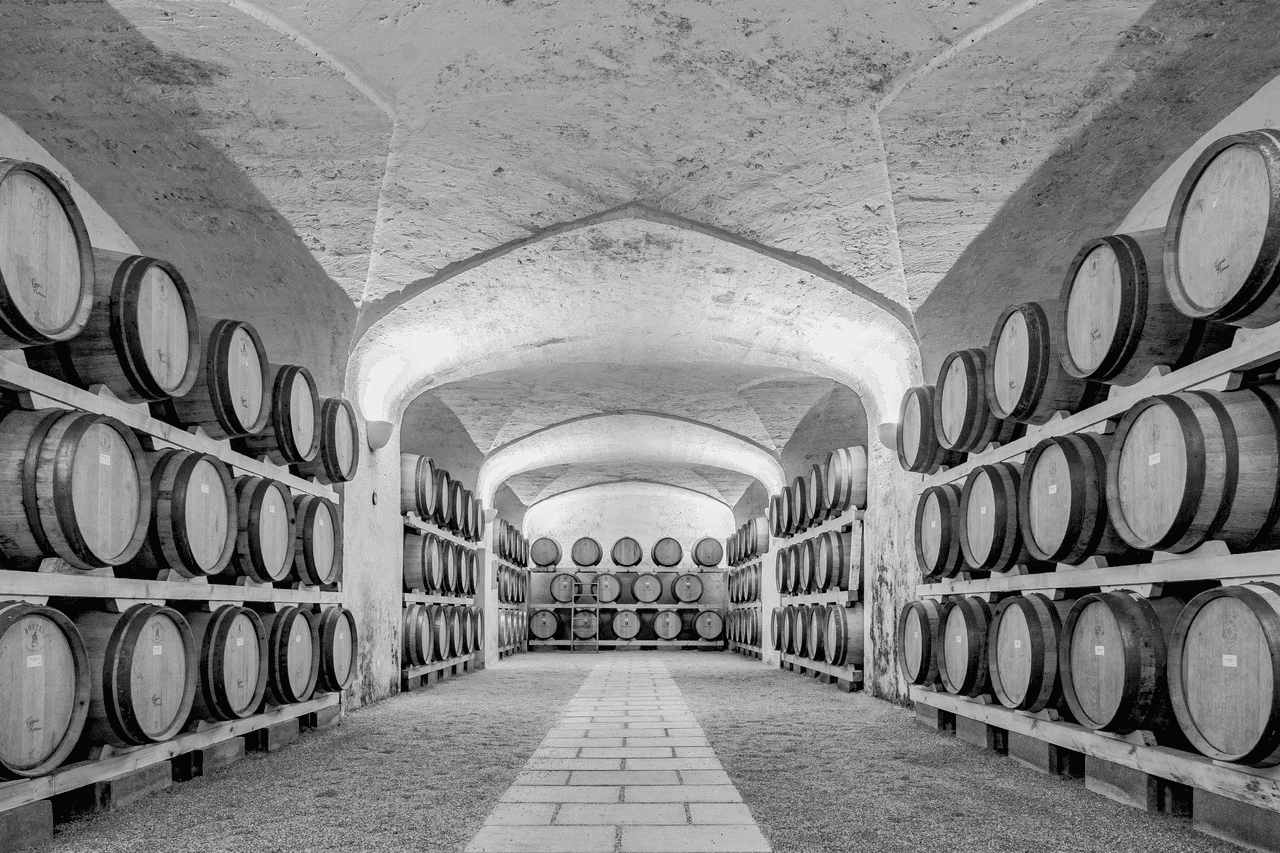
Most dry Austrian white wine is fermented in stainless steel or large neutral oak, preserving varietal character rather than adding wood influence. This is particularly true for Grüner Veltliner, where producers in Niederösterreich tend to work with ambient-temperature fermentation to retain the grape's aromatic precision. A smaller group of producers — especially in Wachau and Kamptal — use large old oak casks (Stückfass, traditionally 1,200 liters) for aging, which softens texture without contributing oak flavor. Skin contact for white grapes remains a minority practice in Austria, though it is more common in Steiermark and among younger producers working outside established classification systems. Austria introduced a national DAC (Districtus Austriae Controllatus) appellation system starting in 2002 with Wachau as a model; by 2023, most major producing regions had their own DAC, each with specific grape and style requirements. A Kamptal DAC Riesling, for example, must come from defined vineyard sites within the Kamptal boundary and meet minimum ripeness standards — this is meaningfully different from how Italian white wine or French white wine is regulated, where appellation rules vary dramatically by region. Producers shipping directly from Austria to buyers avoid the markup that accumulates when a bottle changes hands through import and distribution chains.