




Schioppettino: Friuli's ancient red, grown by independent estates

Schioppettino wine is one of Friuli Venezia Giulia's most distinctive varieties: tannic, aromatic, with a wild black-pepper character that sets it apart from every other Italian red. The producers below grow it where it has always belonged.

A grape that nearly disappeared — now making dark, peppery reds from the hills of northeastern Italy.

Color

Dropdown arrow

Type

Dropdown arrow

Country

Dropdown arrow

Region

Dropdown arrow

Grape

Dropdown arrow

Pairing

Dropdown arrow

Sort by

Sort arrow
Schioppettino

Schioppettino wines

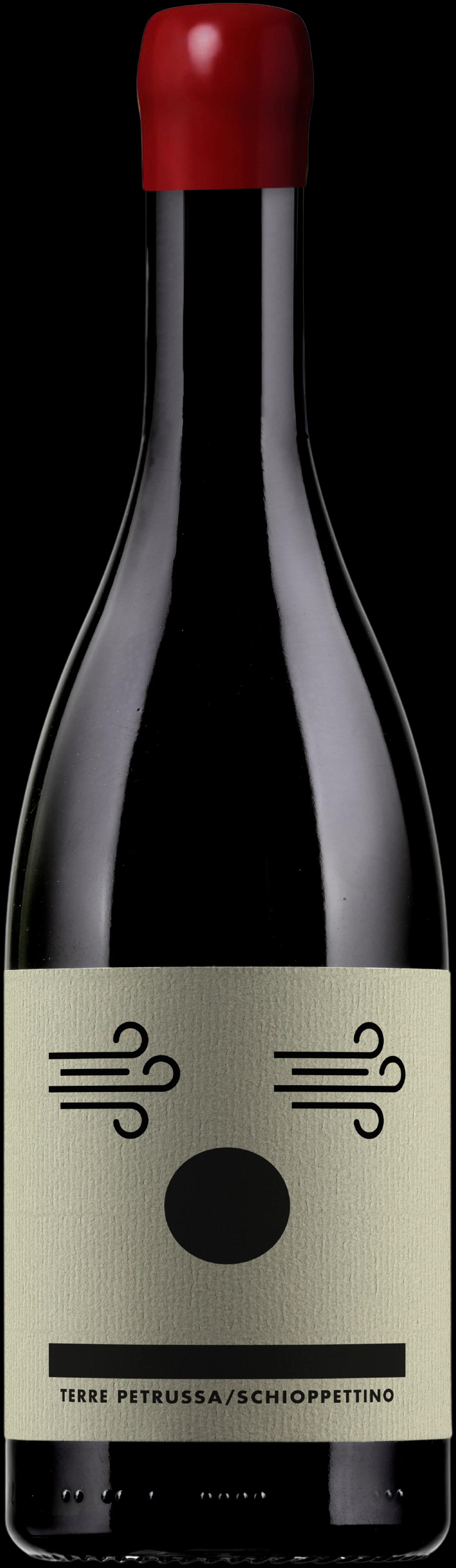
Schioppettino was on the verge of extinction in the mid-twentieth century, planted only in scattered plots around the village of Prepotto in Friuli's Colli Orientali. A handful of growers pushed for its official recognition — granted in 1978 — and kept it going. The grape produces deeply coloured reds with firm tannin, a striking black-pepper and wild-berry character, and an acidity that gives the wine structure to age. On Free Grape Society, each bottle ships directly from the grower's own cellar, with no importer or warehouse in between.

Previous1 of 1Next

Schioppettino wine cases

A wine-case selection built around Schioppettino gives you the chance to taste what one estate does with the grape across different expressions — sometimes a straight varietal, sometimes blended with Refosco or other Friulian reds. Producers put these cases together themselves, as the recommendation they would make if you came to the cellar. Free Grape Society is a society of producers, independent experts and wine lovers, not a shop.

View all mixboxes

Wineries

The wineries below are the growers who have kept Schioppettino in the ground and brought it to the market on their own terms. Most are small family estates in the Colli Orientali del Friuli, where the combination of cool nights, iron-rich soils and steep hillside sites gives the grape its characteristic structure. If you want to understand what separates one estate's approach from another, the wine-advice service is there to help before you choose.

View all wineries

Wine experts

Schioppettino rewards a second opinion — it is not a grape many people know before they encounter it, and the style can vary more than you might expect between producers. Independent wine experts review wines they have personally tasted, and their notes are visible on each wine page and on the expert's own profile. Several of the experts below have reviewed Schioppettino wines featured on this page.

View all wine experts

Frequently asked questions

How do I order Schioppettino wines on Free Grape Society?

Browse the wines listed on this page, add bottles to your cart, and check out with Klarna or card. Each bottle ships directly from the producer's cellar to your door. Free shipping is included, and delivery typically takes between four and fourteen days depending on where the producer is based.

What happens if a bottle arrives broken or doesn't taste right?

Send a photo to Free Grape Society customer support within 7 days of delivery. We will arrange a replacement or a refund. Because producers ship directly, quality issues are handled with the producer's direct involvement. Shared responsibility is built into how FGS works.

Can I order Schioppettino from more than one producer in the same order?

Yes. You can add wines from different producers to one cart and check out together. Each producer ships their own bottles separately, so you may receive more than one delivery. All orders include free shipping, so there is no extra cost for ordering from multiple estates at once.

How long does delivery take?

Average delivery is 8 to 9 days from order to door. The full range is 4 to 14 days depending on the producer's location and your delivery address. Wines ship directly from the producer's cellar, not from a central warehouse.

How do I choose between different Schioppettino wines on the page?

Schioppettino varies more than most Italian varieties — some producers make a lighter, earlier-drinking style, others age it in oak for a more structured wine. Reading each producer's own notes is a good starting point. Where expert reviews are available, they sit on the wine page alongside the producer's description, giving you a second perspective before you decide.

Are all the Schioppettino wines on this page from Friuli Venezia Giulia?

Most Schioppettino on Free Grape Society comes from Friuli Venezia Giulia, where the grape has its deepest roots, particularly in the Colli Orientali del Friuli around Prepotto. If a wine listed here comes from elsewhere, the producer's page will say so. You can also browse the full range of wines from the region on the Friuli Venezia Giulia wines page.

Which wine expert can recommend a Schioppettino for me?

The experts listed on this page have reviewed Schioppettino wines and can point you in the right direction. You can read their tasting notes on individual wine pages or use the wine-advice form to ask a question directly. An independent expert will respond with a personal recommendation based on what you are looking for.

Why don't you sell supermarket-brand Schioppettino wines?

Schioppettino is grown in small quantities by family estates — there is no industrial-scale production of it. The wines on Free Grape Society come from the producers who grow the grape themselves and bottle it under their own name. Supermarket-brand wines typically come from large negociants; the estates here do not work that way.

Can I buy Schioppettino in other European countries, or is it hard to find outside Italy?

Outside Italy, Schioppettino is rarely stocked by wine retailers or supermarkets — it is simply too small a variety to reach mainstream distribution. Free Grape Society ships directly from Friulian producers to buyers across Europe, which means you can order it in Sweden, Germany, Denmark and other markets without going through an importer or a specialist shop.

Where Schioppettino comes from and what makes it rare

Schioppettino is a red grape native to Friuli Venezia Giulia in northeastern Italy, where it has been grown for centuries in the hills around Prepotto and Cividale del Friuli. For much of the twentieth century it nearly disappeared: post-war replanting programmes favoured international varieties, and Schioppettino was at one point close to losing its DOC recognition entirely. A handful of growers in Friuli kept it alive, and by the 1980s a small group had fought to restore its standing. Today it is protected under the Colli Orientali del Friuli DOC and remains one of the most distinctive native varieties in Italian wine. Outside Friuli it is grown in only tiny quantities, which means that almost every bottle you encounter comes from an independent producer in a specific corner of the northeast rather than from a large commercial operation.

How Schioppettino tastes, and what to drink it with

Schioppettino produces wines with a deep ruby colour, pronounced natural acidity, and a peppery, spiced character that sets it apart from better-known Italian reds. The name itself is thought to derive from the Italian word for a small firearm, a reference to the grape's explosive, crackling freshness on the palate. Expect aromas of dark cherry, blackberry, and wild herbs alongside a signature white-pepper note that comes from the grape's natural levels of rotundone, the same compound found in Syrah. The structure is firm but not heavy, which makes Schioppettino a natural partner for roasted meats, game, aged hard cheeses, and the hearty dishes of Friulian cooking. Because the acidity stays lively, it also holds up well alongside rich pasta sauces and braised pork. Younger wines show more fruit and spice; with a few years in bottle the pepper softens and earthy, leathery notes emerge alongside the dark fruit.

Buying Schioppettino direct from independent producers

Because Schioppettino is grown in such a concentrated area, the easiest way to explore it is to go directly to the growers who have kept it alive. The producers on Free Grape Society ship wines directly from their own cellars in Friuli, with no importer or warehouse in between, which means you receive the wine as the grower intended and at a price that reflects the actual cost of making it rather than a chain of middlemen. If you are new to the variety, browsing the Friuli Venezia Giulia wineries is a good way to understand who grows it and how their approaches differ. You can also explore Friuli Venezia Giulia mixboxes to taste across producers in a single order, or look at red wines from Italy for a broader view of what Italian independent growers are making. Free Grape Society is a society of producers, independent experts and wine lovers, not a shop — and with a grape as geographically specific as Schioppettino, that direct relationship with the grower matters more than usual.