Nerello Mascalese: Sicily's volcanic red, grown on the slopes of Etna

Nerello Mascalese wine is among Italy's most distinctive reds — pale in colour, high in acidity, and deeply marked by where it grows. The producers below work with this variety on and around Mount Etna, where elevation and volcanic soil do most of the winemaking.

A thin-skinned grape shaped by altitude, ash soils and the shifting climates of an active volcano.

Color

Dropdown arrow

Type

Dropdown arrow

Country

Dropdown arrow

Region

Dropdown arrow

Grape

Dropdown arrow

Pairing

Dropdown arrow

Sort by

Sort arrow
Nerello Mascalese

Nerello Mascalese wines

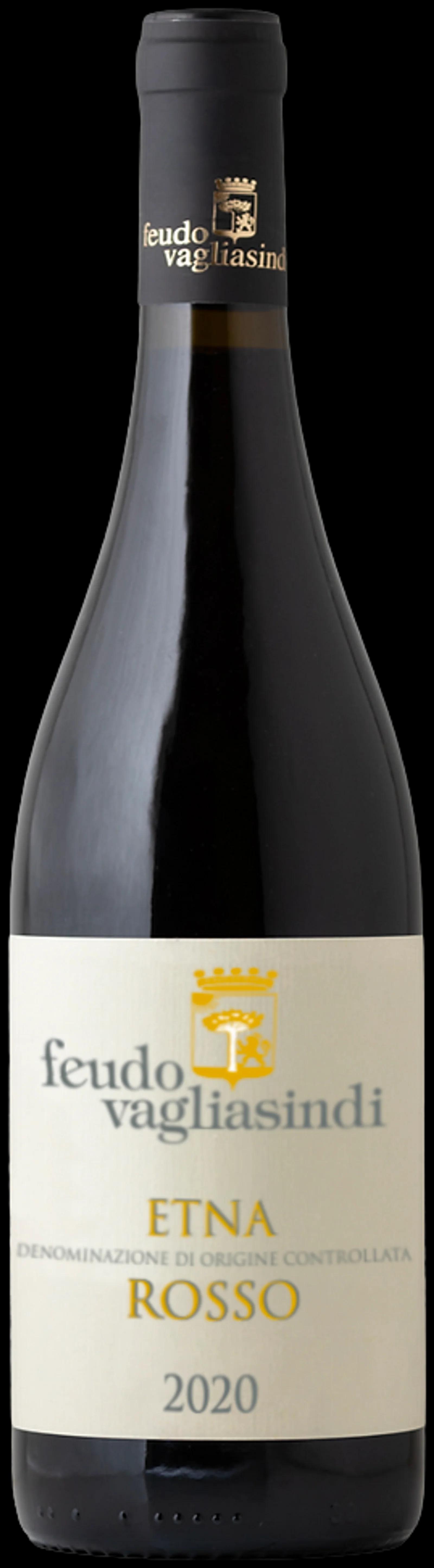
Nerello Mascalese is grown almost exclusively on and around Mount Etna, where the altitude reaches over 1,000 metres on the north-facing contrade that produce the most sought-after wines. Volcanic soils — fine, mineral-rich ash over ancient basalt — give the wines their distinctive texture: light in colour despite substantial tannin, with high natural acidity that helps them age. On Free Grape Society, each bottle is shipped directly from the producer's own cellar, with no importer or warehouse in between.

Previous1 of 1Next

Nerello Mascalese mixboxes

A mixbox is a producer's own selection of six bottles, composed as the recommendation they would make if you visited their cellar. With Nerello Mascalese, that often means tasting across different contrade or elevations from the same estate — small shifts in site that show clearly in the glass. Free Grape Society is a society of producers, independent experts and wine lovers, not a shop.
View all mixboxes

Wineries

The growers below work with Nerello Mascalese in one of Italy's most singular wine landscapes. Etna's producers tend to farm old, ungrafted vines — some over a century old — that survive because phylloxera never established itself in volcanic soil. The wine-advice service is there if you would like to talk through the differences between estates before choosing.

View all wineries

Wine experts

Nerello Mascalese rewards a second opinion, particularly because the variety's pale colour and structure can surprise drinkers expecting a typical Sicilian red. Independent wine experts review wines they have personally tasted, and their notes are visible on each wine page and on the expert's own profile. Several of the experts below have reviewed Nerello Mascalese wines featured on this page.

View all wine experts

Frequently asked questions

How do I order Nerello Mascalese wines on Free Grape Society?

Browse the wines above, add bottles to your basket and pay securely by card or Klarna. Each bottle ships directly from the producer's cellar to your door. Free shipping is included, and most orders arrive within 4 to 14 days. You are buying from the grower, not from a warehouse.

What happens if a bottle arrives broken or doesn't taste right?

Send a photo to Free Grape Society customer support within 7 days of delivery. We will arrange a replacement or a refund. Because producers ship directly, quality issues are handled with the producer's direct involvement. Shared responsibility is built into how FGS works.

Can I order Nerello Mascalese from more than one producer in the same order?

Yes. You can add wines from different producers to the same basket. Each producer ships their own bottles directly, so you may receive separate deliveries. Shipping is free regardless of how many producers are in your order.

How long does delivery take?

Average delivery is 8 to 9 days from order to door. The full range is 4 to 14 days depending on the producer's location and your delivery address. Wines ship directly from the producer's cellar, not from a central warehouse.

How do I find the right Nerello Mascalese for me?

The wines above vary by altitude, contrada, winemaking approach and vintage. Wines from higher north-facing sites tend to be more structured and mineral; lower, warmer plots can give rounder, earlier-drinking wines. Reading each producer's own notes is a good starting point — or ask a wine expert using the advice service on the page.

What is the difference between a Nerello Mascalese and a Nerello Cappuccio?

Nerello Mascalese is the dominant variety on Etna, making up most of the red wines produced there. Nerello Cappuccio is a blending grape, adding colour and body when used. Single-varietal Etna Rosso is almost always Nerello Mascalese, though some producers blend the two. The wine pages confirm which variety or blend is in each bottle.

Which Nerello Mascalese wine expert can recommend something for me?

The wine experts listed on this page have reviewed Nerello Mascalese wines they have personally tasted. Browse their profiles to read their notes, or submit a question through the advice form and an expert will reply with a personal recommendation.

Why do you not sell supermarket-brand Nerello Mascalese wines?

Free Grape Society works with independent producers who bottle their own wine. Most supermarket-label wines are sourced from brokers or large negociants and do not come from a single grower. The wines here are made, bottled and shipped by the estate whose name is on the label.

Can I buy Nerello Mascalese like this in a regular wine shop?

Nerello Mascalese from small Etna producers rarely reaches general retail outside specialist importers. The variety has grown in international recognition, but distribution remains limited. Buying directly through Free Grape Society gives you access to growers who do not export through a traditional import and distribution chain.

Where Nerello Mascalese comes from and how the volcano shapes it

Nerello Mascalese is native to Sicily, and almost all of it grows on the slopes of Mount Etna, the active volcano in the island's northeast corner. The grape takes its name from the Mascali area on Etna's eastern flank, where it has been cultivated for centuries. What makes the wines distinctive is largely the place: Etna's soils are volcanic ash and basalt, low in nutrients and high in minerals, and the vineyards sit at elevations between 400 and 1,000 metres, where nights are cool even in summer. That combination — volcanic soil, altitude, and the old bush-trained vines that survived phylloxera because the lava flows kept the pest out — produces reds that are pale in colour but firm in structure, with high acidity and tannin that can age well. Nerello Mascalese is often compared to Pinot Noir for its translucency and aromatic lift, though the two grapes are unrelated. You can find other wines from the island on the Sicily wines page, and other grapes that thrive in warm southern climates on the Nero d'Avola and Nerello Cappuccio pages.

How Nerello Mascalese tastes, and what to drink it with

At its best, Nerello Mascalese is a red wine that looks lighter than it tastes. The colour is often a translucent ruby-garnet, but underneath that there is real structure: firm, fine-grained tannin, pronounced acidity, and aromas that lean toward red cherry, dried herbs, volcanic earth and sometimes smoke. Wines from younger vines and lower elevations tend to be more open and fruit-forward; wines from old vines higher on the mountain are tighter and more mineral, and they often need a few years in the bottle before they open up properly. The grape is also used in rosato wines and, blended with Nerello Cappuccio, in some traditional Etna Rosso blends. With food, the acidity and tannin structure make it a natural with anything rich or fatty: slow-braised meat, aged pecorino, pasta with pork ragù, or grilled sausages. It also works well alongside dishes with some bitterness or char — the volcano's influence on the wine finds a counterpart in the grill.

Buying Nerello Mascalese direct from independent producers

Nerello Mascalese is not widely distributed through mainstream retail outside Italy, which makes buying directly from the producer a practical advantage as well as a philosophical one. On Free Grape Society, producers ship directly from their own cellars, with no importer or warehouse adding a step between the winery and your door. The wines are tasted before listing, and independent wine experts review wines they have personally tasted — their notes are visible on the wine page and on the expert's own profile. Because Etna has attracted a generation of producers who work with minimal intervention and often with very old vines, there is real variation between estates even within the same appellation: the orientation of the vineyard on the volcano (north, east, south), the altitude, and the age of the vines all leave a mark. If you want to explore more of Sicily's independent producers, the Sicily mixboxes and Sicily wineries pages are a good place to continue. Free Grape Society is a society of producers, independent experts and wine lovers, not a shop.