The producers of Galicia
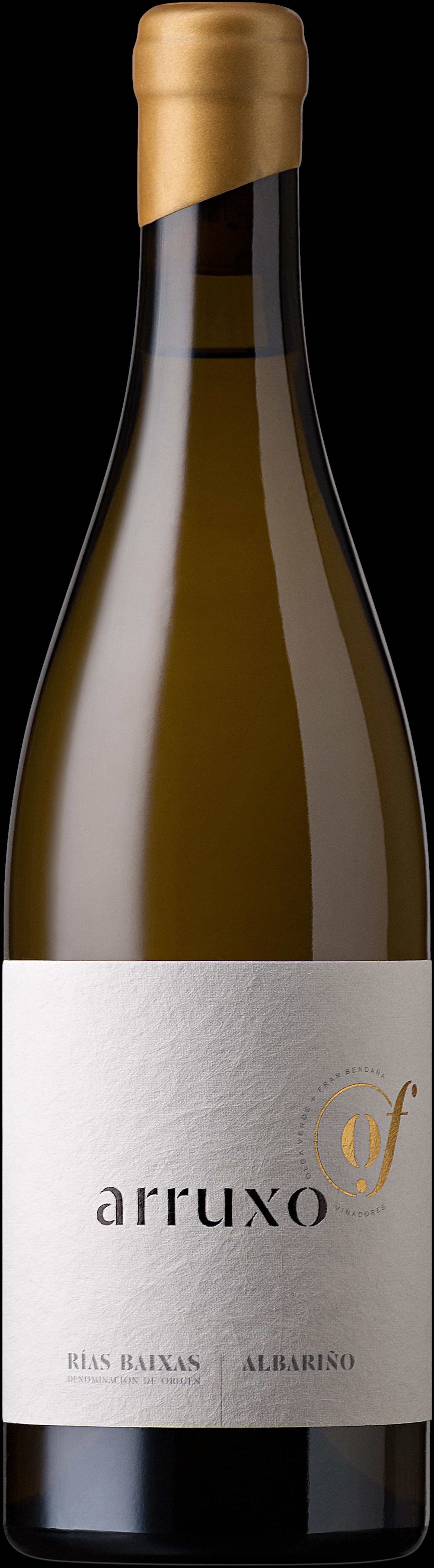
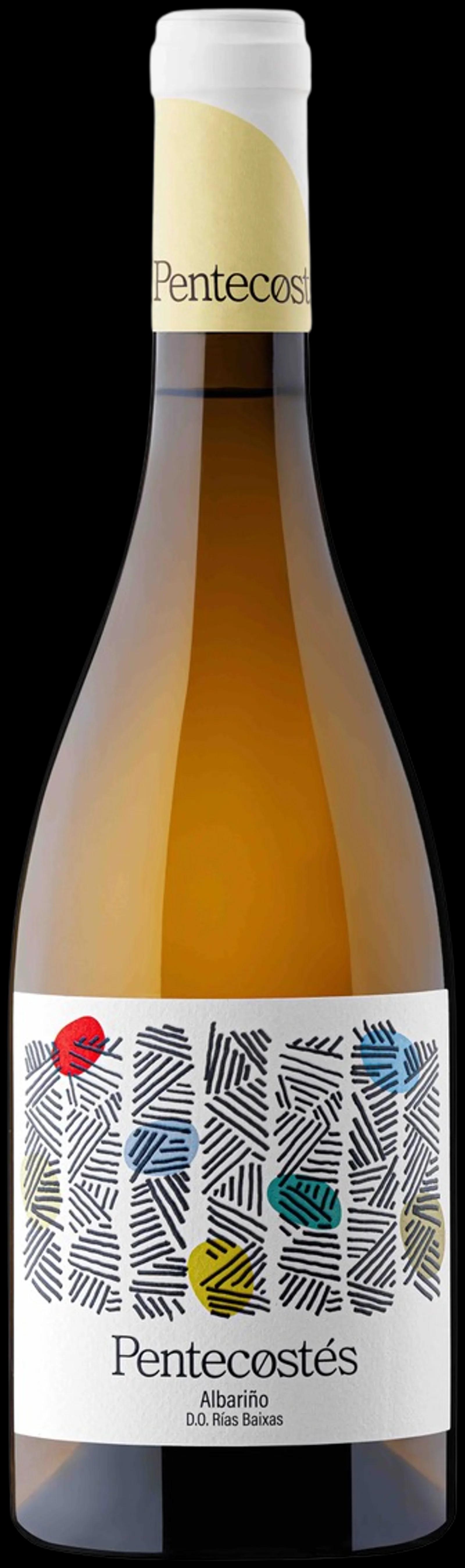
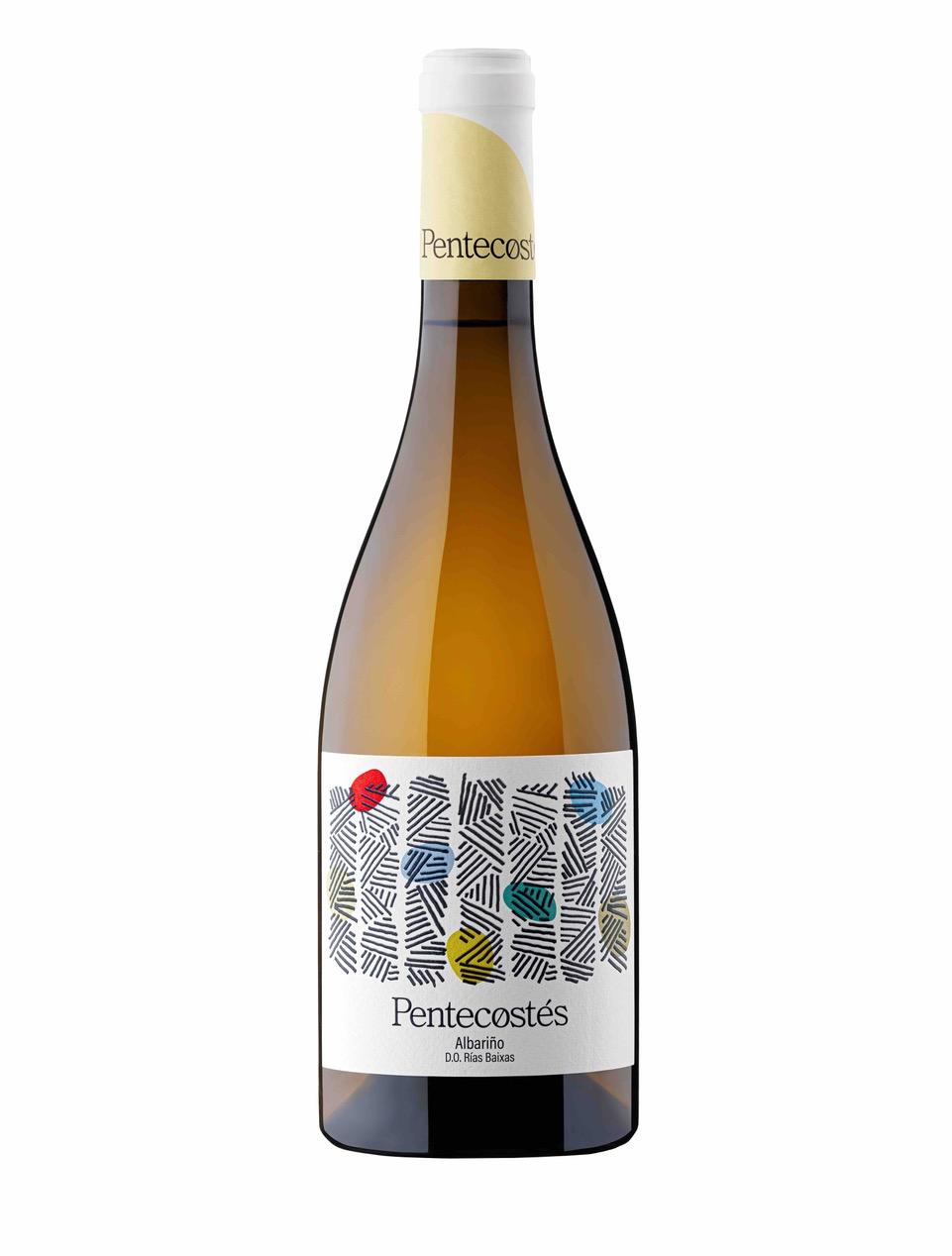
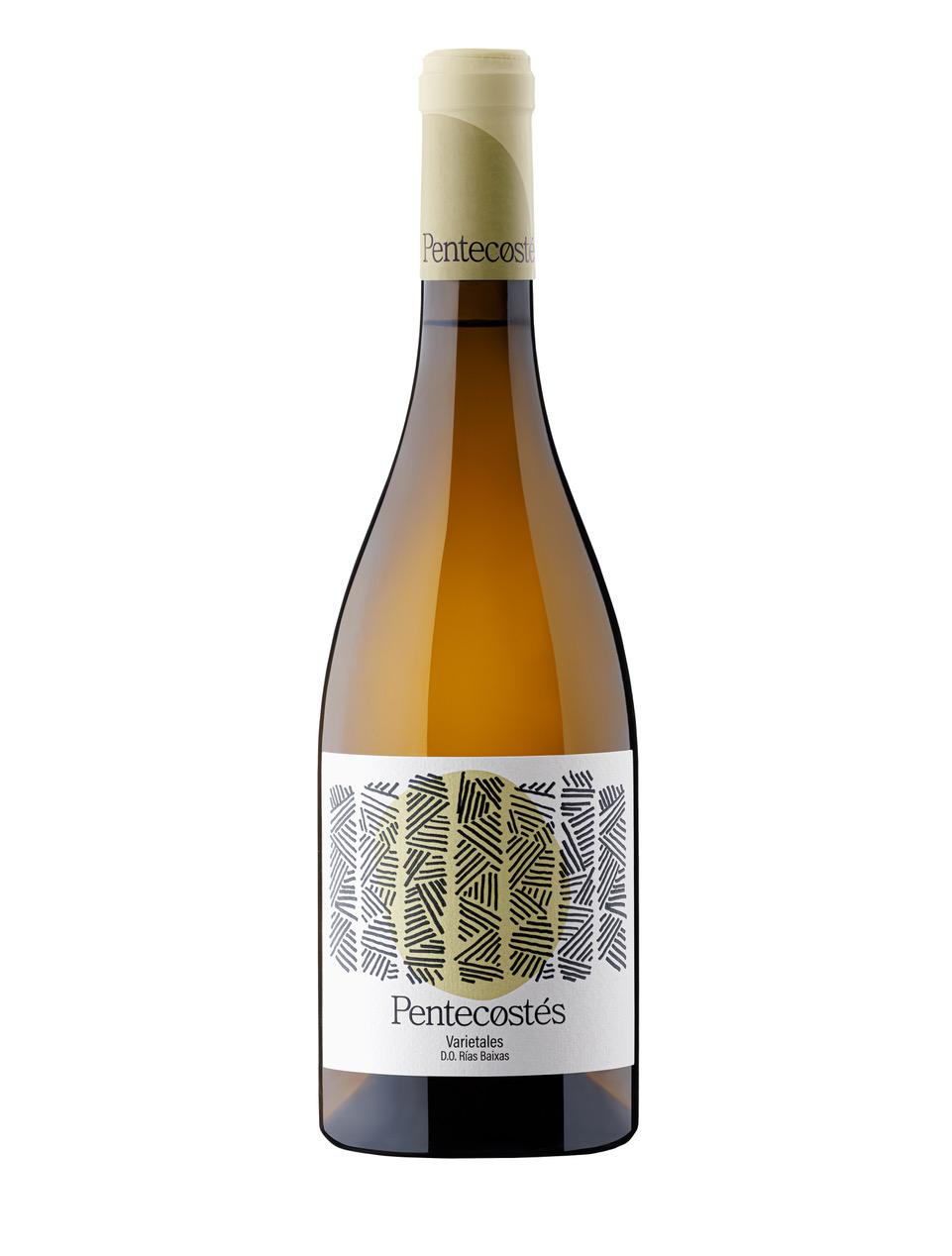
Galicia sits in Spain's wet, green northwest, separated from the rest of the country by the Cantabrian mountains and pressed up against the Atlantic coast. That geography shapes everything. Rainfall here is generous by Spanish standards, temperatures are mild, and the soils tend toward granite and schist — conditions that pull wine in a cool-climate direction even though the vineyards sit at the same latitude as parts of Portugal's Douro. The dominant grape is Albariño, best known from the Rías Baixas DO, where it produces high-acid whites with stone-fruit character and a saline edge that reflects the proximity of the Galician rías — the long coastal inlets that push the ocean influence inland. Beyond Rías Baixas, the Ribeiro DO to the east works older varieties including Treixadura, Loureira and the red Sousón and Brancellao, often blended into wines with genuine textural weight. Valdeorras, further inland and more sheltered, is the home territory of Godello, a white grape capable of rich, mineral-driven wines from steep slate vineyards above the Sil river. Ribeira Sacra, perhaps Galicia's most dramatic wine landscape, grows Mencía on terraced slopes above the Miño and Sil rivers, producing light to medium reds with dark fruit and a firm mineral finish. Galicia's wineries tend to be small and family-run, with estates often farming only a few hectares across fragmented plots. Browse Galician wineries or explore the region's wines directly.
How we choose our producers
We work directly with the growers behind the wines, which means we understand how they farm and what they charge before any bottle is listed. Producers send samples, and those samples are tasted before a wine is listed — the decision rests on what is in the glass rather than on a reputation or a label. We look for pricing that reflects the actual work in the vineyard and the cellar, without the layers added when wine passes through importers and warehouses, and we keep the relationship direct so the grower sets their own terms. Once wines are listed, independent wine experts rate and review individual bottles, building a public track record that buyers can read on the wine page. In a region like Galicia, where small-scale family estates farm fragmented plots across several distinct sub-regions, that direct relationship matters: it means the grower who farms the granite soils above the ría or the slate terraces above the Sil river is the same person shipping the bottle. We do not try to carry the full output of the region; we list wines tasted before listing, from producers we have a direct relationship with. You can also explore wine cases from Galician producers at mixboxes/spain/galicia, or look at producers working in neighbouring regions such as Rioja and Castile and León.
Winemaking traditions in Galicia
Galician winemaking has deep roots but underwent a significant transformation from the 1980s onwards, when a generation of producers shifted from bulk production to estate bottling and careful vineyard work. The result is a region that feels both rooted in tradition and technically precise. In Rías Baixas, Albariño is typically vinified in stainless steel to preserve the grape's natural acidity and aromatic lift, though some producers are now experimenting with older oak or extended lees contact to add texture. In Ribeiro, a revival of older field-blended varieties has brought renewed interest in wines that were almost lost to commercial replanting. Ribeira Sacra is defined by its heroic viticulture: terraced plots above river gorges, farmed largely by hand, where yields are low and the work is physically demanding. The Mencía grown there tends toward transparency and freshness rather than the extraction-led style more common in warmer Spanish regions. Valdeorras Godello can be made in a range of styles, from early-picked, unoaked whites with clean mineral precision to richer interpretations with barrel fermentation and extended time on the lees. Across the region, the Atlantic influence — humidity, moderate temperatures, significant rainfall — means canopy management and careful timing at harvest are central to quality. Galicia's winemaking is not uniform; each sub-region has its own logic, shaped by altitude, proximity to the coast, and the specific varieties grown there. For comparison, explore producers in Portugal's Alentejo, or look at Spanish wines by grape including Godello and Mencía.