


Independent wineries of Castile and León: growers on the high plateau

Castile and León wineries stretch across Spain's largest wine region, where Continental cold winters and hot dry summers push growers to farm with care. Browse producers working their own vineyards across the plateau.

From the limestone soils of Ribera del Duero to the granite hillsides where Mencía grows in Bierzo, the estates here are shaped by altitude and extremes.

Country

Dropdown arrow

Region (1)

Dropdown arrow

Production Volume

Dropdown arrow

Sort by

Sort arrow
Castile and Léon

Castile and León wineries

Castile and León sits on a high interior plateau, where altitude shapes everything: warm days preserve fruit, cool nights hold acidity, and a short growing season means growers rarely have the luxury of waiting. The result is wines with definition and structure, whether that is a Tempranillo from Ribera del Duero, a Verdejo from Rueda, or a Mencía from the granite slopes of Bierzo. On Free Grape Society, producers sell and ship directly from their own cellar, with no importer or warehouse in between.

Castile and Léon, Spain
OLGA VERDE VIÑADORA, Castile and Léon, Spain
Established 2020
OLGA VERDE VIÑADORA
Munskänkarnas-2026
Previous1 of 1Next

Wines from Castile and León

Several of the producers here also offer a wine case: six bottles from one cellar, composed by the grower as their own recommendation across the wines they make. A Ribera del Duero estate might use the six bottles to trace how their Tempranillo reads across different vineyard blocks, while a Rueda producer could walk you through how Verdejo expresses itself from young vines to older. Free Grape Society is a society of producers, independent experts and wine lovers, not a shop, and the cases reflect that: one producer's own selection, shipped directly from the cellar that made it.

View all wines from Castile and Léon

Castile and León wine cases

Alongside the producers, the wines of Castile and León span a wide range of styles. Ribera del Duero built its name on age-worthy reds from Tempranillo, here often labelled under its local synonym Tinto Fino. Rueda is the home of Verdejo, a white grape with texture and bite. Bierzo in the northwest brings in Atlantic influence and the aromatic red grape Mencía, grown on steep hillside terraces. Browse the full range of bottles from the region's growers at [Castile and León wines](/wines/spain/castile-and-leon).

View all mixboxes from Castile and Léon

Wine experts

Independent wine experts on Free Grape Society rate and review wines they have personally tasted, and their notes appear on the wine page and on each expert's own profile. Several of the experts below have reviewed wines from Castile and León producers. Their reviews are their own — experts assess individual bottles, not the platform's catalog.

View all wine experts

Frequently asked questions

How do I order a Castile and León wine on Free Grape Society?

Browse the wines listed on this page, add bottles to your cart and check out using Klarna or card. Payment is handled securely and delivery goes directly from the producer's cellar to your address. You do not need to create an account to order, though joining Free Grape Society is free and gives you access to wine-expert advice.

What happens if a bottle arrives broken or doesn't taste right?

Send a photo to Free Grape Society customer support within 7 days of delivery. We will arrange a replacement or a refund. Because producers ship directly, quality issues are handled with the producer's direct involvement. Shared responsibility is built into how FGS works.

Can I order wines from more than one Castile and León producer in the same order?

Yes. You can add wines from different producers to the same cart. Each producer ships from their own cellar, so wines from different estates will arrive in separate deliveries. You will see this reflected at checkout before you confirm your order.

How long does delivery take?

Average delivery is 8 to 9 days from order to door. The full range is 4 to 14 days depending on the producer's location and your delivery address. Wines ship directly from the producer's cellar, not from a central warehouse.

How do I find the right Castile and León wine for what I am looking for?

The wines on this page cover several distinct appellations. If you want a structured red built for ageing, Ribera del Duero Tempranillo is the most established starting point. For a fresh, aromatic white, Rueda Verdejo is the region's signature. If you want a recommendation tailored to a specific dish or occasion, you can put a question to an independent wine expert directly through Free Grape Society.

What is the difference between the main appellations in Castile and León?

Ribera del Duero specialises in Tinto Fino — the local name for Tempranillo — grown at altitude on the Duero plateau, producing reds with firm structure and good ageing potential. Rueda is almost exclusively white, built around Verdejo. Toro works with a thicker-skinned Tempranillo clone on sandy soils that yield concentrated, full-bodied reds. Bierzo, in the west, is the home of Mencía on granite and slate, producing lighter, more mineral reds.

Which Castile and León wine expert can recommend something for me?

Several independent wine experts on Free Grape Society have reviewed wines from Castile and León producers. You can browse expert profiles to read their reviews and track record, or fill in the advice form to send a specific question — about a grape, an appellation, a food pairing or a budget — and an expert will respond directly.

Why don't you sell supermarket-brand Castile and León wines?

Free Grape Society lists wines from independent producers who sell directly through the platform. Large commercial labels are distributed through importers, agents and retail chains — a supply chain that adds cost and distance between the grower and the buyer. The wines here come from estates that set their own prices and ship from their own cellars, which means the margin goes to the producer, not to intermediaries.

Can I buy Castile and León wines if I am not based in Spain?

Yes. Free Grape Society delivers to multiple European markets. Producers in Castile and León ship directly from their own cellar, so delivery goes across borders without passing through a local warehouse. Check the delivery information at checkout for the countries currently covered and the estimated delivery window for your address.

The producers of Castile and León

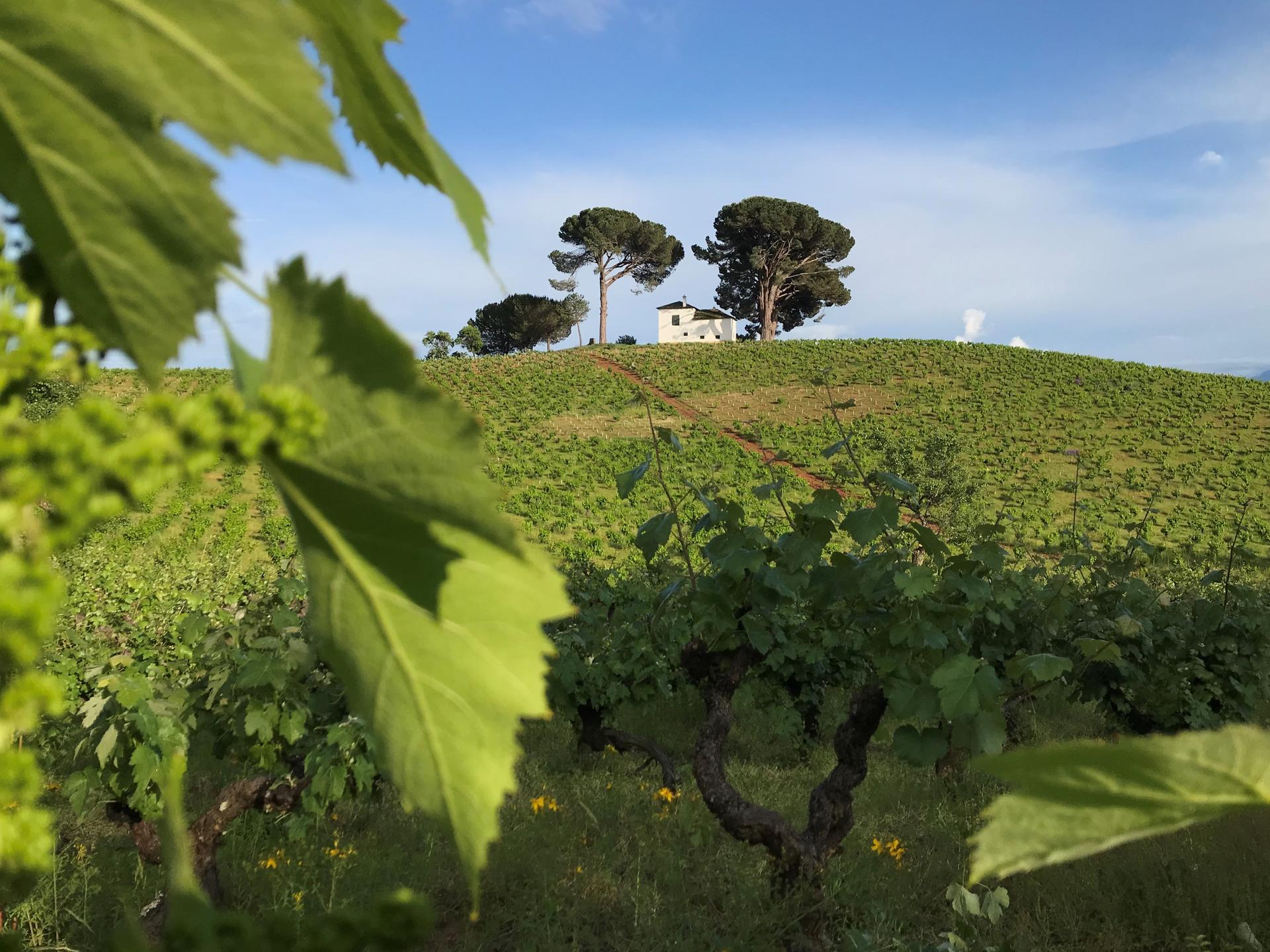
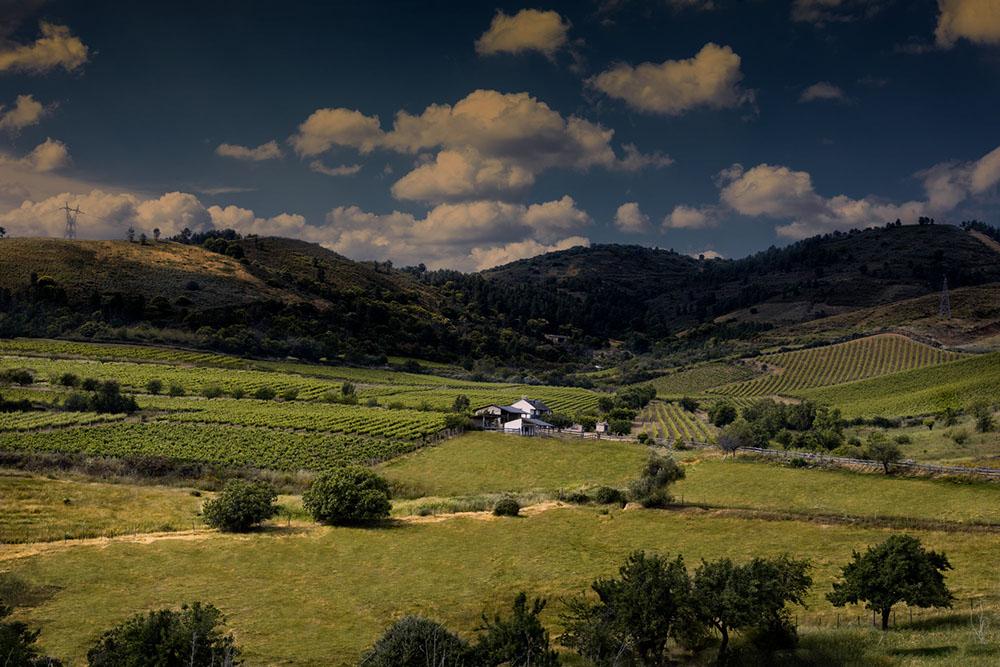
Castile and León is Spain's largest wine region by area, a high plateau stretching across the northern interior where altitude does much of the work a cooler climate does elsewhere. Vineyards here sit mostly between 700 and 900 metres above sea level, which slows ripening and preserves the natural acidity that gives the wines their structure. The dominant grape is Tempranillo, known locally as Tinto Fino or Tinta del País, a variety that has adapted over centuries to the extreme conditions of the meseta — baking summers and winters cold enough to freeze pipes. Around it sits a broader cast: Verdejo in Rueda, Godello pushing into the northwest corners of the region, Mencía in the far west, and Garnacha holding on in older vineyards. The producers listed here are independent estates, most of them family-run, farming their own vines and making their own decisions about when to pick and how long to age. For the full picture of what they produce, the Castile and León wines page shows the range of bottles currently available.

How we choose our producers

We work directly with the growers behind the wines, which means getting to know how they farm and what they charge before anything is listed. Producers send samples, and those samples are tasted before a wine is listed — the decision rests on what is in the glass, not on a label or a reputation. We look for pricing that reflects the work in the vineyard without the mark-ups that importers and warehouses typically add, and we keep the relationship direct so each producer sets their own terms and ships from their own cellar. Once wines are listed, independent wine experts rate and review individual bottles, building a public track record that buyers can read on the wine page. We do not aim to carry the full output of a region: we list wines tasted before listing, from producers we have a direct relationship with. That is what makes the connection between the grower and the buyer real rather than nominal.

Winemaking traditions in Castile and León

The region's winemaking history is long and contested. Ribera del Duero spent much of the twentieth century in obscurity before a handful of estates drew international attention in the 1980s and the DO was formally established in 1982. Rueda's history runs deeper still — its white wines were traded across Castile for centuries, though the modern appellation, granted in 1980, shifted focus toward fresh, aromatic Verdejo rather than the oxidised styles that once defined it. Bierzo in the west sits apart from both: it is cooler and greener, closer in feel to Galicia than to the central plateau, and its Mencía-based reds carry a lighter, more aromatic character than Tempranillo-dominant Ribera. Across the region, older vine material matters. Many estates farm pre-phylloxera or ungrafted vines on sandy soils, particularly in areas like Cebreros and parts of Toro, and yields from these old plots are low enough that the resulting wines are made in small quantities. The Spanish wineries page lists producers from across Spain's other regions, and the Castile and León wine cases page shows which estates have composed a six-bottle selection for those who want to explore one grower's range in a single order.