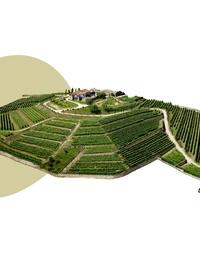
Albariño country: wines from Galicia's Atlantic coast

Galicia wine is built on the tension between the sea and the mountains. Browse bottles from independent producers working the region's wet, windswept vineyards.

Green hills, granite soils and the cold waters of the Rías Baixas shape a style found nowhere else in Spain.

Color

Dropdown arrow

Type

Dropdown arrow

Country

Dropdown arrow

Region (1)

Dropdown arrow

Grape

Dropdown arrow

Pairing

Dropdown arrow

Sort by

Sort arrow
Galicia

Galician wines

Galicia sits in Spain's north-west corner, where the climate is closer to the wet Atlantic seaboard than to the dry Castilian plateau. The dominant grape is Albariño, grown on granite and slate in Rías Baixas, producing high-acid whites with a saline finish that pairs naturally with the region's seafood. Further inland, Ribeira Sacra's steep river terraces grow Mencía, a red that tastes of the altitude and the schist it is grown on. On Free Grape Society, producers ship directly from their own cellar, with no importer or warehouse in between.

Previous1 of 1Next

Wine experts

Independent wine experts rate and review wines they have personally tasted. Their notes appear on the wine page and on the expert's own profile, building a public record of what they have tried. Several of the experts here have reviewed Galician wines and can be asked directly for a recommendation.

View all wine experts

Frequently asked questions

How do I order a Galicia wine case?

Browse the cases on this page and add one to your cart. Each case contains six bottles from a single Galician producer. Once your order is placed, the producer packs and ships it directly from their cellar. Delivery typically takes between 4 and 14 days, and shipping is free.

What happens if a bottle arrives broken or doesn't taste right?

Send a photo to Free Grape Society customer support within 7 days of delivery. We will arrange a replacement or a refund. Because producers ship directly, quality issues are handled with the producer's direct involvement. Shared responsibility is built into how FGS works.

What is included in a Galicia wine case?

Each case contains exactly six bottles selected by the producer themselves — their own recommendation across the wines they make. The producer decides the line-up, so the case might span different grapes, different parcels, or a mix of vintages, depending on what they want to show.

How long does delivery take?

Average delivery is 8 to 9 days from order to door. The full range is 4 to 14 days depending on the producer's location and your delivery address. Wines ship directly from the producer's cellar, not from a central warehouse.

How do I choose the right Galicia wine case for me?

Read the producer's own description of the case alongside the wines it includes. If you prefer whites, look for cases built around Albariño or Godello from the coastal sub-regions. For reds, cases featuring Mencía from Ribeira Sacra tend toward lighter, more mineral styles. Expert reviews on individual wines can also help narrow the choice.

Can I find a case from a specific Galician sub-region, such as Rías Baixas or Ribeira Sacra?

The cases on this page come from producers across Galicia's sub-regions. Check each producer's profile to see where their vineyards sit. You can also browse individual bottles by sub-region on the [Galician wines](/wines/spain/galicia) page if you want to explore a specific area before committing to a case.

Which Galicia wine expert can recommend something for me?

The independent wine experts listed on this page have rated and reviewed wines from Galician producers. Browse their profiles to read their notes, or use the ask-an-expert form to put a specific question to one of them directly.

Why are Galicia wine cases always 6 bottles from one producer?

Because the case is the producer's own recommendation, not a sampler blended across estates. Six bottles from one grower gives you a coherent view of how that producer works — which grapes they favour, how their different plots taste, and what they think represents them best. Mixing producers would dissolve that point of view.

Can I buy Galician wine cases if I'm used to buying from a local wine shop?

Yes. The main difference is that the case ships directly from the producer's cellar in Galicia rather than passing through a distributor or retailer. That means the grower sets the price and packs the order themselves, and you receive what they made without an intermediary adding a margin along the way.

Understanding Galicia's grapes and appellations

Galicia sits in Spain's north-western corner, where the Atlantic shapes almost everything about the wines. Rainfall here is some of the highest in Spain, the soils are largely granite, and the canopy management system of choice — tall pergola trellises called parrales — lifts the vines above the humid ground to keep the fruit dry. Those conditions favour white varieties above all, and Albariño dominates, but the region is far more varied than a single grape. Galicia has five Denominaciones de Origen: Rías Baixas on the coast, where Albariño accounts for the vast majority of plantings; Ribeiro further inland, where Treixadura and Godello share the floor with Albariño; Ribeira Sacra, a dramatically steep, terraced region along the Sil and Miño rivers where Mencía produces some of Spain's most elegant reds; Monterrei, in the south-east near the Portuguese border, with a drier, more continental feel; and Valdeorras, the stronghold of Godello, a white variety capable of considerable depth and age. Each appellation reads differently, and moving across them is really moving through five distinct climates.

Mencía and the case for Galician red wine

Galicia's reputation rests on its whites, which means its reds are frequently overlooked — and frequently good value as a result. Mencía is the grape to know. It produces thin-skinned, aromatic reds with firm acidity and a savoury, mineral quality that owes a great deal to the granite soils and altitude of Ribeira Sacra and Valdeorras. The best examples have more in common with northern Burgundy than with the fuller, warmer reds of central Spain. Yields in Ribeira Sacra are kept low by the sheer difficulty of working near-vertical terraced vineyards by hand, which concentrates flavour without forcing weight. Garnacha also appears in the region, planted at higher elevations, though it is far less prominent than Mencía. For anyone who associates Spanish red wine with oak-driven warmth, a Galician red from a granite hillside is a useful corrective.

How to choose a Galicia wine

The most useful first question is whether you want something from the coast or from inland. Coastal Rías Baixas Albariño tends to be brisk, aromatic and saline — built for seafood, particularly shellfish and the region's famous octopus. Moving inland to Ribeiro or Valdeorras, the whites grow richer and more textured, with Godello in particular capable of a fuller body and longer finish. For reds, Ribeira Sacra is the natural starting point: the terraced vineyards produce Mencía that is light-bodied enough to serve slightly cool, which pairs well with the same seafood-forward cuisine as the whites. Monterrei, drier and more sheltered, produces wines in all colours that feel closer to neighbouring Portugal than to the Atlantic coast twenty miles west. Independent wine experts on Free Grape Society rate and review wines they have personally tasted, and those reviews are visible on each wine page — a useful reference when navigating a region with this much internal variety. You can also browse Galicia wine cases from individual producers or explore the producers working the region directly.