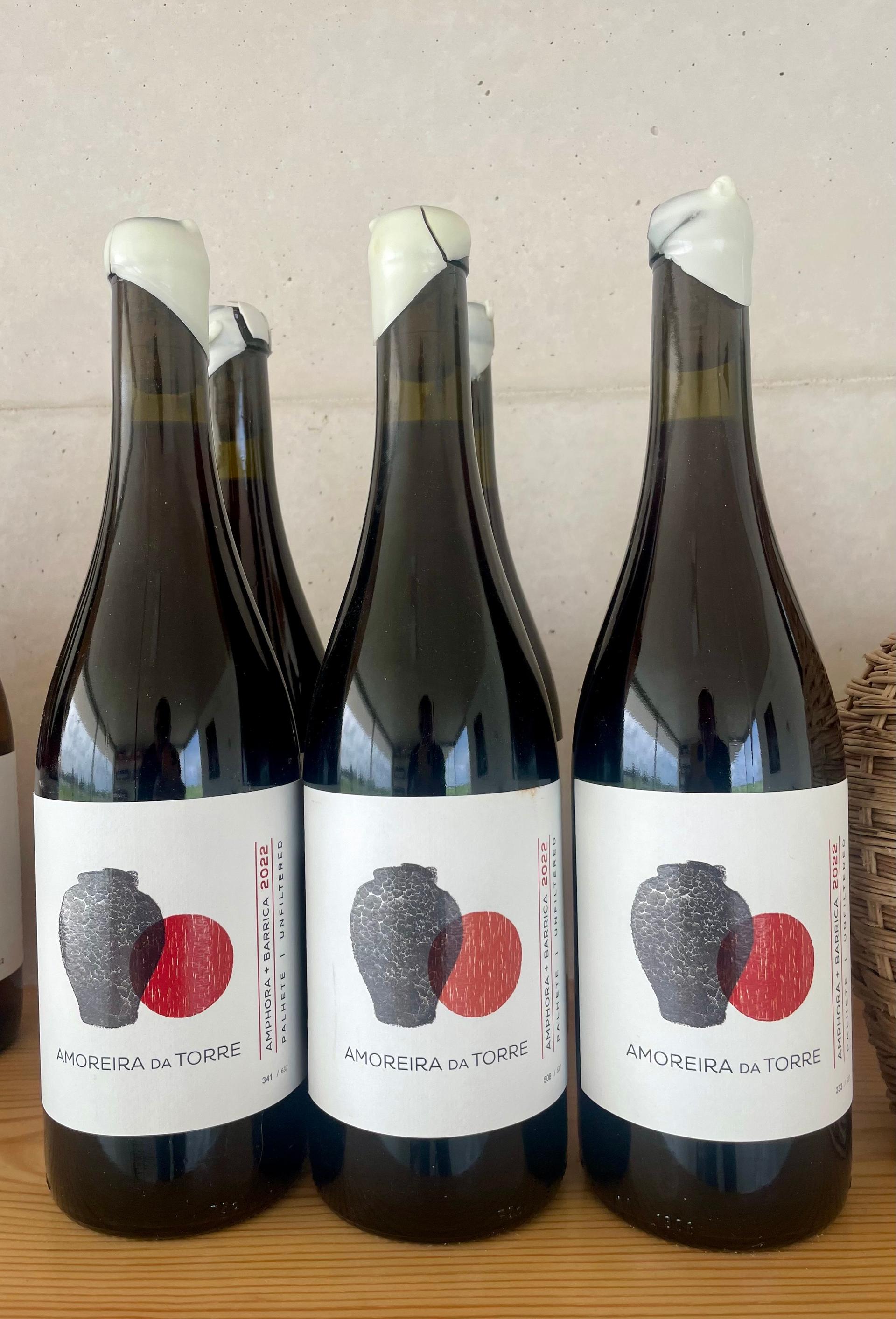
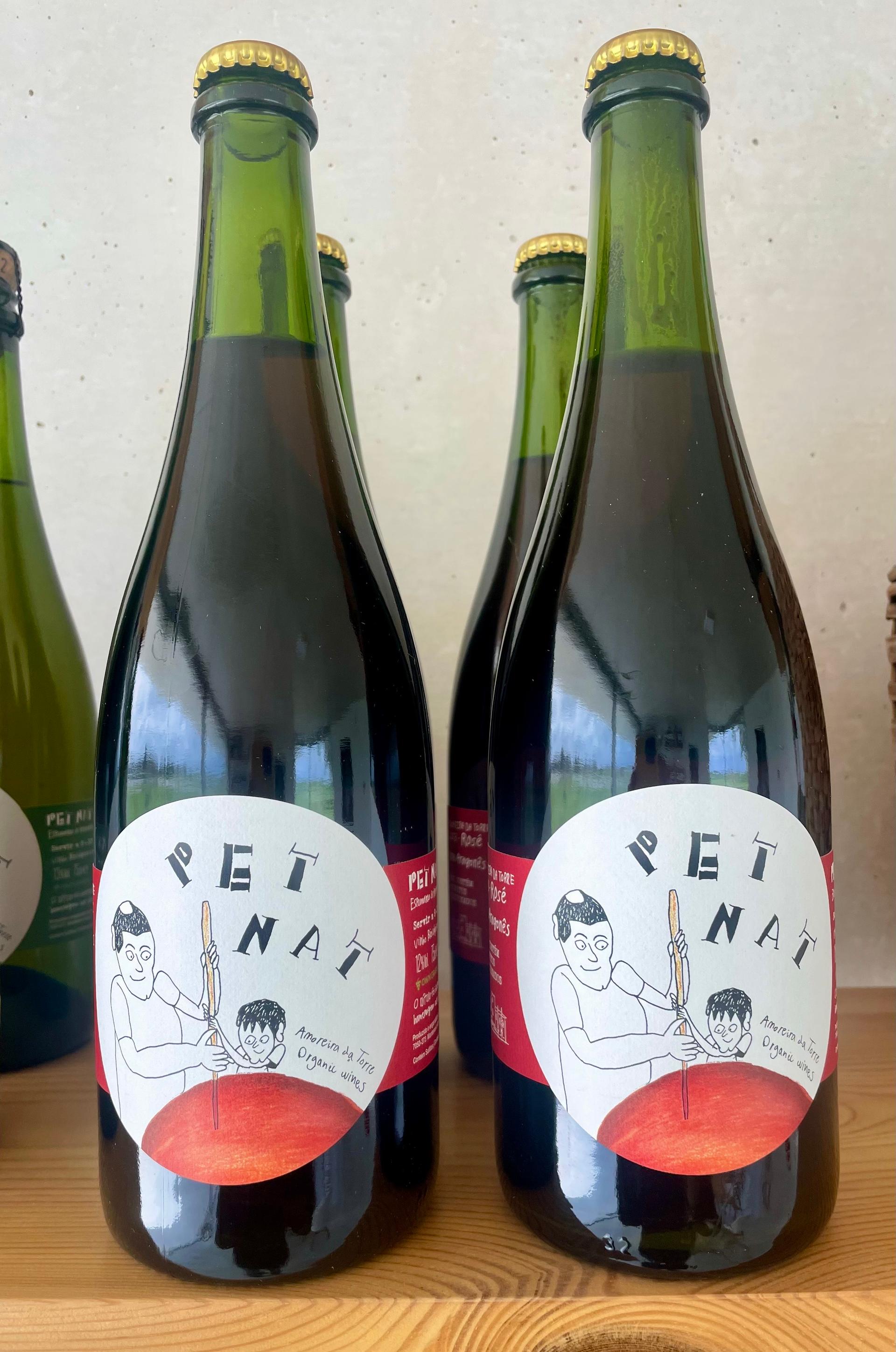
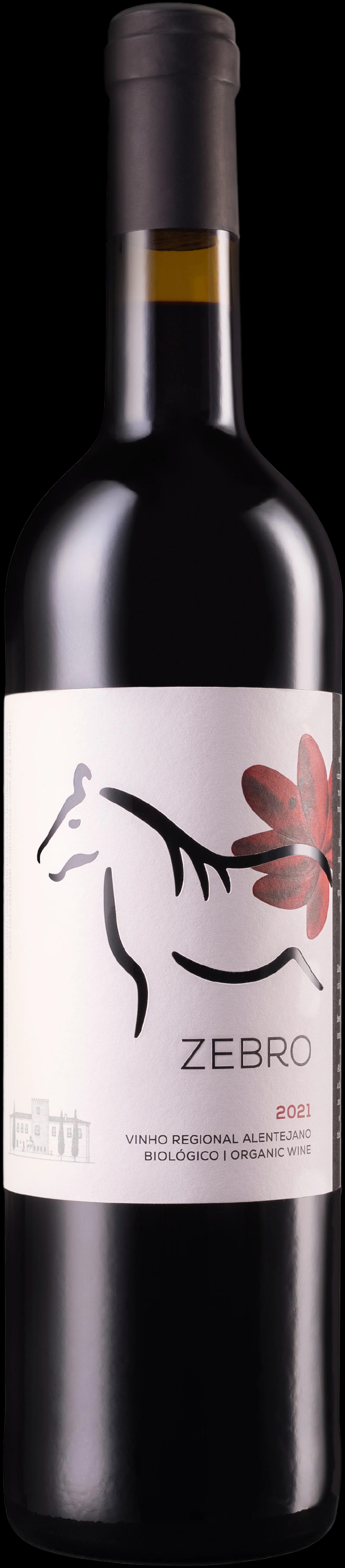
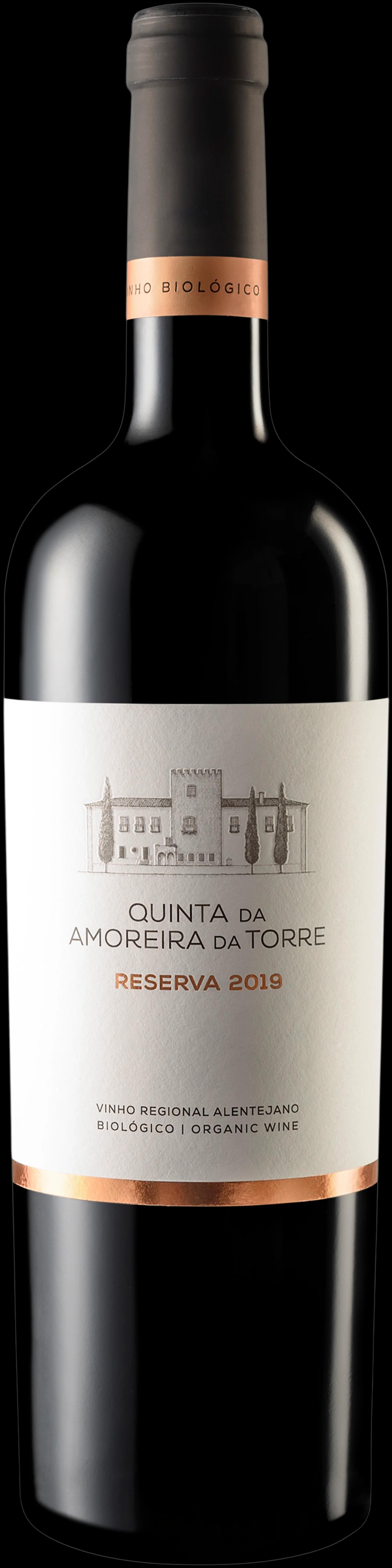
Independent wine producers of the Alentejo

Alentejo wineries range from generations-old herdades working the region's open plains to smaller producers farming indigenous grapes on the schist and granite soils of the Portalegre hills. Browse the independent producers listed on Free Grape Society.

From vast cork-studded plains to family estates farming Aragonez and Alicante Bouschet across Portugal's largest wine region.

Country

Dropdown arrow

Region (1)

Dropdown arrow

Production Volume

Dropdown arrow

Sort by

Sort arrow
Alentejo

Alentejo wineries

The Alentejo stretches across roughly a third of Portugal, and the producers working it are as varied as the landscape. Some farm hundreds of hectares on the open plains of Évora and Reguengos de Monsaraz, where the heat pushes grapes like Aragonez and Trincadeira to full ripeness; others work smaller parcels in the cooler subregion of Portalegre, where altitude and granite soils temper the climate and give the wines a different kind of structure. On Free Grape Society, producers sell and ship directly from their own cellar, with no importer or warehouse in between.

Alentejo wines

Several of the Alentejo's independent producers also offer a wine case: six bottles from their own cellar, selected as a single recommendation rather than drawn from multiple estates. For a region with this much variety across its subregions and grape varieties, a producer's own six-bottle selection is a direct way to understand how one estate reads its own range. Free Grape Society is a society of producers, independent experts and wine lovers, not a shop, and the cases reflect that.

View all wines from Alentejo

Alentejo wine cases

The individual wines from Alentejo producers cover the region's full spectrum — from the ripe, structured reds built on Aragonez, Alicante Bouschet and Trincadeira to the fresh whites made from Antão Vaz, Arinto and Roupeiro. Portalegre sits apart from the rest, its higher elevation producing reds with noticeably more tension. Browse the bottles from the producers listed here on the Alentejo wines page.

View all mixboxes from Alentejo

Wine experts

Independent wine experts on Free Grape Society rate and review wines they have personally tasted, and their notes appear on individual wine pages and on each expert's own profile. Reviews build up over time, so you can read an expert's track record before following any recommendation. Several of the experts active on the platform have reviewed Alentejo wines.

View all wine experts

Frequently asked questions

How do I order an Alentejo wine case?

Choose a case from a producer whose range interests you and add it to your cart. Each case contains six bottles from that single estate. Checkout is handled securely via Klarna or card, and the producer ships directly from their cellar. Delivery typically takes between 4 and 14 days.

What happens if a bottle arrives broken or doesn't taste right?

Send a photo to Free Grape Society customer support within 7 days of delivery. We will arrange a replacement or a refund. Because producers ship directly, quality issues are handled with the producer's direct involvement. Shared responsibility is built into how FGS works.

What arrives when I order an Alentejo wine case?

You receive six bottles composed by the producer themselves — their own recommendation across the wines they make. The selection stays within one estate, so the six bottles reflect a single grower's range and judgment rather than a mixed assortment from different producers.

How long does delivery take?

Average delivery is 8 to 9 days from order to door. The full range is 4 to 14 days depending on the producer's location and your delivery address. Wines ship directly from the producer's cellar, not from a central warehouse.

How do I find the right Alentejo wine case for me?

Start with what you already know you like: if you prefer structured reds, look for producers who lead with Aragonez or Alicante Bouschet; if you want fresher whites, look for estates in cooler sub-regions like Évora. Each producer page tells you about the grower and their approach, which gives you a feel for whether their six-bottle selection suits your palate.

Why does each case come from just one producer?

Because the case is the producer's own recommendation — six bottles they have chosen to represent their work. Keeping it to one estate means the selection has a point of view: you are tasting how one grower reads their own vineyards, not a generic sampler assembled from different cellars.

Which Alentejo wine expert can recommend something for me?

Several independent wine experts on Free Grape Society have reviewed wines from Alentejo producers. You can browse their notes on individual wine pages or visit an expert's profile to see their full review history and reach out with a question.

Why are Alentejo wine cases always 6 bottles from one producer?

Six bottles from one estate is the format because the case is meant to be the producer's own recommendation — a deliberate selection that shows how one grower works across their range. Mixing wines from different estates would remove that single voice and make the case something the producer never actually composed.

Can I buy Alentejo wine cases in a regular wine shop?

A producer-composed case of six bottles shipped directly from the estate is specific to how Free Grape Society works. In retail, wines from Alentejo typically pass through importers and distributors before reaching the shelf, which means the grower's own selection and direct pricing are not part of the offer.

The producers of Alentejo

Alentejo sits in the warm, rolling plains of southern Portugal, east of Lisbon and stretching toward the Spanish border. It is a large region, and its producers range from long-established family estates that have farmed the same land for generations to smaller growers who have spent recent decades refining what the region can do with its native grapes. Aragonez, the local name for Tempranillo, and Trincadeira are the workhorses of the red wines here, while Antão Vaz anchors many of the whites. The heat is significant, and the best producers manage it through site selection, night harvesting, and careful work in the cellar. The result tends toward ripe, structured reds with real density, alongside whites that hold more freshness than the climate might suggest. Alentejo also sits at the heart of Portugal's cork industry, and many of the estates here have cork oak forests alongside their vineyards. Browsing the Alentejo wineries on Free Grape Society gives a sense of how varied the region is, from large herdades to tighter family operations, each with their own reading of the same sun-baked landscape. You can also explore producers from the wider Portugal wine range or look at other Portuguese wine cases if you want to taste across more than one estate.

How we choose our producers

We work directly with the growers behind the wines, which means getting to know how they farm and what they charge before anything is listed. Producers send samples, and those samples are tasted before a wine is listed, so the decision rests on what is in the glass rather than on a label or a regional reputation. In Alentejo, that matters: the region produces a large volume of wine, and quality varies considerably across its sub-regions, from the cooler hills of Portalegre in the north to the flatter, hotter plains further south. We look for pricing that reflects the work in the vineyard and cellar without the mark-ups that importers and warehouses typically add, and we keep the relationship direct so the producer sets their own terms. Once a wine is listed, independent wine experts rate and review individual bottles, building a public track record that buyers can read on the wine page. We do not aim to carry the full output of every Alentejo estate: we list wines tasted before listing, from producers we have a direct relationship with, which keeps the selection honest.

Winemaking traditions in Alentejo

Alentejo has its own winemaking history that predates the modern Portuguese wine industry by centuries, though the region's international profile is more recent. For a long time, the dominant tradition was co-operative winemaking, with smallholders delivering grapes to a central winery rather than bottling under their own names. That changed significantly from the 1980s onward, when private estates began investing in temperature-controlled fermentation and the region's potential for quality red wine became clearer. Today the two traditions sit alongside each other. Larger herdades with their own facilities produce wines across several ranges, while smaller producers focus on fewer labels and greater precision. The native grapes remain central: Trincadeira brings spice and dark fruit but needs careful handling in hot years, while Aragonez adds structure and is more forgiving in drought conditions. For white wine, Antão Vaz is increasingly handled to preserve freshness, sometimes fermented at low temperature or with skin contact to add texture. Alentejo has also become one of Portugal's more active regions for organic wine work, with a number of producers moving toward certified organic or biodynamic farming across their vineyards. You can find producers from neighbouring regions including Galicia and explore further across Iberia if you want to compare how the peninsula's southern producers approach similar conditions from different soil and altitude.