Where Grüner Veltliner grows and how it expresses itself
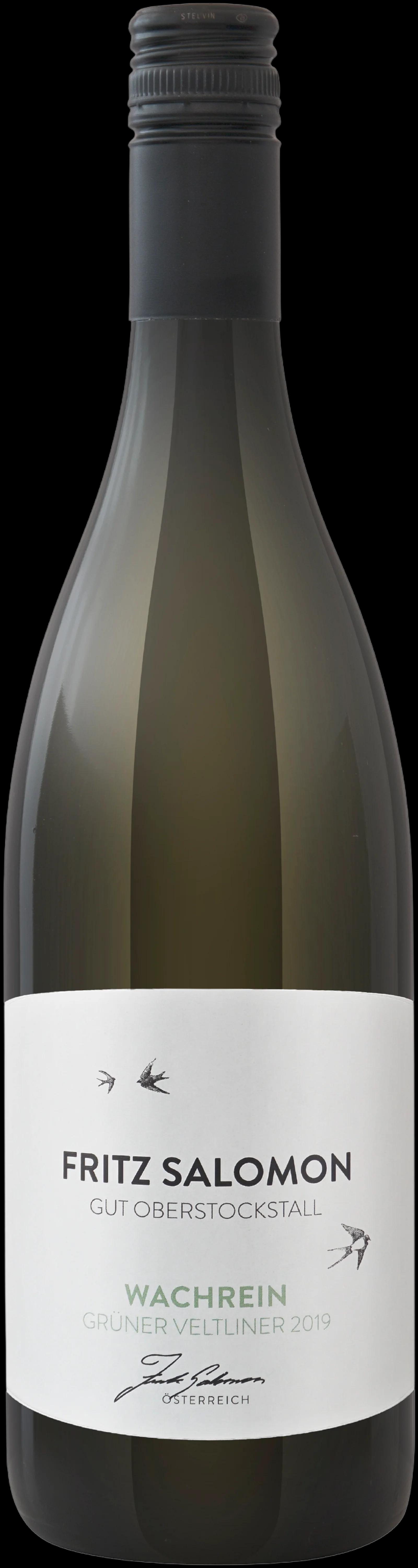
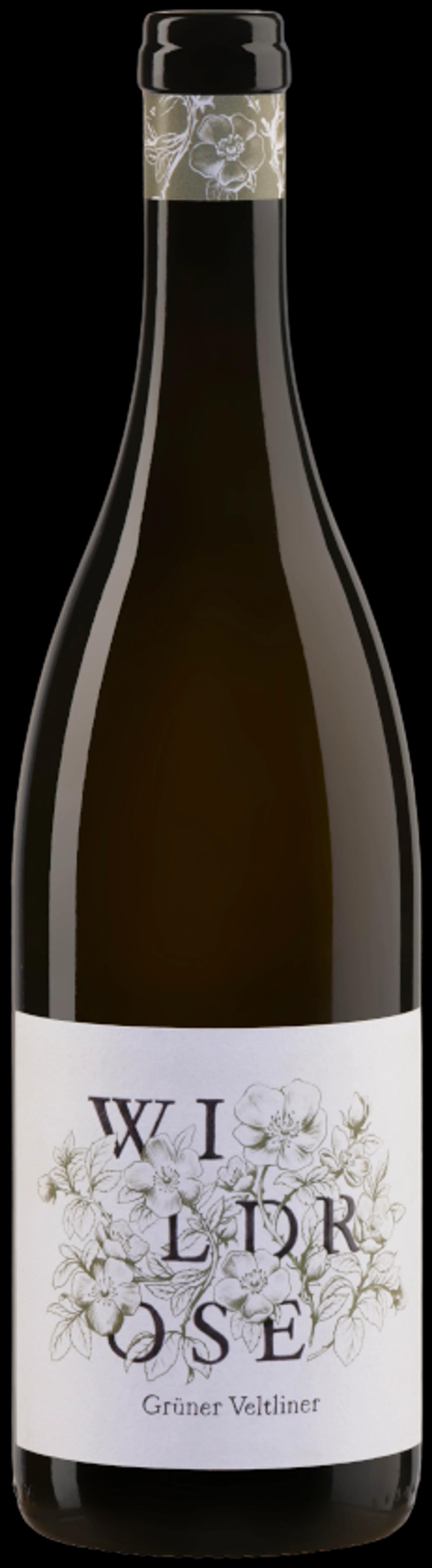
Grüner Veltliner is Austria's signature white grape, and Austria accounts for roughly three-quarters of all plantings worldwide. The grape is concentrated in Niederösterreich, which contains the Wachau, Kamptal, Kremstal, and Wagram growing areas. Each of these zones produces a recognisably different wine from the same variety: Wachau Smaragd bottlings are full-bodied and built to age, while Kamptal and Kremstal examples tend toward precise mineral structure with higher natural acidity. Wagram, with its deep loess soils, produces broader, sometimes richer styles. Outside Niederösterreich, Burgenland and Steiermark contribute smaller volumes, often with a lighter, more aromatic profile. The grape is planted in smaller quantities in the Czech Republic — particularly in Moravia — and in isolated pockets across Germany and Slovakia, but these plantings are marginal relative to Austria. Grüner Veltliner's defining flavour markers are white pepper (a compound called rotundone, which it shares with Syrah), green herbs, citrus pith, and a backbone of firm acidity that keeps even richer styles from feeling heavy. The pepper note is most pronounced in wines from rocky, crystalline soils rather than from loess.
How Grüner Veltliner is vinified
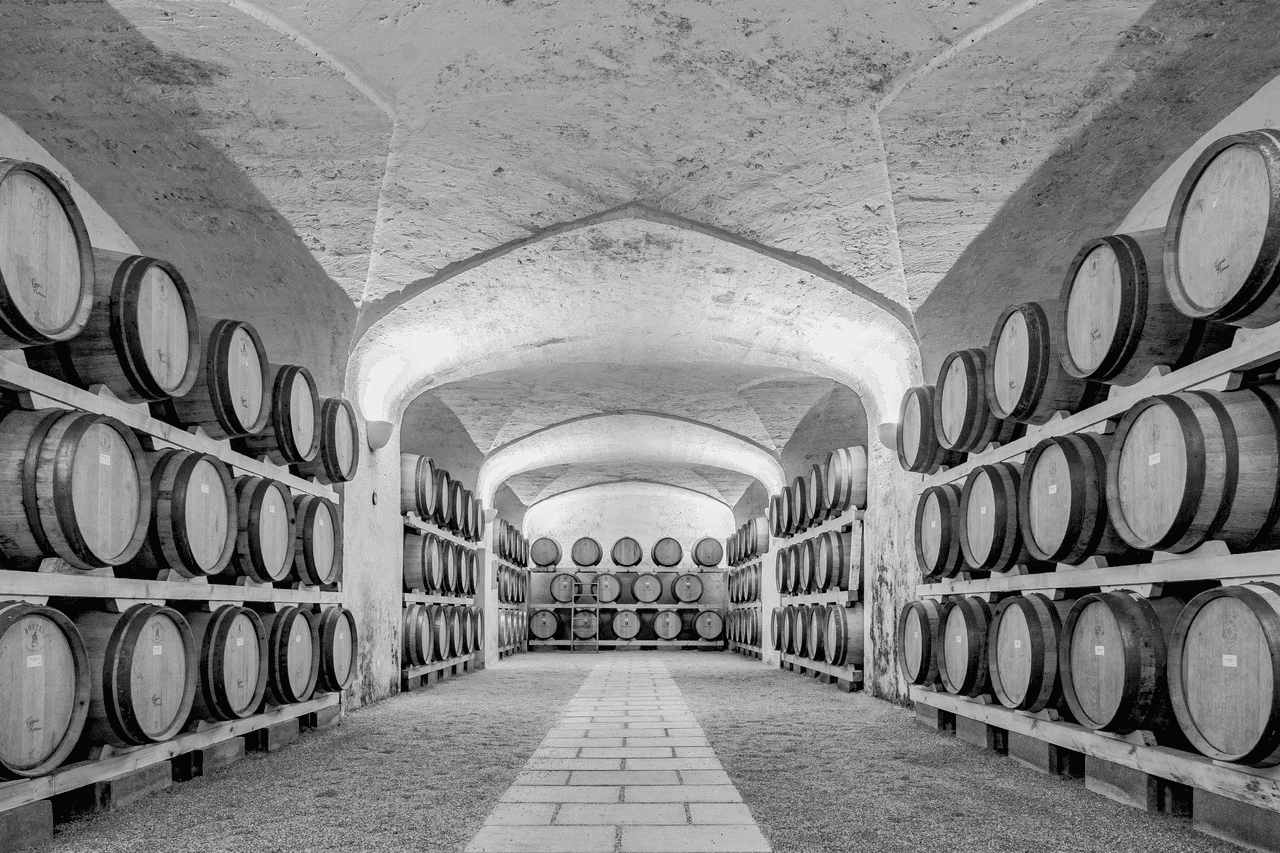
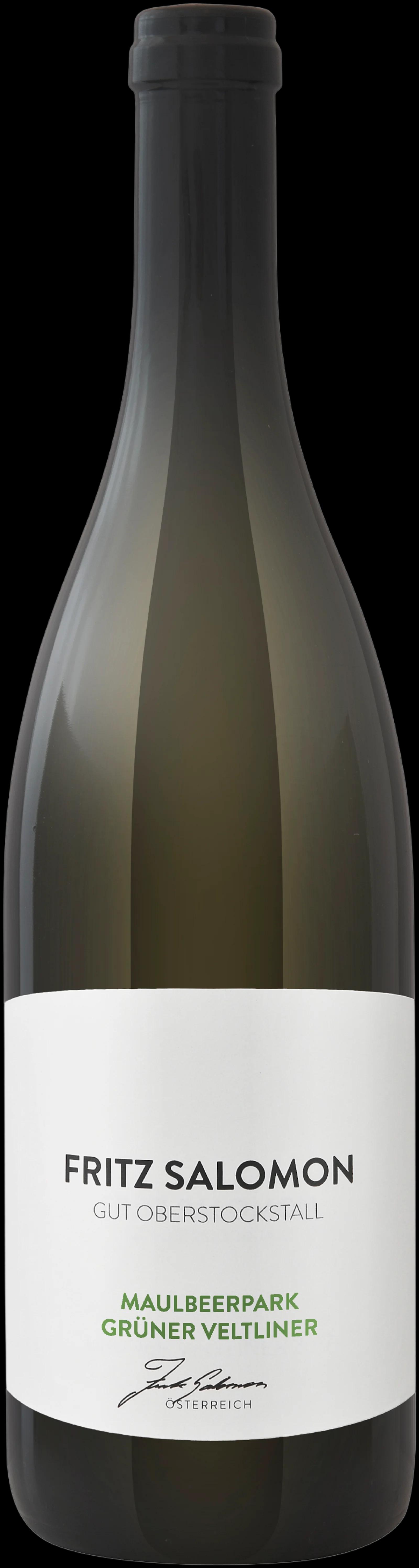
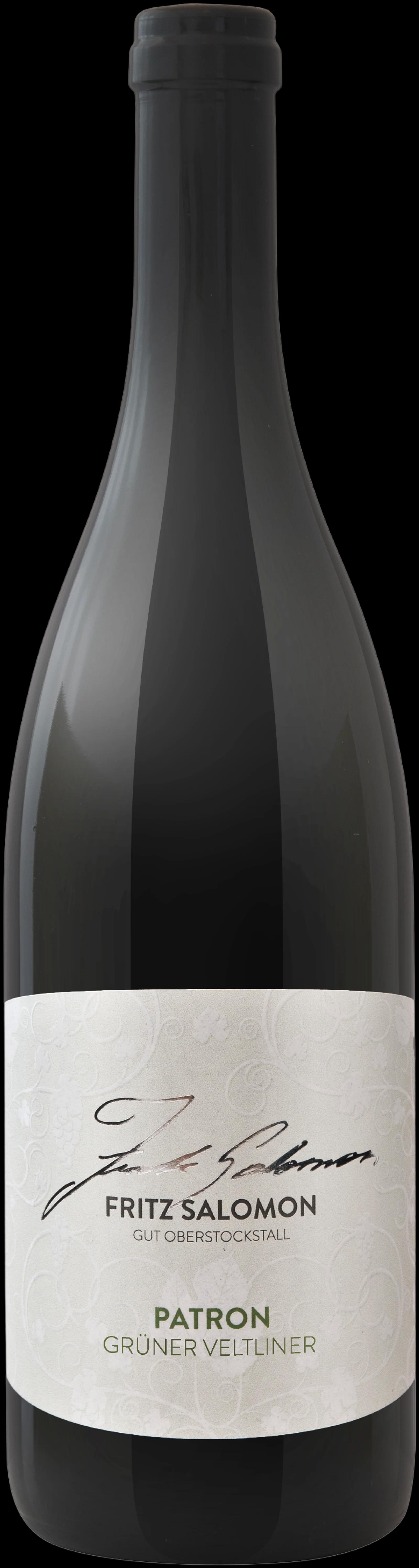
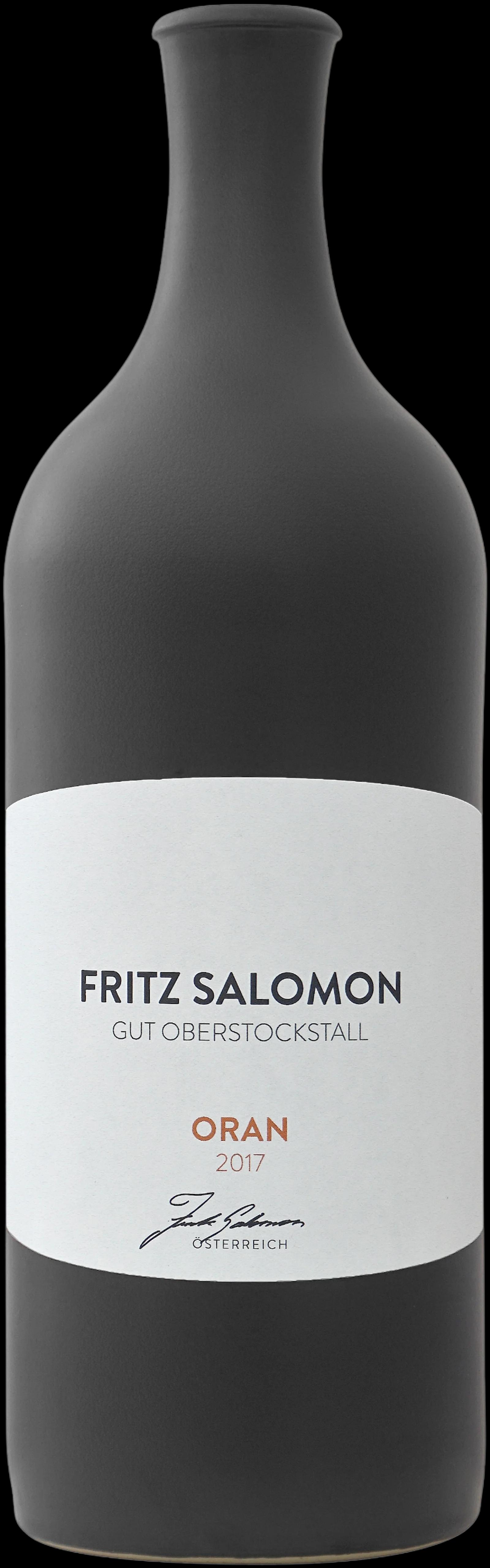
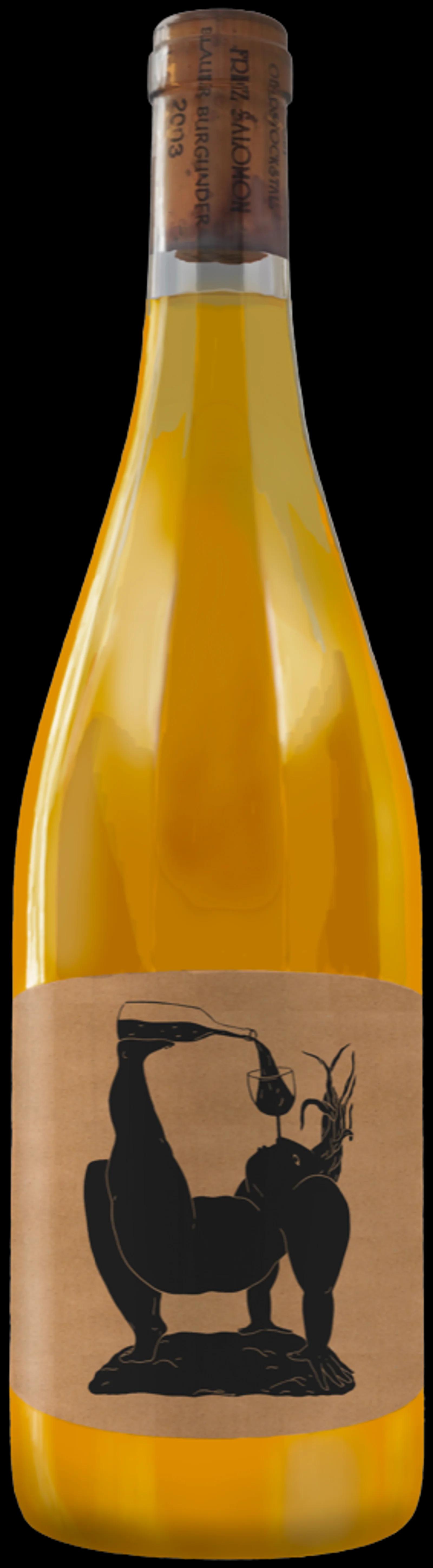
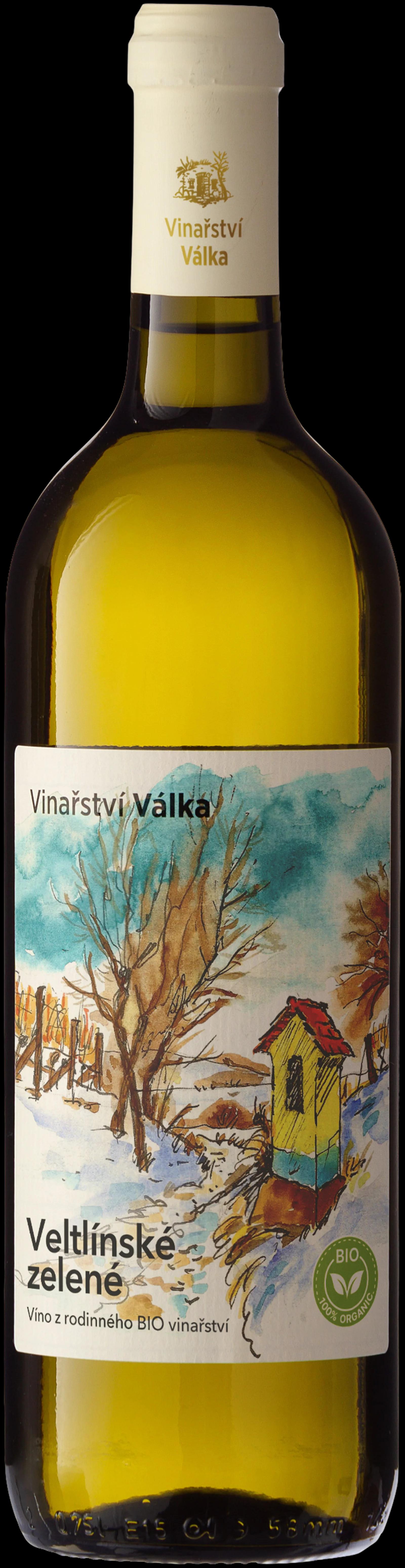
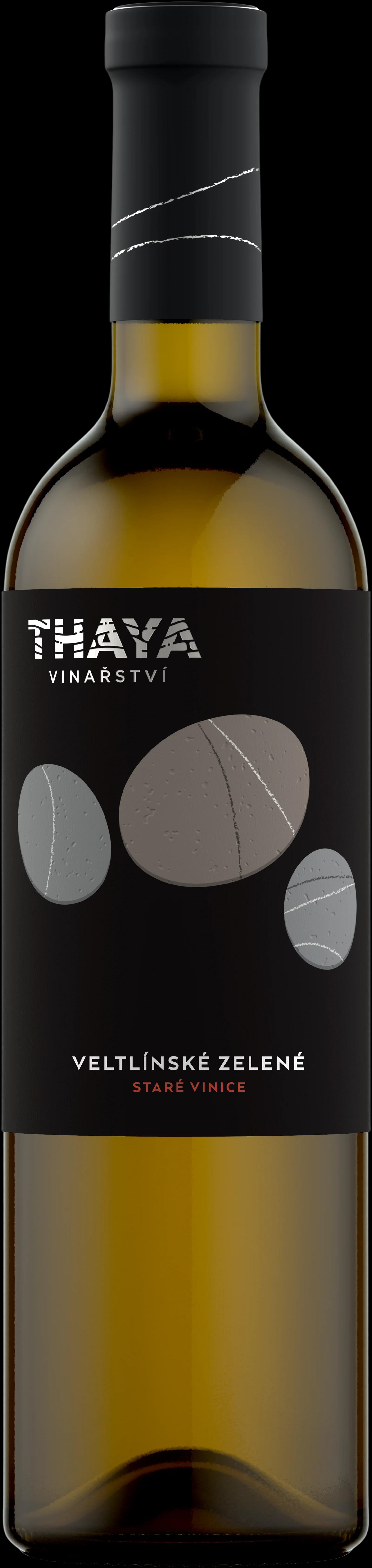
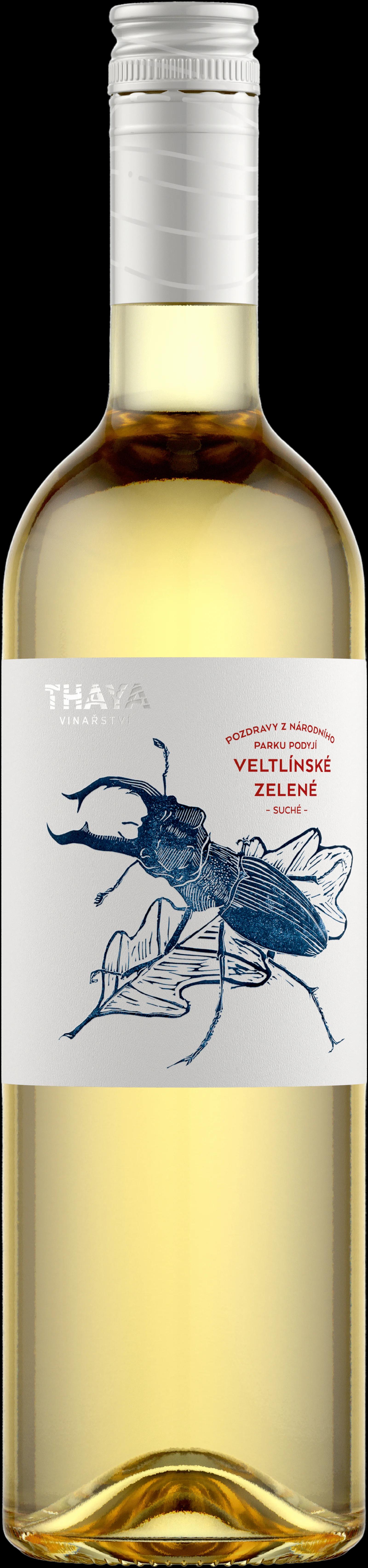
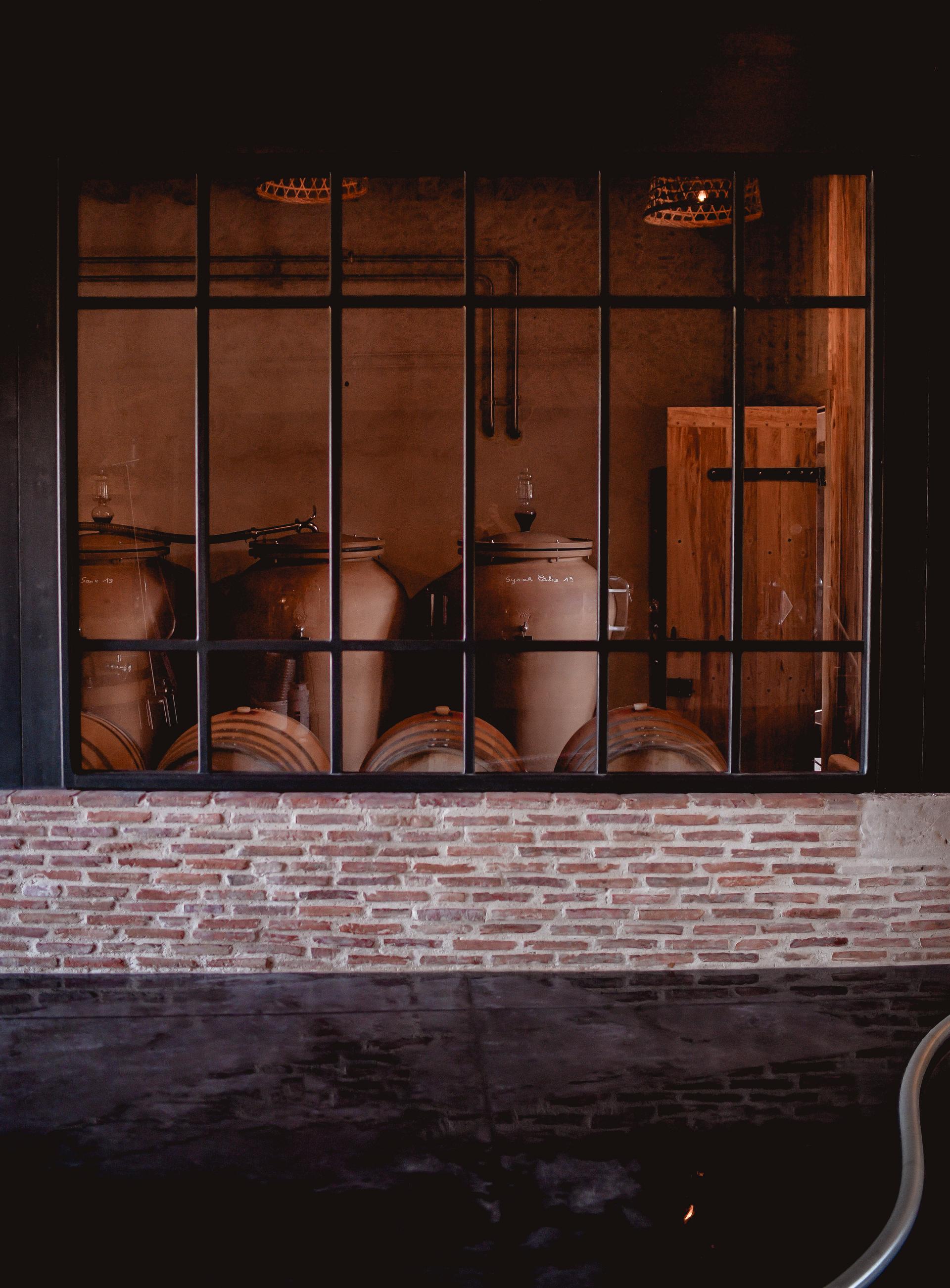
Most Grüner Veltliner is fermented in stainless steel or large neutral oak to preserve the grape's characteristic freshness and aromatic precision. Producers who work with Smaragd or single-vineyard classifications — the Erste Lage and Grosse Lage designations introduced by the Traditionsweingüter association — often use large old oak casks, called Stückfass, for extended maturation without adding oak flavour. Skin contact is practised by a small number of producers in Austria and in Czech Republic, producing orange-style Grüner Veltliner with tannin structure and deeper texture, though this remains a minority expression. Harvest timing is a significant stylistic lever: earlier-picked fruit yields leaner, crisper wines, while grapes harvested later — particularly in Smaragd ripeness — produce wines with the weight to evolve over a decade or more. Residual sugar is rare in quality-tier Grüner Veltliner; the category is predominantly dry. Producers who bottle under their own name and control their own harvest decisions are best placed to express site character, which is why the wines listed here come from estates that manage their own production from vine to bottle.
Reading a Grüner Veltliner label
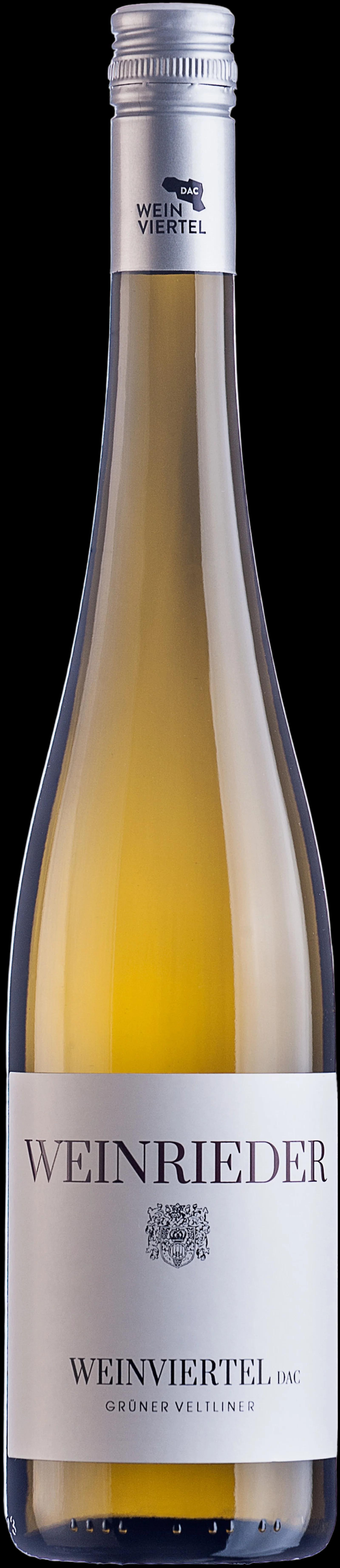
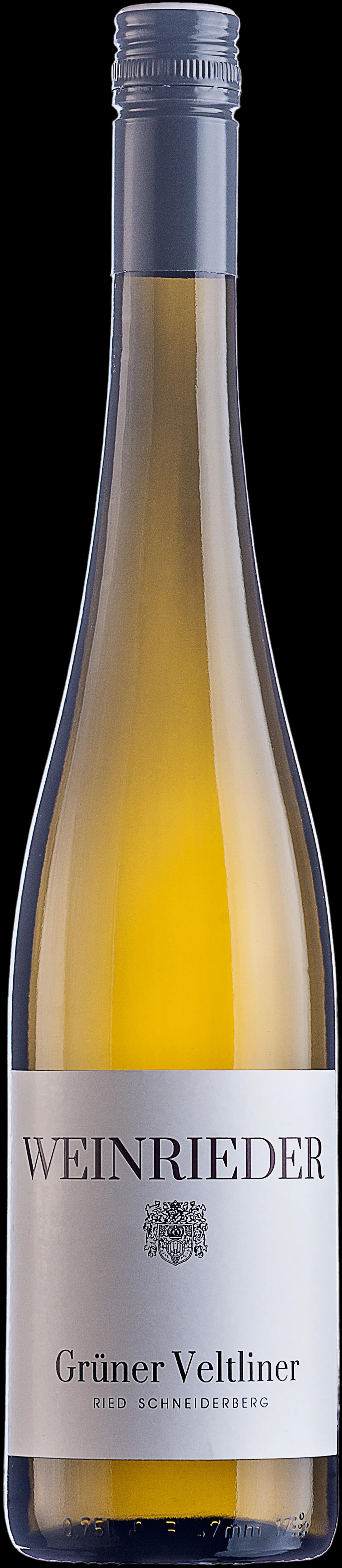
Austrian wine labels carry more structural information than most, once you know what to look for. The three Wachau quality tiers — Steinfeder, Federspiel, and Smaragd — are defined by the Vinea Wachau association and correspond to alcohol bands: Steinfeder is the lightest (up to 11.5% ABV), Federspiel is mid-weight (up to 12.5%), and Smaragd is the fullest style (above 12.5%). Outside the Wachau, the Districtus Austriae Controllatus (DAC) system applies: a Kamptal DAC or Kremstal DAC label indicates the wine meets regional typicity standards and Grüner Veltliner is the primary permitted variety. Erste Lage on a label indicates a recognised first-growth vineyard site, verified by the Austrian wine marketing body. The vineyard name — Ried, in Austrian German — often appears prominently, and knowing the named sites helps: Ried Lamm in Kamptal and Ried Heiligenstein in Kamptal are among the most referenced. For wines from Czech Republic, labels follow Czech regional conventions rather than Austrian ones, so the appellation structure differs. If you are comparing styles across producers, look at the region, the vineyard, and the harvest year before reading the producer's own descriptors — those three facts will tell you more about what is in the bottle than any back-label text. Related white grapes with structural similarities worth comparing: Riesling, Pinot Gris, and Pinot Blanc.