Sauvignon Blanc in Italy: where it grows and why it matters
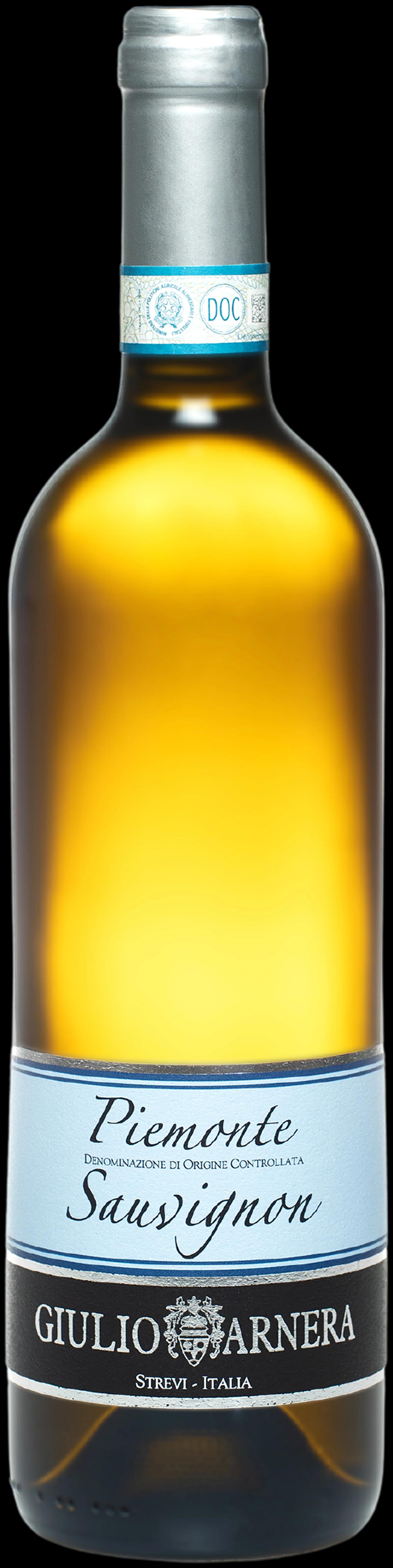
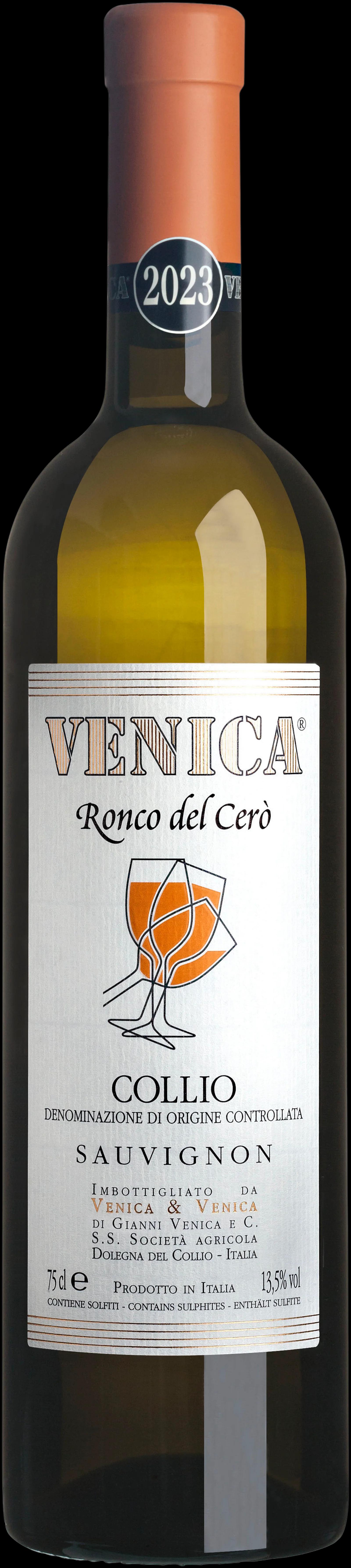
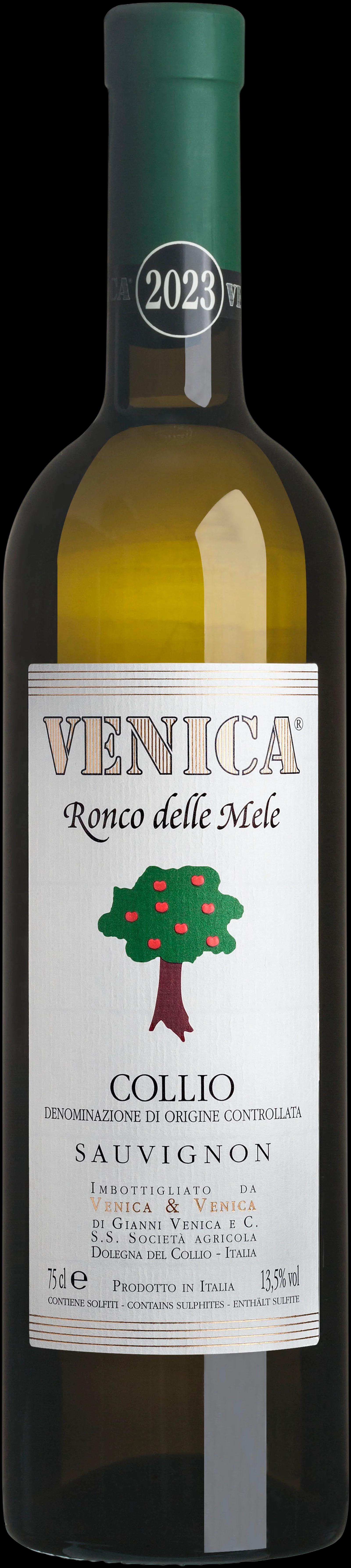
Sauvignon Blanc is not native to Italy, but in the northeastern corner of the country it has found conditions that suit it better than almost anywhere else. Friuli Venezia Giulia is the region most associated with Italian Sauvignon Blanc. The Collio and Colli Orientali del Friuli subzones sit close to the Slovenian border, where cooling Alpine air descends into the hills each evening, slowing ripening and preserving the aromatic compounds that define the variety. Without that diurnal temperature shift, Sauvignon Blanc in warm climates tends to go flat and tropical. Here, producers tend to retain the herbaceous and citrus-driven character that makes the grape recognizable, while adding a textural weight that comes from the marl and sandstone soils rather than from oak or residual sugar.
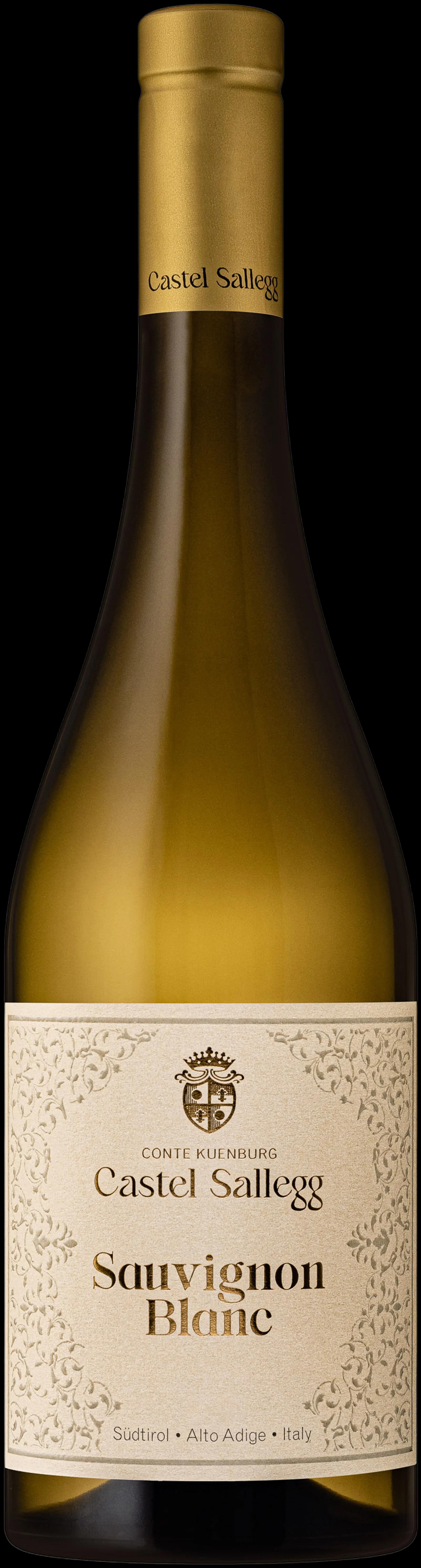
Trentino-Alto Adige is the other significant zone. At altitude, some vineyards sit above 500 meters, and the grape behaves differently again: more mineral, less aromatic density, higher acid. The Alto Adige style of Sauvignon Blanc has become a reference point in Italy for precision whites — some producers here have been working with the variety since the early twentieth century, which is longer than its commercial history in many of its more famous global homes. A handful of producers in Tuscany also work with Sauvignon Blanc, though there it appears more often in blends with Vermentino or international varieties than as a standalone bottling.
How Italian Sauvignon Blanc compares to other expressions of the grape
The global benchmark for Sauvignon Blanc is typically set by the Loire Valley — Sancerre and Pouilly-Fumé specifically — and by Marlborough in New Zealand. Italian Sauvignon Blanc sits structurally closer to the Loire model than to the New Zealand one. Marlborough Sauvignon Blanc is characterized by high-intensity tropical and passion fruit aromas, driven by the variety's methoxypyrazine and thiol compounds in a warm, sunny climate with UV exposure. Friulian Sauvignon Blanc typically shows more restrained aromatics, leaning toward white peach, grapefruit zest, and fresh herbs, with an acid backbone that makes the wine work well alongside food rather than as a standalone aperitif wine.
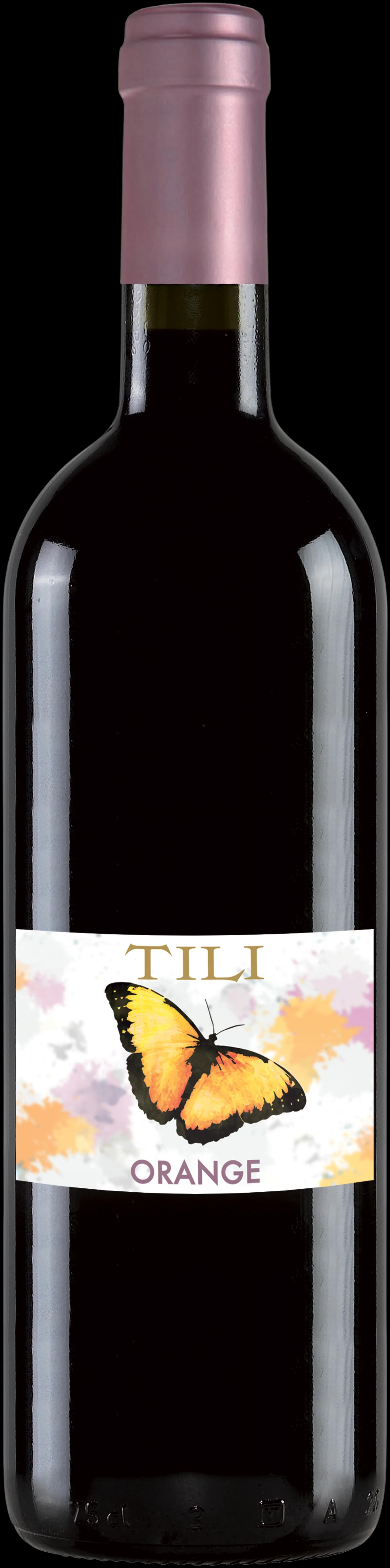
One structural difference worth noting: a significant proportion of Italian Sauvignon Blanc undergoes skin contact or extended maceration. This practice is more common in Friuli than in any other major Sauvignon Blanc-producing region globally. The result is wines with more tannin, less primary fruit, and greater aging potential — a very different drink from what the grape produces elsewhere. These are sometimes labeled as orange wines or amber wines. If you have only encountered Sauvignon Blanc as a fresh, early-drinking white, the Friulian maceration style is a genuine structural departure. Producers working with Italian white wines more broadly in this region often carry both styles — conventional and skin-contact — from the same variety and sometimes the same vineyard.
How producers on Free Grape Society work with Italian Sauvignon Blanc
The producers listing Italian Sauvignon Blanc on Free Grape Society tend to be single-estate operations in Friuli Venezia Giulia and Trentino-Alto Adige. These are not volume producers. Sauvignon Blanc in these regions is grown on hillside terrain that limits mechanization, and yields per hectare are typically lower than in flatter wine regions across Italy. That has a direct effect on what the wines cost and how they are sold — small runs, direct relationships, no room for the standard import and distribution chain.
These are not the wines your supermarket carries. They are the wines your supermarket cannot carry, because the volume is not there and the margin structure of three-tier distribution does not work for estates of this scale. The producer sets the price. The wine ships from the cellar. No importer takes a margin in the middle. That is not a marketing claim — it is the structural reason why wines from small northeastern Italian estates appear on platforms like this one rather than on national retail shelves.
For context on the broader Italian white wine picture, the Italian white wines page covers other key varieties and regions. For Sauvignon Blanc as a global variety, the Sauvignon Blanc page covers how it expresses across different countries. The Friuli Venezia Giulia page goes deeper into the region's full range, including the indigenous varieties that grow alongside Sauvignon Blanc in the same hillside vineyards.