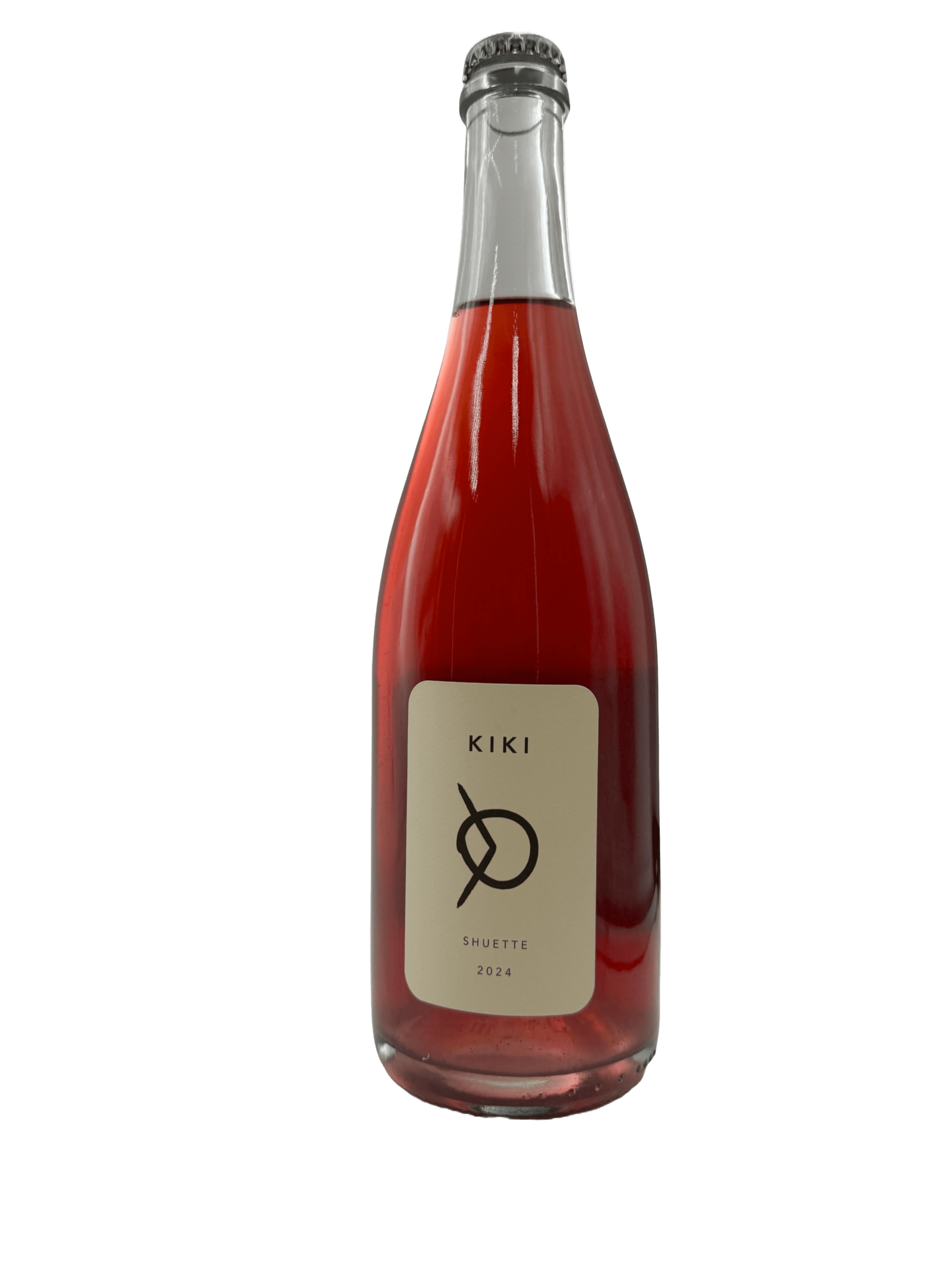
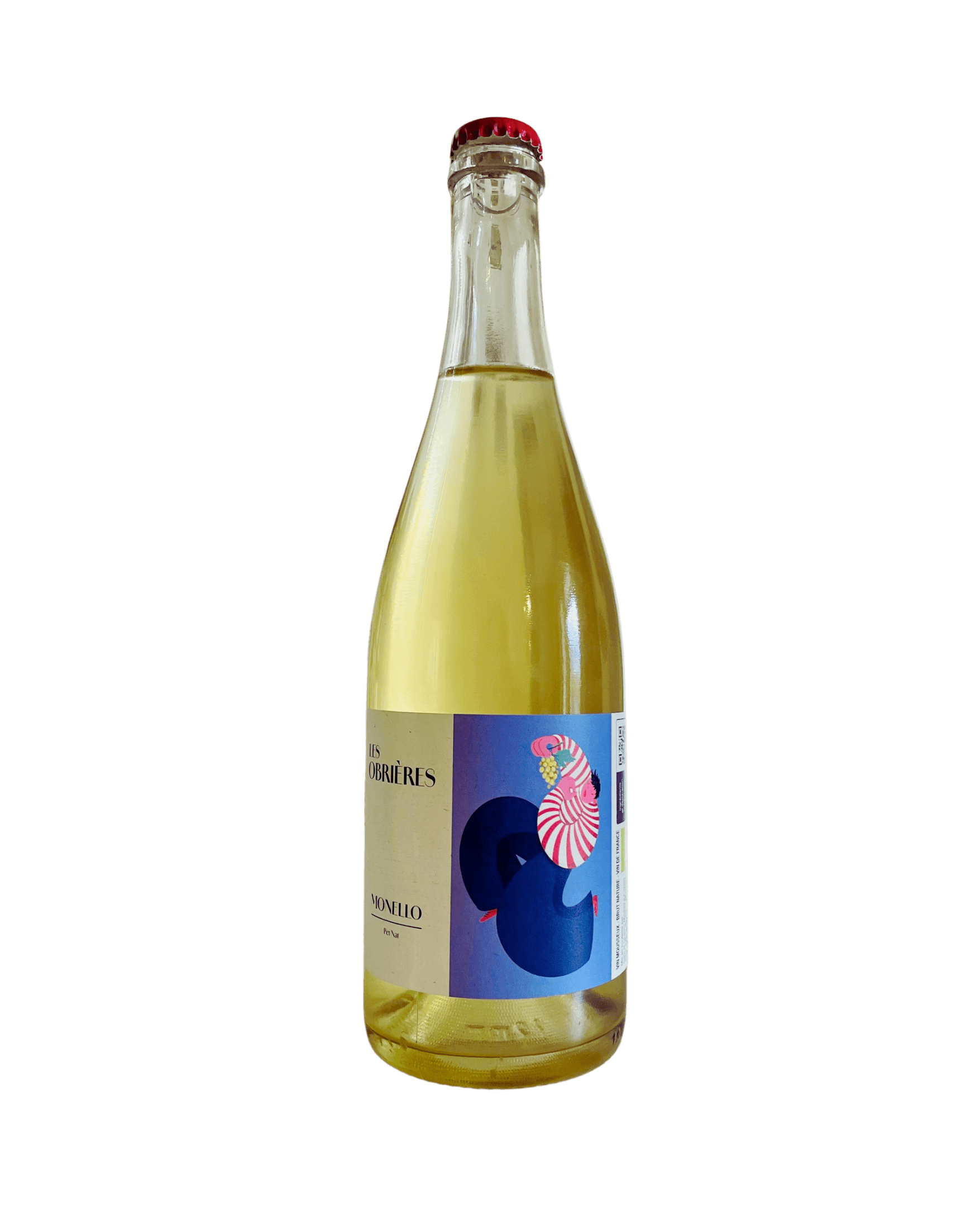
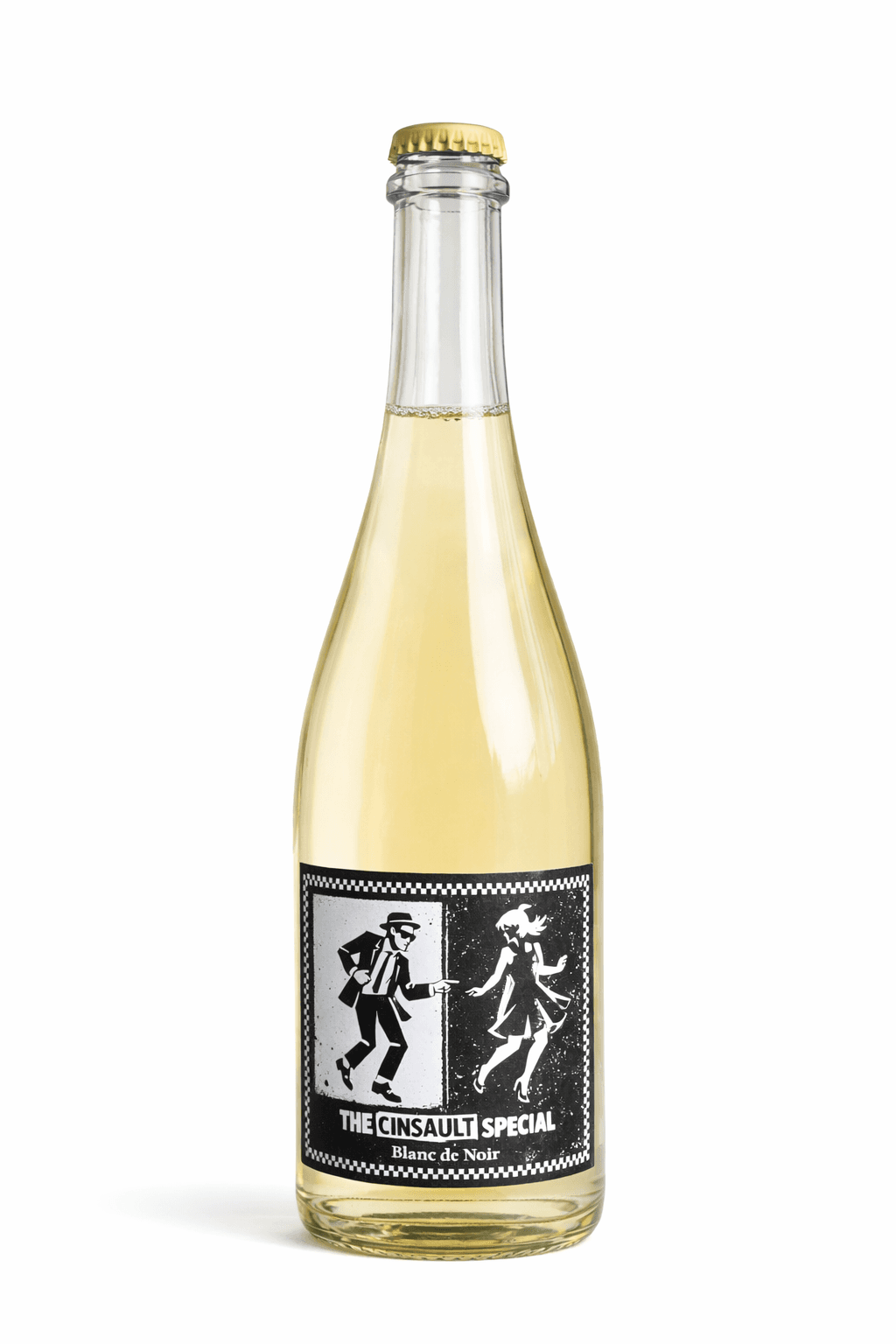
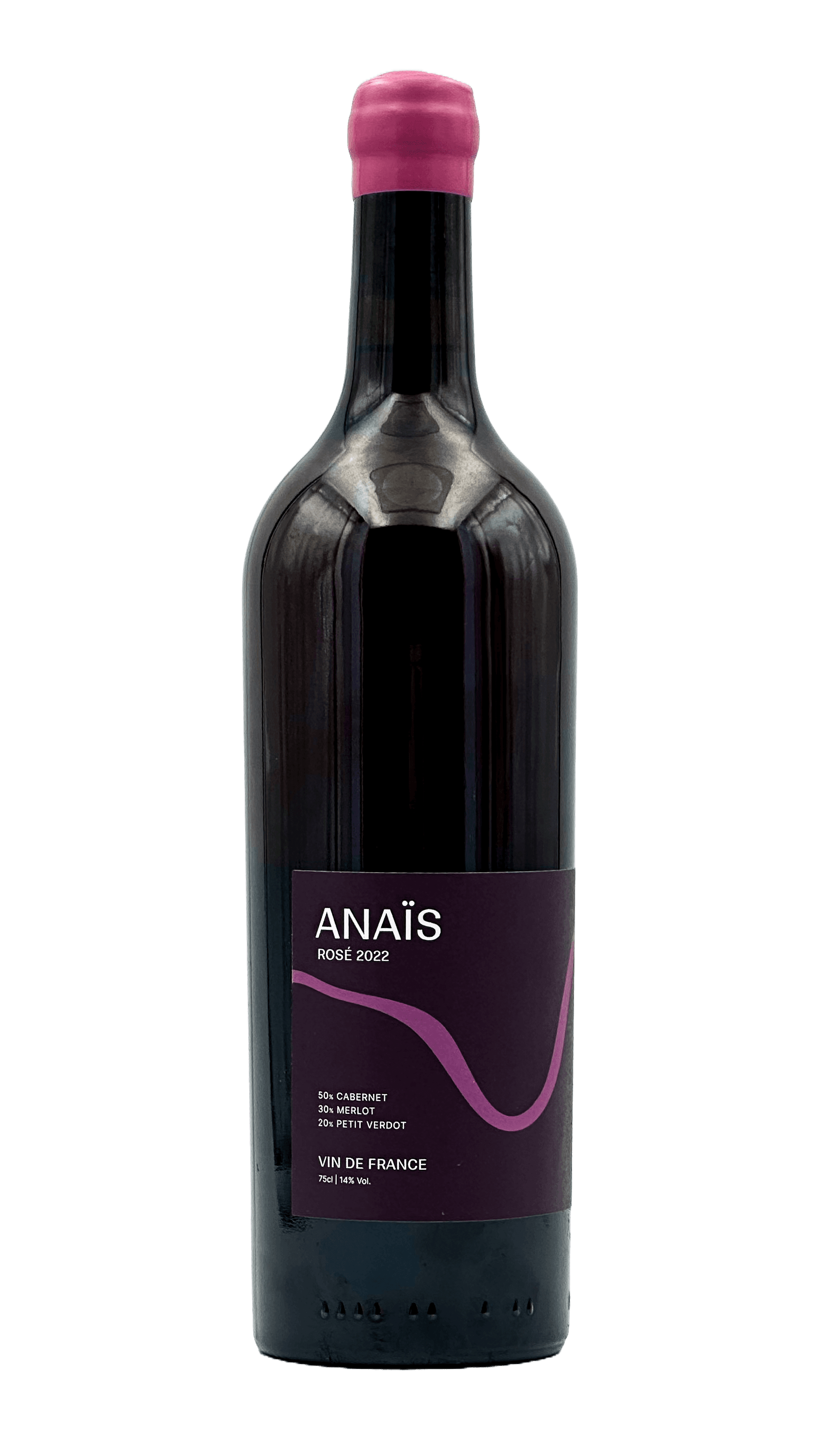
Where Moscato Rosa comes from and why it grows where it does
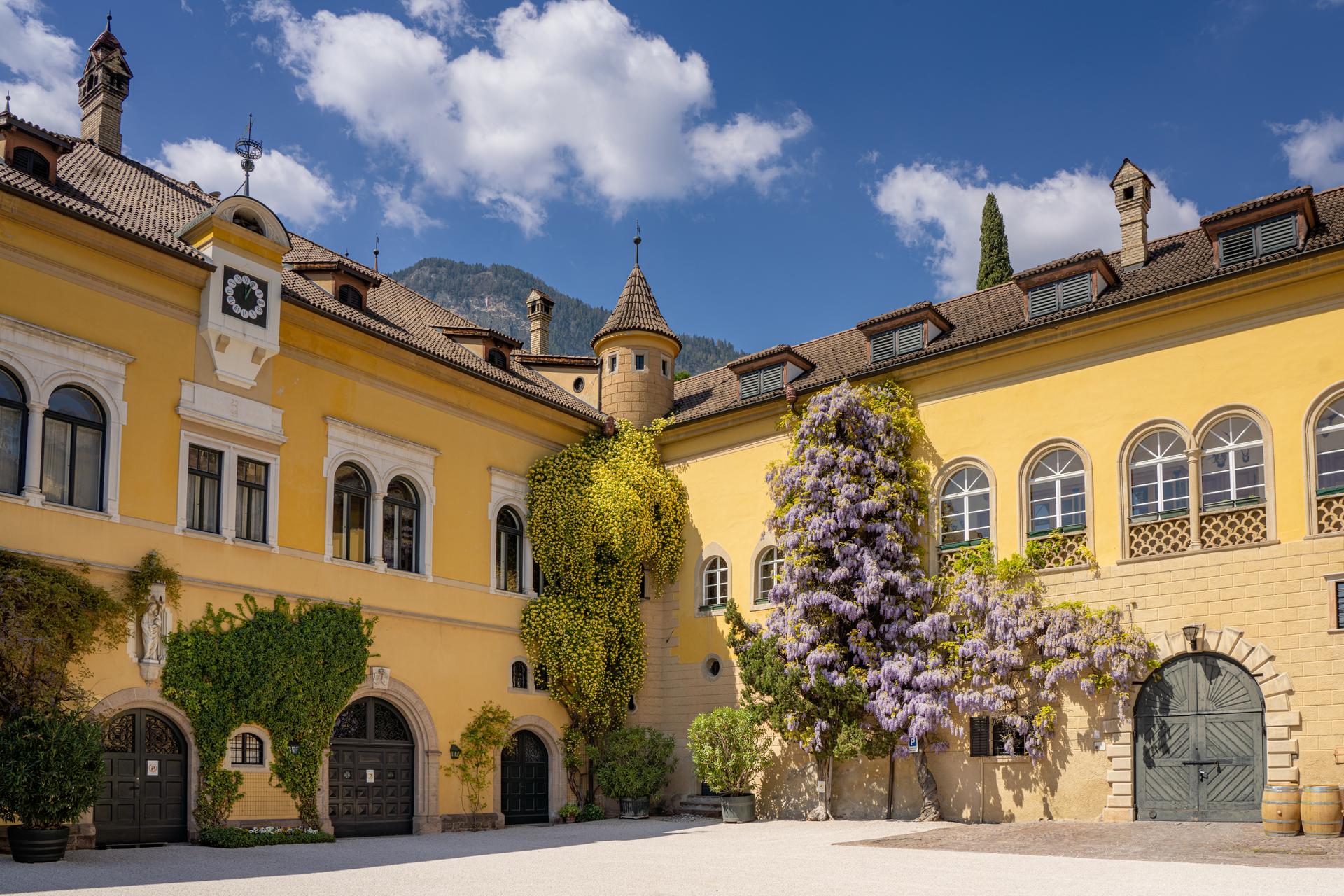
Moscato Rosa is one of the rarest members of the Muscat family, grown in a handful of places where the conditions happen to suit its exacting temperament. Its heartland is the Alto Adige and neighbouring Trentino-South Tyrol, where the variety has been documented for centuries and where the combination of Alpine altitude, warm summer days and cool nights preserves the grape's natural perfume and acidity. Across the border, Friuli Venezia Giulia and, further south, parts of Tuscany produce small quantities, often bottled as a single-variety dessert wine or a delicate dry rosé depending on when the grapes are picked. In Austria, particularly in Burgenland and Steiermark, the variety appears under the name Rosenmuskateller — the same grape, a different country, and a slightly different stylistic tradition. What all these places share is a willingness to work with a grape that yields little and demands careful handling in the vineyard.
How Moscato Rosa tastes, and what to drink it with
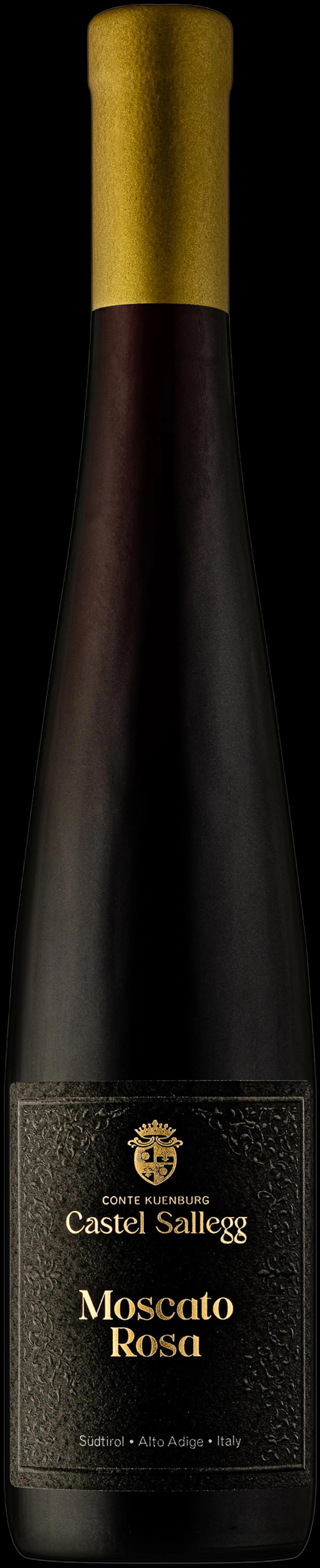
The grape's calling card is its scent: rose petal and violet, lifted and precise, sitting above a fruit core of raspberry and cherry. That floral intensity is not an accident of winemaking — it comes from the grape's own aromatic compounds, which is why a Moscato Rosa from a producer in Alto Adige smells unmistakably different from a generic pink wine. Most bottles are made sweet or off-dry, with alcohol kept low to let the perfume lead, though a small number of producers vinify it dry to show the variety's structure rather than its sweetness. Because the grape carries natural acidity, even the sweeter versions rarely feel heavy. At the table, it pairs well with aged cheeses, dark chocolate, and fruit-forward desserts — but it also works, unexpectedly, alongside spiced dishes where its floral top notes act as a counterpoint to heat. Producers working with Moscato or the closely related Moscato Giallo often give a useful point of comparison: Moscato Rosa tends to show more red-fruit character and a deeper colour, while Moscato Giallo stays lighter and more citrus-driven.
Buying Moscato Rosa direct from independent producers
Because Moscato Rosa is produced in small quantities, it rarely reaches standard retail channels in meaningful volume. Most bottles are made by estates that grow the grape themselves and bottle it on site, which means the most reliable way to find it is to go directly to the source. On Free Grape Society, producers ship directly from their own cellar, with no importer or warehouse in between — which matters for a variety this fragile and this lightly produced. Wines tasted before listing means there is at least a baseline of quality assurance before a bottle reaches the site. Producers working with this grape often also grow other aromatic varieties from the same regions, so exploring the broader Trentino-South Tyrol or Friuli Venezia Giulia ranges alongside a Moscato Rosa bottle is a good way to understand the context it comes from. Free Grape Society is a society of producers, independent experts and wine lovers, not a shop — and a grape this specific is exactly the kind of discovery the platform is built around.