The producers of the Aegean Islands
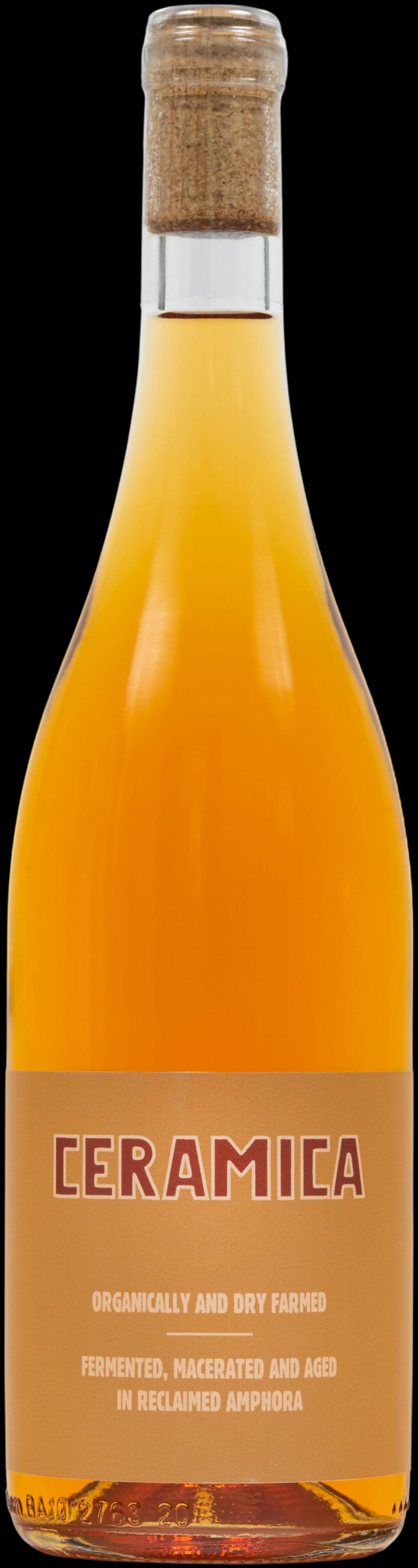
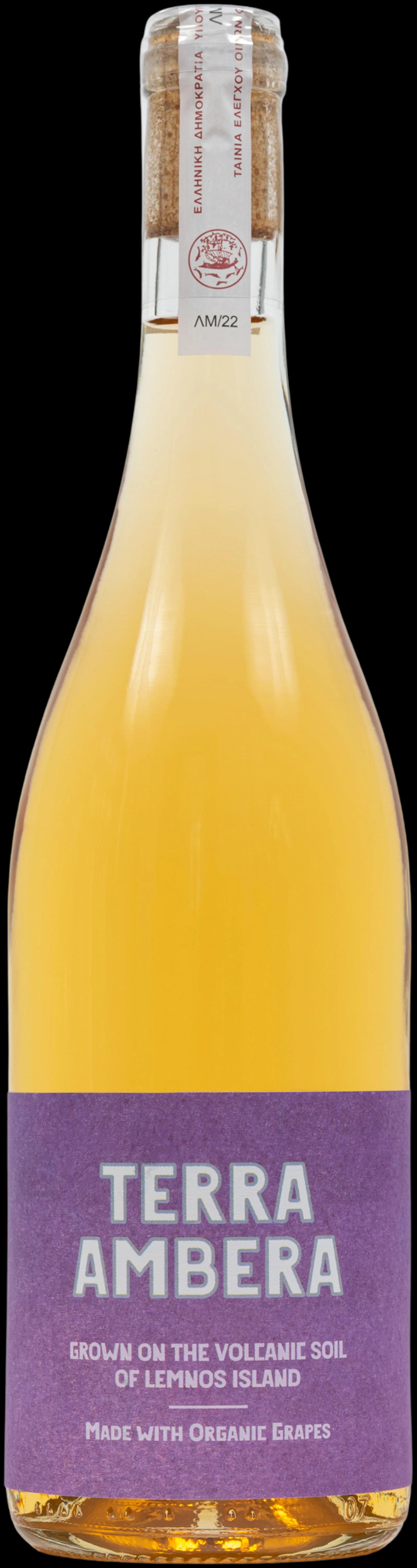
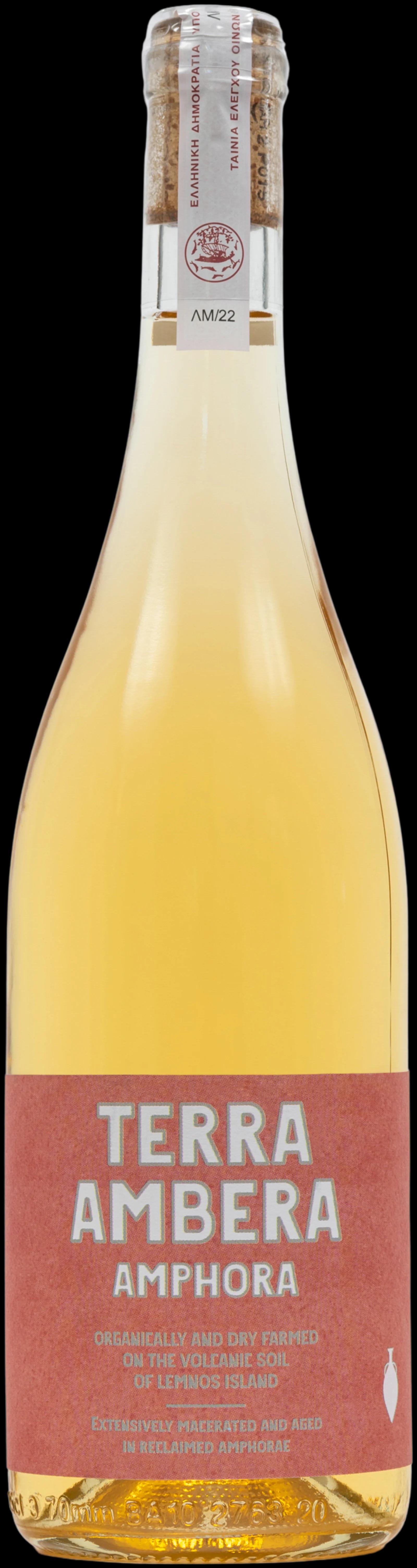
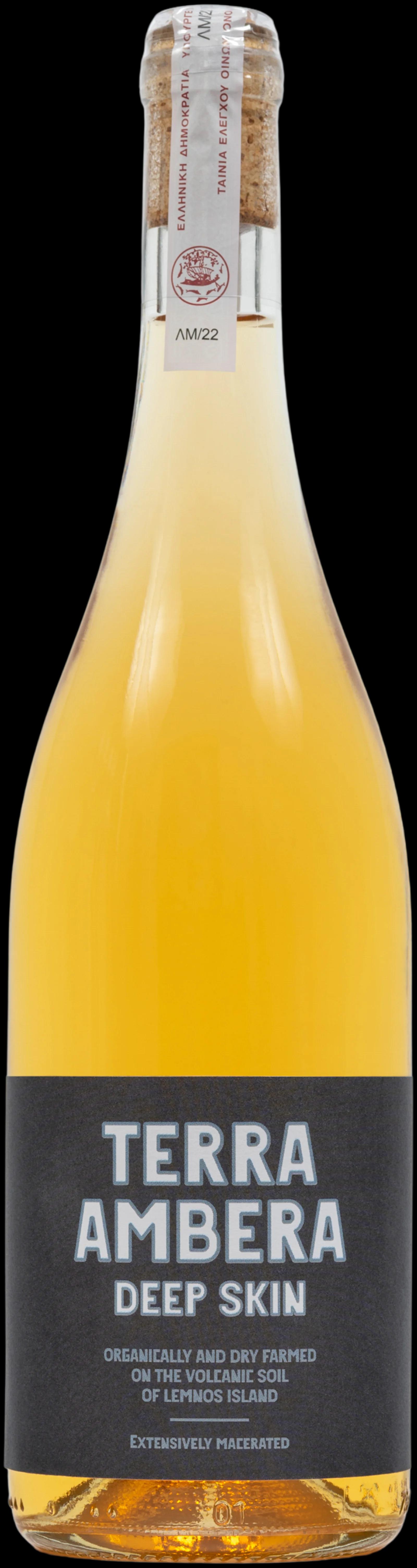
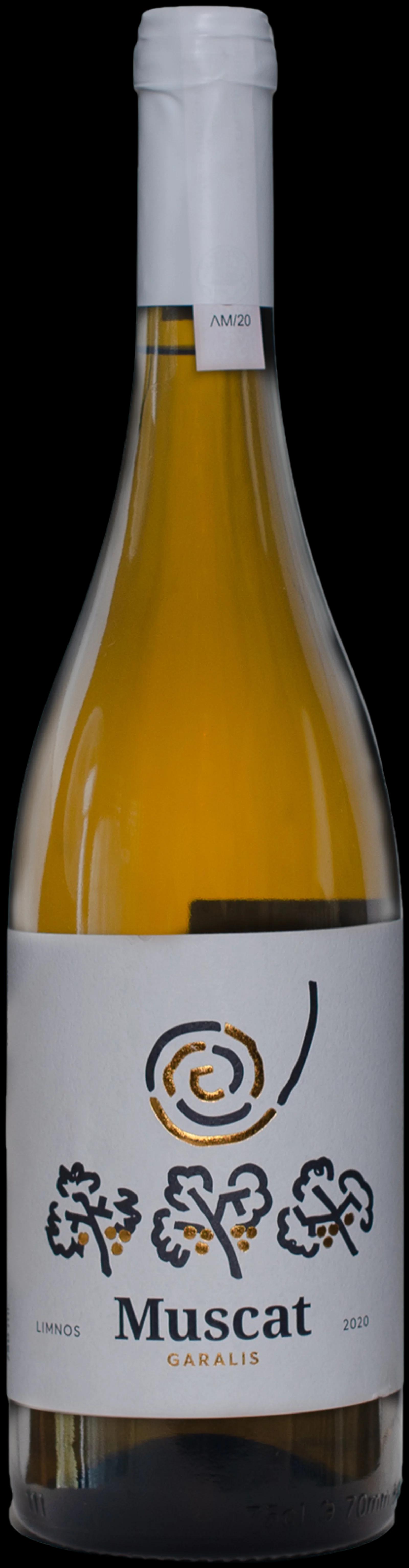
The Aegean Islands spread across a wide stretch of the eastern Mediterranean, and the producers working here are as varied as the archipelago itself. Some estates sit on Samos, where Muscat has been cultivated for centuries and the cooperative tradition runs deep. Others are on Lemnos, where Muscat of Alexandria produces wines that read quite differently from their Samian counterparts. Santorini draws the most international attention, but the broader Cyclades and the Dodecanese host growers whose work rarely makes it past the island's own restaurants and tavernas. What connects them is the physical difficulty of farming these landscapes: steep volcanic slopes, relentless wind, thin soils, and summers that push vines toward stress and concentration. Most holdings are small. Many have been in the same family for generations, running alongside other farming rather than as a standalone business. The wineries listed here are independent producers who ship directly from their own cellars, with no importer or warehouse adding a step between the grower and the buyer.
How we choose our producers
We work directly with the growers behind the wines, which means we come to understand how they farm and what they charge before any wine is listed. Producers send samples, and those samples are tasted before a wine is listed — so the decision rests on what is in the glass rather than on a reputation or a label. For Aegean Islands producers, that often means tasting wines that have never been available outside Greece, made from varieties that do not appear on wine lists anywhere else in Europe. We look for pricing that reflects the work in the vineyard without the mark-ups that importers and warehouses add, and we keep the relationship direct so each grower sets their own terms. Once wines are listed, independent wine experts rate and review individual bottles, building a public track record that buyers can read on the wine page. We do not try to carry the full output of the region: we list wines tasted before listing, from producers we have a direct relationship with. Free Grape Society is a society of producers, independent experts and wine lovers, not a shop, and that shapes every listing decision we make.
Winemaking traditions in the Aegean Islands
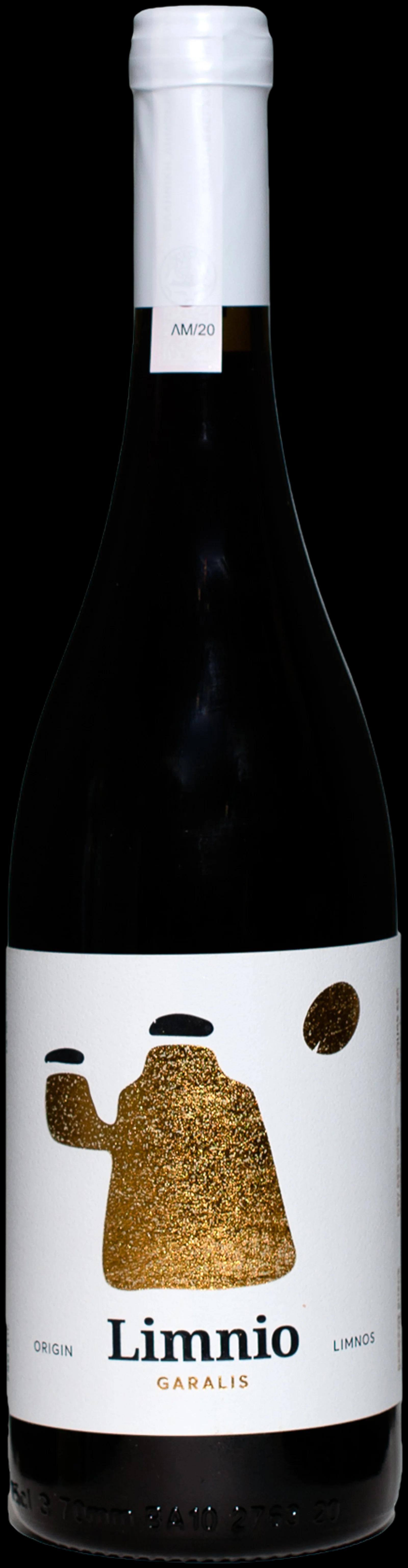
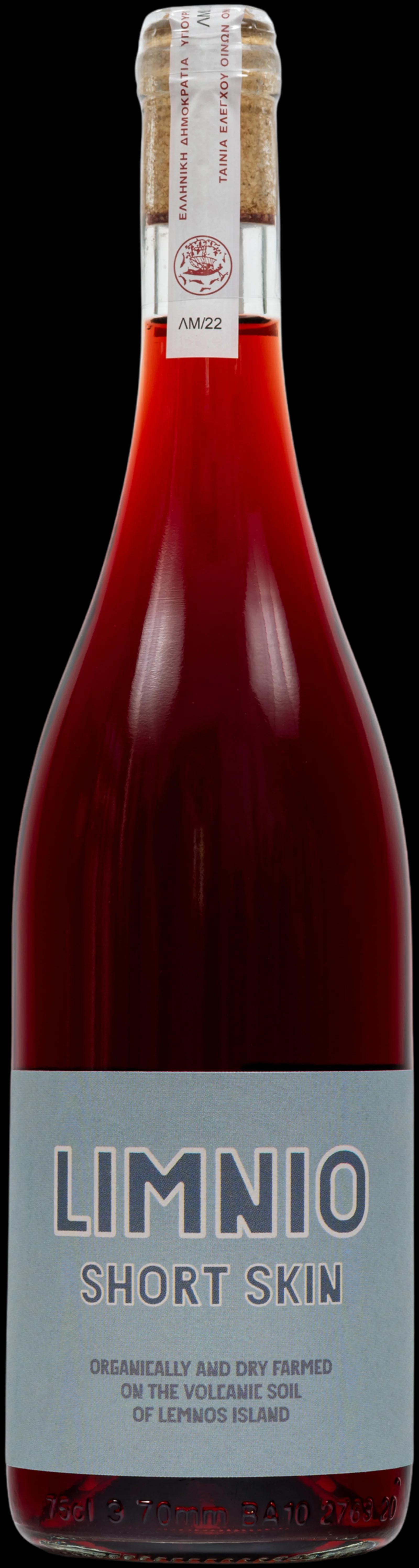
The Aegean Islands have been producing wine longer than most European regions have had names for it. Samos built its identity around Muscat à Petits Grains, a grape that produces wines ranging from dry and aromatic to the richly sweet Samos Nectar, made from sun-dried grapes with residual sugar levels that age well over decades. On Santorini, the Assyrtiko grape grows in an unusual basket-trained system called kouloura, where vines are wound into low rings close to the volcanic ground to protect them from the fierce meltemi wind. This training method, used for centuries, also keeps the grapes cooler and concentrates the mineral character that Santorini Assyrtiko is known for. Lemnos works primarily with Muscat of Alexandria, a different variety from the Muscat of Samos, producing wines with a broader, more floral profile. Across the smaller islands, indigenous varieties such as Limnio — one of the oldest named grapes in recorded history, mentioned by Aristotle — appear in wines that are rarely seen on the mainland. Producers on Crete and across Greek wine regions more broadly share this commitment to working with varieties shaped by Mediterranean heat and sea air, rather than adapting to international styles. For those curious about what producers across Greece offer as a case, the Greece mixboxes page collects wine cases composed by individual estates.