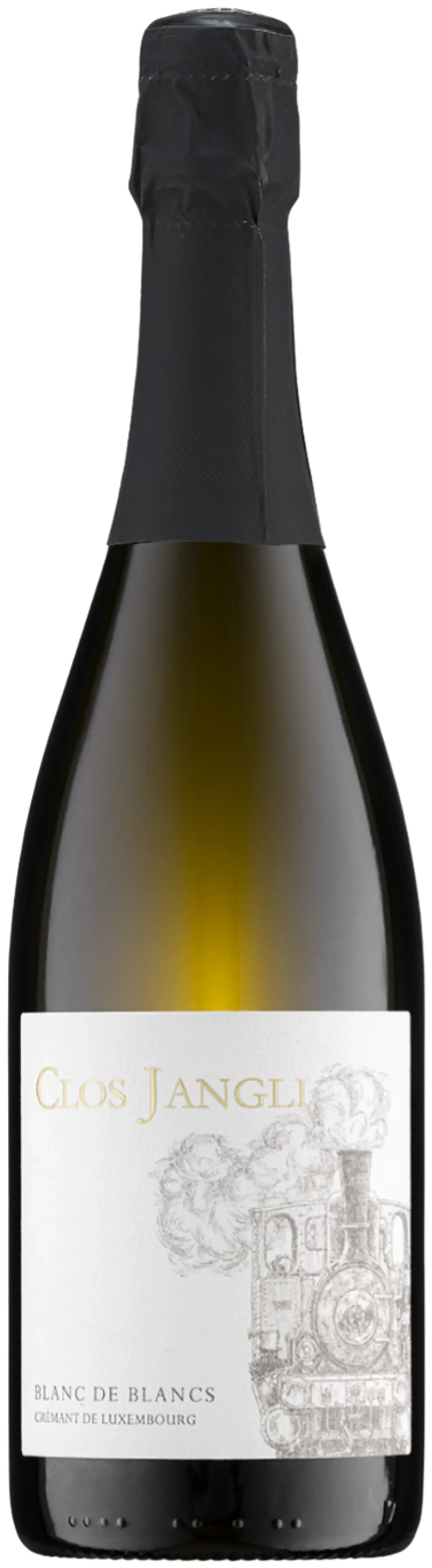
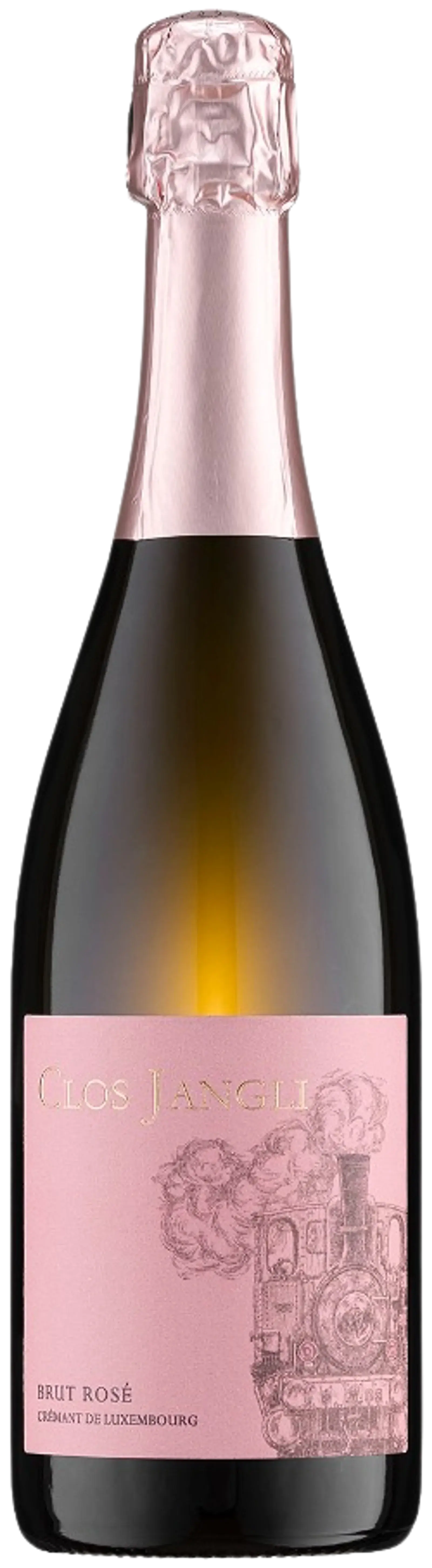
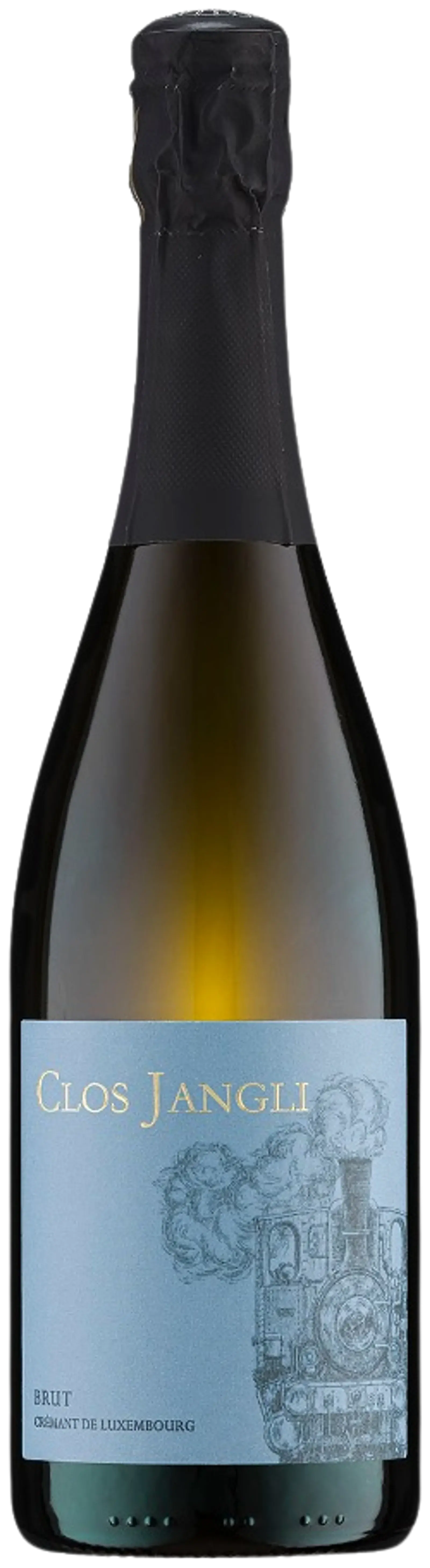
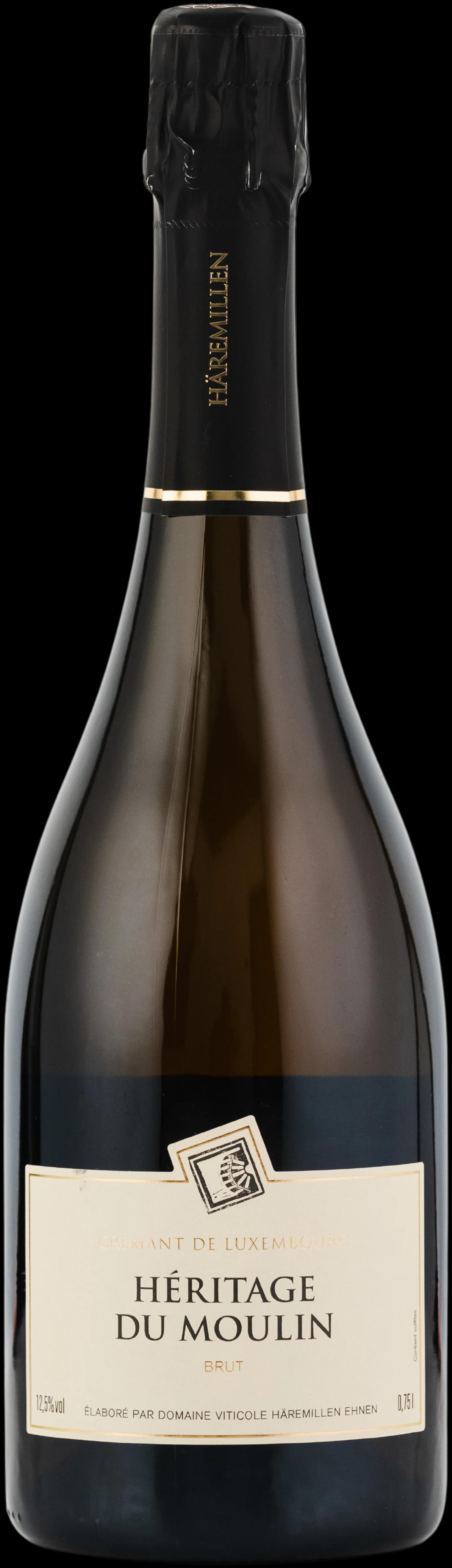
Bottle-fermented and Moselle-grown: Crémant de Luxembourg wines

Crémant de Luxembourg wines come from a narrow strip of vineyards running along the Moselle river in eastern Luxembourg, where the river's moderating influence and the region's slate and limestone soils shape a sparkling wine that is fine-bubbled, mineral and distinctly its own. Browse bottles from independent producers working this small, often overlooked appellation.

Auxerrois, Pinot Blanc and Pinot Gris lead the blends, with Riesling and Pinot Noir rounding out a style built for freshness over weight.

Color

Dropdown arrow

Type

Dropdown arrow

Country

Dropdown arrow

Region (1)

Dropdown arrow

Grape

Dropdown arrow

Pairing

Dropdown arrow

Sort by

Sort arrow
Crémant de Luxembourg

Crémant de Luxembourg wines

Crémant de Luxembourg is a single appellation covering all traditional-method sparkling wine from Luxembourg's Moselle valley, where vineyards face southeast across the river toward Germany. The AOP requires secondary fermentation in bottle and a minimum of nine months on the lees before disgorgement, which gives the wines their characteristic fine mousse and clean finish. Blends tend to lead with Auxerrois or Pinot Blanc, grapes that suit the region's cooler-continental climate and produce wines with more delicacy than weight. On Free Grape Society, producers ship directly from their own cellars, with no importer or warehouse in between.

Previous1 of 1Next

Wine experts

Independent wine experts on Free Grape Society rate and review wines they have personally tasted, and their notes appear on the individual wine page and on each expert's own profile. Several of the experts listed here have reviewed bottles from this appellation. Their reviews sit alongside tasting notes and producer information, giving you a transparent record of what they found in the glass before you order.

View all wine experts

Frequently asked questions

How do I order a Crémant de Luxembourg wine on Free Grape Society?

Browse the wines on this page, add a bottle to your basket and check out. Payment is handled securely by Klarna or card. The producer ships directly from their cellar in Luxembourg, and your order arrives within 4 to 14 days. Shipping is free, and there are no minimum order requirements.

What happens if a bottle arrives broken or doesn't taste right?

Send a photo to Free Grape Society customer support within 7 days of delivery. We will arrange a replacement or a refund. Because producers ship directly, quality issues are handled with the producer's direct involvement. Shared responsibility is built into how FGS works.

Can I buy a mixed selection of Crémant de Luxembourg styles?

Yes. You can add individual bottles from different producers to a single order and check out together. For a curated six-bottle selection from one producer, look at the Luxembourg wine cases, where producers have composed their own recommendation across their range. Each case ships as a single order from one estate.

How long does delivery take?

Average delivery is 8 to 9 days from order to door. The full range is 4 to 14 days depending on the producer's location and your delivery address. Wines ship directly from the producer's cellar, not from a central warehouse.

How do I find the right Crémant de Luxembourg wine for me?

Crémant de Luxembourg wines range from lean, high-acid blanc de blancs made from Auxerrois or Pinot Blanc to fuller expressions built around Pinot Gris, as well as rosé styles using Pinot Noir. If you are unsure, you can fill in a question for a wine expert on the wine page and receive a personal recommendation based on what you are looking for.

What makes Crémant de Luxembourg different from Champagne or Alsace Crémant?

All three use traditional-method fermentation in bottle, but the grapes and the place differ. Crémant de Luxembourg draws on Auxerrois, Pinot Blanc and Riesling grown on the Moselle's slopes, which produces wines with a leaner, more mineral profile than most Alsace Crémant and a different grape character from Champagne's Chardonnay and Pinot Noir base. It is a small, independent appellation with its own identity.

Which Crémant de Luxembourg wine expert can recommend something for me?

The wine experts listed on this page are independent specialists who have reviewed Crémant de Luxembourg wines they have personally tasted. Go to an expert's profile to read their reviews and track record, then fill in a question on the wine page to ask for a personal recommendation. There is no charge for the advice.

Why don't you sell supermarket-brand Crémant de Luxembourg wines?

Free Grape Society works directly with independent producers, not with large négociants or labels built for supermarket distribution. The wines listed here come from growers who make and bottle their own wine, which means the person who grew the grapes is the same person who shipped your order. That direct relationship is what the platform is built around.

Can I find Crémant de Luxembourg wines in normal retail outside Luxembourg?

Rarely. Luxembourg's wine production is small, and most of it is consumed domestically or in neighbouring countries. The region does not have the export infrastructure of Champagne or Alsace, which makes independent producers here difficult to find through standard retail or import channels. Ordering directly from the producer is often the most straightforward route.

What Crémant de Luxembourg is

Crémant de Luxembourg is a sparkling wine made in Luxembourg's Moselle valley using the traditional method — the same process used in Champagne, where a second fermentation takes place in the bottle rather than in a tank. The bubbles are finer and more persistent than in tank-fermented sparkling wines, and the wine spends time on its lees before disgorgement, which adds texture and a slight toasty quality to the fruit.

The appellation covers white and rosé styles. Permitted grapes include Pinot Blanc, Pinot Gris, Pinot Noir, Auxerrois, Chardonnay, and Riesling, which gives producers considerable latitude in how they compose their blend. A Crémant de Luxembourg built around Auxerrois will taste rounder and more floral than one led by Riesling, which tends to bring more mineral edge and citrus lift. Knowing which grape or blend anchors a bottle is a useful starting point before you read anything else on the label.

Luxembourg's Moselle runs along the country's eastern border with Germany, and the slate and limestone soils along its slopes are the same geological formation that continues north into the Mosel and south into Alsace. That shared geology gives Crémant de Luxembourg a structural kinship with sparkling wines from both neighbouring regions, while remaining its own appellation with its own producers and its own character. Browse Moselle wines from Luxembourg or explore the Luxembourg winery list to see which estates are working with the appellation.

How the traditional method shapes the wine

The traditional method — méthode traditionnelle — means that after the base wine is bottled, a small addition of yeast and sugar triggers a second fermentation inside the sealed bottle. The carbon dioxide produced has nowhere to escape, so it dissolves into the wine, creating fine, integrated bubbles rather than the coarser mousse of pressure-tank sparkling wines.

After fermentation, the bottles rest on their lees — the spent yeast cells — for a minimum ageing period. During this time the yeast slowly breaks down and releases compounds that add complexity: brioche, bread crust, and a creamy texture that sits alongside the wine's primary fruit. The longer the lees contact, the more pronounced these secondary characters become. Once ageing is complete, the lees are collected into the bottle neck by gradually inverting the bottles, then expelled in a process called disgorgement, and the bottle is topped up with a dosage — a small amount of wine and sometimes sugar — before being corked.

For Crémant de Luxembourg, this process is carried out by independent estates working their own vineyards along the Moselle, not by large houses blending from bought-in grapes across wide geographies. That distinction matters for traceability: the grower who farmed the vines is usually the same person who made the base wine and carried out the secondary fermentation. You can find those producers directly through the Luxembourg winery pages or through the broader Moselle producer list.

Crémant de Luxembourg in the context of European sparkling wine

Crémant is a category of traditional-method sparkling wine made outside Champagne but within France and a small number of neighbouring appellations that use the same production rules. Luxembourg gained its own Crémant appellation in 1991, joining established French Crémant regions such as Alsace, Bourgogne, and the Loire Valley as well as Champagne itself.

The practical difference between Crémant de Luxembourg and its French counterparts is largely one of grape variety and terroir. Where Crémant d'Alsace relies heavily on Pinot Blanc and Auxerrois grown on Alsatian soils, and Crémant de Bourgogne leans on Chardonnay and Pinot Noir from Burgundian limestone, Crémant de Luxembourg draws on the Moselle's own slate and marl slopes, with Auxerrois and Pinot Blanc playing the central roles in most cuvées.

For buyers already comfortable with Crémant from France, Luxembourg's version offers a closely related but distinct point of comparison — same method, different geology, different producer culture. The estates here are typically small and family-run, working a single appellation on a river valley that most European wine buyers have not yet explored in depth. Free Grape Society lists producers who ship directly from their own cellars, with no importer or warehouse in between, which means the bottle you receive comes from the grower who made it. You can also explore wine cases from Luxembourg's Moselle producers or browse sparkling wines from nearby regions including Champagne and Alsace for a broader comparison.