Where Muscat comes from and how it expresses itself across regions
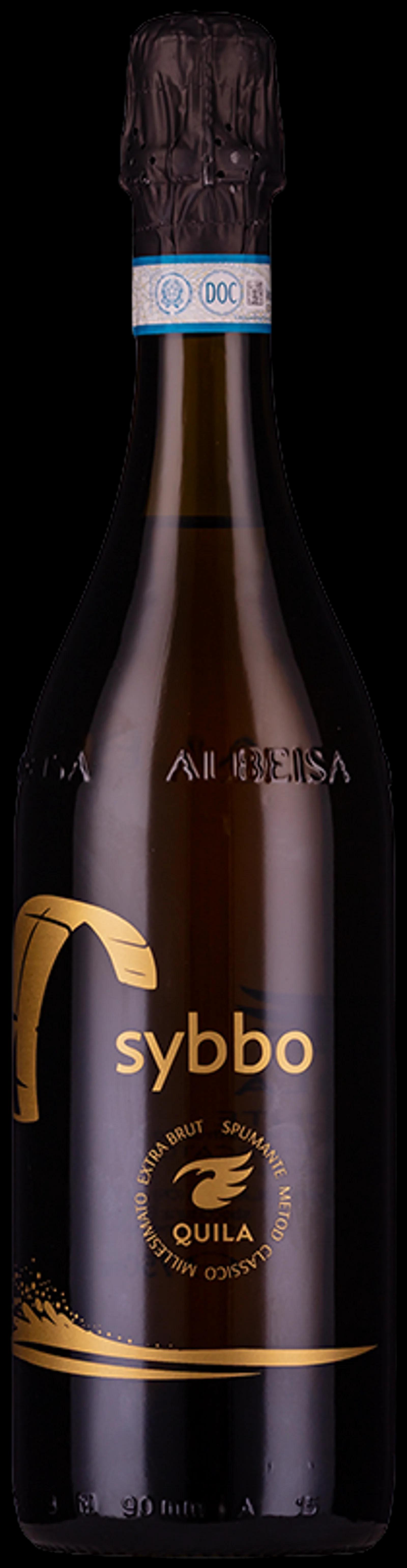
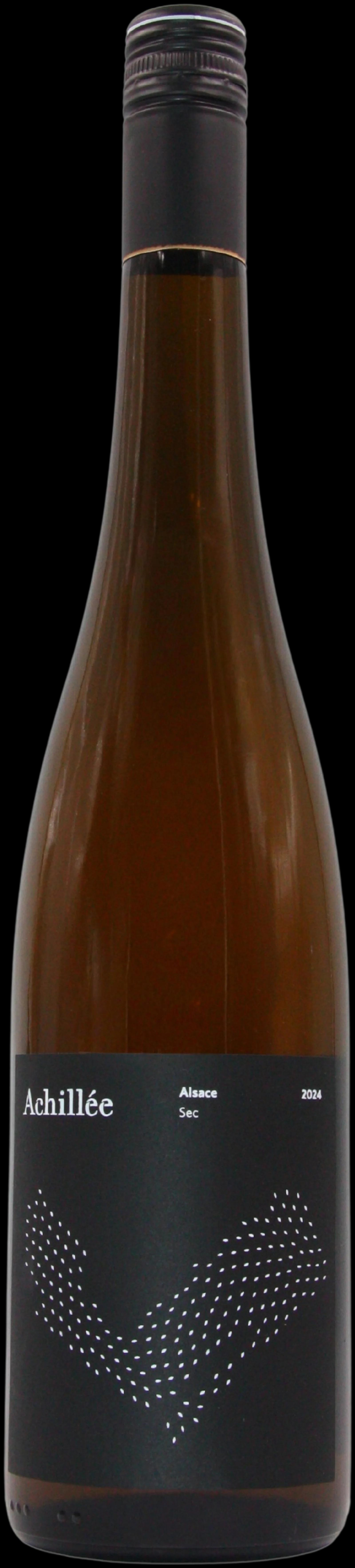
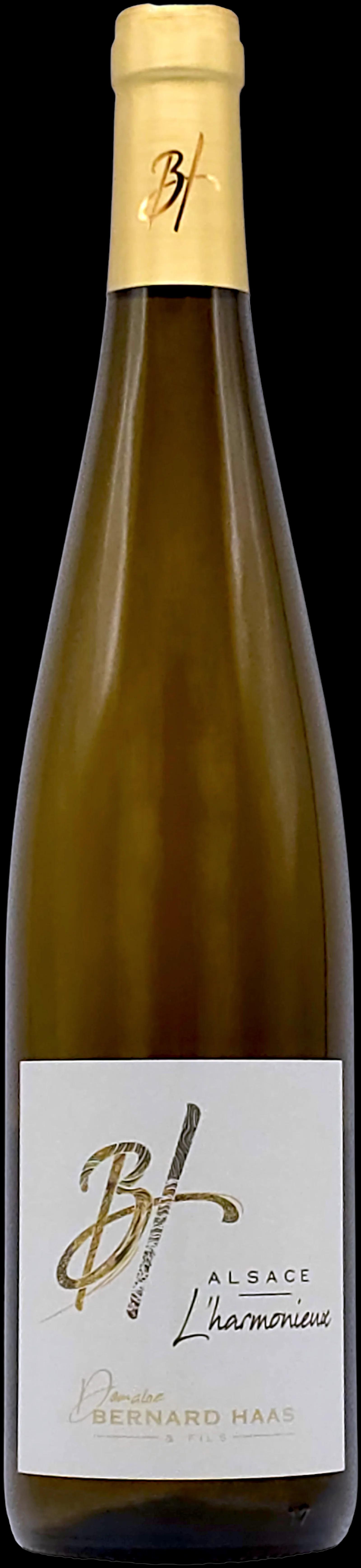
Muscat is one of the oldest cultivated grape families in the world, and unlike most varieties it actually smells and tastes of grapes — floral, aromatic, and unmistakably itself whether it comes from Alsace, Sicily or Greece. The family covers several distinct varieties: Muscat Blanc à Petits Grains is the most aromatic and fine-boned, grown widely in southern France, northern Italy and Greece; Muscat of Alexandria is fuller and richer, common in Spain and Portugal; Moscato Giallo and Moscato Rosa are regional Italian expressions with their own character. What they share is the grape's signature perfume — orange blossom, peach, and a lift that few other white varieties can match. In Alsace, it tends to be made dry and precise; in Piedmont, as Moscato d'Asti, it is lightly sparkling and low in alcohol; in Alsace again and across southern Europe it also appears as a late-harvest dessert wine with concentrated sweetness. The same name, then, covers a wide range of wines — which is part of what makes it worth exploring across producers and places. You can browse independent growers working with Muscat on the Alsace, Sicily and Greece pages, or find the full range of Muscat wines across countries on the wines overview.
How Muscat tastes, and what to drink it with
Muscat is defined by its aromatic intensity. Where Riesling expresses terroir and Chardonnay takes the shape of its winemaking, Muscat insists on being itself: the grape's own fragrance — orange blossom, rose petal, fresh apricot, and sometimes a faint musk — comes through regardless of where it is grown or how it is made. Dry Muscat, as found in Alsace or from producers in Friuli Venezia Giulia, works well alongside asparagus, soft cheese, and spiced fish dishes, where its aromatics complement rather than compete. Lightly sweet or off-dry Muscat — including pétillant or lightly sparkling styles — pairs naturally with fruit-based desserts, almond pastries, and mild blue cheeses. The fully sweet, fortified versions from southern France and Greece (Muscat de Beaumes-de-Venise, Muscat of Samos) are well matched to foie gras, blue cheese, or simply served cold on their own. Because the grape is so expressive, it tends to show best when served well chilled, and drunk relatively young — the perfume that makes it distinctive fades with extended ageing in most styles. Growers making Muscat in Moravia, Alsace, and across Greece tend to bottle it to preserve that freshness.
Buying Muscat wine direct from independent producers
Most Muscat sold in supermarkets or through large distributors comes from bulk producers working at scale — consistent, but rarely expressive of a specific place or a grower's own choices. The producers on Free Grape Society work differently: small estates where Muscat is grown alongside other varieties, often in regions where it has been cultivated for generations, and where the decision of whether to make it dry, sparkling, or sweet is the producer's own rather than a market formula. On Free Grape Society, wines ship directly from each producer's cellar, with no importer or warehouse in between — which means fewer handlings, shorter chains, and wines that arrive as the grower intended. Growers working with Muscat include estates in Alsace, Piedmont, Sicily, Greece, and Moravia, among others. If you are not sure which style suits you — dry, lightly sweet, sparkling, or fortified — the independent wine experts on the platform can help you choose. Free Grape Society is a society of producers, independent experts and wine lovers, not a shop. You can also explore producers by region through the wineries overview, or browse Muscat alongside related aromatic whites such as Gewürztraminer and Viognier.