Grenache Gris: a pale-skinned mutation grown where the sun is unrelenting

Grenache Gris wine is made from a natural colour mutation of Grenache, grown mainly in the south of France and coastal Spain where heat and low rainfall define the growing season. The producers below work with it across Roussillon, Catalonia and a handful of other warm pockets.

Softer than Grenache Noir, rounder than Grenache Blanc — a grape that sits between them in colour, structure and feel.

Color

Dropdown arrow

Type

Dropdown arrow

Country

Dropdown arrow

Region

Dropdown arrow

Grape

Dropdown arrow

Pairing

Dropdown arrow

Sort by

Sort arrow
Grenache Gris

Grenache Gris wines

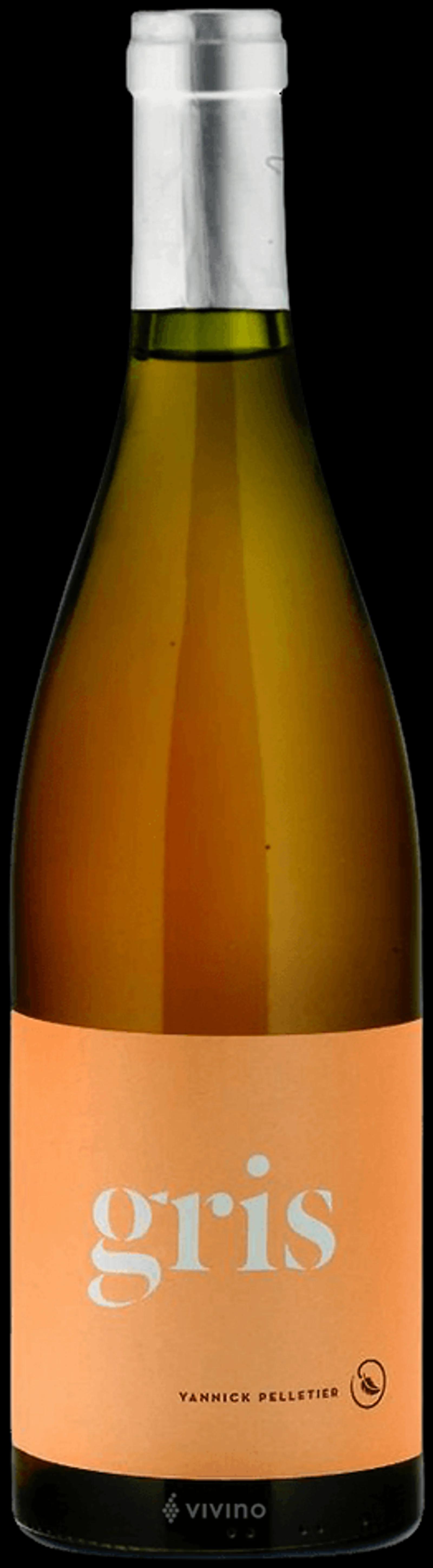
Grenache Gris is a colour mutation of Grenache Noir, recognised by its greyish-pink skin. It produces wines that tend toward roundness and moderate acidity, with the grape's characteristic weight softened by its lighter pigmentation. In Roussillon — where it has been grown longest — it appears in both still rosé and in the fortified wines of Rivesaltes and Banyuls. Across the border in Catalonia it shows similar warmth, shaped by the same dry, wind-exposed conditions. Each bottle here ships directly from the grower's own cellar, with no importer or warehouse between them and you.

Previous1 of 1Next

Grenache Gris mixboxes

A mixbox is six bottles chosen by the producer themselves — the selection they would put together if you came to the cellar. For a grape like Grenache Gris, where the style shifts noticeably between a still dry rosé, a lightly macerated skin-contact wine and a fortified Rivesaltes, a producer's own mix often covers more ground than buying individual bottles would. Free Grape Society is a society of producers, independent experts and wine lovers, not a shop.

View all mixboxes

Wineries

The estates below grow Grenache Gris in places where the growing season is long and dry, and where the variety has been part of the landscape for generations rather than planted as a commercial choice. Reading a producer's own notes is often the most direct way to understand the decisions behind their wines — and if you want to talk through the differences before choosing, the wine-advice service is there.

View all wineries

Wine experts

Grenache Gris is not a grape that generates a large volume of critical coverage, which makes producer-level context useful. Independent wine experts on Free Grape Society review wines they have personally tasted, and their notes are visible on each wine page and on the expert's own profile. Where an expert below has reviewed a Grenache Gris wine featured on this page, you can read what they found before deciding.

View all wine experts

Frequently asked questions

How do I order a Grenache Gris wine on Free Grape Society?

Browse the wines on this page and add bottles to your order. Each wine ships directly from the producer's own cellar. Delivery takes between 4 and 14 days depending on where the estate is located. Payment is handled securely by Klarna or card, and shipping is free.

What happens if a bottle arrives broken or doesn't taste right?

Send a photo to Free Grape Society customer support within 7 days of delivery. We will arrange a replacement or a refund. Because producers ship directly, quality issues are handled with the producer's direct involvement. Shared responsibility is built into how FGS works.

Can I order Grenache Gris wines from more than one producer in the same order?

Yes. You can add wines from different producers to the same basket. Each producer ships their bottles separately from their own cellar, so delivery may arrive in more than one package. You pay once at checkout regardless of how many producers you order from.

How long does delivery take?

Average delivery is 8 to 9 days from order to door. The full range is 4 to 14 days depending on the producer's location and your delivery address. Wines ship directly from the producer's cellar, not from a central warehouse.

How do I choose between the different styles of Grenache Gris available here?

Grenache Gris appears as dry rosé, lightly skin-macerated whites, and fortified Rivesaltes or Banyuls-style wines. The style depends on where the producer is based and how long the grape spends on its skins. Reading each producer's own description is the most reliable guide to what you will get in the glass.

Why does Free Grape Society carry Grenache Gris from some regions but not others?

The wines here come from independent producers who have joined Free Grape Society directly. Grenache Gris is grown mainly in Roussillon and coastal Catalonia, so that is where most of the producers on this page are based. As more growers join, the regional range will widen naturally.

Which Grenache Gris wine expert can recommend something for me?

The independent wine experts listed on this page have tasted wines in the Free Grape Society catalogue, including wines made from Grenache Gris. You can read their published reviews on the individual wine pages, or use the wine-advice form to ask a specific question and get a personal recommendation.

Why don't you sell supermarket-brand Grenache Gris wines?

Free Grape Society works only with independent producers who bottle their own wine. Supermarket-label wines are sourced from large-volume suppliers and blended centrally, which means the connection to a specific estate, site or grower is lost. The wines on this page come from estates where the same person or family grows the grapes and makes the decisions.

Can I find Grenache Gris in wine shops or through an importer instead?

Grenache Gris reaches most European markets through importers and specialist merchants, who add their own margin at each step. On Free Grape Society, the producer sets the price and ships directly, so what you pay reflects the estate's own valuation of the wine rather than a layered distribution cost.

Where Grenache Gris comes from and how it differs from its relatives

Grenache Gris is a colour mutation of Grenache Noir, sharing the same family as Grenache Blanc and Grenache Noir, and the three are often grown side by side in the same vineyards. The grey-pink skin sits between the red and white mutations, and it gives wines that tend to sit in a similar in-between space: fuller than a straightforward white, with a warmth and weight that lighter varieties do not produce, but without the tannin of the red. Its heartland is the south of France, particularly Languedoc-Roussillon, where it appears in dry whites, rosés, and the historic sweet wines of Roussillon, including Rivesaltes and Banyuls. It also grows in Spain, where the broader Garnacha family has deep roots across Aragon and Catalonia. Outside these two countries it remains rare, which is part of what makes wines made from it worth seeking out.

How Grenache Gris tastes, and what to drink it with

The grape naturally produces high sugar levels and relatively low acidity, which means winemakers who work with it have real choices to make: pick early for freshness and dry wine, or let it ripen fully for richness and, in the traditional Roussillon style, fortified sweet wine. Dry versions tend to show stone fruit, a faint floral note, and a textural roundness that makes them easy to pair with food. They work well alongside grilled fish, dishes built around olive oil and herbs, and richer preparations of shellfish. Sweet and fortified versions from Languedoc-Roussillon are a different proposition entirely, closer in character to a Grenache Blanc or Grenache Noir oxidative style, and traditional alongside dried fruit, nuts, and blue cheese. Rosé expressions tend to land between the two, with enough body to hold up to food but enough freshness to work on their own.

Buying Grenache Gris direct from independent producers

Because Grenache Gris is grown in relatively small quantities and tends to stay in the hands of small estates, it rarely makes it onto supermarket shelves or into large importer catalogues. The producers who grow it are usually working with it because they believe in it, not because it is commercially straightforward. On Free Grape Society, producers ship wines directly from their own cellar, with no importer or warehouse in between, which means you are buying from the people who actually made the wine. Most of the estates working with Grenache Gris are in France and Spain, and several also offer mixboxes, which are a producer's own six-bottle selection put together as the recommendation they would make if you visited in person. Free Grape Society is a society of producers, independent experts and wine lovers, not a shop, and finding a grape like Grenache Gris here is exactly the kind of discovery the platform is built around.