Savoie's grapes and what makes them distinctive
Savoie has a grape vocabulary found almost nowhere else. Jacquère is the workhorse white, light and mineral with a faint alpine bite, grown across the Combe de Savoie and the Chautagne plateau. Altesse, also called Roussette, produces richer, more structured whites and has its own appellation in Roussette de Savoie. On the red side, Mondeuse is the grape worth knowing: deeply coloured, peppery, and tannic in a way that echoes Syrah but with a brightness that belongs to the mountains. Gamay also has a foothold here, particularly in Chautagne, producing reds lighter in body than the Mondeuse but well suited to the region's charcuterie and fondue culture. These are varieties that rarely travel beyond the Alps, which is part of why Savoie wines remain genuinely regional in character. Browsing French wines or Gamay from France will show how these alpine styles sit within the wider French picture.
The appellations of Savoie
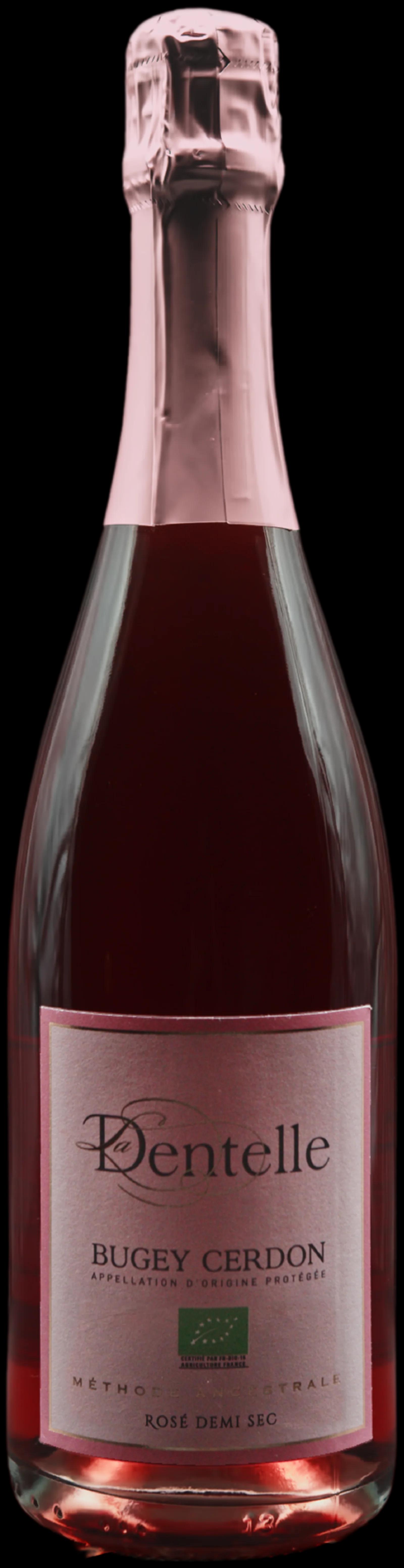
Savoie is organised under a single regional appellation — Vin de Savoie — with a set of named crus that can append their village name to the label: Apremont, Abymes, Chignin, Arbin and others. Each cru points to a specific terroir, often defined by the glacial moraines and limestone scree left behind by retreating ice. Arbin, for instance, is the heartland of Mondeuse, producing the most age-worthy reds in the region. Chignin is known for its white Jacquère and for Chignin-Bergeron, a lieu-dit where Roussanne — unusual this far north — produces dense, honeyed whites. Roussette de Savoie is a separate appellation reserved for Altesse. Crémant de Savoie, added relatively recently, covers sparkling wines from the region using traditional method production. Understanding which cru a label names tells you the grape and the style before you read any further. For comparison, Burgundy and Alsace share this cru logic, each with its own hierarchy of named sites.
Buying Savoie wine directly from the producer
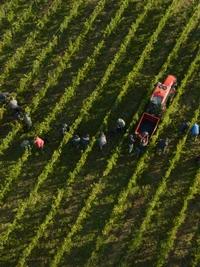
Savoie is a region where the producer's hand and address matter more than an importer's catalogue. Many estates are small, family-run, and farming specific crus by hand across terrain that resists mechanisation. On Free Grape Society, producers ship directly from their own cellars, with no importer or warehouse adding margin in between, so the wine that arrives reflects what the grower made and priced themselves. Wines are tasted before listing, and independent wine experts rate and review individual bottles, building a public track record visible on each wine page. If you want to explore more of France's independent growers, French wineries and Loire Valley wines are good starting points alongside Savoie. For red wine comparisons rooted in mountain and alpine character, Syrah from France and Pinot Noir from France offer useful reference points.