Gamay on granite: Beaujolais wines from independent growers

Beaujolais wine is built almost entirely on one grape — Gamay — grown across a patchwork of villages and named crus where the soil type shapes how each bottle tastes. Browse bottles from independent growers working their own vines.

From the granite soils of the Beaujolais Crus to the lighter sandy ground further south, the region produces a wider range of styles than most wine drinkers expect.

Color

Dropdown arrow

Type

Dropdown arrow

Country

Dropdown arrow

Region (1)

Dropdown arrow

Grape

Dropdown arrow

Pairing

Dropdown arrow

Sort by

Sort arrow
Beaujolais

Beaujolais wines

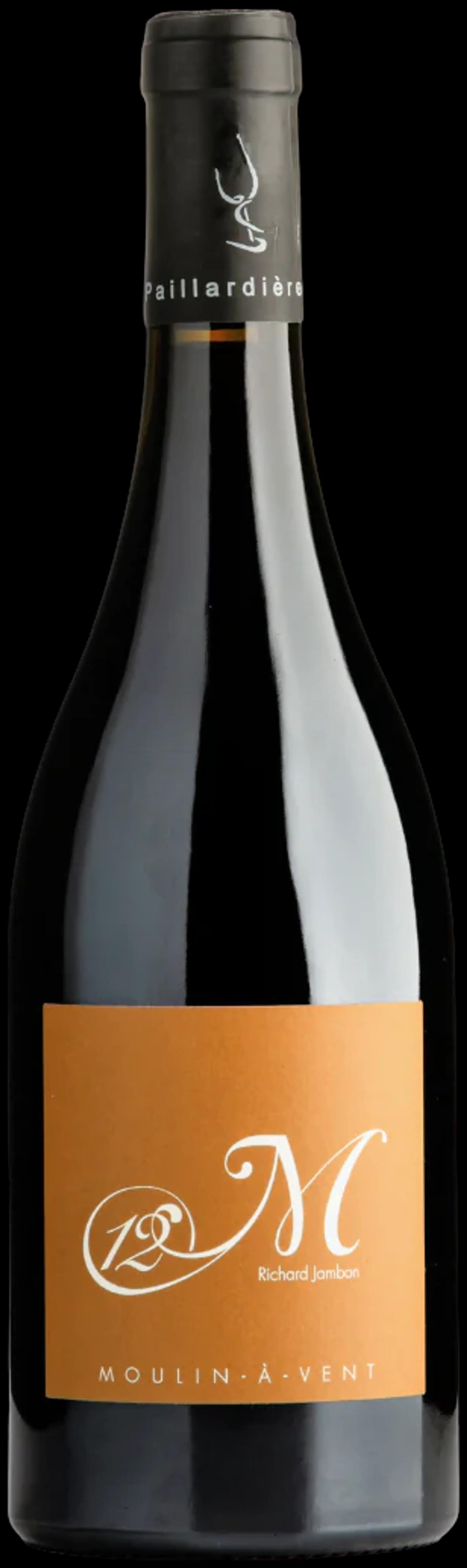
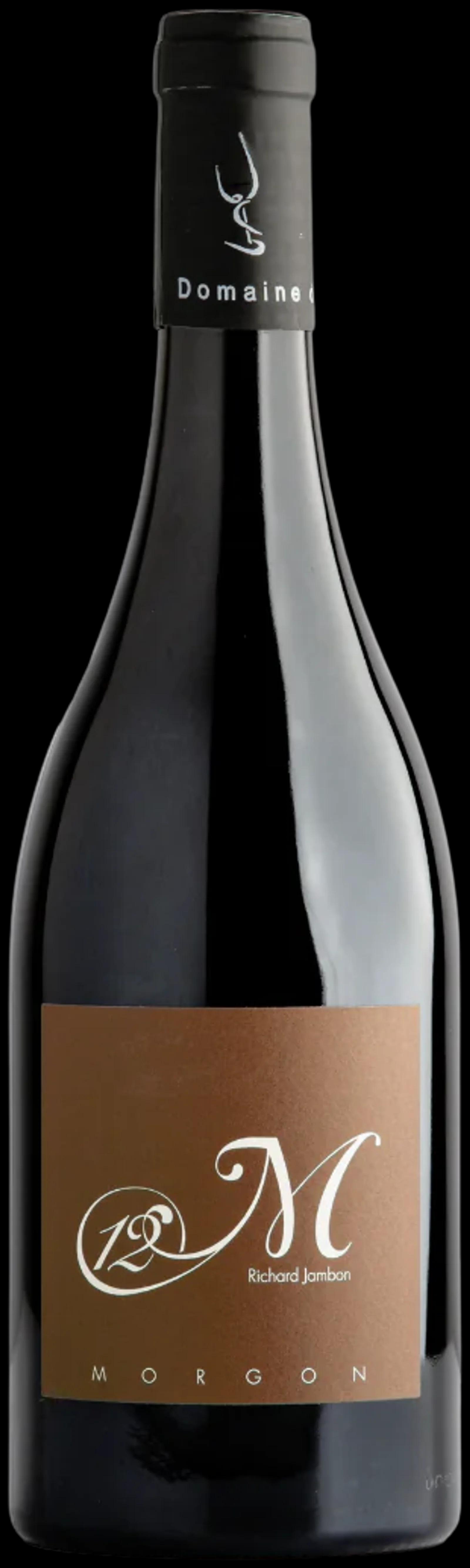
Beaujolais earned an unfair reputation from Beaujolais Nouveau — the young, fruity wine released each November — but the region is far more varied than that one style suggests. The ten named crus in the north, from Brouilly and Morgon to Moulin-à-Vent and Fleurie, are made to age and taste quite different from the lighter wines produced on sandier ground to the south. Granite and schist in the crus give Gamay a structure and depth that few people associate with the region until they try it.

Previous1 of 1Next

Beaujolais producers

On Free Grape Society, producers ship directly from their own cellar, with no importer or warehouse in between, so the grower stays the point of contact for what they make. Beaujolais has a long tradition of small, family-run domaines farming a handful of parcels — buying direct keeps that relationship intact and the price reflects the work in the vineyard rather than the margin of an intermediary.

View all wineries from Beaujolais

Wine experts

Independent wine experts on Free Grape Society rate and review wines they have personally tasted. Their notes are visible on each wine page alongside the expert's own profile, so you can follow reviewers whose palate matches yours. Several of the experts active on this page have reviewed Beaujolais wines from producers listed here — their track record is public and builds over time.

View all wine experts

Frequently asked questions

How do I buy directly from a Beaujolais producer on Free Grape Society?

Browse the producers listed on this page and open any winery profile to see their wines. Add bottles to your cart and check out using Klarna or card. The order ships directly from the producer's cellar in Beaujolais, with free delivery to your door within 4 to 14 days. There is no importer or warehouse in between.

What happens if a bottle arrives broken or doesn't taste right?

Send a photo to Free Grape Society customer support within 7 days of delivery. We will arrange a replacement or a refund. Because producers ship directly, quality issues are handled with the producer's direct involvement. Shared responsibility is built into how FGS works.

Can I order from more than one Beaujolais producer in the same order?

Yes. You can add wines from different Beaujolais producers to the same cart. Each producer ships their own bottles separately from their own cellar, so you may receive more than one delivery. Shipping is free from each producer, and you will get a tracking update for each parcel.

How long does delivery take?

Average delivery is 8 to 9 days from order to door. The full range is 4 to 14 days depending on the producer's location and your delivery address. Wines ship directly from the producer's cellar, not from a central warehouse.

How do I find the right Beaujolais producer for what I am looking for?

If you know which cru you want — Morgon, Fleurie, Moulin-à-Vent — start there and look for producers based in that appellation. If you are less certain, open a few winery profiles and read how the grower describes their farming and cellar work. You can also ask a wine expert for a personal recommendation from the Beaujolais producers listed here.

How does Free Grape Society decide which Beaujolais producers to list?

Producers send samples, and those samples are tasted before a wine is listed. We look for growers with a direct relationship to their vineyards and pricing that reflects the work without the mark-ups added by importers and warehouses. Independent wine experts then rate and review individual wines, adding a public layer of assessment that buyers can read on each wine page.

Which Beaujolais wine expert can recommend something for me?

The wine experts listed on this page have experience with Beaujolais and can give you a personal recommendation. Fill in the question form on any expert's profile and they will get back to you with suggestions based on what you are looking for, whether that is a specific cru, a lighter style, or something to cellar.

Why don't you carry every wine from every Beaujolais producer you work with?

We list wines that have been tasted before listing and that we have a direct relationship with the producer to supply. Not every wine in a grower's range fits that process at any given time. Some producers list a focused selection rather than their full output, and the range grows as the relationship develops.

How is buying from a Beaujolais producer on Free Grape Society different from buying in a wine shop?

In most wine retail, a Beaujolais bottle passes through an importer and a distributor before it reaches the shelf, and each step adds a margin. On Free Grape Society the producer ships directly, so the price reflects the cellar rather than the supply chain. You also get access to independent expert reviews and can ask a wine expert for advice before you buy.

Understanding Beaujolais beyond the Nouveau

Beaujolais sits at the southern tip of Burgundy but operates by its own logic. The region is built almost entirely on Gamay, a grape that produces wines ranging from light, juicy, and meant for drinking young to structured, age-worthy bottles from the granite hillsides of the north. That northern stretch — the Beaujolais Villages zone and, above it, the ten named crus — is where the region's most serious wines come from. Crus such as Moulin-à-Vent, Morgon, and Fleurie each have their own character shaped by soil type: granite gives tension and longevity, while the schist of Chiroubles and the manganese-rich soils of Moulin-à-Vent pull the same grape in markedly different directions. Beaujolais Nouveau, released every third Thursday of November, is one style among many, not the whole picture.

The ten crus and what separates them

Each of Beaujolais's ten crus is a specific geographic zone with its own geology and, in practice, its own personality in the glass. Morgon, sitting on decomposed schist and diorite, tends toward dark fruit and can develop for a decade or more. Fleurie, on sandy granite, produces lighter, more perfumed wines. Moulin-à-Vent is often the most concentrated, its manganese-laced soils thought to contribute to the grip that lets the wine age. Brouilly and Côte de Brouilly circle the same volcanic hill, with the Côte offering more mineral tension. Chénas, Chiroubles, Juliénas, Régnié, and Saint-Amour round out the ten, each small enough that the individual grower's approach shapes the wine as much as the appellation does. Browsing by producer rather than by crus name often tells you more. You can explore the full French wines range or go straight to Beaujolais to see which independent growers are currently listed.

Gamay, soil, and the way Beaujolais is made

Gamay is a thin-skinned, early-ripening grape that is sensitive to where it grows. On heavy clay soils it can turn dilute; on the granite and schist of the northern crus it finds the structure to produce wines with real depth. Most Beaujolais is made using carbonic or semi-carbonic maceration — a technique in which whole bunches ferment inside sealed vats before the grapes are pressed — which amplifies the grape's natural cherry and violet aromas and keeps tannins low. Growers working the crus often combine whole-cluster fermentation with more conventional winemaking, pulling structure from the skins while preserving the freshness Gamay offers. The result is a range that runs from wines to open an hour after purchase to bottles worth cellaring alongside Burgundy or the Rhône Valley. Independent growers in Beaujolais tend to farm small parcels, which means the winery behind the label matters: the same crus from two different estates can taste quite distinct. On Free Grape Society, producers ship directly from their own cellar, with no importer or warehouse in between, so the wine that arrives reflects the choices of the person who grew and made it.