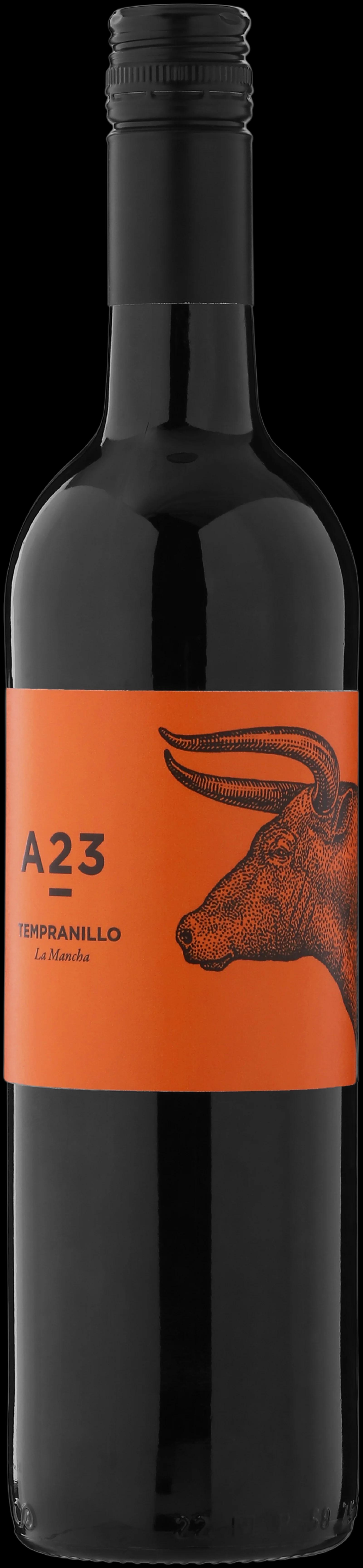
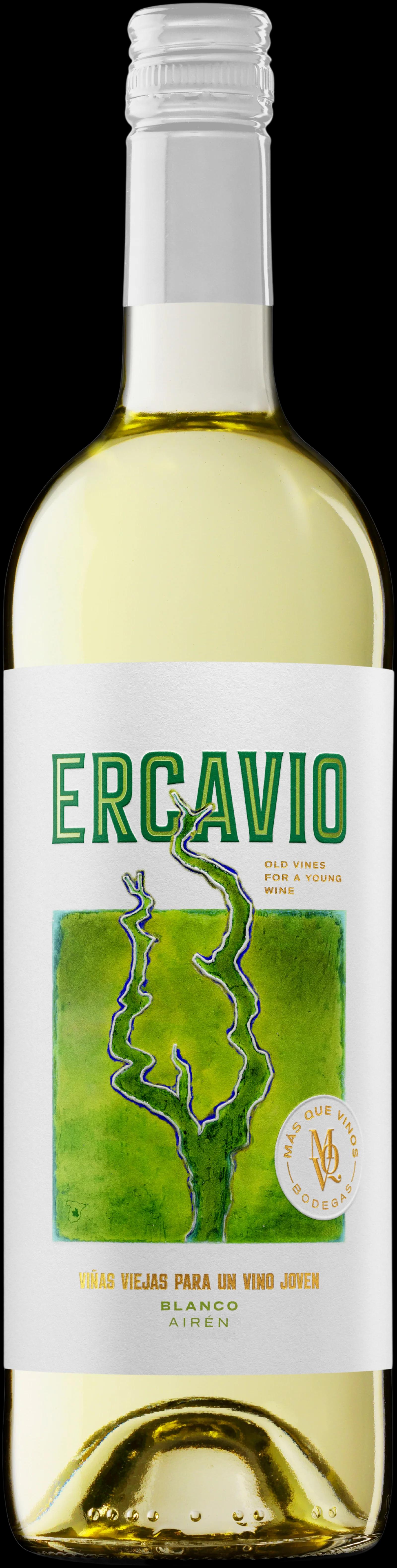
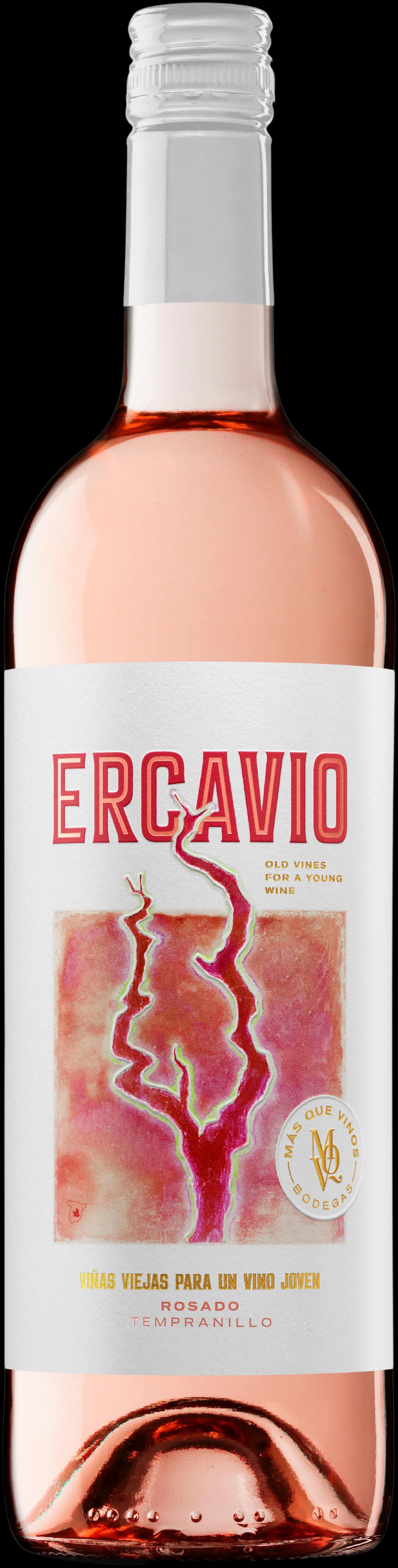
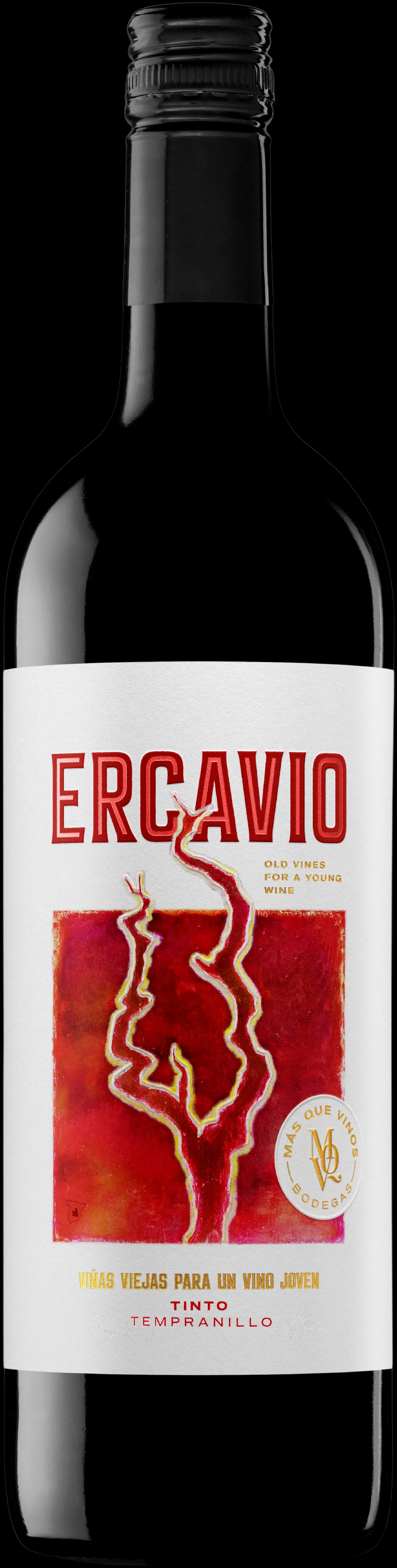
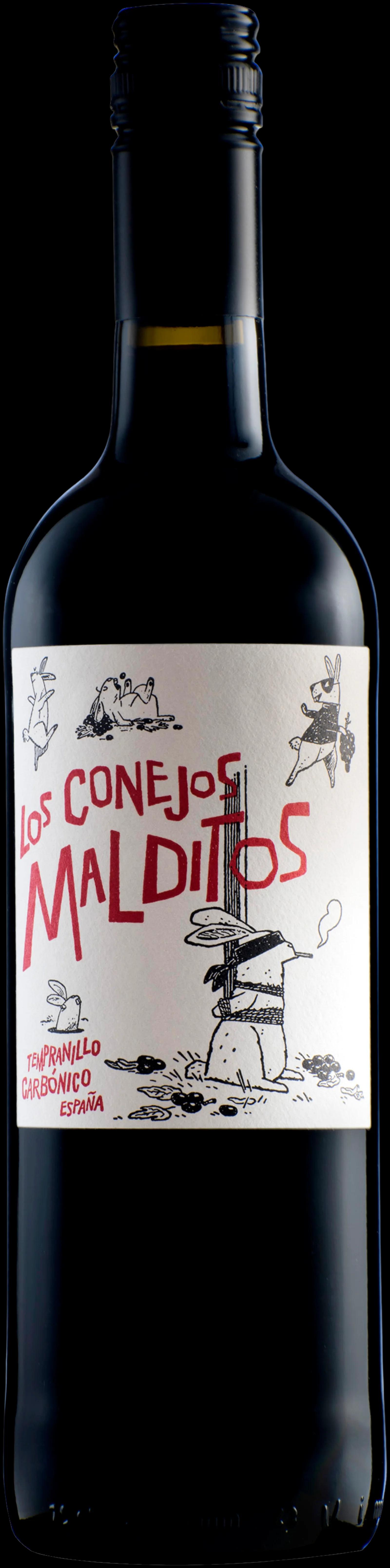
The producers of Castilla-La Mancha
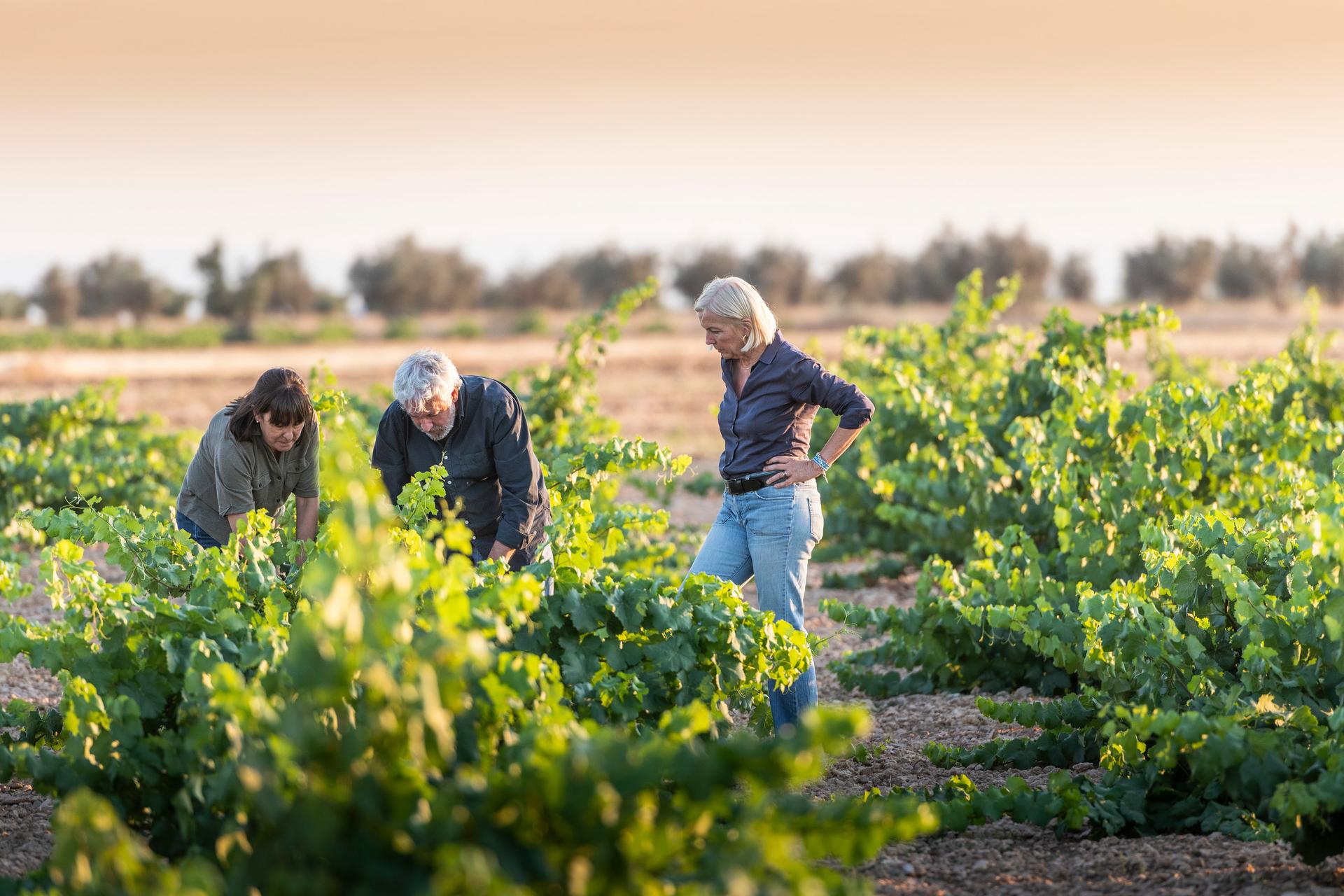
Castilla-La Mancha sits on a high inland plateau south of Madrid, where the continental climate swings between cold winters and long, hot summers. Those conditions push vines to work hard, producing grapes with concentrated flavour and natural structure. The region is the largest wine-producing area in Spain by surface, yet most of the independent growers working here operate at a small scale, farming their own vineyards and making decisions from the ground up rather than at a cooperative level. The dominant grapes tell you a lot about the place: Tempranillo under its local name Cencibel produces reds with firm backbone and dark fruit, while Airén — one of the world's most widely planted white varieties — thrives in the dry heat and delivers wines that are fresher than the climate might suggest. Garnacha and Monastrell also appear across the region, particularly in the warmer southern zones. The appellations within Castilla-La Mancha each have their own character: La Mancha DO covers the central plateau, Ribera del Júcar draws on gravel soils near the river, and Jumilla-adjacent Manchuela pushes into hillier terrain where altitude moderates the heat. Producers listed on Free Grape Society from this region work across those sub-zones, shipping directly from their own cellars.
How we choose our producers
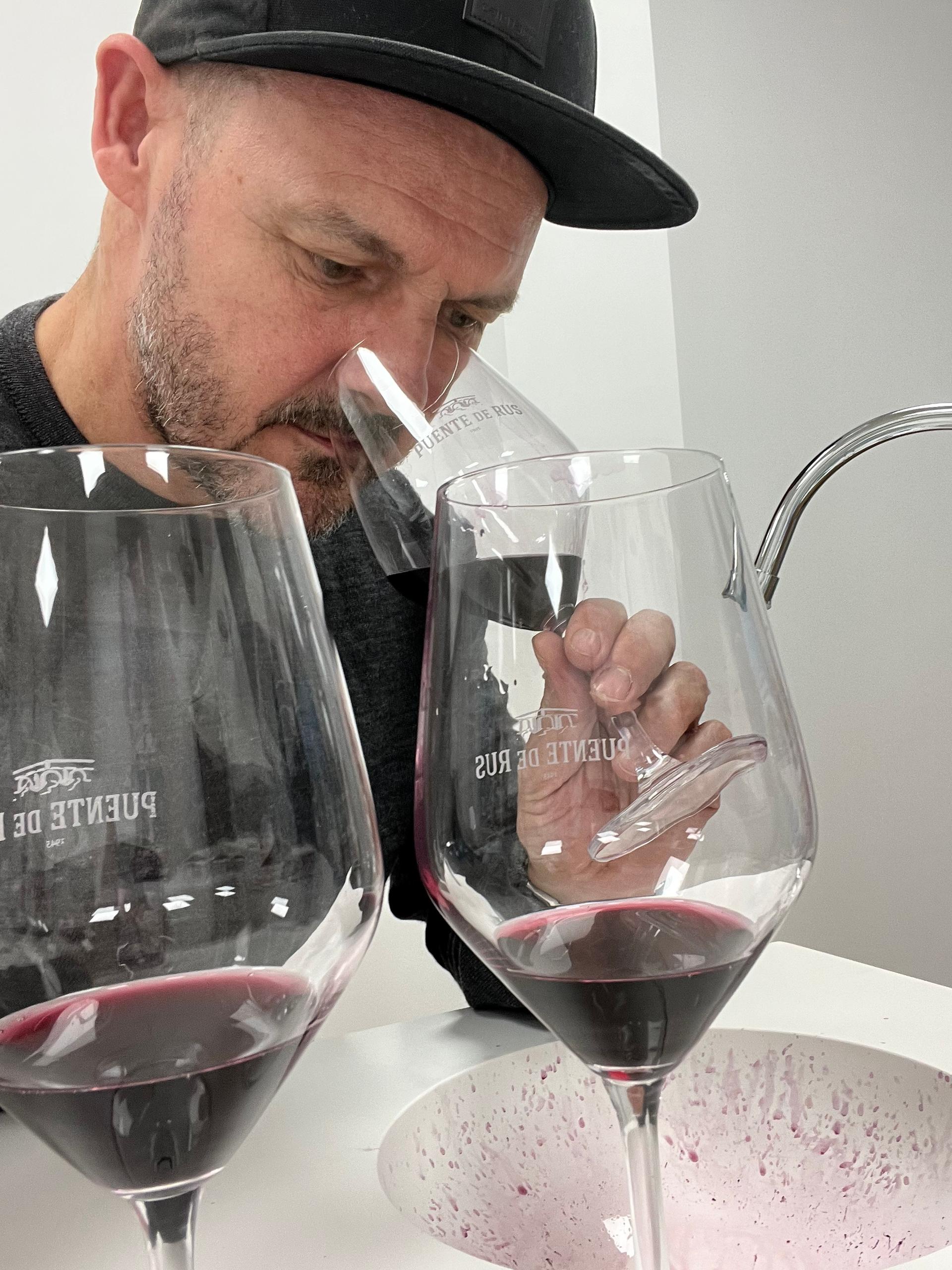
We work directly with the growers behind the wines, so we get to know how they farm and what they charge before a single bottle is listed. Producers send samples, and those samples are tasted before a wine is listed, which means the decision rests on what is in the glass rather than on a label or a reputation. In Castilla-La Mancha that matters: the region produces an enormous volume of wine across a wide range of quality levels, and working directly with individual estates rather than through importers or large warehouses means the grower sets their own terms and prices. We look for producers whose pricing reflects the work in the vineyard without the mark-ups that come with layers of distribution. Once a wine is listed, independent wine experts rate and review individual bottles, building a public track record that buyers can read on the wine page. We do not try to carry the full output of the region: we list wines tasted before listing, from producers we have a direct relationship with. Free Grape Society is a society of producers, independent experts and wine lovers, not a shop, and that direct relationship is what makes the difference.
Winemaking traditions in Castilla-La Mancha
The winemaking culture of Castilla-La Mancha has shifted considerably over the past few decades. For much of the twentieth century, the region supplied bulk wine to other parts of Spain and Europe for blending, with cooperative production dominating and individual estate identity rarely communicated on a label. That changed as independent producers began bottling under their own names, investing in temperature-controlled fermentation to preserve freshness in a hot climate, and in some cases returning to older farming practices such as training vines low to the ground — the traditional en vaso or bush-vine method — which shades the soil and retains moisture without irrigation. Altitude plays an increasingly deliberate role: growers in the higher-elevation corners of the region, where nights cool sharply, are producing whites and rosés with noticeably more acidity and lift than the regional stereotype suggests. Airén, long dismissed as a workhorse grape, is now being made as a serious white wine by producers willing to harvest earlier and ferment carefully. Alongside the native varieties, some estates work with Syrah and other international grapes, though the most distinctive wines tend to centre on what grows most naturally here. The wines of Castilla-La Mancha, the wine cases from regional producers, and producers from neighbouring regions such as Murcia, Aragon and Valencia offer points of comparison for anyone building a picture of central and eastern Spain.