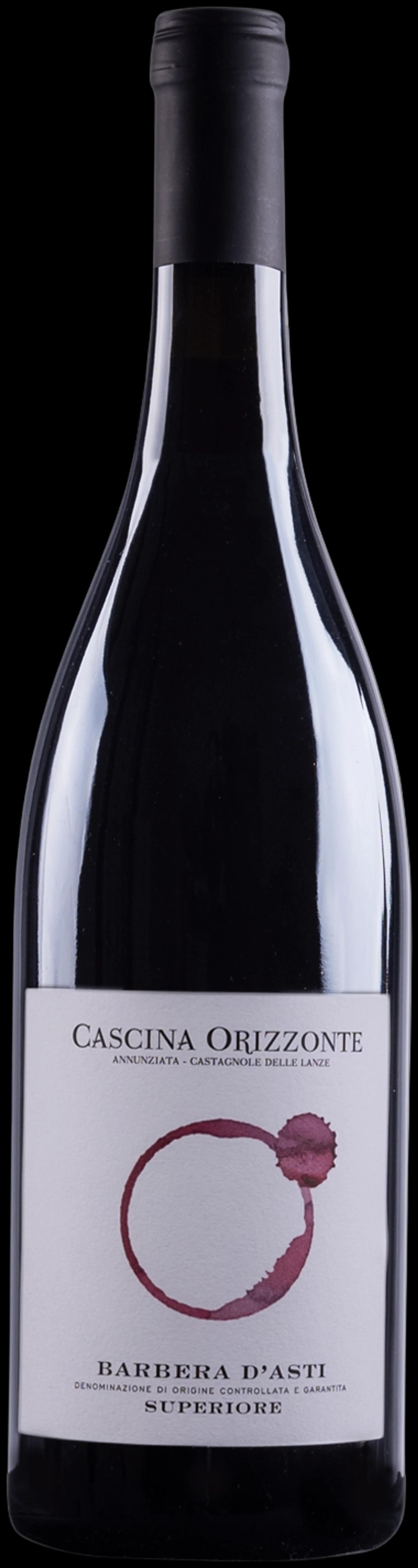
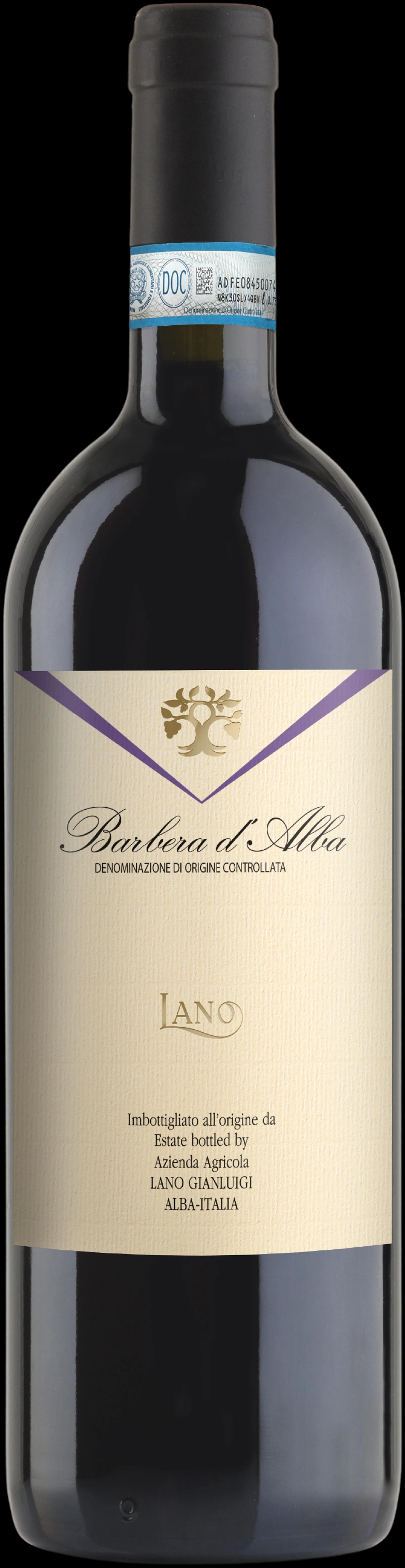
Barbera from Italy — the grape that earns its place at the table

Italian Barbera, direct from the producer. Every wine tasted before listing.

High-acid, low-tannin reds from Piedmont and beyond.

Color

Dropdown arrow

Type

Dropdown arrow

Country (1)

Dropdown arrow

Region

Dropdown arrow

Grape (1)

Dropdown arrow

Pairing

Dropdown arrow

Sort by

Sort arrow
Italy
Barbera

Italian Barbera

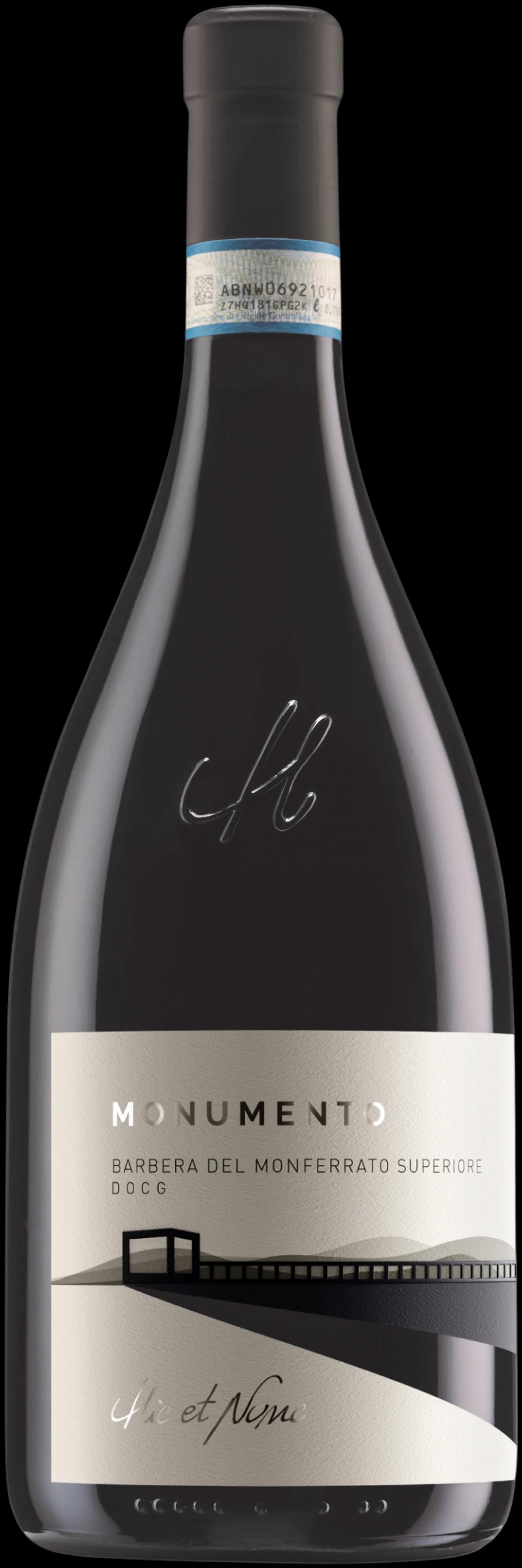
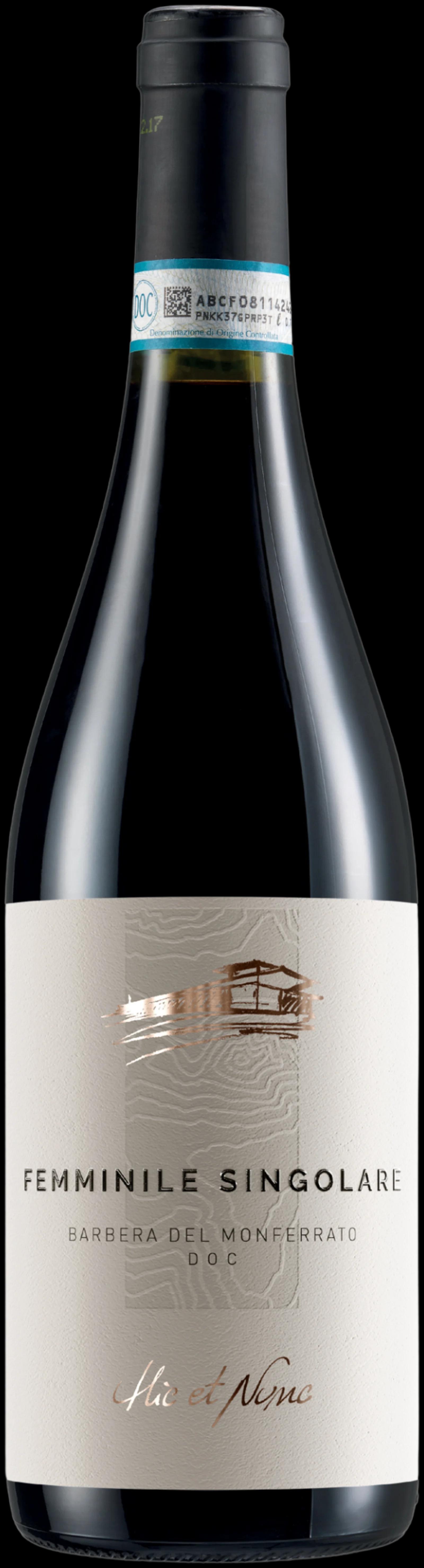
Barbera is Italy's third most planted red grape by volume, but it rarely gets the attention given to Nebbiolo or Sangiovese. In Piedmont, where it dominates, the grape grows on calcareous clay soils at 200 to 400 metres elevation. That altitude and soil combination keeps natural acidity high even in warm vintages — often above 6 g/L tartaric. Barbera d'Asti DOCG and Barbera d'Alba DOC are the two benchmarks: Asti tends toward rounder, fruit-forward expression; Alba, sharing vineyard land with Barolo, can take on more structure. Neither is the same wine, despite sharing a name.

Previous2 of 2Next

Frequently asked questions

How do I order Italian Barbera on Free Grape Society?

Browse the wines listed above. Each listing shows the producer, appellation, and vintage. Add bottles to your cart and check out in one transaction. Wines ship directly from the producer's cellar in Italy to your door. No account is required to browse.

What happens if a bottle arrives broken or doesn't taste right?

Send a photo to Free Grape Society customer support within 7 days of delivery. We will arrange a replacement or a refund. Because producers ship directly, quality issues are handled with the producer's direct involvement. Shared responsibility is built into how FGS works.

Can I order Barbera alongside other Italian wines in the same checkout?

Yes. You can mix Barbera with other Italian wines from different producers in one cart. Each producer ships their own wines separately, so a mixed order may arrive in more than one delivery.

How long does delivery take?

Average delivery is 8 to 9 days from order to door. The full range is 4 to 14 days depending on the producer's location and your delivery address. Wines ship directly from the producer's cellar, not from a central warehouse.

How does the Barbera selection on FGS differ from what I find in retail?

Retail wine buyers select for price points and shelf-life, not producer story. The Barbera producers on FGS are independent estates that set their own prices and ship directly. That means access to smaller-volume bottlings that never enter conventional distribution channels.

What styles of Italian Barbera are available, and how do I choose between them?

Barbera d'Asti is typically lighter and fruit-forward. Barbera d'Alba often has more body because it shares terroir with Barolo vineyards. Some producers use oak aging to add structure; others bottle unwooded to keep the grape's natural acidity. Each listing on FGS shows the producer's own notes on style and production approach.

Which wine expert on FGS can recommend an Italian Barbera for me?

Several wine experts on FGS specialise in Italian wines and have reviewed Barbera producers directly. Browse the expert profiles on the platform to find one whose focus matches what you are looking for. You can message any expert directly with a question.

Why don't you carry Barbera from every Italian producer?

Every wine on FGS is tasted by our Head of Product before listing. Only producers whose wines pass that review go live. That means the Barbera selection here is smaller than a general catalogue, but every bottle has been assessed. No producer pays for placement.

Is Italian Barbera available at Systembolaget, or is FGS the only option?

Systembolaget carries a limited number of Barbera labels, mostly from larger producers built for retail volume. The independent estates on FGS tend to produce in smaller quantities and ship directly, which means most of them are not in the Systembolaget range.

Barbera in Italy: where it grows and how it behaves

Barbera is Italy's third most planted red grape by volume, but its geographic center is Piedmont, where it fills the valleys below Barolo and Barbaresco. In Asti and Alba, the grape has DOC and DOCG status in its own right — Barbera d'Asti and Barbera d'Alba — which tells you something about how seriously Piedmontese producers take it. The key structural fact about Barbera is its acid profile: it retains high tartaric acid even in warm vintages, which is unusual for a variety that also accumulates sugar quickly. That combination produces wines with deep color, low tannin, and a sharp acid spine that makes them cut through fat on the table without needing years in the cellar. Outside Piedmont, Barbera grows in Lombardy and scattered across Emilia-Romagna, but the Piedmontese expressions dominate both in volume and in the attention they receive from producers working at estate level. On Free Grape Society, the Barbera producers tend to be single-estate operations in Asti or Alba — not négociant blends.

How Italian Barbera compares to other Italian reds

The comparison that matters most is with Nebbiolo, because the two grapes grow in the same hills and are often made by the same producers. Nebbiolo is high-tannin, slow to open, built for aging. Barbera is the opposite: it goes into the bottle with almost no tannin resistance, and the acid does the structural work instead. That is not a deficiency — it is a different architecture. A Barbera d'Asti from a good producer at three years old is often more expressive than a Barolo at the same age. The question of oak is also relevant here. From the 1990s onward, a number of Piedmontese producers began aging Barbera in small French barrique rather than large Slavonian oak. This adds tannin structure from the wood, rounds the acid slightly, and produces a denser, darker style. The traditional approach uses larger casks and shorter contact, keeping the grape's natural acidity forward. Both styles exist on the market. Sangiovese, by comparison, shares Barbera's food-pairing flexibility but has higher tannin and more variability across Italy's regions. Barbera stays closer to its Piedmontese identity wherever it is planted.

Styles of Barbera from Italy: what shapes the variation

Three variables determine what ends up in the glass. First, appellation: Barbera d'Asti DOCG generally requires higher minimum ripeness and tends toward richer, rounder wines, while Barbera d'Alba DOC sits in closer proximity to Nebbiolo vineyards and often shows more precision and tension. Second, oak regime: new French barriques push the wine toward body and structure; large old oak or stainless steel keeps the bright, high-acid character intact. Third, yield: Barbera is a generous producer by nature, and estates that restrict yields to under 40 hectoliters per hectare get concentrated fruit and more defined structure. At higher yields the wine thins out quickly. Producers on Free Grape Society working with Italian red wine in this category are operating at the estate level, with documented grape sourcing and production choices you can read before you buy. No importer, no wholesaler. The price you see is the price the producer agreed to. If you want to compare Barbera against the broader Barbera grape category globally, most of what matters still points back to Piedmont — that is where the variety's identity was built.