Appellations and grapes of Aragón
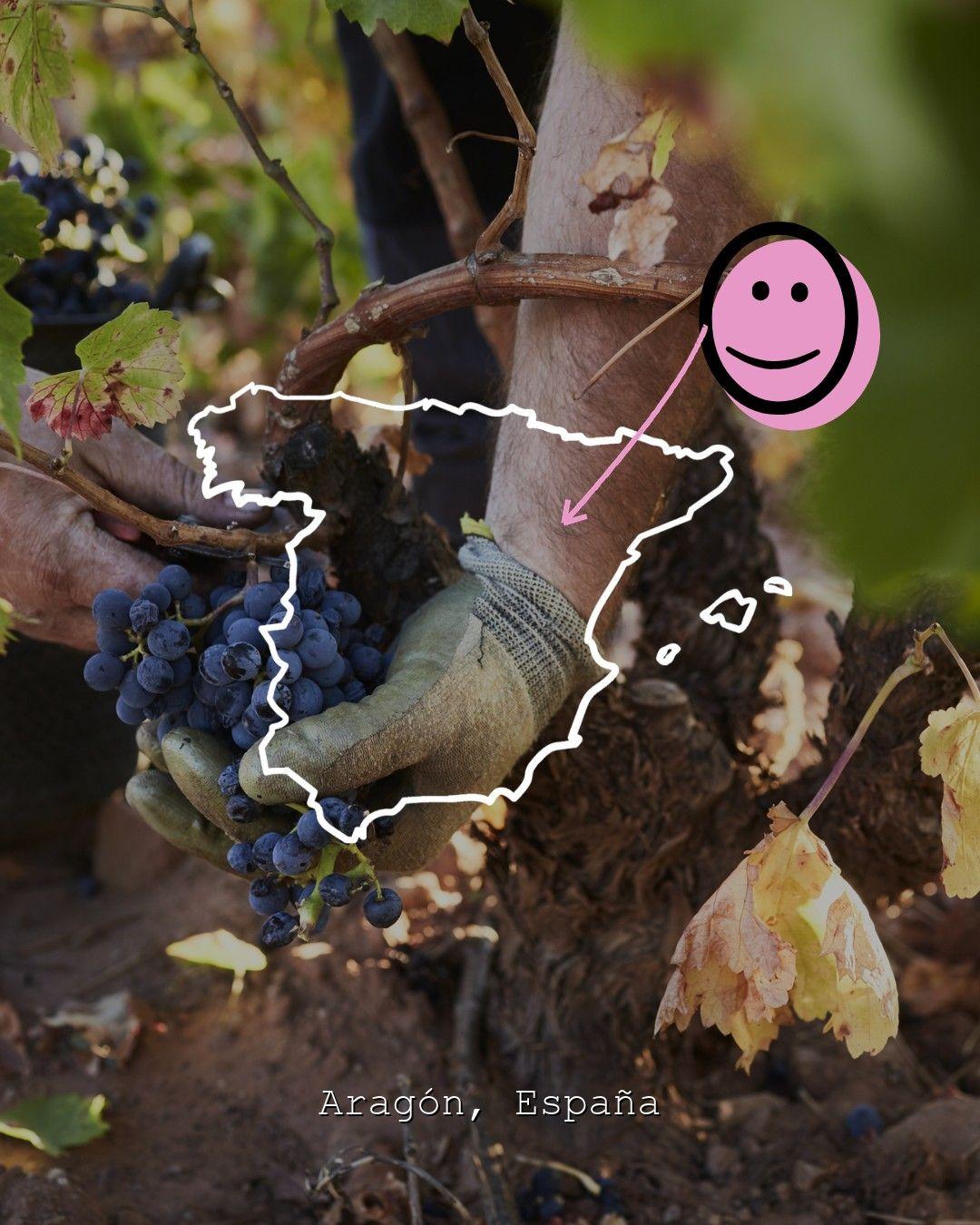
Aragón sits in northeastern Spain, stretching from the Pyrenees in the north to the semi-arid plains bordering Castile in the south. The region contains four DO appellations: Cariñena, Campo de Borja, Calatayud, and Somontano. Each operates under different altitude and soil conditions, which produces meaningfully different wines even from the same grape.
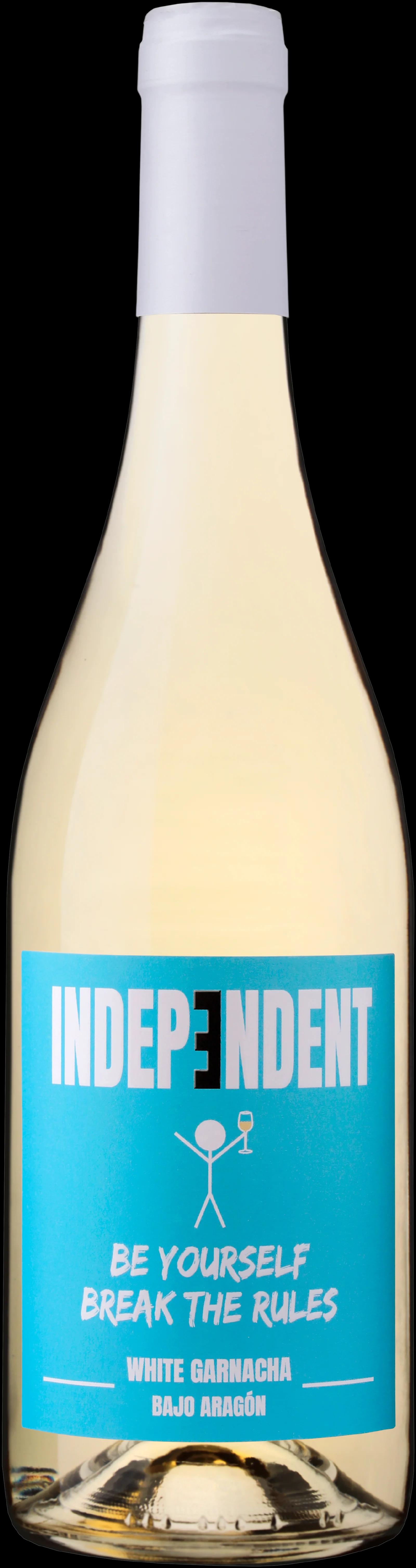
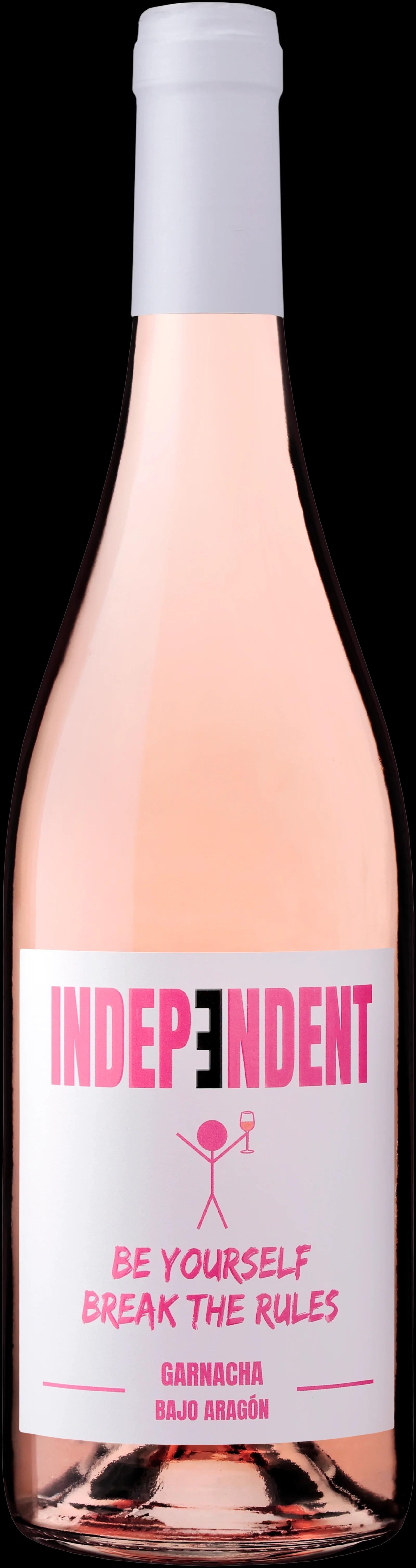
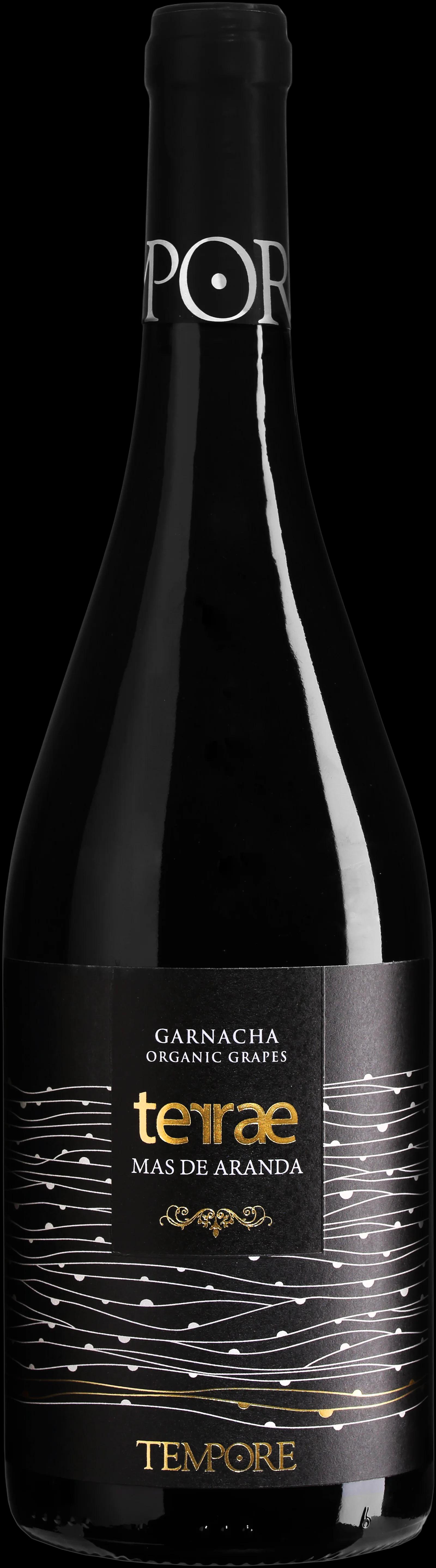
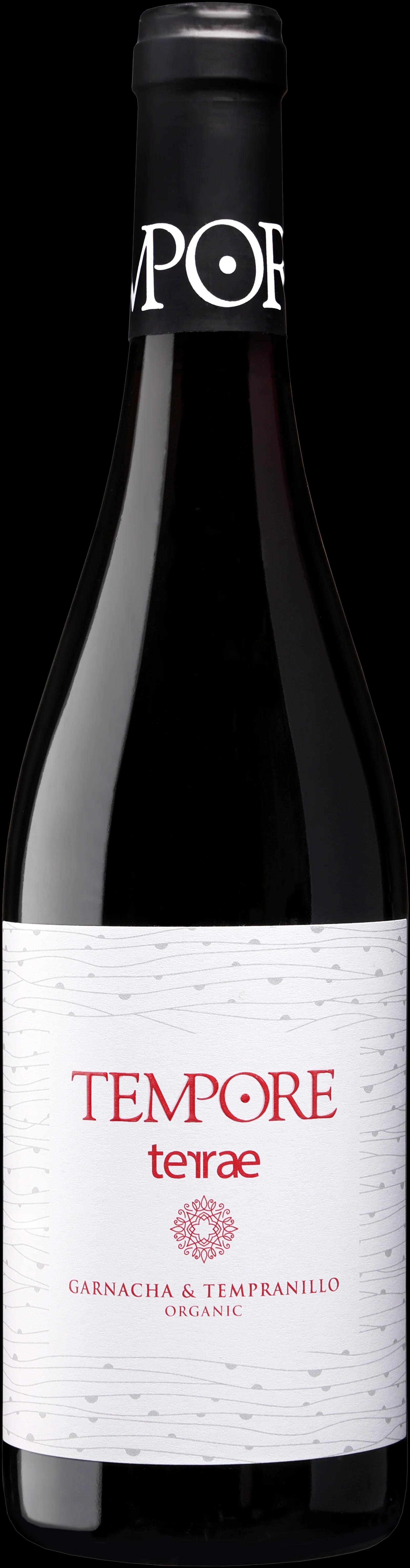
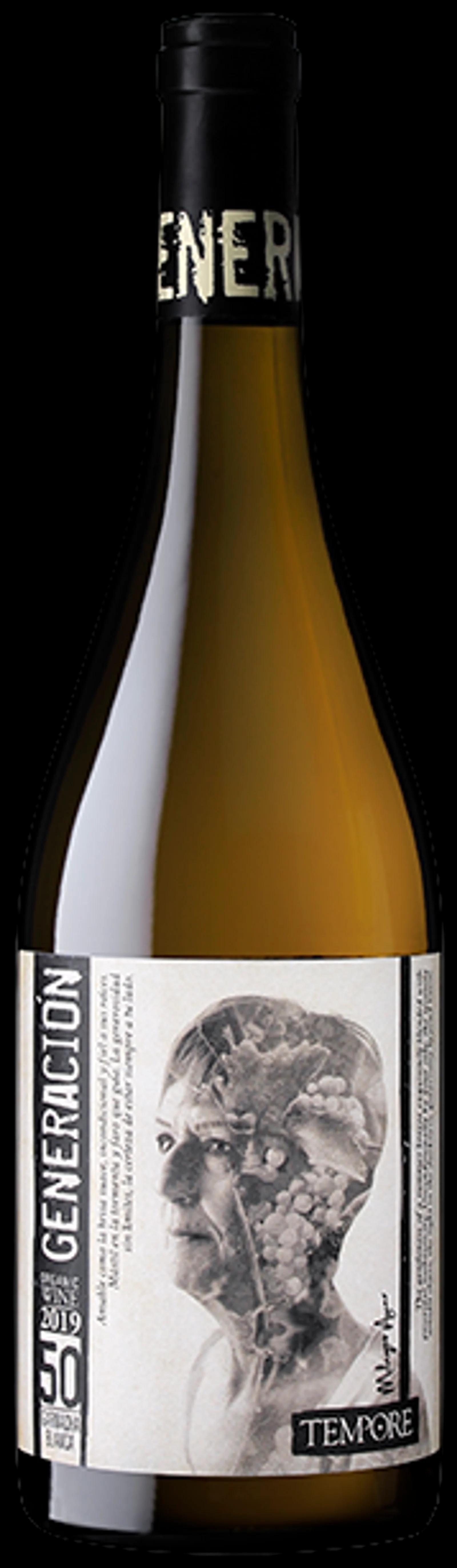
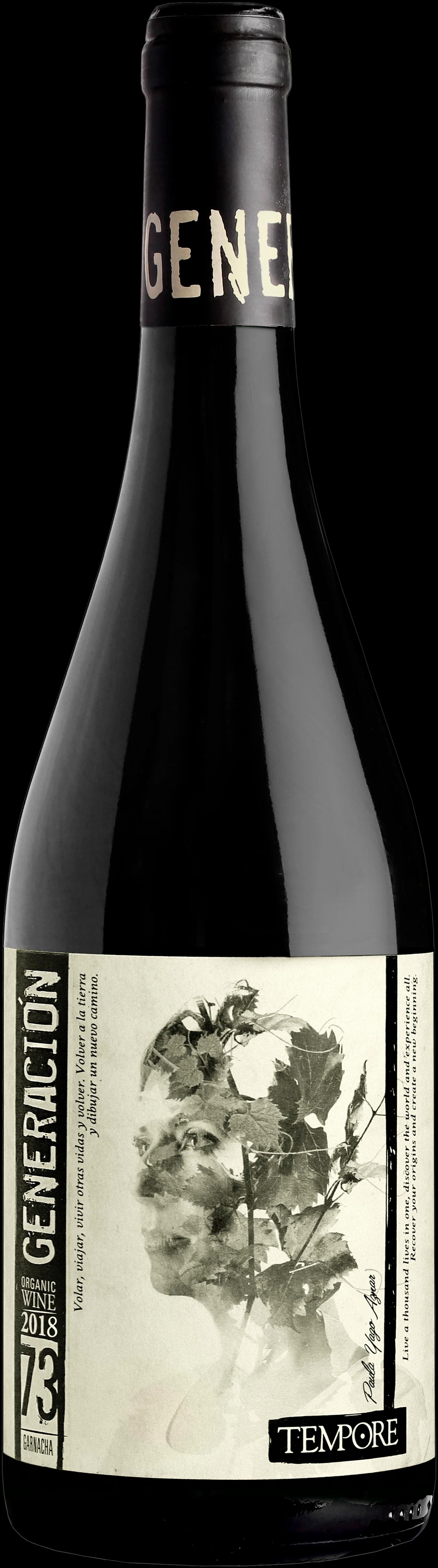
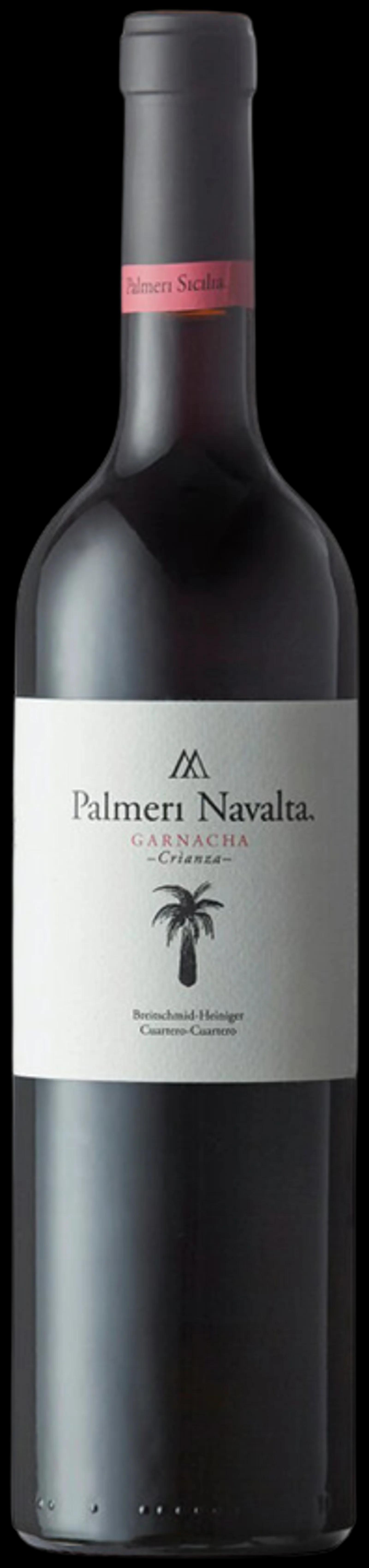
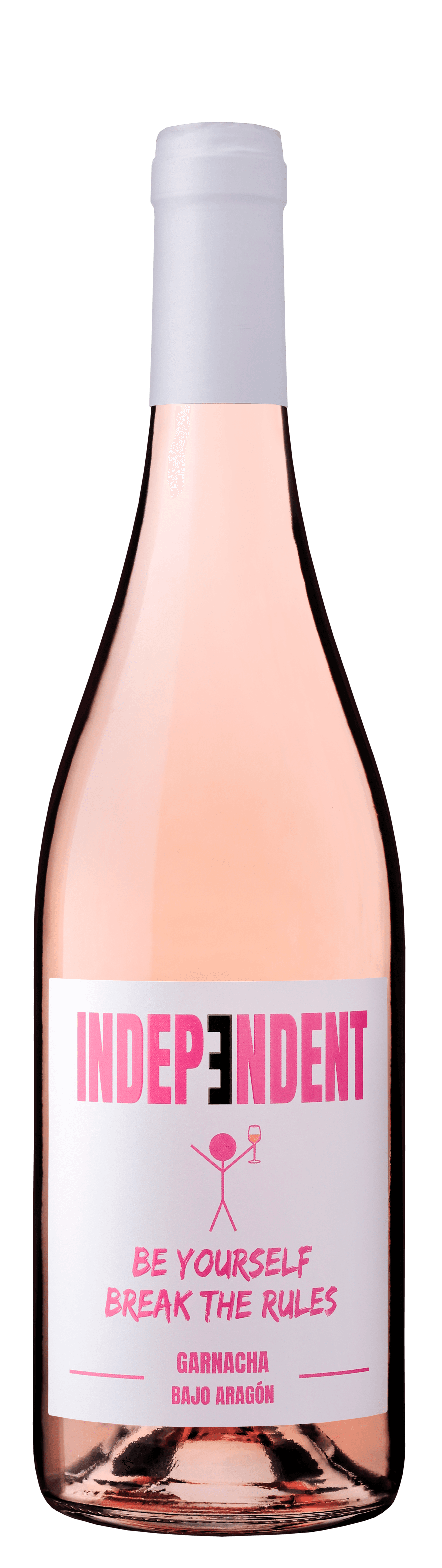
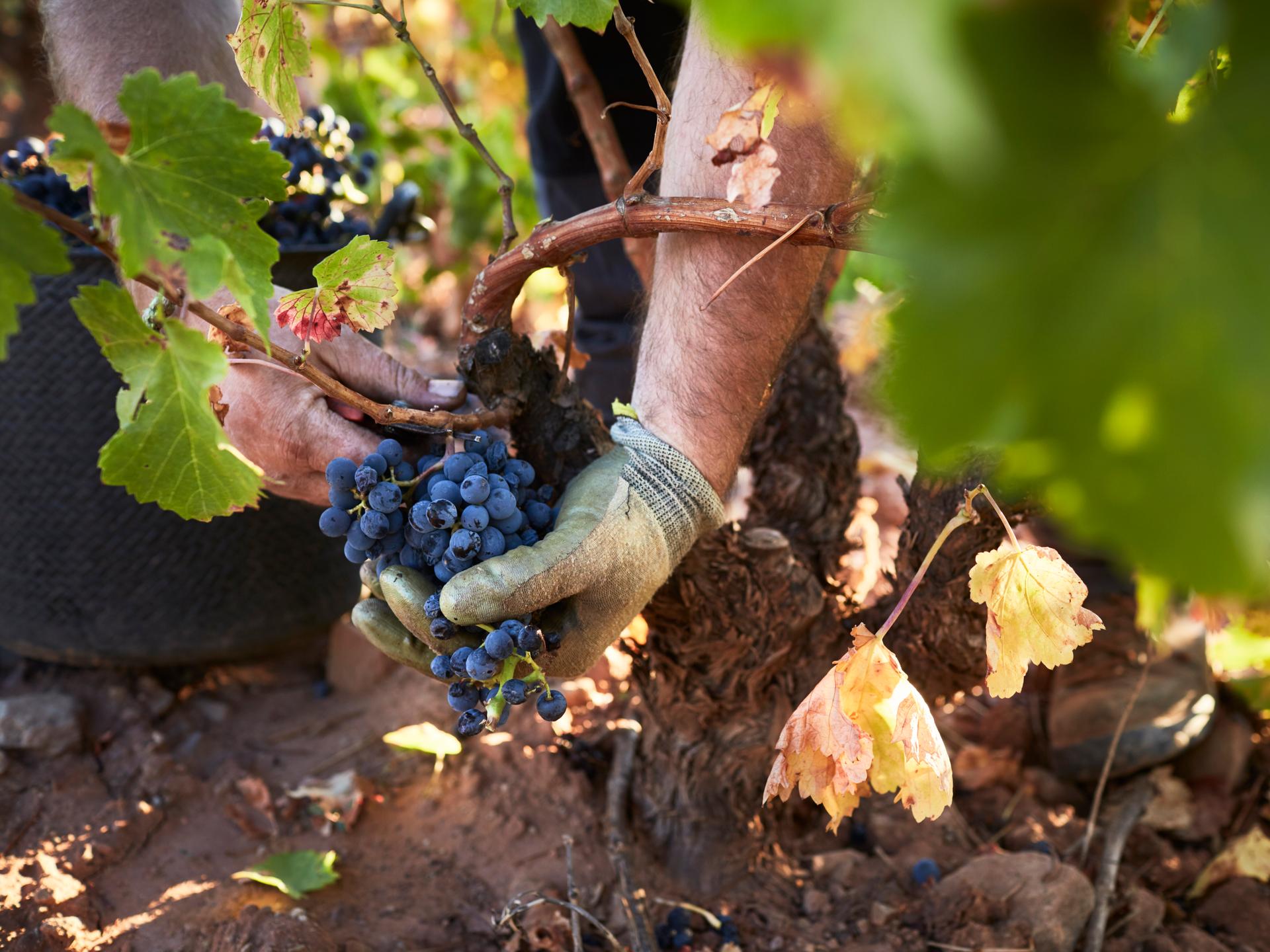
Garnacha is the dominant variety across most of Aragón, particularly in Cariñena and Campo de Borja, where old-vine plantings — some exceeding 80 years — remain common. Old-vine Garnacha from Aragón typically shows a denser structure and lower yields than younger plantings in other Spanish regions. Calatayud, situated at elevations between 600 and 900 metres above sea level, allows Garnacha to retain more acidity than at lower altitudes elsewhere in Spain.
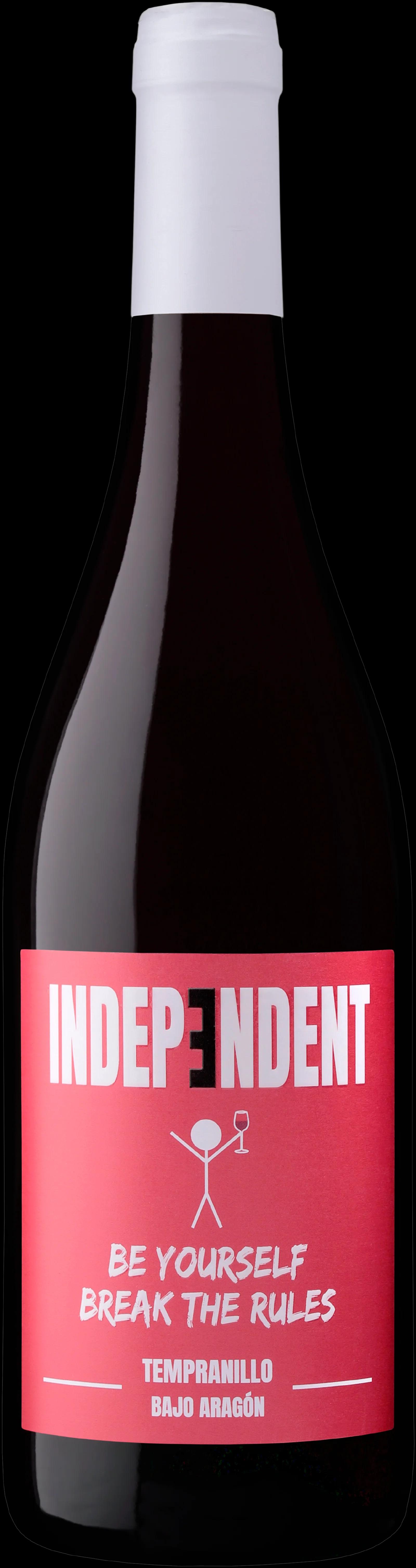
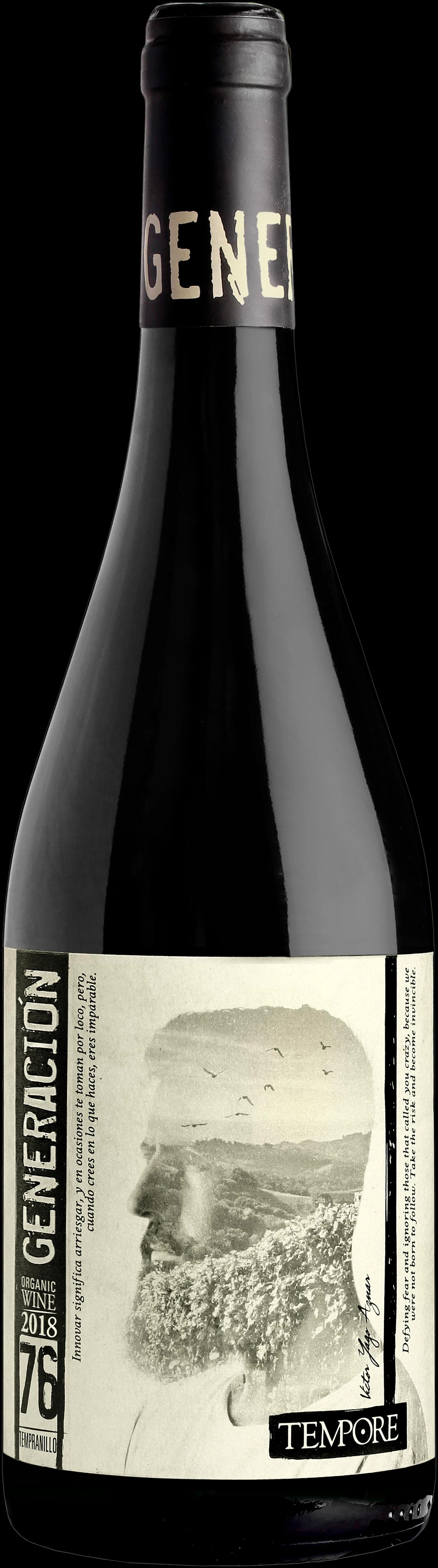
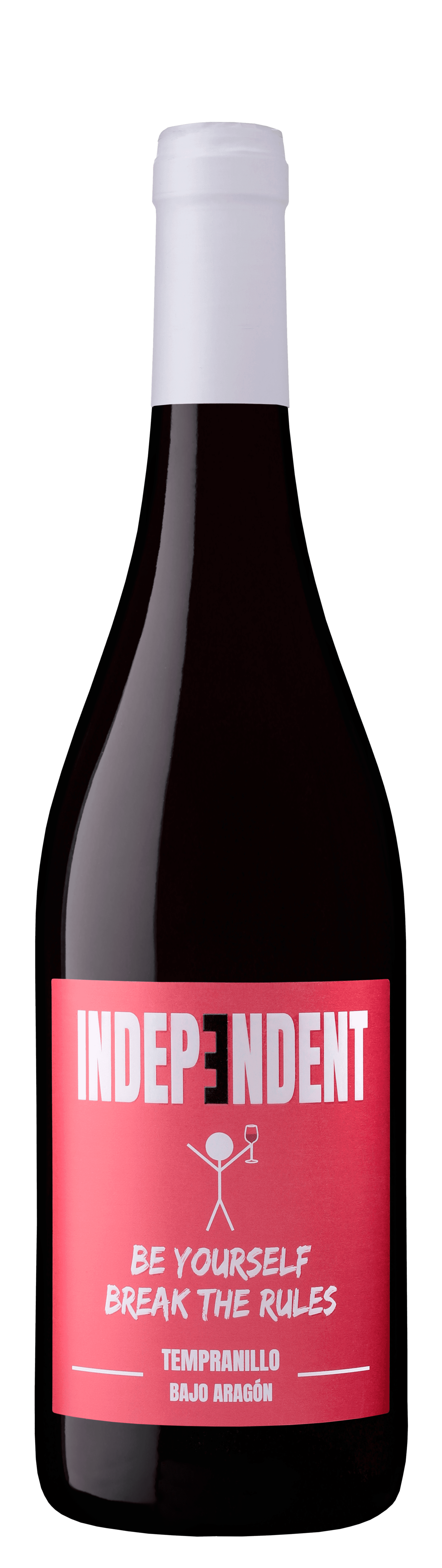
Tempranillo appears across all four DOs, though Somontano is the most variety-diverse appellation in the region, with significant plantings of Cabernet Sauvignon, Merlot, and Syrah alongside native grapes. Somontano is also the youngest of the four DOs by a significant margin, receiving its denomination in 1984, while Cariñena — the grape the French call Carignan — gives its name to a variety cultivated in the area since at least the 12th century. The grape Carignan takes its internationally known name directly from the town of Cariñena.
Climate and terroir across the four DOs
Aragón covers roughly 47,700 square kilometres and sits between two climatic systems: Atlantic influence from the northwest and Mediterranean influence from the southeast. The Ebro river valley runs through the region and moderates temperatures in Campo de Borja and Cariñena, but the cierzo — a cold, dry northwest wind — is the defining force in those appellations. It reduces disease pressure and desiccates the grape skins, which concentrates the fruit without requiring intervention in the cellar.
Calatayud is the highest-altitude DO in the region. Its schist and limestone soils, combined with cold nights during the growing season, produce wines with structural acidity that contrasts sharply with the fuller-bodied styles from lower-lying Cariñena. Producers working in Calatayud often point to diurnal temperature swings of 15 to 20 degrees Celsius in August as a key factor in preserving aromatics.
Somontano's position at the foot of the Pyrenees gives it a cooler, wetter climate than the three southern DOs. Rainfall there averages around 500mm annually, compared to under 350mm in Cariñena. That difference is sufficient to sustain international varieties that would struggle further south without irrigation.
How Aragón producers work with Free Grape Society
These are not the wines your supermarket carries. They are the wines your supermarket cannot carry — produced in quantities too small for national distribution chains, by estates that set their own price and ship directly from the cellar.
Producers, experts, restaurants, and wine lovers are on the same platform, on the same terms. The producer sets the price. The expert rates and reviews wines they have personally tasted. You see the producer's name, the appellation, and the reviews before you order.
Every wine is tasted before listing. Producers send samples to our Head of Product, who tastes each wine before it goes live. Independent wine experts then Rate and Review individual wines on the platform — their reviews are visible on the wine page and on the expert's own profile. No wine is listed on the basis of marketing material or brand recognition alone.
Aragón's four DOs remain significantly underrepresented in export markets relative to Rioja and Catalonia, which means the price-to-quality relationship is often more favourable. Old-vine Garnacha from Calatayud or Campo de Borja, at the prices producers here can offer without a three-step distribution chain, represents a category worth knowing.