Croatian Wine from Independent Producers

Croatia's winemakers work with indigenous varieties — Plavac Mali, Graševina, Pošip — that rarely appear outside the country's own cellars. Browse Croatian wines from independent producers on Free Grape Society.

From the Dalmatian coast to continental Hrvatsko Zagorje, grapes grown nowhere else in Europe.

Color

Dropdown arrow

Type

Dropdown arrow

Country (1)

Dropdown arrow

Grape

Dropdown arrow

Pairing

Dropdown arrow

Sort by

Sort arrow
Croatia

Croatian wines

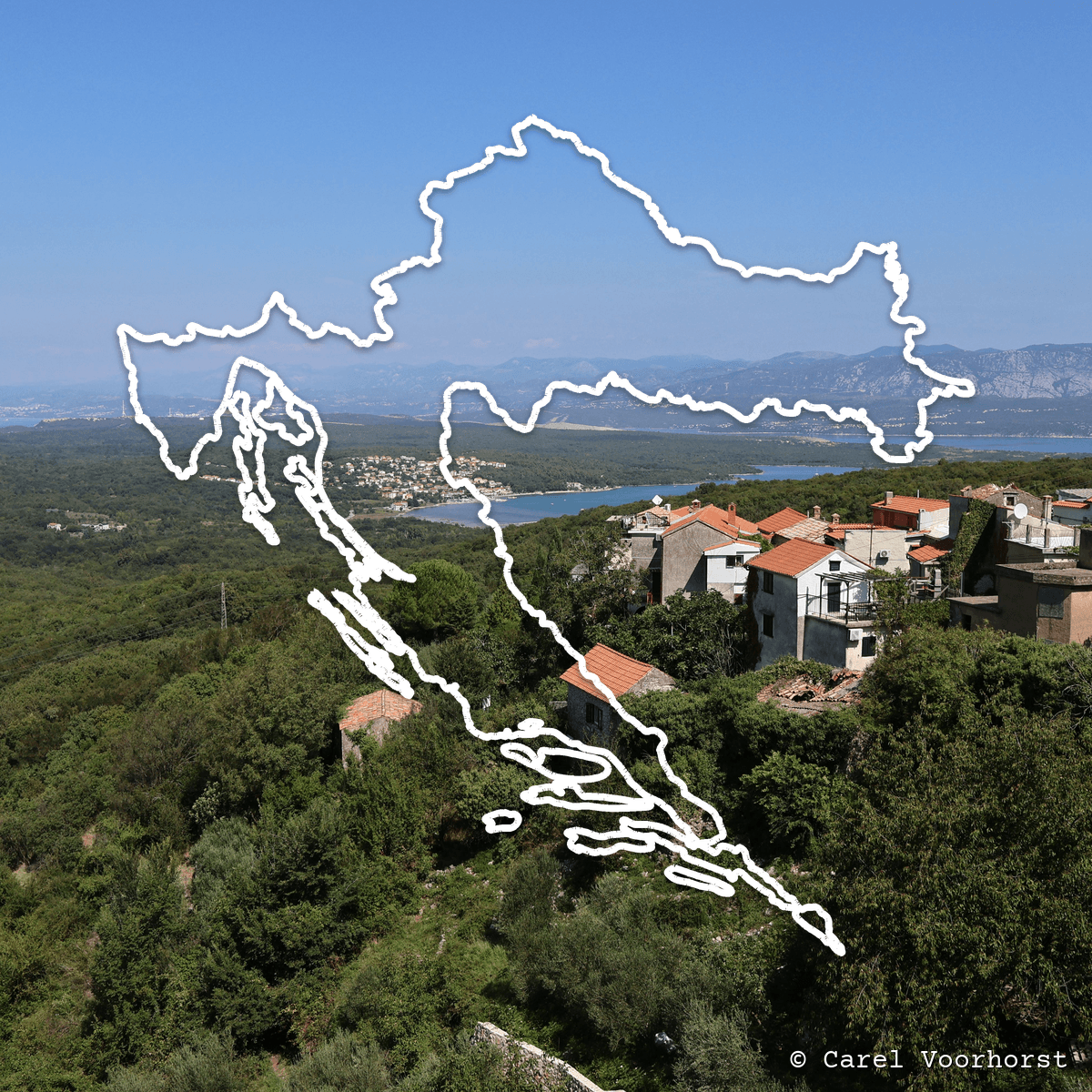
Croatia's wine map splits into two distinct worlds. Along the Dalmatian coast and its islands, Plavac Mali ripens under the Adriatic sun into dense, structured reds; inland and to the north, the continental climate suits Graševina, the white grape that dominates Slavonia. That split — coastal versus continental, indigenous red versus aromatic white — runs through almost every Croatian producer's story. The wines here come from growers working within that geography, shipped directly from their own cellars.

3 of 3 wines

Previous1 of 1Next

Croatian wineries

Croatian producers ship their wines directly from the cellar, with no importer or warehouse between the grower and the buyer. That matters for wines like Pošip and Plavac Mali, which rarely travel through conventional distribution channels and are far easier to find at source than on a retail shelf. Free Grape Society is a society of producers, independent experts and wine lovers, not a shop.

View all wineries from Croatia

Wine experts

The wineries on this page range from small family estates on Dalmatian islands to longer-established producers in the Istrian interior. Most grow and bottle their own fruit. If you are unsure where to begin with Croatian wine, the wine-advice service can help you find a producer and a style that fits.

View all wine experts

Frequently asked questions

How do I order a Croatian wine on Free Grape Society?

Browse the wines on this page and add bottles to your order. Each wine ships directly from the producer's own cellar, so your order may include wines from one Croatian producer or from several — each producer ships their own bottles separately. At checkout you will see the shipping details for each part of your order.

What happens if a bottle arrives broken or doesn't taste right?

Send a photo to Free Grape Society customer support within 7 days of delivery. We will arrange a replacement or a refund. Because producers ship directly, quality issues are handled with the producer's direct involvement. Shared responsibility is built into how FGS works.

Can I order wines from more than one Croatian producer in the same checkout?

Yes. You can add wines from several Croatian producers to your basket and complete a single checkout. Because each producer ships directly from their own cellar, you will receive separate deliveries — one from each producer. Delivery details and timings are shown for each producer before you confirm your order.

How long does delivery take?

Average delivery is 8 to 9 days from order to door. The full range is 4 to 14 days depending on the producer's location and your delivery address. Wines ship directly from the producer's cellar, not from a central warehouse.

How do I find the right Croatian wine for my taste?

A useful starting point is the grape variety. Plavac Mali tends toward dark fruit and firm structure; Pošip is fresh and mineral; Graševina ranges from light and aromatic to fuller, oak-aged styles. You can also browse by producer, read the tasting notes on each wine page, or use the wine-advice service to ask an independent expert for a recommendation.

How does Free Grape Society decide which Croatian wines to list?

Producers send samples, and those wines are tasted before any of them is listed. The assessment covers the wine itself and how the producer works — whether they farm their own fruit, and whether their prices are fair to both grower and buyer. After listing, independent wine experts review wines they have personally tasted, and those reviews appear on the wine page.

Which Croatian wine expert can recommend something for me?

Use the wine-advice service on Free Grape Society to put your question to an independent wine expert with experience in Croatian wine. Fill in the form with what you are looking for — occasion, style preference, budget — and an expert will come back to you with a personal recommendation.

Why don't you sell supermarket-brand Croatian wines?

Free Grape Society works with independent producers who grow and bottle their own wine. Large commercial brands are typically produced by a different model — bought-in grapes, blended across many sources — and sold through conventional retail channels. The growers here represent the other end of the spectrum: individual estates where the person farming the vineyard is the same person bottling the wine.

How is buying Croatian wine through Free Grape Society different from buying in a wine shop?

A wine shop sources its stock through importers and distributors, adding cost and distance at each step. On Free Grape Society, the wine comes directly from the producer — no importer, no warehouse. For Croatian wine in particular, that distinction matters: many of these producers do not have conventional distribution in other European markets, so Free Grape Society may be the most direct route available outside Croatia.

Croatia's wine regions and the grapes behind them

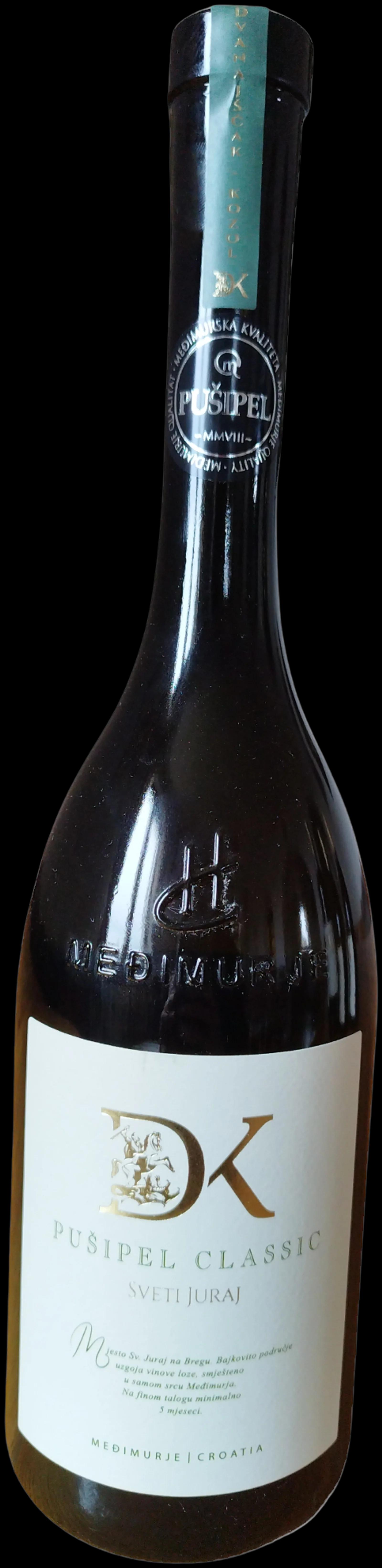
Croatia divides naturally into two distinct wine worlds: the continental interior and the Adriatic coast, and the grapes that thrive in each are largely different. Inland, in regions such as Hrvatsko Zagorje and Međimurje, the cooler climate suits crisp whites and lighter reds. Along the Dalmatian coast and across the islands, the Mediterranean sun and thin limestone soils bring out the character in indigenous red varieties that grow almost nowhere else. Plavac Mali, a close relative of Zinfandel, produces structured, sun-drenched reds on the steep coastal slopes of the Pelješac peninsula. Graševina, the most widely planted grape in the country, dominates the continental east and produces everything from dry table wine to late-harvest styles depending on the vintage and the winemaker's hand. The island of Korčula is known for Pošip, a white grape with a savoury, textured quality that suits the heat without losing freshness. These are not internationally traded varieties — most bottles never leave Croatia — which is part of what makes finding them through an independent grower worthwhile. You can browse the producers behind Croatian wine on the Croatian wineries page, or explore the region of Hrvatsko Zagorje and Međimurje in more detail.

How Croatian wine is labelled

Croatian wine labels follow a geographic logic that takes some reading. The country uses a controlled designation system with two tiers: Oznaka izvornosti (PDO, protected designation of origin) for wines tied to a specific place and production method, and Oznaka zemljopisnog podrijetla (PGI, protected geographical indication) for a broader regional category. In practice, many of the most interesting wines from small independent producers carry a regional or variety designation alongside the producer's own name, which is often the most useful guide to what is in the bottle. Grape variety is commonly listed, which helps when navigating unfamiliar names: seeing Plavac Mali on the label tells you something about the wine's weight and structure before you open it. Vintage variation matters along the coast, where a dry summer can concentrate flavour significantly on the best-exposed slopes. Continental wines tend to be more consistent year to year because the climate is less extreme. If you want to explore the range of Croatian wine available through independent growers, the Croatian wines page is a useful starting point, and the all-wineries listing shows the producers Free Grape Society works with across Europe.

Buying Croatian wine directly from the producer

Croatian wine has historically been difficult to find outside specialist importers, in part because the country's best independent producers are small and have little reason to discount through a distribution chain. Buying directly changes that: when a producer ships from their own cellar, the wine reaches you as they bottled it, without passing through a warehouse. Free Grape Society is a society of producers, independent experts and wine lovers, not a shop — the producers here sell on their own terms, set their own prices, and ship directly to your door. Independent wine experts on the platform review wines they have personally tasted, and those reviews are visible on the wine pages, so you can read what someone with direct knowledge of the wine has said before you order. For producers making wine in a country where domestic distribution is limited and export even more so, a direct relationship with the buyer is often the only way their wine travels at all. If you are curious about what else is available from neighbouring wine countries, you can compare with Italian wines, Greek wines, or browse the full range of wines by country.