




Blaufränkisch — the dark, peppery red from Central Europe's finest cellars

Blaufränkisch is a high-acid, high-tannin red with a distinctive dark-fruit character and a firm, spicy spine. Bottles ship directly from the producer's own cellar.

From Burgenland and beyond, direct from the producers who grow it.

Color

Dropdown arrow

Type

Dropdown arrow

Country

Dropdown arrow

Region

Dropdown arrow

Grape

Dropdown arrow

Pairing

Dropdown arrow

Sort by

Sort arrow
Blaufrankisch

Blaufränkisch wines

Blaufränkisch is one of Central Europe's most versatile red grapes. It ranges from lighter, fruit-forward styles to deeply structured wines built for ageing — often depending on where in Burgenland the vines sit and how long the wine spends in oak. The grape is also grown in Germany (where it appears as Lemberger), in Hungary (as Kékfrankos), and in the Czech Republic, where it has long been part of the local red-wine tradition.

Previous1 of 1Next

Blaufränkisch mixboxes

The producers growing Blaufränkisch on Free Grape Society range from small family estates to growers who have spent decades refining what this grape can do in their particular patch of ground. Free Grape Society is a society of producers, independent experts and wine lovers, not a shop. Producers compose and ship their own selections directly, with no importer or central warehouse between the cellar and the buyer.

Wine experts

Each winery working with Blaufränkisch brings a different perspective to the grape — some lean into its natural acidity for fresher, earlier-drinking styles; others push toward extraction and extended ageing in large or small oak. Independent wine experts on the platform have personally tasted and reviewed a number of the wines listed here, and their notes are visible on the individual wine page and on each expert's profile.

Blaufränkisch producers

The wine experts below review wines they have personally tasted — including Blaufränkisch from producers across Burgenland and neighbouring regions. Expert reviews are visible on the wine page and on the expert's own profile, where you can read their track record across grape varieties and styles. Several of the experts listed here have reviewed Blaufränkisch wines featured on this page.

Frequently asked questions

How do I order a Blaufränkisch wine on Free Grape Society?

Browse the wines listed above, select the bottle or bottles you want, and place your order. Each wine ships directly from the producer's own cellar. You will receive confirmation from the producer once your order is dispatched. Delivery takes an average of 8 to 9 days, with a range of 4 to 14 days depending on the producer's location.

What happens if a bottle arrives broken or doesn't taste right?

Send a photo to Free Grape Society customer support within 7 days of delivery. We will arrange a replacement or a refund. Because producers ship directly, quality issues are handled with the producer's direct involvement. Shared responsibility is built into how FGS works.

Can I order a single bottle or do I need to buy a case?

Single bottles are available from most producers on Free Grape Society. Some producers set their own minimum order quantities, which are shown on the individual wine or producer page. There is no platform-wide case minimum. If you want to explore several Blaufränkisch expressions, a mixbox from one producer is another option — six bottles composed by the producer themselves.

How long does delivery take?

Average delivery is 8 to 9 days from order to door. The full range is 4 to 14 days depending on the producer's location and your delivery address. Wines ship directly from the producer's cellar, not from a central warehouse.

How do I find the right Blaufränkisch wine for me?

The wines listed here span a range of styles — from lighter, more aromatic expressions to deeply structured wines built for the cellar. Filtering by region, particularly Burgenland, narrows the field. Reading the producer's own description and any expert reviews on the wine page gives the clearest picture of what is in the bottle before you order.

Is Blaufränkisch always a red wine?

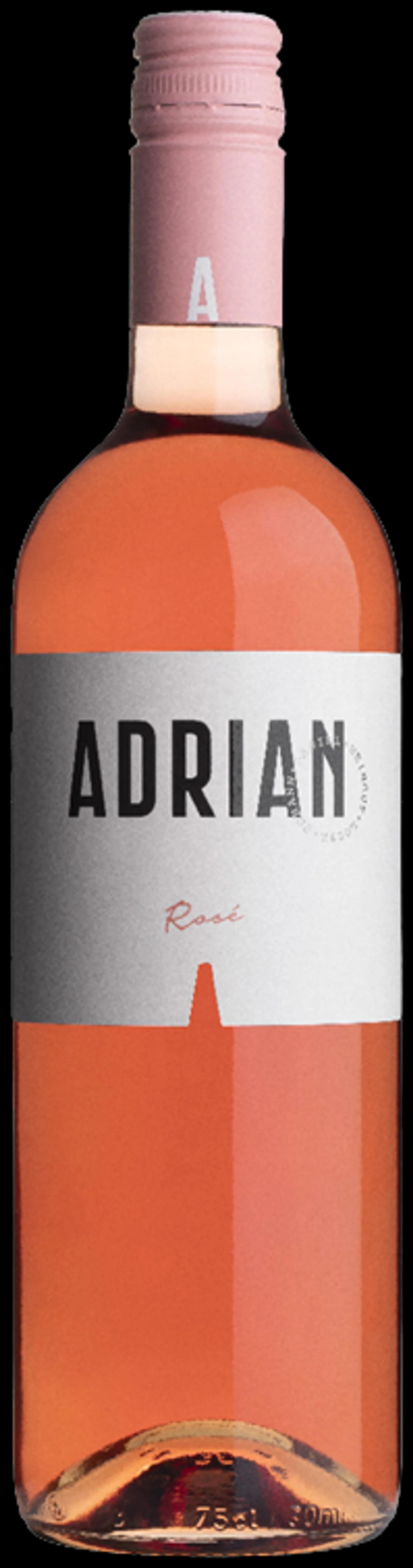
Yes. Blaufränkisch is a red grape variety. It produces exclusively red wine — typically deep in colour, firm in tannin, and high in acidity, often with notes of dark cherry, blackcurrant, and black pepper. Rosé expressions exist but are uncommon. The grape does not produce white wine.

Which wine expert can recommend a Blaufränkisch for me?

The independent wine experts listed on this page have personally tasted Blaufränkisch wines from producers on Free Grape Society. Their reviews and ratings are visible on each wine page and on the expert's own profile. Browse the experts below to find one whose palate and style of writing matches what you are looking for.

Why don't you sell Blaufränkisch wines from the supermarket brands?

Every wine sold through major supermarket chains or national retail networks operates under importer exclusivity agreements. The same label cannot legally be sold through a separate channel. On Free Grape Society, producers sell directly from their own cellar — which means the wines here are not the same wines available in retail, and the producer receives a fair return without a chain of intermediaries.

How is buying Blaufränkisch here different from buying at a wine shop or specialist retailer?

A wine shop sources from importers and distributors, each of whom add their own margin and hold stock in a warehouse. On Free Grape Society, the producer ships directly to you, with no importer or warehouse in between. The wine travels a shorter path, the producer keeps a larger share of the price, and you receive the bottle in the condition the producer intended.

Where Blaufränkisch grows

Blaufränkisch is Austria's most important red grape, and the region that defines it most clearly is Burgenland, a flat, warm stretch of eastern Austria where the Pannonian climate pushes the grape toward full ripeness without losing its characteristic grip. In Burgenland, Blaufränkisch produces wines with dark fruit, firm tannin, and a pronounced peppery edge — sometimes compared to Syrah in structure, though the two share no parentage. Within Burgenland, the DAC appellations of Mittelburgenland and Eisenberg are the quality benchmarks: Mittelburgenland for powerful, age-worthy reds, Eisenberg for more mineral, iron-tinged expressions grown on volcanic soils. Beyond Austria, the same grape appears under different names. In Germany it is called Lemberger or Blauer Limberger, planted mainly in Württemberg. In Hungary it is Kékfrankos, where it forms the backbone of Egri Bikavér. Across these regions the common thread is acidity and spice — Blaufränkisch rarely produces soft, approachable wines in the way that warmer-climate grapes do. It stays angular and food-driven regardless of where it grows, which is partly why it rewards patience in the glass.

What Blaufränkisch tastes like — and how climate changes it

Blaufränkisch is a grape of contrast. The fruit is dark — blackberry, black cherry, plum — but it sits alongside high acidity and a distinctive white-pepper spice that marks almost every expression of the variety. In cooler sites the pepper and mineral notes dominate; in warmer years and lower-lying vineyards the fruit pushes forward and the tannins soften. Oak treatment divides producers: some age Blaufränkisch in large neutral oak to preserve its freshness, others use small barrique to add structure and complexity, and a growing number work with concrete or amphora to keep the grape as direct as possible. The result is a variety with real stylistic range — from lean, almost Burgundian expressions to dense, cellar-worthy reds that need several years to open. The commonality is energy. Blaufränkisch rarely sits still in the glass. It cuts through rich food and ages in a way that Grüner Veltliner's red-wine counterpart rarely does, making it one of the most versatile grapes to come out of Austria. For context on how other Central European varieties behave, Grüner Veltliner shows what the white-wine side of the Austrian tradition looks like.

Blaufränkisch at the table

Because of its acidity and tannin structure, Blaufränkisch is one of the more food-friendly red varieties available from independent producers. It cuts through fat and salt in a way that softer, lower-acid reds cannot. Roasted pork, duck with braised red cabbage, venison, beef goulash, and hard aged cheeses all work well. The peppery character also makes it a natural match for dishes with moderate spice — it echoes rather than clashes. Lighter styles, particularly those from cooler vintages or elevated sites in Eisenberg, can handle salmon, roasted root vegetables, and mushroom-based dishes without the wine overwhelming the food. On Free Grape Society, producers ship Blaufränkisch directly from their own cellars, with no importer or warehouse in between — which means the wines arrive in the condition the producer intended, without sitting in a warehouse for months. For producers who work across multiple varieties, it is worth exploring what else they make alongside their Blaufränkisch: many of the growers who work seriously with this grape also produce wines from Nebbiolo, Syrah, and other structured reds that pair similarly at the table. Free Grape Society is a society of producers, independent experts and wine lovers, not a shop.