Niederösterreich wines — from the estates that define Austrian wine

Wines from Niederösterreich's independent estates. Grüner Veltliner and Riesling grown on loess, granite, and primary rock.

Grüner Veltliner, Riesling, and red varieties from Lower Austria's best producers.

Color

Dropdown arrow

Type

Dropdown arrow

Country

Dropdown arrow

Region (1)

Dropdown arrow

Grape

Dropdown arrow

Pairing

Dropdown arrow

Sort by

Sort arrow
Niederösterreich

Niederösterreich wines

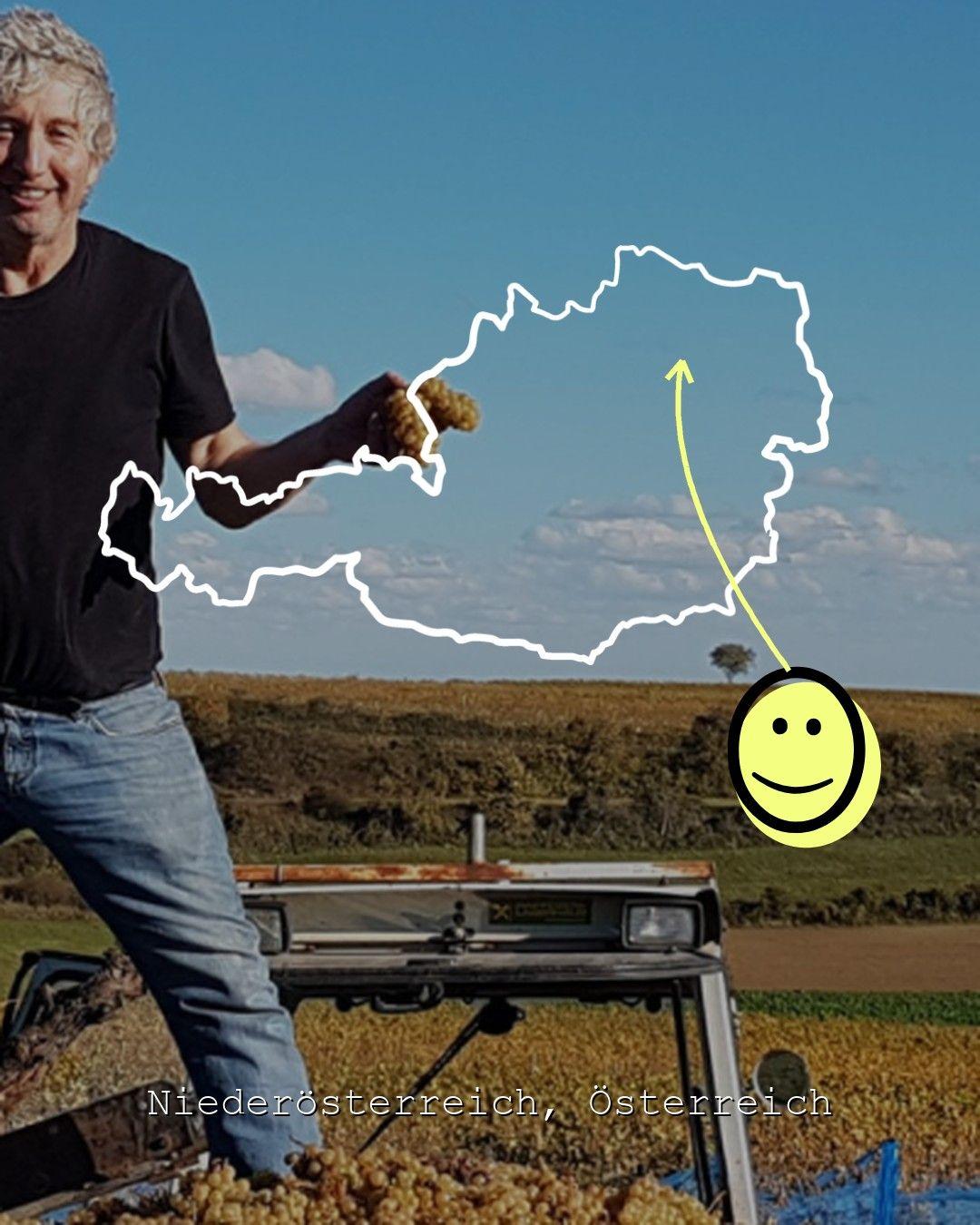
Niederösterreich accounts for roughly 60% of Austria's total wine production and contains nine distinct wine regions, including Wachau, Kamptal, Kremstal, and Weinviertel. The soils shift dramatically across those zones: loess terraces in Weinviertel, gneiss and granite in Wachau, and crystalline primary rock in Kamptal. These are not interchangeable terroirs. The producers below work specific sites and bottle them under their own names. Browse the wineries section to see who is behind the wines.

Previous2 of 2Next

Niederösterreich producers

Several producers listed here compose their own sample boxes, all six bottles from one estate, chosen by the producer as their own recommendation. A box from a Kamptal producer will read differently from one out of Wachau or Carnuntum. The Kategori Niederösterreich covers a lot of ground geographically, and the mixboxes reflect that range without a buyer's hand in the middle. No importer, no wholesaler. The price you see is the price the producer agreed to.

View all wineries from Niederösterreich

Niederösterreich sample boxes

Weinviertel is the largest wine region inside Niederösterreich and the only Austrian region with its own DAC designation built entirely around Grüner Veltliner. Kamptal DAC covers both Grüner Veltliner and Riesling, with a Klassik, Reserve, and Ried hierarchy introduced in 2019. The sample boxes from producers in this section often reflect that appellation thinking: a single village, a single variety, a producer making the classification call themselves.

View all mixboxes from Niederösterreich

Wine experts

Independent wine experts on Free Grape Society rate and review wines they have personally tasted. Their reviews appear on the wine page and on their own profile. Several of the experts listed here have reviewed Niederösterreich wines featured on this page, with notes on specific vineyards, vintages, and how individual wines sit within the broader Wachau or Kamptal context.

View all wine experts

Frequently asked questions

How do I order a Niederösterreich wine case?

Find a case from a Niederösterreich producer, add it to your cart and complete checkout. Each case contains six bottles chosen by the producer. Payment is handled securely via Klarna or card. The producer ships directly from their cellar, and your case arrives within 4 to 14 days.

What happens if a bottle arrives broken or doesn't taste right?

Send a photo to Free Grape Society customer support within 7 days of delivery. We will arrange a replacement or a refund. Because producers ship directly, quality issues are handled with the producer's direct involvement. Shared responsibility is built into how FGS works.

What is included in a Niederösterreich wine case?

Every Niederösterreich wine case contains six bottles from one producer, composed by that grower as their own recommendation. The producer decides the line-up — it might trace a single grape across different parcels, or move through several styles from one estate. The contents are listed on each case page before you order.

How long does delivery take?

Average delivery is 8 to 9 days from order to door. The full range is 4 to 14 days depending on the producer's location and your delivery address. Wines ship directly from the producer's cellar, not from a central warehouse.

How do I find the right Niederösterreich wine case for me?

Browse the cases listed on this page and read each producer's description. Because every case comes from one estate, the line-up reflects that grower's strengths and the character of their vineyards. If you are unsure, you can ask an independent wine expert on Free Grape Society for a recommendation.

How does a producer in Niederösterreich put together their six bottles?

Each producer composes their own case. Some use it to show one grape — often Grüner Veltliner or Riesling — across different parcels or vintages. Others move through several styles from the same estate. Because the producer builds the case themselves, it works as a personal introduction to how they think about their own wines.

Which Niederösterreich wine expert can recommend something for me?

Several independent wine experts on Free Grape Society have tasted and reviewed wines from Niederösterreich producers. Visit the experts listed on this page, read their reviews and profiles, and fill in the form to ask the one whose palate matches yours for a personal recommendation.

Why are Niederösterreich wine cases always 6 bottles from one producer?

Because the case is the producer's own recommendation, not an editorial selection. Six bottles from one estate gives you a coherent introduction to how one grower works — their grapes, their parcels, their approach. Blending across producers would make the case an assortment; keeping it with one estate makes it a statement.

Can I buy Niederösterreich wine cases from Austrian wine shops or importers?

Producer-composed cases sold directly by the estate are specific to Free Grape Society. Traditional wine retail and import channels carry individual bottles chosen by a buyer, not cases the producer has assembled themselves. Buying through Free Grape Society means the grower ships directly from their own cellar, without an importer or distributor in between.

Grapes and appellations of Niederösterreich

Niederösterreich is Austria's largest wine region by volume and the source of more than half the country's total wine production. It is divided into eight distinct wine-growing zones, each with its own soil profile and microclimate. The Wachau, Kremstal, and Kamptal run along river valleys carved by the Danube and Kamp, where steep terraced vineyards on gneiss and primary rock produce Grüner Veltliner and Riesling with marked mineral tension. Further east, the Weinviertel — Austria's largest individual appellation — sits on calcareous and loess soils that favour lighter, peppery expressions of Grüner Veltliner. The DAC system (Districtus Austriae Controllatus) was introduced in 2003 to anchor appellations to their defining grape varieties. Wachau operates outside the DAC framework entirely, using its own internal classification: Steinfeder, Federspiel, and Smaragd, which describe wines by must weight and alcohol level rather than by geography alone. Smaragd wines, named after a local green lizard, may reach 13.5% ABV or higher and are built for age. Grüner Veltliner planted on loess in the Weinviertel typically yields fresh, high-acid wines with white pepper character and citrus. The same grape on primary rock in the Wachau produces something structurally different: broader, more textured, with a longer finish. These are not stylistic choices by the winemaker alone — they are outcomes of the soil.

Winemaking traditions and producer structures in Niederösterreich

Family estates dominate the Niederösterreich producer landscape. Multi-generational ownership is common across the Wachau, Kamptal, and Kremstal, where vineyards are often small parcels handed down within families and farmed by the same people who make and sell the wine. The Vinea Wachau, a grower association founded in 1983, introduced a voluntary code of practice that prohibits chaptalization and requires grapes to be grown and harvested within the Wachau boundaries. This is not legally mandated — it is self-regulation by producers who chose to bind themselves to it. In the Kamptal, producers like those associated with the Kamptal DAC are required to release wines from specific classified sites only after extended ageing periods. Single-vineyard or Ried wines are increasingly the focus for quality-oriented estates across the region. The Austrian wine classification introduced a formal Ried system in 2020, creating a three-tier hierarchy: regional wine, village wine (Ortswein), and single-vineyard wine (Riedenwein). This mirrors Burgundy's structure in principle but is applied to a region where white wines from Austria — particularly Grüner Veltliner and Riesling — define the appellation's identity more than any red variety. Red wines from Austria are produced in Niederösterreich but are concentrated primarily in the warmer Carnuntum and Thermenregion zones, where Zweigelt and St. Laurent find better conditions.

How we choose our Niederösterreich producers

Producers on Free Grape Society send samples before any wine goes live. Every sample is tasted by our Head of Product. If the wine does not meet the standard, it does not get listed — regardless of the producer's reputation or awards. Independent wine experts Rate & Review individual wines on the platform. Their reviews are visible on each wine page and on their own profiles, so you can see what they tasted, when, and what they said. No buyer with quarterly targets. No chain defending shelf space. The producer decides if they want to be here, and what is here. That is not a marketing position — it is how the platform is structured. Producers set their own prices. Free Grape Society does not renegotiate margins downward to hit a retail price point. The result is that wines you find here are priced by the person who made them, not by an intermediary working backward from a shelf slot. If you want to see producers from other Austrian regions, Burgenland and Steiermark are both represented on the platform.