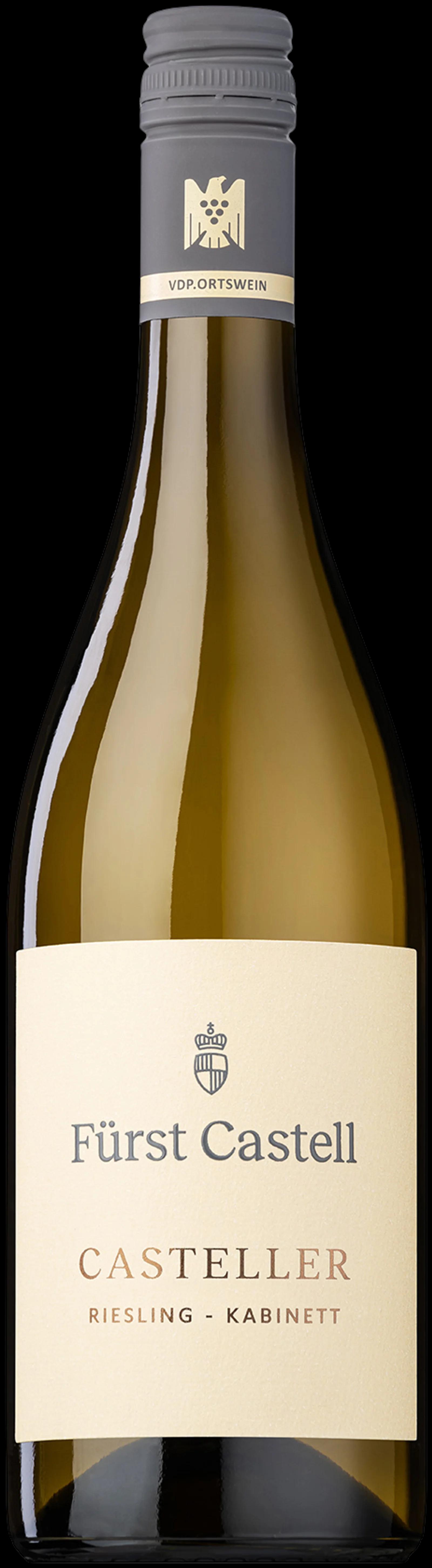
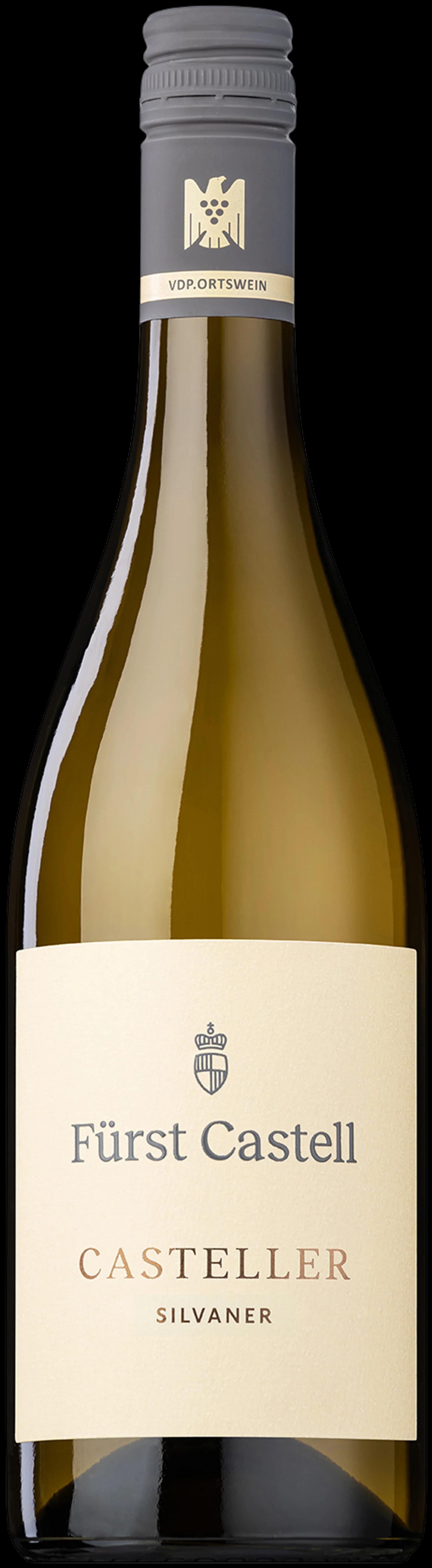
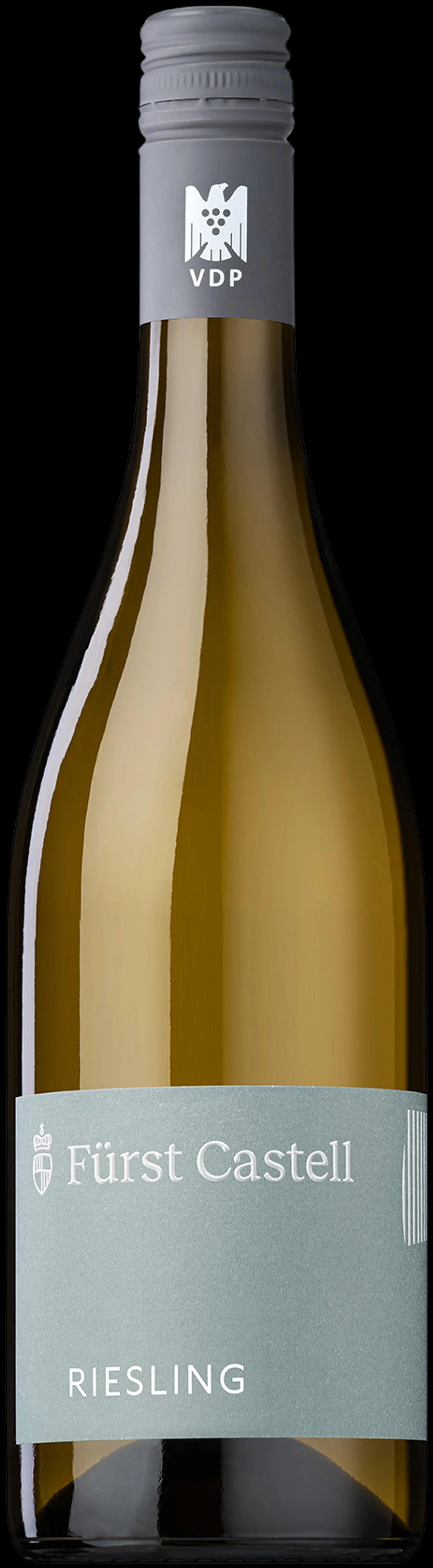
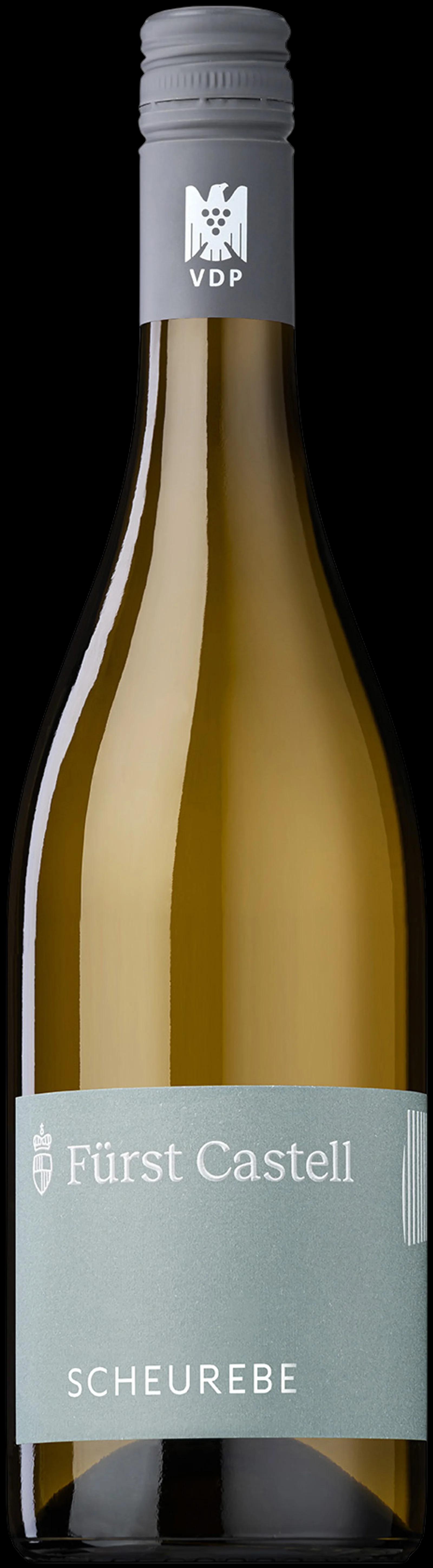
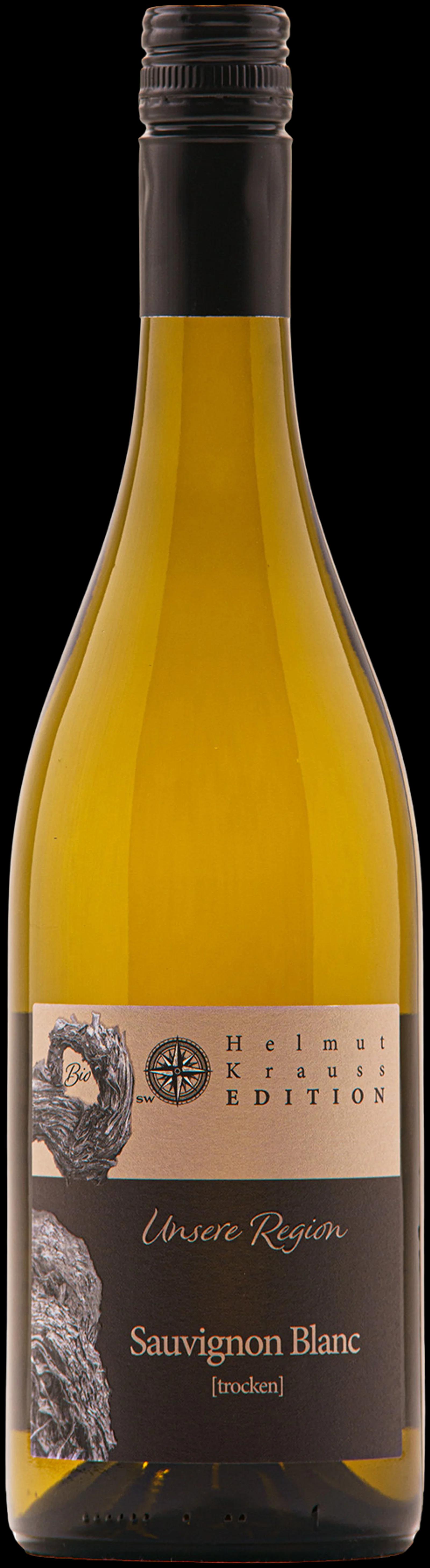
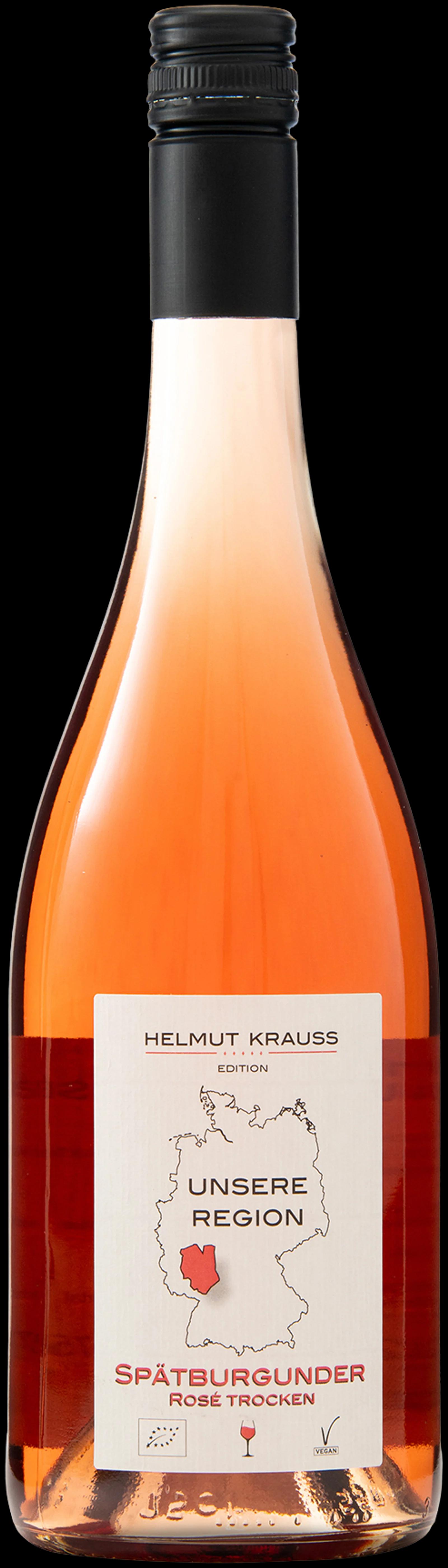
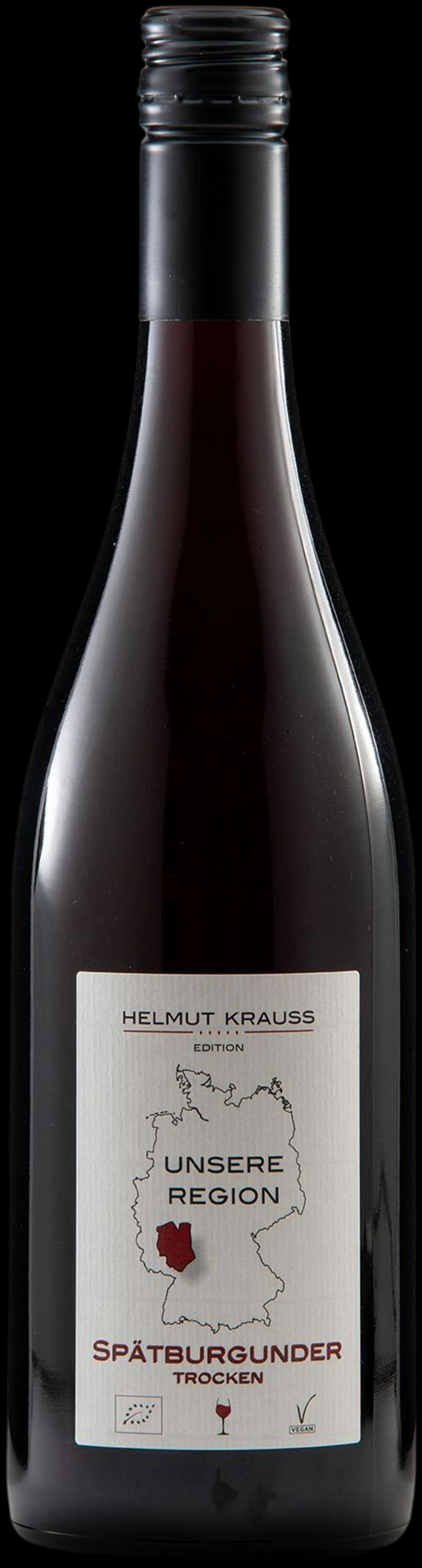
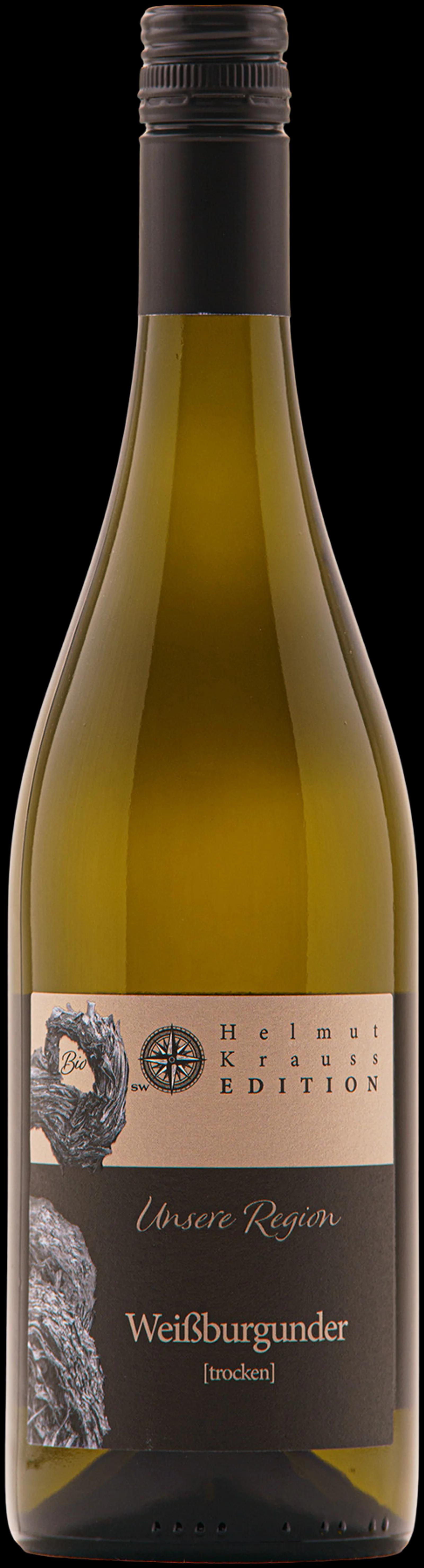
German wines: Riesling, Spätburgunder and the regions behind them

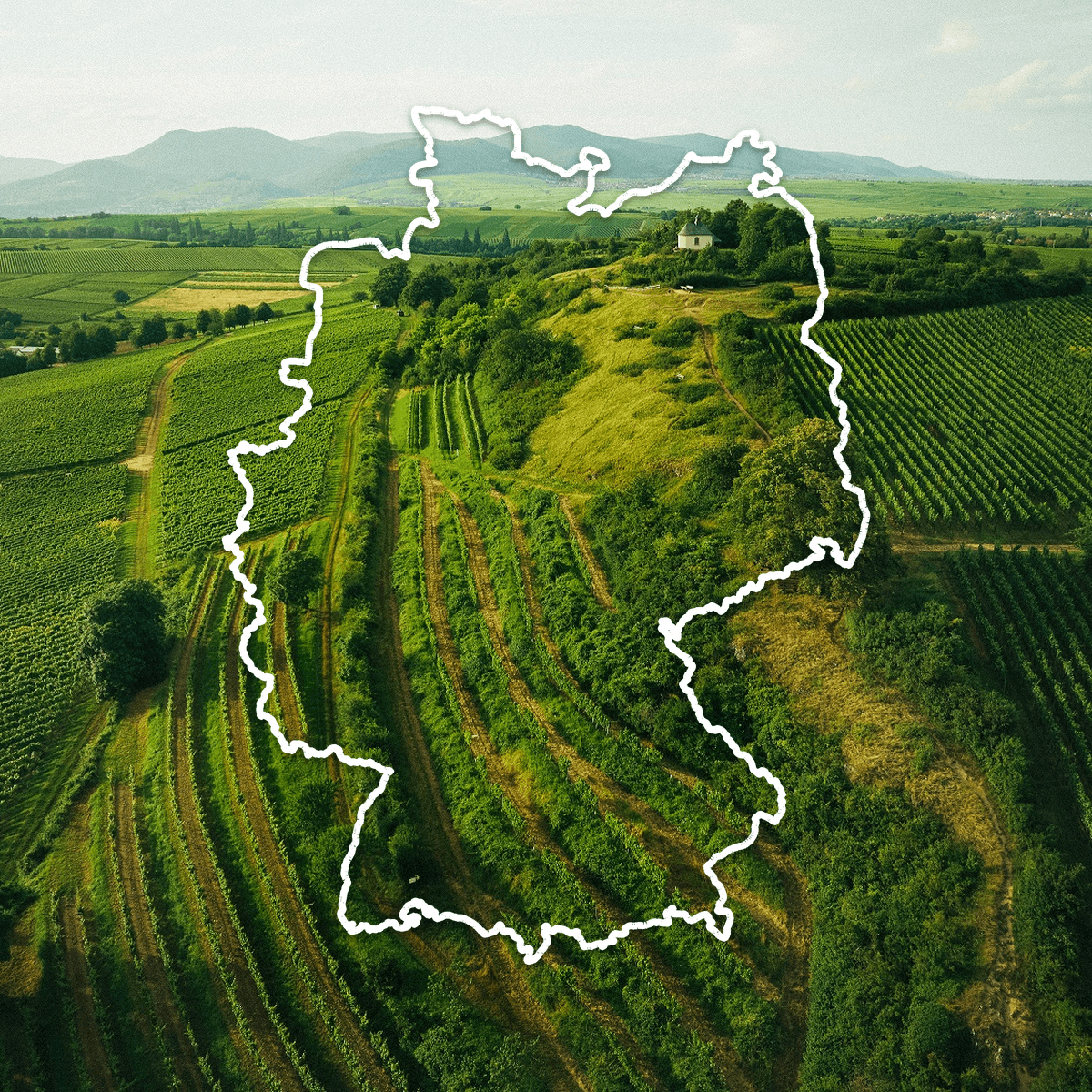
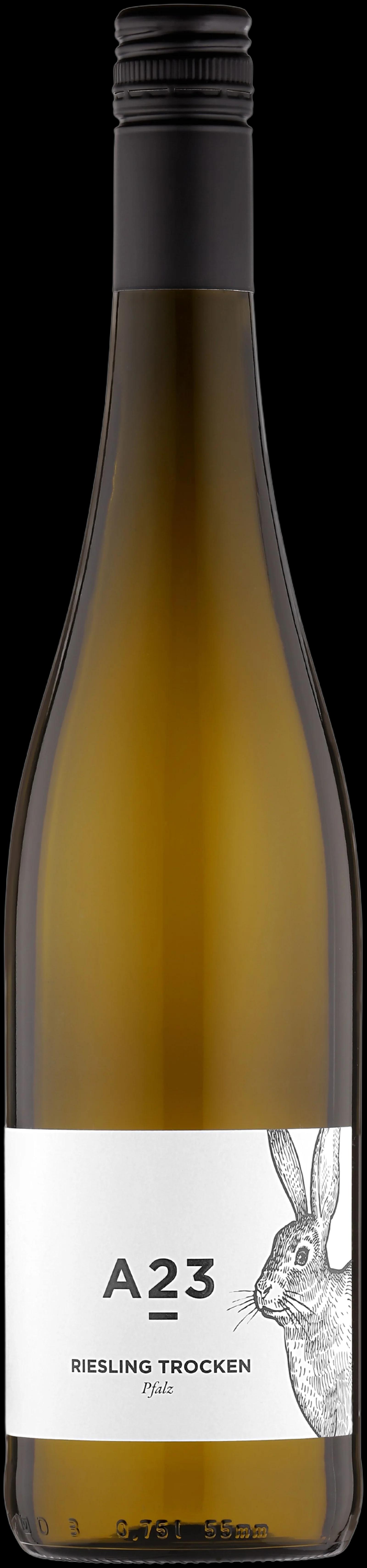
German wines are shaped by a patchwork of small, distinct regions, each running on its own soils, microclimates, and grape traditions. Riesling alone shifts from bone-dry in the Pfalz to delicately sweet along the Mosel. The producers and the bottles are below.

From the steep slate slopes of the Mosel to the warmer sandstone soils of the Pfalz.

Color

Dropdown arrow

Type

Dropdown arrow

Country (1)

Dropdown arrow

Region

Dropdown arrow

Grape

Dropdown arrow

Pairing

Dropdown arrow

Sort by

Sort arrow
Germany

German wines

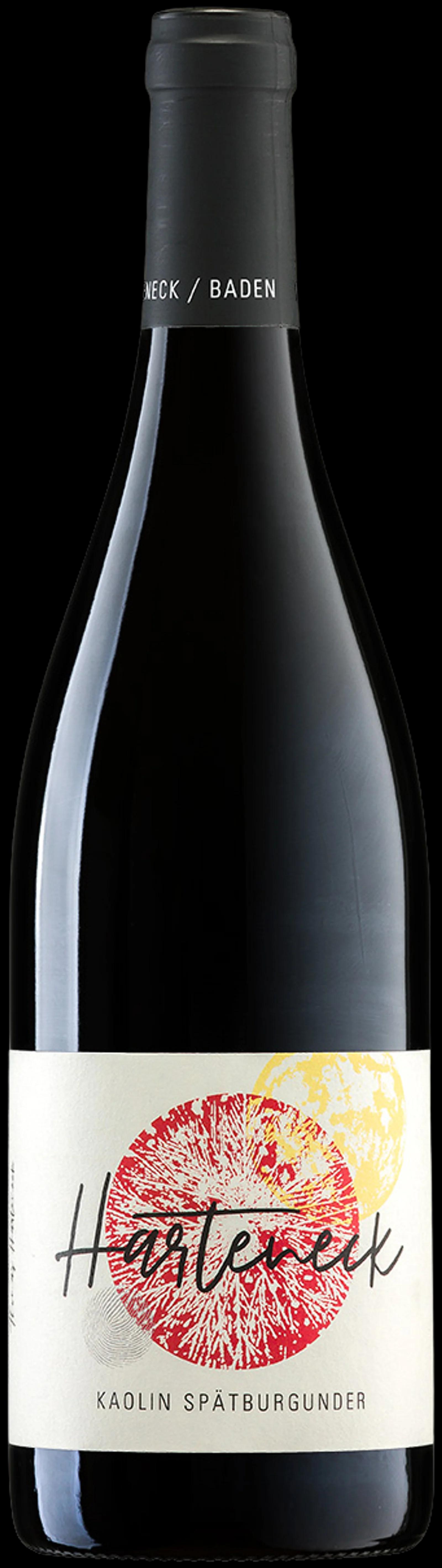
Germany's wine map is built on fragmentation: thirteen recognised regions, each with its own soils, permitted grapes, and labelling rules. The Mosel carves steep slate terraces where Riesling produces some of its most nervy, mineral expressions. Baden, in the warmer southwest, leans toward Spätburgunder, Germany's name for Pinot Noir. Understanding the region is often the fastest way into the right bottle.

Previous1 of 2Next

German wineries

On Free Grape Society, producers sell and ship directly from their own cellar, with no importer, agent, or warehouse in between. German producers set their own prices, handle their own shipments from the source, and you receive the wine as they intended it. If you are unsure which grower or style suits you, an independent wine expert can point you in the right direction.

View all wineries from Germany

Wine experts

Independent wine experts on Free Grape Society rate and review wines they have personally tasted. Their reviews appear on the wine page and on each expert's own profile, so you can follow the tasters whose palate matches yours. Several of the experts listed here have reviewed wines from German producers featured on this page.

View all wine experts

Frequently asked questions

How do I order a German wine case?

Browse the cases on this page, each composed by a single German producer. When you find one you like, add it to your order and pay securely by card or Klarna. The producer packs and ships the six bottles directly from their own cellar, so the case travels from the grower to your door without passing through a warehouse.

What happens if a bottle arrives broken or doesn't taste right?

Send a photo to Free Grape Society customer support within 7 days of delivery. We will arrange a replacement or a refund. Because producers ship directly, quality issues are handled with the producer's direct involvement. Shared responsibility is built into how FGS works.

Can I order more than one wine case at a time?

Yes. You can add several cases to a single order, including cases from different producers. Each producer ships their own case separately, directly from their cellar. Shipping is free, and you can track your deliveries individually.

How long does delivery take?

Average delivery is 8 to 9 days from order to door. The full range is 4 to 14 days depending on the producer's location and your delivery address. Wines ship directly from the producer's cellar, not from a central warehouse.

How do I choose the right German wine case for my taste?

Each case page describes the producer, their region, and what the six bottles cover — whether that is a range of Riesling styles, a move between grape varieties, or wines at different price points. Reading the producer's own description is the best starting point. You can also ask a wine expert through the advice service if you would like a personal recommendation.

Do all German wine cases contain the same bottles?

No. Each case is composed by the producer themselves and reflects their own range at the time. Cases from different producers will contain different wines, and a producer may update their case over time as new vintages become available. The current contents are always listed on the case page.

Which German wine expert can recommend something for me?

Free Grape Society has independent wine experts who know German wine well. Fill in the advice form and describe what you are looking for — a region, a style, a budget — and an expert will come back to you with a personal recommendation. The service is free and there is no obligation to buy.

Why are German wine cases always six bottles from one producer?

A case on Free Grape Society is always six bottles from one producer, composed by that grower as their own recommendation. Keeping the case within a single cellar means it is genuinely the producer's own introduction to their range — not a retailer's mix. You learn something real about one estate rather than getting an assortment with no common thread.

Can I buy a German wine case somewhere else online?

Cases from these producers are not available through general retail or major online wine shops, which typically source through importers and distributors. On Free Grape Society, independent German growers sell and ship directly, which is why you will find estates and styles here that do not appear on mainstream platforms.

Wine regions of Germany

Germany has 13 classified wine regions, all of them in the western and southwestern parts of the country. The Pfalz is the warmest and most productive, with a long growing season that suits both Riesling and a range of red varieties. Baden runs along the Rhine from the Swiss border to Heidelberg, producing some of Germany's fullest-bodied whites and a significant share of Spätburgunder, the local name for Pinot Noir. The Mosel, Nahe, and Rheingau are the heartland of German Riesling, each with distinct slate and loam soil profiles that produce wines with measurably different mineral structures. The Ahr, despite being one of the smallest regions by area, grows more red wine by proportion than almost any other German region — a fact that surprises most buyers who still associate Germany exclusively with white wine. Altitude matters here: vineyards on steep Mosel slopes can sit at gradients above 60 degrees, which changes both the labor cost and the ripening profile compared to flat vineyard land anywhere else in Europe. Producers on German wine pages ship from these regions directly — not via a central warehouse.

Riesling and beyond: the grapes that define German wine

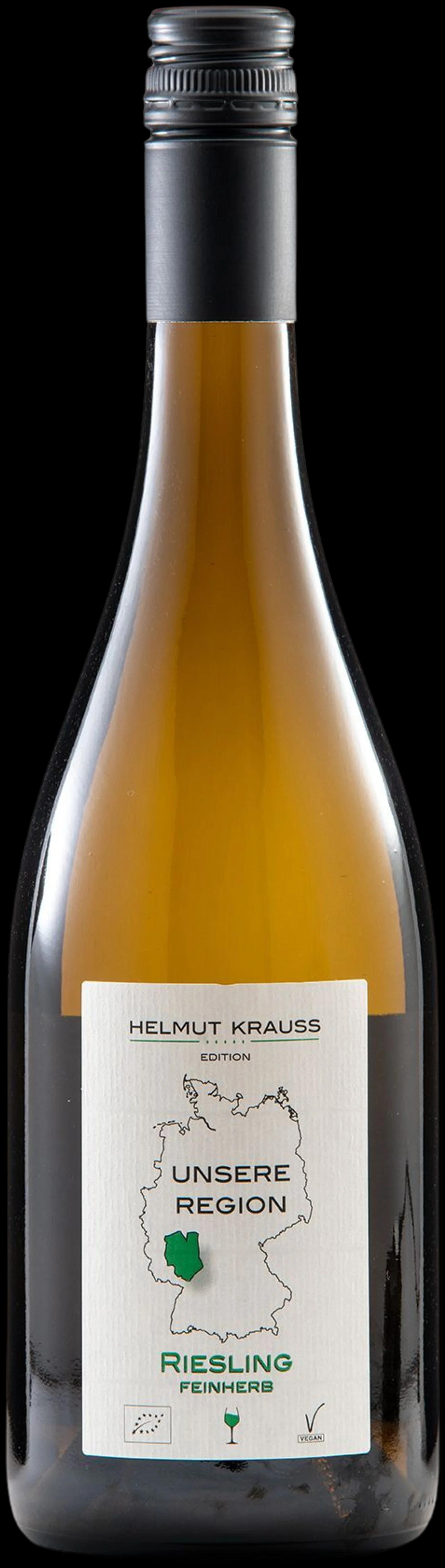
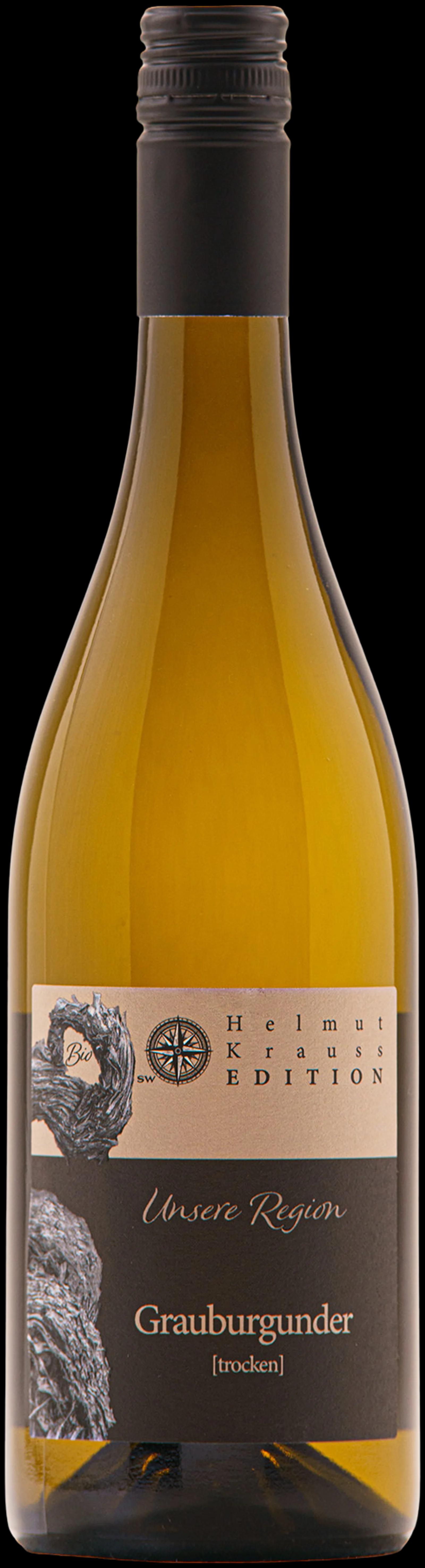
Riesling covers roughly 23% of all German vineyard area, making Germany the largest Riesling-growing country in the world by a wide margin. It is also one of the most misread grapes in retail: German Riesling ranges from bone-dry Trocken styles to late-harvest Trockenbeerenauslese with residual sugar above 200 grams per liter. The Prädikat system — Kabinett, Spätlese, Auslese, Beerenauslese, Trockenbeerenauslese, Eiswein — describes harvest ripeness, not sweetness, which is a distinction most wine buyers were never told. Spätburgunder is Germany's most important red variety, concentrated in Baden and the Ahr, producing lighter-structured reds with lower tannin than their Burgundian counterparts grown from the same clone. Weissburgunder (Pinot Blanc) and Grauburgunder (Pinot Gris) account for a growing share of German white production and tend to attract producers focused on dry, food-compatible styles. Müller-Thurgau, once the most-planted variety in Germany, has been steadily losing ground to Riesling and Burgundy varieties since the 1980s as producers move away from high-yield, neutral-flavored grapes.

How German wine classification actually works

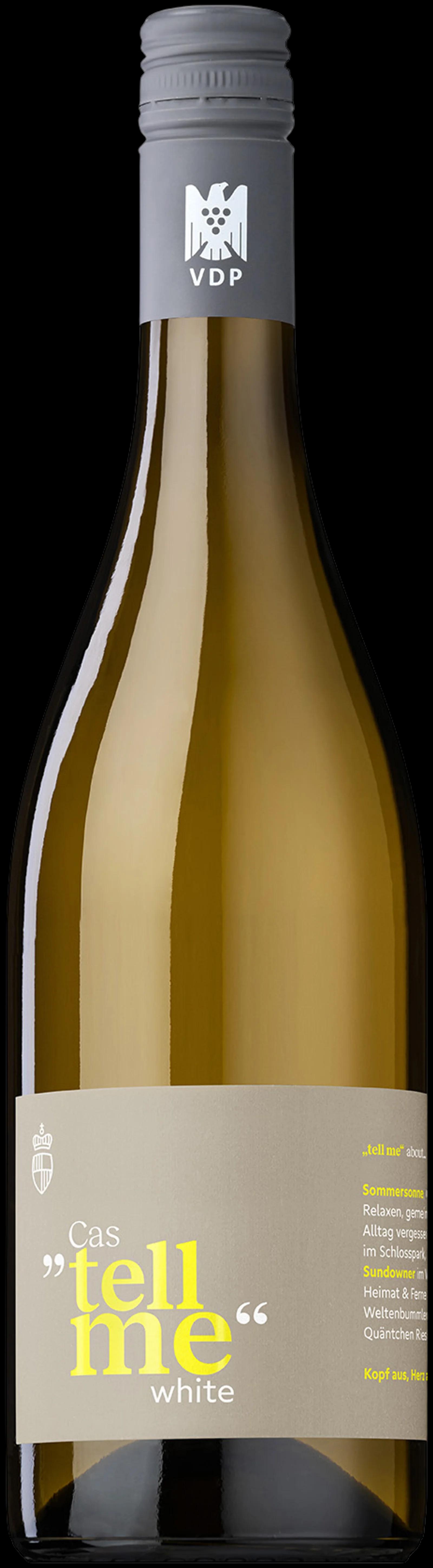
Germany operates two parallel classification systems that frequently cause confusion. The Prädikat system, codified in 1971, organizes wines by must weight at harvest — a proxy for grape ripeness, not wine quality per se. Above that sits the VDP (Verband Deutscher Prädikatsweingüter), a private association of producers who apply their own Burgundy-influenced site hierarchy: Gutswein at entry level, then Ortswein (village), then Erste Lage (first growth), then Grosse Lage (grand cru). A Grosses Gewächs (GG) is a dry wine from a Grosse Lage site — a designation that exists outside the official government system entirely. This means a bottle labeled "GG" is following VDP rules, not state law. The distinction matters because VDP membership is voluntary and requires producers to meet independent standards on vineyard practices and yields, not just on label format. No importer, no wholesaler sits between a producer's pricing decisions and what you pay. The price you see on Free Grape Society is the price the producer agreed to — that holds whether the wine carries a Prädikat designation or a VDP pyramid. Independent wine experts on the platform Rate & Review individual wines from these producers, with tasting notes and scores visible on each wine page.