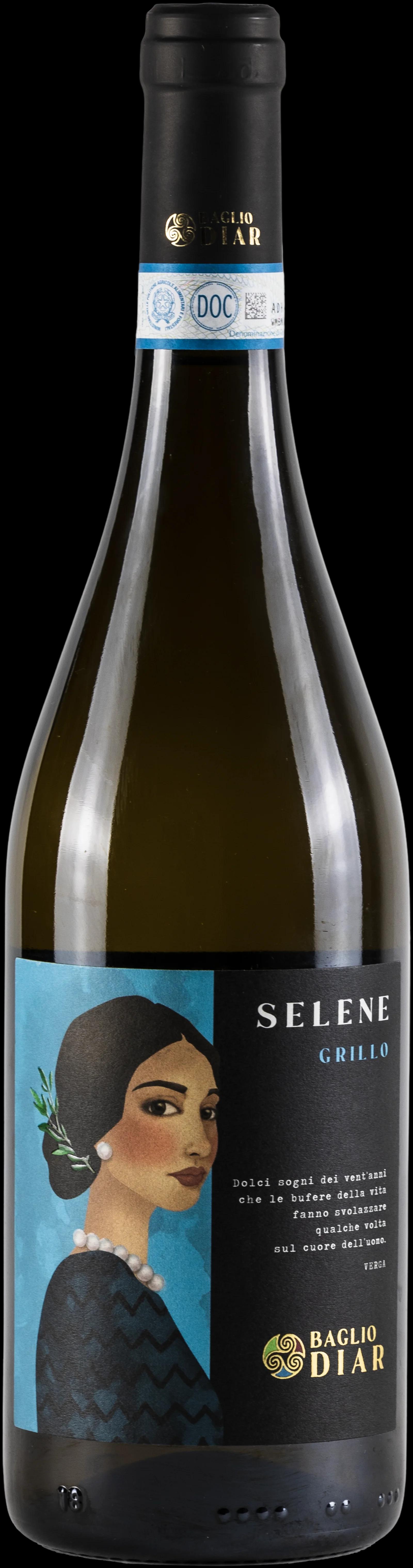
Grillo: Sicily's native white, straight from the growers who make it

Grillo wine ranges from lean and citrus-driven to fuller, textured styles depending on how and where it is grown across Sicily. The producers below grow it close to where it has always belonged.

Crisp, aromatic and built for the Mediterranean — one of Italy's most distinctive island whites.

Color

Dropdown arrow

Type

Dropdown arrow

Country

Dropdown arrow

Region

Dropdown arrow

Grape

Dropdown arrow

Pairing

Dropdown arrow

Sort by

Sort arrow
Grillo

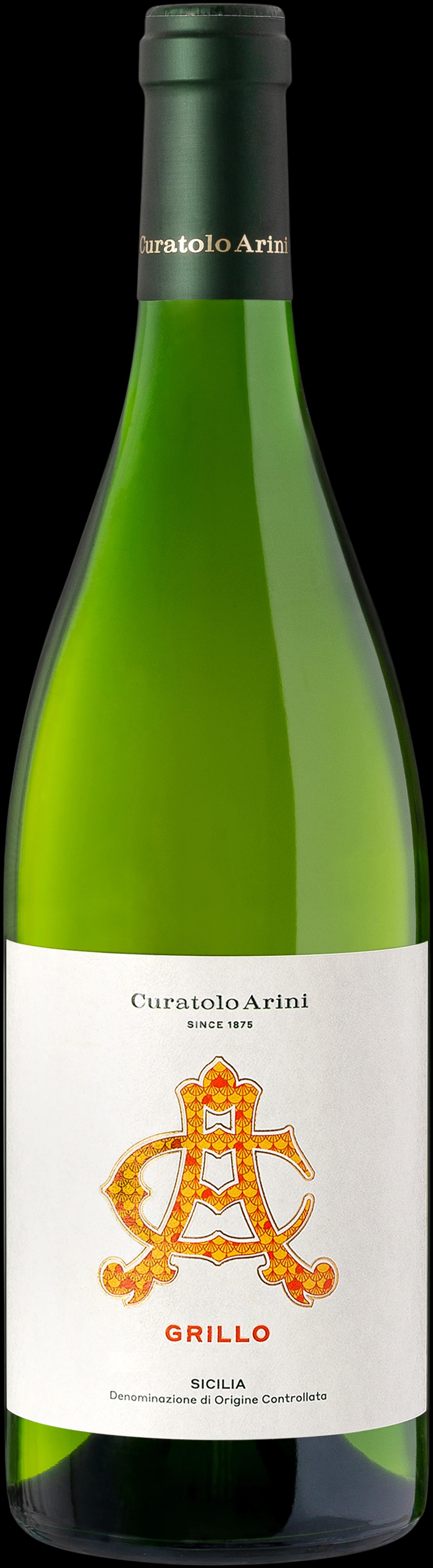
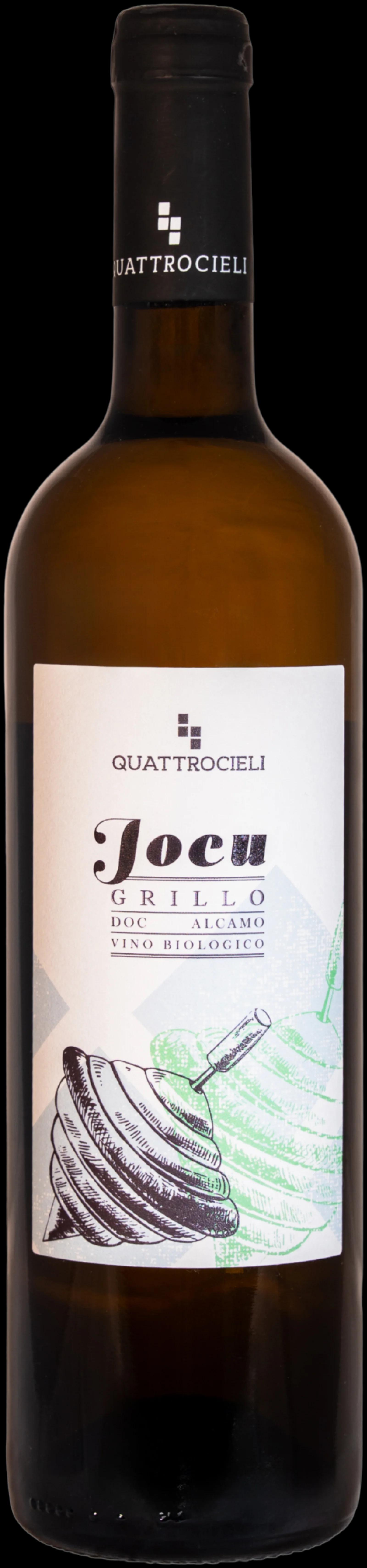
Grillo wines

Grillo has been grown in Sicily for generations, originally prized for Marsala production and now increasingly bottled as a still dry white. It suits the island's heat well — the thick skin holds up to sun, and the grape tends to keep its acidity even in warm conditions. That combination of structure and warmth shows clearly across the wines here, where each producer has made their own choices about how early to pick and how long to work the wine before bottling.

Previous1 of 1Next

Grillo wine cases

A wine case here is a producer's own selection of six bottles — put together as the recommendation they would make if you sat down at their table. With a grape as versatile as Grillo, that often means tasting one estate across different expressions: a younger, fresher style alongside a more textured, skin-contact version, or a straight varietal next to a regional blend. Free Grape Society is a society of producers, independent experts and wine lovers, not a shop.

View all mixboxes

Wineries

The growers below all work with Grillo, but they approach it differently — some farming closer to the coast where sea winds keep temperatures lower, others further inland where the heat pushes fuller, richer fruit. Reading each producer's own notes is usually the quickest way to understand what drives their style, and the wine-advice service is there if you would rather talk through the options before choosing.

View all wineries

Wine experts

Grillo divides opinion less than most grapes, but choosing between styles — fresh and unoaked versus aged and textured — is where a second view helps. Independent wine experts review wines they have personally tasted, and their reviews appear on each wine page and on the expert's own profile. Several of the experts below have reviewed Grillo wines featured on this page, so you can read what they found before you decide.

View all wine experts

Frequently asked questions

How do I order Grillo wine on Free Grape Society?

Browse the Grillo wines above and add bottles to your basket. Each bottle is fulfilled directly by the producer who made it, so your order ships from their cellar rather than a central warehouse. Free shipping is included, and you can pay by card or through Klarna at checkout.

What happens if a bottle arrives broken or doesn't taste right?

Send a photo to Free Grape Society customer support within 7 days of delivery. We will arrange a replacement or a refund. Because producers ship directly, quality issues are handled with the producer's direct involvement. Shared responsibility is built into how FGS works.

Can I order Grillo wines from more than one producer in the same order?

Yes. You can add wines from different Sicilian producers to a single basket. Each producer fulfils their own bottles and ships them separately, so you may receive more than one delivery. There are no extra shipping charges for ordering across producers.

How long does delivery take?

Average delivery is 8 to 9 days from order to door. The full range is 4 to 14 days depending on the producer's location and your delivery address. Wines ship directly from the producer's cellar, not from a central warehouse.

How do I choose between the different styles of Grillo on offer?

Grillo ranges from lean, unoaked whites with citrus and saline notes to fuller, skin-contact or barrel-aged versions with more texture and weight. The producer's own tasting notes on each wine page usually make the stylistic differences clear. If you are unsure, the wine-advice service connects you with an independent expert who can point you toward the right bottle.

Are all the Grillo wines here from Sicily?

The vast majority are — Grillo is a native Sicilian variety and that is where almost all commercial production happens. Where a producer outside Sicily works with Grillo, that is noted on their wine page. The selection focuses on independent growers who grow and bottle it themselves rather than sourcing from other estates.

Which Grillo wine expert can recommend something for me?

The wine experts listed on this page have reviewed Grillo wines and other Sicilian whites. Use the advice form on any wine page to send your question — an independent expert will respond with a personal recommendation based on your taste, the occasion, and what you want to spend.

Why don't you sell supermarket-brand Grillo wines?

Free Grape Society works exclusively with independent producers who grow their own grapes and bottle their own wines. Supermarket-label Grillo is typically produced at scale by large cooperatives or négociants and carries no direct relationship with a grower. The wines here come from estates where the person who farmed the vineyard also made the decision about when to pick and how to vinify — that is a meaningful difference in what ends up in the bottle.

Can I find Grillo wine at a supermarket or wine merchant in the same way?

Some Grillo does reach general retail, usually through importers and distributors who select wines for a broad market. Free Grape Society works differently: producers list their wines directly, set their own prices, and ship from their own cellars. That means access to wines that are not in general distribution — smaller-production bottlings and estate wines that rarely leave the island through conventional channels.

Where Grillo comes from and what makes it Sicilian

Grillo is a white grape variety native to Sicily, where it has been grown for well over a century. It was originally developed as a high-yielding blending grape for Marsala, the fortified wine that put Sicilian wine on the export map in the nineteenth century. Over the past few decades, producers have turned their attention to Grillo as a variety worth bottling on its own — and the results have shifted how the grape is understood. Sicily's heat and long growing season give Grillo naturally high sugars, but the island's altitude variation and proximity to the sea mean that growers who pick at the right moment can preserve acidity and freshness that the grape would otherwise lose. The wines that result tend to be richer and more textured than the lightest northern Italian whites, but with a salinity and citrus drive that is distinctly Mediterranean. You can explore the producers making them on the Sicily wines page, or browse the broader range of Italian white wines to see how Grillo sits among its peers.

How Grillo tastes, and what to drink it with

A well-made Grillo wine is typically full-bodied for a white, with aromas of white peach, citrus peel, almond, and a flinty or saline note that comes through on the finish. The texture is usually round and generous, sometimes with a slight bitterness on the close that is characteristic of several Sicilian whites. Unoaked versions stay bright and food-friendly; some producers use extended skin contact or older oak to build more weight and complexity. Because of its body and salinity, Grillo pairs well with seafood — particularly grilled or roasted fish, crustaceans, and dishes built around capers and olives, ingredients that are woven into Sicilian cooking. It also works well alongside mild cheeses and simply prepared vegetables. If you are curious about how it compares to other grapes grown in the same island context, Nero d'Avola and Nerello Mascalese give a good picture of the red side of Sicilian winemaking.

Buying Grillo wine directly from independent producers

Most Grillo available in retail outside Italy comes from large co-operatives or négociant bottlings, where grapes from across the island are blended and standardised. What you find on Free Grape Society is different: individual estates and family growers who bottle their own Grillo and sell it directly to you, with no importer or warehouse in the chain between their cellar and your door. That direct relationship means you can read the producer's own notes, understand how they farm and vinify, and choose based on a specific style rather than a label. Wines are tasted before listing, so the range reflects what independent Sicilian producers are actually making rather than what moves in volume. If a mixed producer selection appeals, the Sicily mixboxes page shows what is available from individual estates as a curated six-bottle set. Free Grape Society is a society of producers, independent experts and wine lovers, not a shop — and the Grillo producers here are part of that.