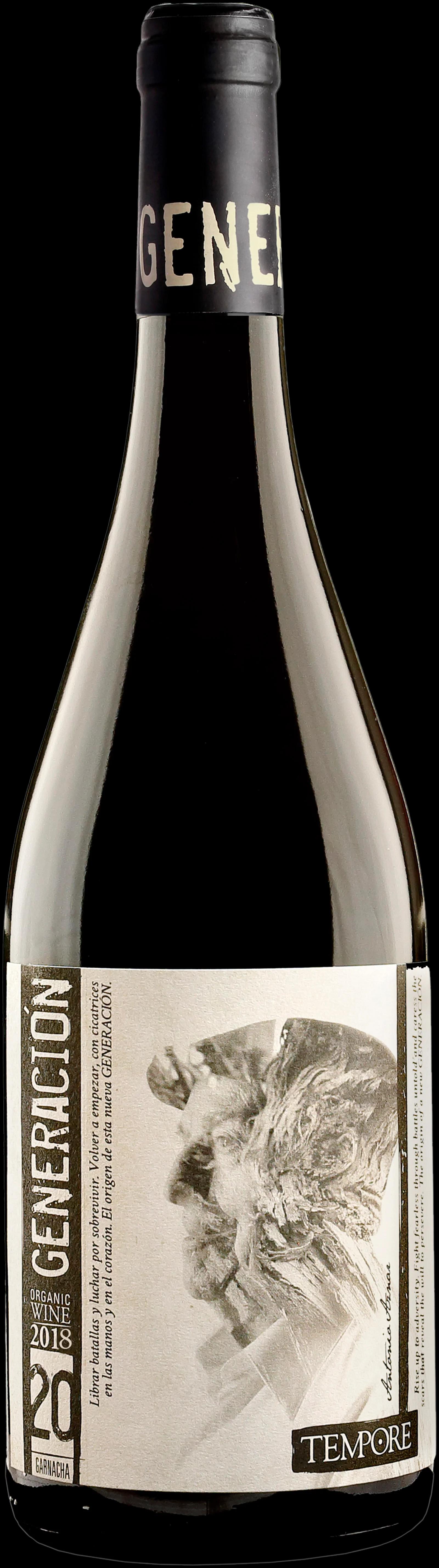
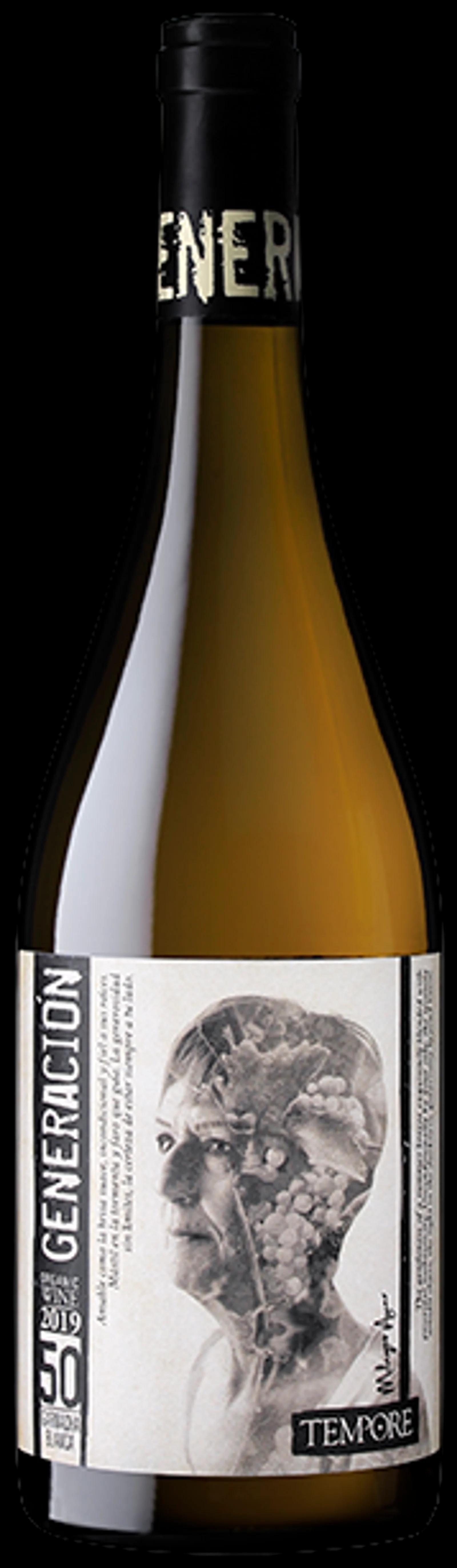
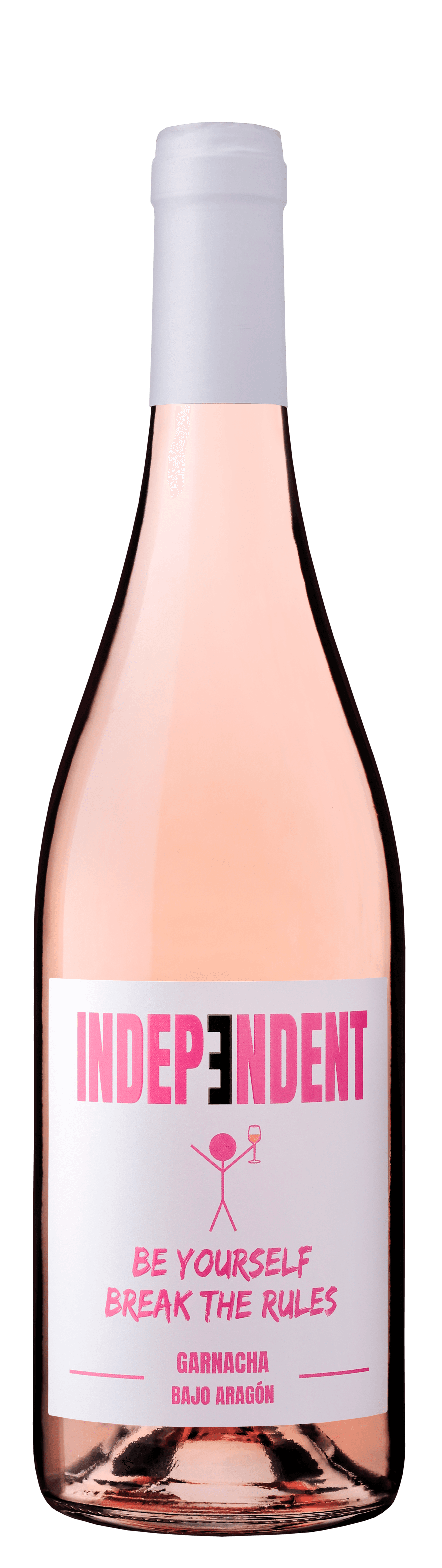
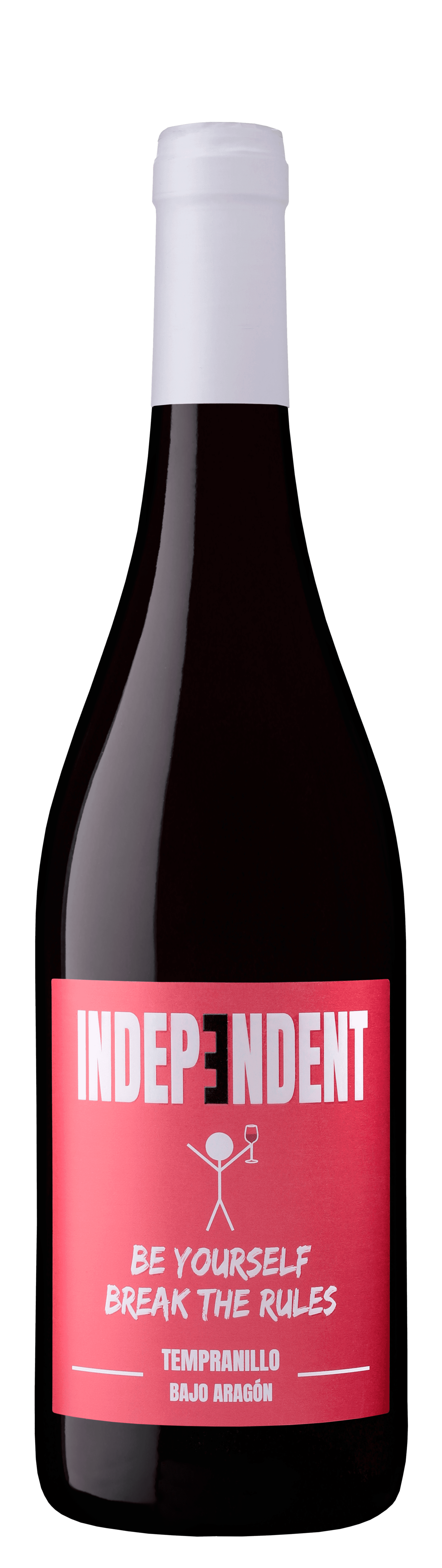
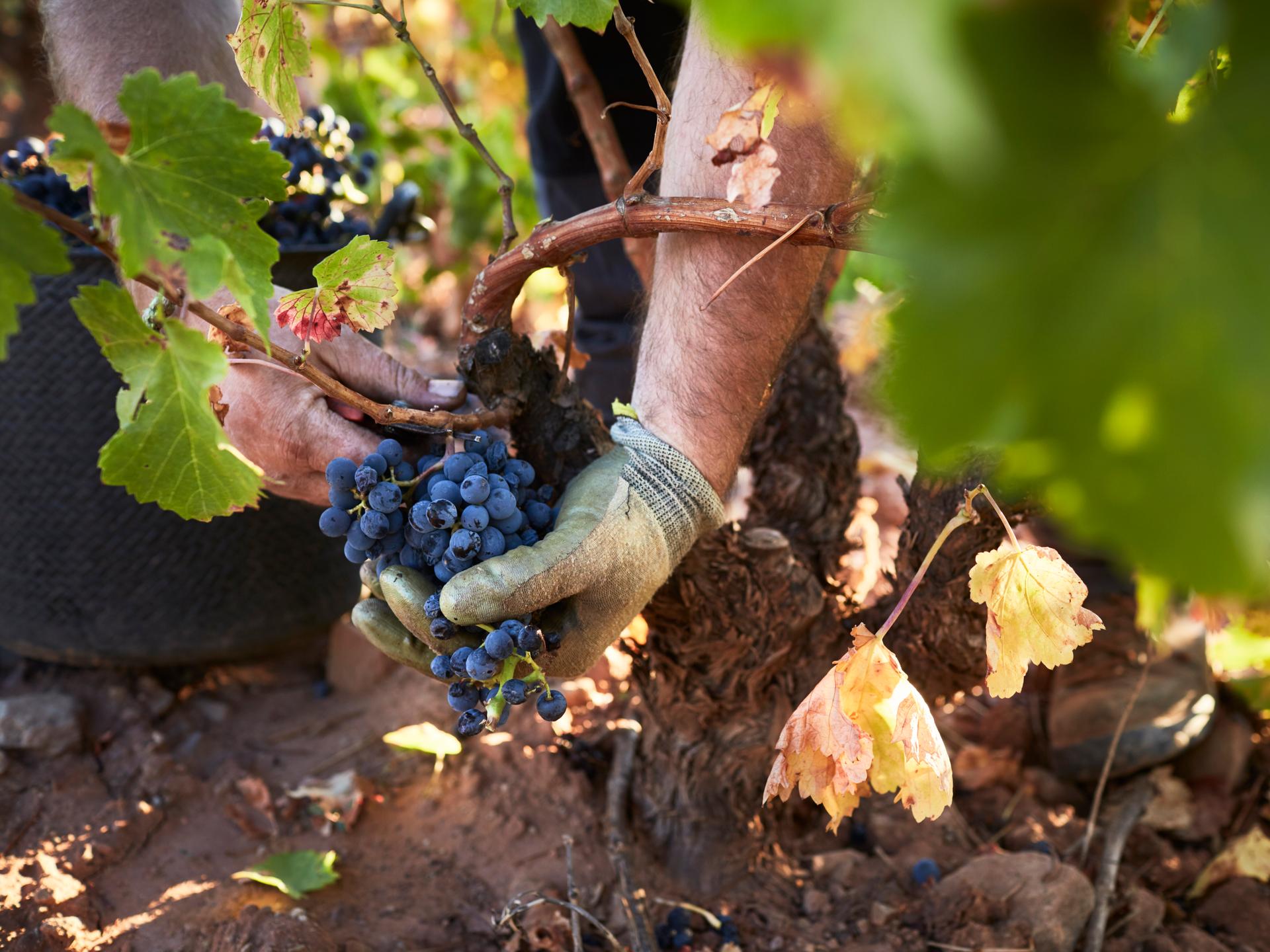


Aragón producers, six bottles at a time

An Aragón wine case brings six bottles from a single producer in one of Spain's most distinctive inland regions. Browse cases from independent growers working the Ebro valley, the Pyrenean foothills and the high plateaus of the Sistema Ibérico.

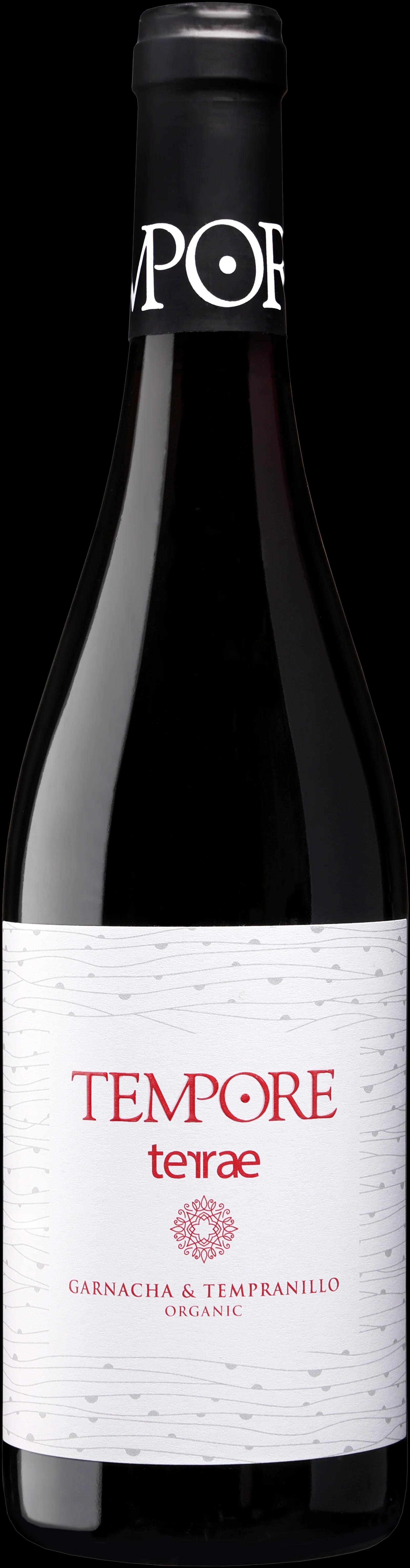
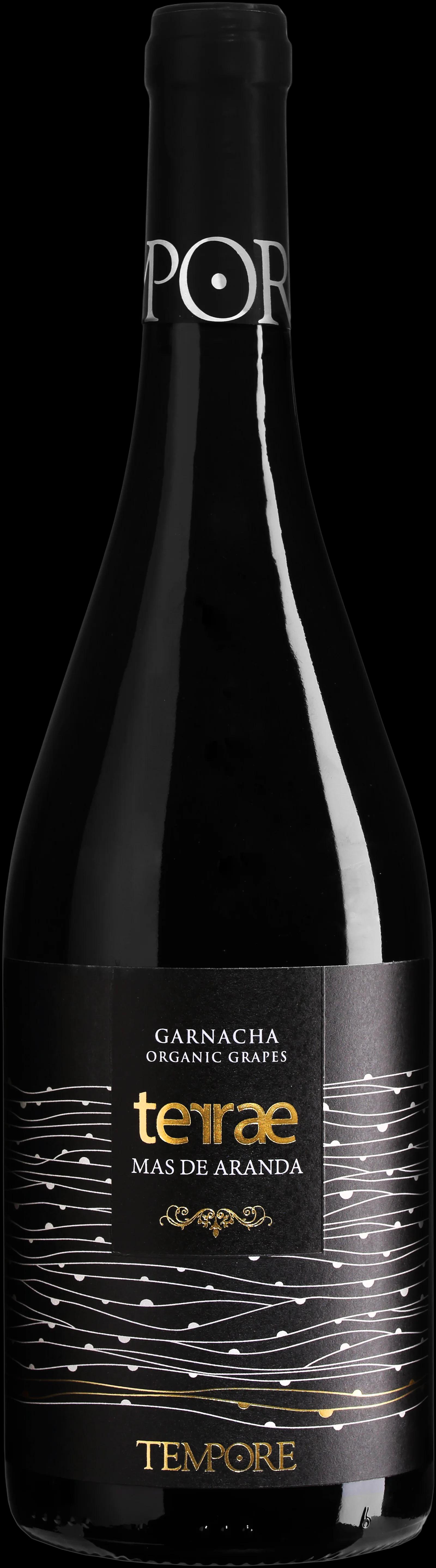
Each case is composed by one estate from the Ebro valley and its surrounding highlands — Garnacha, Tempranillo and the old vines that define the region.

Wine Colour

Dropdown arrow

Country

Dropdown arrow

Region (1)

Dropdown arrow

Price

Dropdown arrow

Sort by

Sort arrow
Aragon

Aragón wine cases

An Aragón wine case is six bottles from one estate, put together by the grower as a single recommendation across the wines they make. The region divides into distinct zones — the warm Ebro corridor, the cooler Pyrenean foothills around Campo de Borja and Somontano, and the high-altitude vineyards of Calatayud — and a grower's six bottles often trace how their own parcels sit within that geography. Free Grape Society is a society of producers, independent experts and wine lovers, not a shop, and the cases here reflect that: each one is a grower's own selection, shipped directly from the cellar.

Aragón wines

Aragón's individual wines run from the deep, full-bodied Garnacha reds of Cariñena and Calatayud to the lighter, fruit-forward styles of Campo de Borja and the more international varieties grown in Somontano. Old vines are common across the region — some Garnacha plantings in Calatayud date back over a century — and they contribute to wines with concentration and character. The bottles listed here come from growers farming their own vineyards across these appellations, shipped directly from the producer.

View all wines from Aragon

Aragón wineries

The producers behind these cases are mostly small family estates and cooperatives-turned-independent, working vineyards that have been in their families for generations. Aragón's winemakers have pushed hard for recognition of the region's old-vine Garnacha, and many of the growers here were instrumental in establishing the quality credentials that the appellations now carry. Several also offer individual bottles alongside their cases, so you can explore a producer's range one bottle at a time.

View all wineries from Aragon

Wine experts

Independent wine experts on Free Grape Society rate and review wines they have personally tasted, and several have reviewed bottles from Aragón producers featured here. Those reviews appear on the individual wine page and on the expert's own profile, giving you a transparent record of what they found in the glass. Experts do not select which wines are listed — that rests on the producers and the tasting process — but their reviews add a layer of context that is useful when you are choosing between two estates you have not tried before.

View all wine experts

Frequently asked questions

How do I order an Aragón wine case from Free Grape Society?

Browse the cases on this page and add one to your cart. Each case contains six bottles from a single Aragón producer, composed by the grower. You pay securely with Klarna or card, and the case ships directly from the producer's cellar to your door. Delivery typically takes between four and fourteen days, with an average of around eight to nine days.

What happens if a bottle arrives broken or doesn't taste right?

Send a photo to Free Grape Society customer support within 7 days of delivery. We will arrange a replacement or a refund. Because producers ship directly, quality issues are handled with the producer's direct involvement. Shared responsibility is built into how FGS works.

What is included in an Aragón wine case?

Every case is six bottles from one estate, chosen by the producer as their own recommendation across the wines they make. The contents vary by grower — some show a single variety across different sites or vintages, others move through the styles their cellar produces. The product page for each case lists exactly which bottles are included before you order.

How long does delivery take?

Average delivery is 8 to 9 days from order to door. The full range is 4 to 14 days depending on the producer's location and your delivery address. Wines ship directly from the producer's cellar, not from a central warehouse.

How do I find the right Aragón wine case for me?

Start with the producer's page to understand their vineyards and approach. Aragón spans several distinct appellations — Cariñena, Calatayud, Campo de Borja and Somontano among them — each with its own grape emphasis and altitude profile. If you want guidance, you can ask an independent wine expert through Free Grape Society before you order.

Can I find cases focused on a specific Aragón appellation or grape?

The cases here come from producers across Aragón's appellations, so the grapes and styles vary. Old-vine Garnacha is the region's most recognisable thread, but you will also find Tempranillo, Macabeo and varieties planted in Somontano's cooler northern zone. Reading each producer's profile tells you where their vineyards sit and which grapes they centre on.

Which Aragón wine expert can recommend something for me?

Independent wine experts on Free Grape Society cover Spanish wines including producers from Aragón. You can browse expert profiles to find someone whose palate and background fit what you are looking for, then ask them a question directly. Their reviews on individual wines are also a useful starting point before you commit to a case.

Why are Aragón mixboxes always 6 bottles from one producer?

A case composed by one grower says something coherent about how that producer thinks and what their vineyards produce. Mixing wines across producers would lose that thread. Six bottles is enough to show range — different varieties, different parcels, sometimes different vintages — while keeping the selection focused on a single cellar's character and the grower's own recommendation.

Can I buy Aragón wine cases from a shop or supermarket?

Producer-composed wine cases from independent Aragón estates are not something you typically find in retail. Supermarkets and wine shops carry commercial brands; the small family estates and old-vine specialists on Free Grape Society sell directly, which means their full range and their own composed selections reach you without passing through an importer or warehouse.

What goes into an Aragón wine case

Every wine case from Aragón comes from one producer — six bottles composed by the grower as a single recommendation, not assembled from across the region. That matters here because Aragón is not a uniform place. A producer farming old Garnacha vines in the high-altitude Campo de Borja is working in a different register entirely from a grower in the warmer, lower-lying Cariñena, and a case lets you taste how one estate reads its own corner of the region before you start picking individual bottles. Aragón's three main appellations — Cariñena, Campo de Borja and Calatayud — each bring something distinct: Cariñena is the oldest and largest, historically built around the grape the rest of the world calls Carignan but Aragón named first; Campo de Borja tends toward fuller Garnacha; Calatayud sits higher and cooler, with some of the region's oldest vines. A producer composing a six-bottle case typically draws on the styles their own parcels produce best, so the line-up is shaped by where they farm and what they make rather than by a category brief. Browse Aragón wine cases or compare with cases from elsewhere in Spain.

Garnacha, Carignan and the grapes that define Aragón

Garnacha — Grenache Noir elsewhere in the world — has been grown in Aragón for centuries, and the region's oldest bush-vine plantings are among the best arguments for what the grape can do when it has age and altitude on its side. Old Garnacha from Calatayud or Campo de Borja tends to be darker, more structured and less immediately plush than younger plantings, with the kind of grip that asks for food rather than apology. Carignan, which the Spanish call Cariñena after the Aragonese town it likely originated from, is the region's other anchor variety — high acidity, firm tannin, often blended but increasingly bottled alone by growers who want to show what the grape achieves on its own terms. White production is smaller but genuine: Macabeo and Garnacha Blanca appear across the DO zones, and some producers are returning to old white plantings that sat in mixed vineyards for decades without ever being labelled separately. For context on how Spanish varieties look across the country, see Tempranillo, Garnacha and Monastrell.

Getting to know Aragón through one grower

Aragón is one of those regions where the producer is often a more useful guide than the appellation label alone. The DO system here is real — Cariñena, Campo de Borja, Calatayud and Somontano each have distinct soil and climate profiles — but within any one DO the range between a producer making easy, commercial wine and one farming old vines at altitude is wide enough that the label tells you less than you might expect. A six-bottle case from one estate compresses that gap: the grower chooses six bottles they stand behind, across the styles their own cellar makes, and the result reads as a position rather than a category. It is a practical way to orient yourself in a region before committing to individual bottles. Producers on Free Grape Society ship directly from their own cellars, with no importer or warehouse in between, which means the wine that arrives is the same one the grower bottled and named. For other Spanish regions worth exploring by case, see Castile and León, Valencia and Galicia.