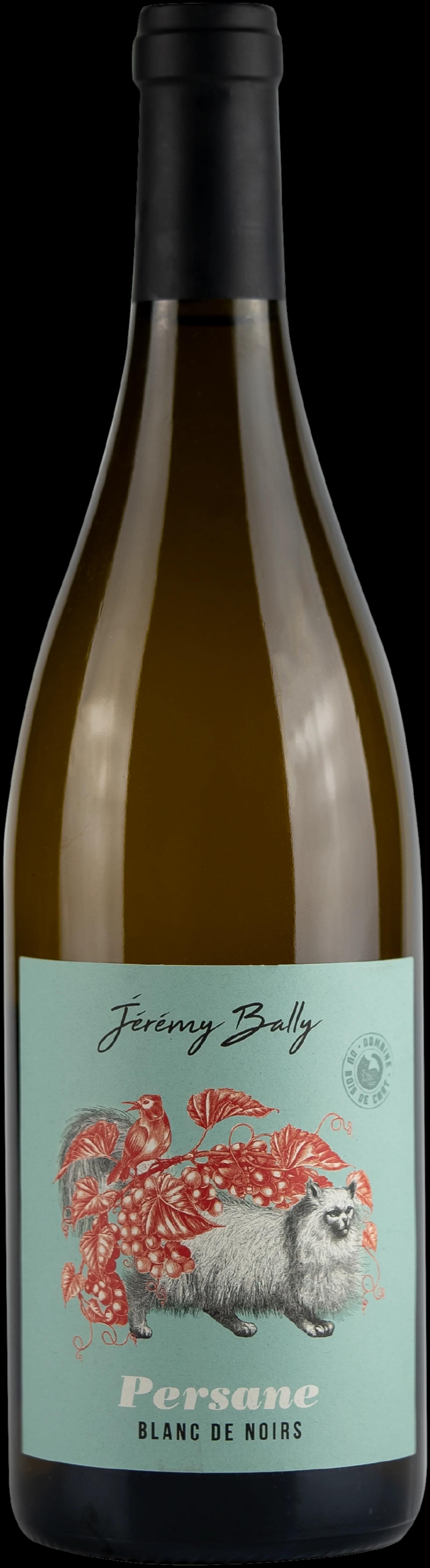
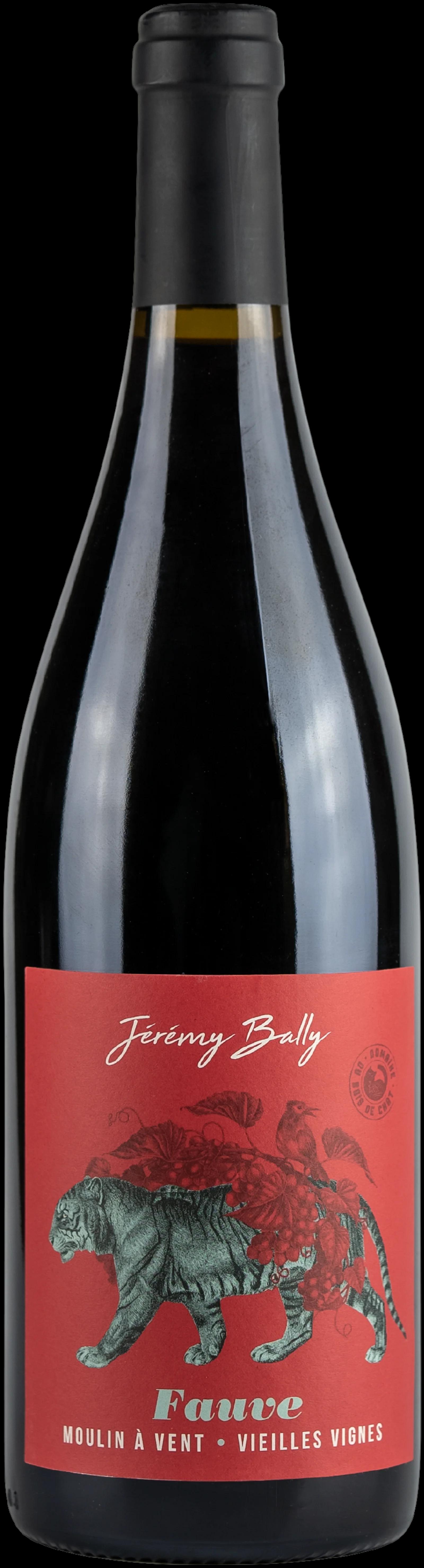



Gamay — whole-cluster, carbonic, and cellar-direct from the source

Gamay wines from estate-bottling producers. Direct from the cellar, tasted before listing.

From Beaujolais crus to grower bottles, no middlemen.

Color

Dropdown arrow

Type

Dropdown arrow

Country

Dropdown arrow

Region

Dropdown arrow

Grape

Dropdown arrow

Pairing

Dropdown arrow

Sort by

Sort arrow
Gamay

Gamay wines

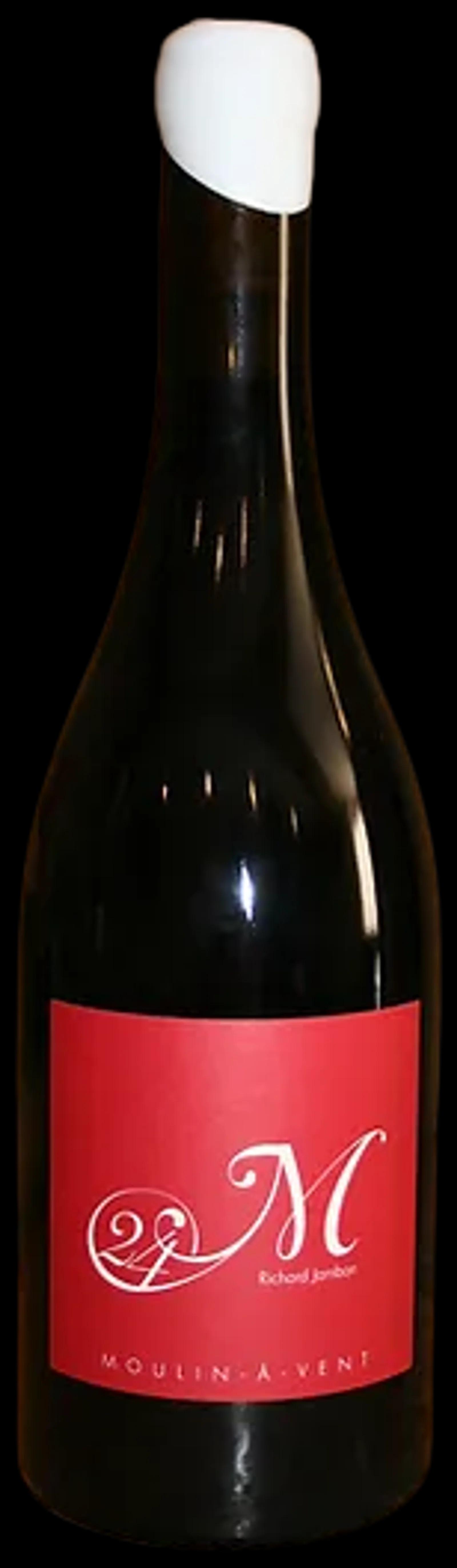
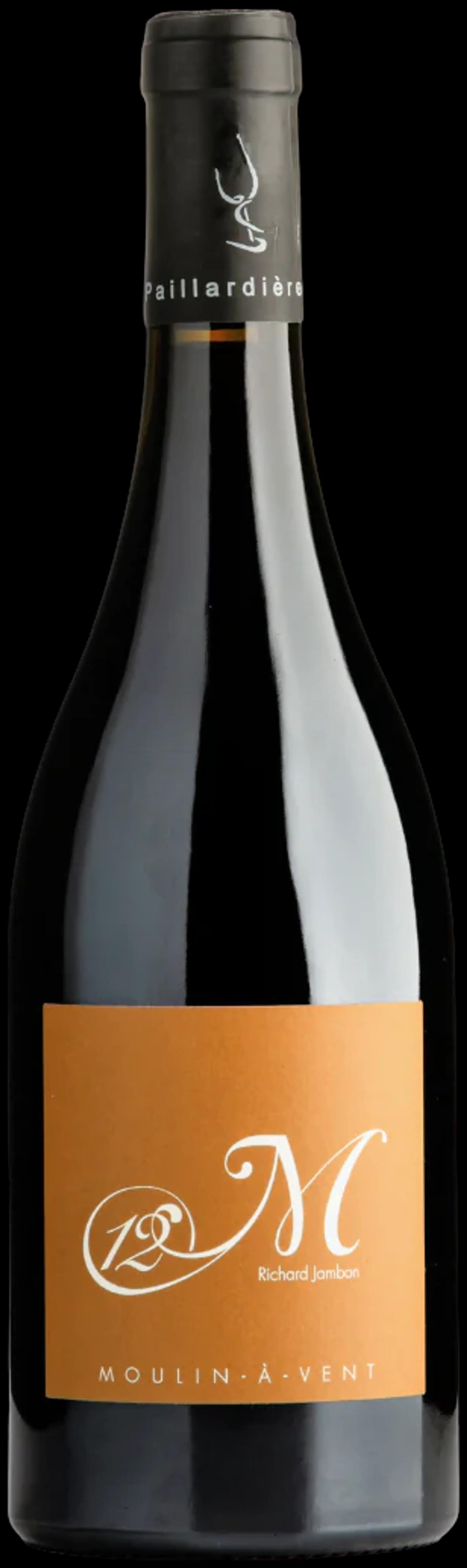
Gamay is most associated with Beaujolais, where it covers around 98 percent of the vineyard surface. Within Beaujolais, ten crus — including Morgon, Moulin-à-Vent, and Fleurie — produce wines that differ substantially in structure and ageing potential. Whole-cluster fermentation and carbonic maceration are the two techniques most closely linked to the grape, though producers in the crus increasingly use conventional fermentation to build more tannic, cellar-worthy expressions. Bottles here ship directly from the producer.

Previous1 of 1Next

Gamay mixboxes

A mixbox on Free Grape Society is six bottles, always from one producer. On a Gamay page, between three and six of those bottles are Gamay. The remaining slots, if any, are chosen by the producer to place their Gamay within the context of their wider range. When a producer works exclusively with Gamay, the full six bottles can be Gamay. The producer composes the box, not a buyer.

Wine experts

Gamay is also grown in the Loire Valley, particularly in Touraine and Anjou, where producers who own their fruit often work with minimal intervention and indigenous yeasts. Outside France, plantings exist in Switzerland and in small pockets of North America. Growers who control their own production in these regions tend to make Gamay that reads quite differently from Beaujolais cru: lighter, more floral, earlier-drinking.

Gamay producers

Independent wine experts on Free Grape Society rate and review wines they have personally tasted. Their reviews appear on the wine page and on the expert's own profile. Several of the experts below have reviewed Gamay wines listed on this page. Their track records and tasting notes are visible without a login.

Frequently asked questions

How do I order Gamay wines on Free Grape Society?

Browse the wines in the grid above. Each listing shows the producer, region, vintage, and price set by the producer. Add bottles to your cart and pay once at checkout. Wines ship directly from the producer's cellar. No account is required to browse, but you will need one to complete a purchase.

What happens if a bottle arrives broken or doesn't taste right?

Send a photo to Free Grape Society customer support within 7 days of delivery. We will arrange a replacement or a refund. Because producers ship directly, quality issues are handled with the producer's direct involvement. Shared responsibility is built into how FGS works.

Can I order Gamay wines from more than one producer in the same order?

Yes. You can add wines from multiple producers to a single cart and check out in one transaction. Because each producer ships independently, you may receive more than one delivery from a single order. Delivery timelines are shown on each wine page.

How long does delivery take?

Average delivery is 8 to 9 days from order to door. The full range is 4 to 14 days depending on the producer's location and your delivery address. Wines ship directly from the producer's cellar, not from a central warehouse.

How does Free Grape Society select which Gamay wines to list?

Every wine on Free Grape Society is tasted by our Head of Product before it goes live. No wine is listed without passing that quality review. Independent wine experts also rate and review individual wines on the platform, which adds a further layer of transparent assessment.

Is all Gamay made in a light, fruity style?

No. The light, carbonic-maceration style associated with Beaujolais Nouveau is one end of the spectrum. Wines from the northern Beaujolais crus, particularly Moulin-à-Vent and Morgon, can be structured, mineral, and built to age. Style depends on terroir, vinification method, and how long the producer ages the wine before release.

Which wine expert can recommend a Gamay for me?

Several experts on Free Grape Society have reviewed Gamay and Beaujolais wines. Browse the expert profiles in the section below to find one whose regional focus matches what you are looking for. You can view their past reviews directly on their profile before reaching out.

Why don't you sell Gamay from supermarket brands?

Supermarket Beaujolais is typically produced at scale by negociants who source from multiple growers and blend to a consistent price point. The producers on Free Grape Society own their vines, control fermentation, and bottle under their own name. That is a structurally different product, not just a different label.

How does Gamay on Free Grape Society differ from what is broadly available in retail?

Most retail channels carry Beaujolais from large negociant houses or cooperative labels. Cru-level Gamay from small estates that bottle their own fruit rarely reaches supermarket shelves because the volumes are too small for standard distribution. Free Grape Society lists exactly these producers, who ship directly rather than through wholesale chains.

Where Gamay grows and why it matters

Gamay is, above all, a Beaujolais grape. The granite and schist soils of the ten Beaujolais Crus — Moulin-à-Vent, Morgon, Fleurie, Chénas, Juliénas, Saint-Amour, Régnié, Brouilly, Côte de Brouilly, and Chiroubles — produce wines with structural range that barely resembles the light, early-drinking style most people associate with the name. Outside Beaujolais, Gamay holds a meaningful presence in the Loire Valley, particularly in Touraine and the Coteaux du Giennois, where it tends toward lighter body and higher acidity. Smaller plantings exist in the Rhône Valley and in Switzerland, where it often appears in blends with Pinot Noir under the name Dôle. In Burgundy proper, Gamay was historically pushed out of the Côte d'Or in the fourteenth century by ducal decree — Philip the Bold famously called it a "disloyal" grape — which is why today it concentrates in the Mâconnais and in the regional appellation Bourgogne Passetoutgrains, where it is blended with Pinot Noir. Gamay thrives in granitic soils because those soils drain well and retain heat without baking the fruit, preserving the grape's natural acidity and allowing the thin skins to develop colour without harsh tannin.

How Gamay is vinified — and why carbonic maceration defines the conversation

No grape is more closely associated with carbonic maceration than Gamay. In this technique, whole, uncrushed clusters are placed in a sealed tank filled with carbon dioxide. Fermentation begins inside each intact berry before the grapes break down, producing a wine that is low in tannin, high in primary fruit, and marked by a characteristic bubble-gum and banana ester. This is the method behind Beaujolais Nouveau, and it is also why Gamay has a reputation for being simple. That reputation is incomplete. The Cru producers of Morgon and Moulin-à-Vent frequently use semi-carbonic or conventional open-top fermentation with partial destemming, extended maceration, and ageing in old oak or concrete. The result is a wine capable of aging for a decade or more, developing earth, iron, and dried-fruit complexity. The difference between a Nouveau and a ten-year-old Morgon from a serious estate is not one of degree — it is nearly categorical. Growers who control their own production and bottle under their own name tend to be the clearest source of this more structured style. The Gamay wines listed on Free Grape Society come from producers who have made a clear stylistic choice and ship from their own cellar, not from a distribution warehouse. No importer, no wholesaler. The price you see is the price the producer agreed to.

Reading a Gamay label

Gamay rarely appears on the front label in France, because French wine law names the appellation, not the grape. A bottle labelled Beaujolais-Villages, Morgon, or Fleurie is Gamay by definition — no other red grape is permitted in these appellations. Knowing the Cru hierarchy helps: the ten Crus sit above Beaujolais-Villages, which sits above the base Beaujolais appellation. Within the Crus, Moulin-à-Vent and Morgon are generally considered the most age-worthy; Fleurie and Chiroubles tend toward lighter, more aromatic expressions. Outside France, Gamay is more likely to be named on the label directly — Swiss and Canadian producers in particular use varietal labelling. When comparing Gamay from the Loire alongside Beaujolais Cru wines, also consider the context of Cabernet Franc and Pinot Noir, two grapes that share the Loire and Burgundy geography and offer a useful reference point for understanding where Gamay sits in terms of body and structure. For those moving between French red grapes, Carignan, Cinsault, and Grenache Noir all occupy neighbouring stylistic territory in different parts of France and are worth comparing directly.